Table of Contents >> Show >> Hide
- Why Smart Frugality Beats Extreme Penny-Pinching
- 30 Answers On Where Frugality Goes Too Far
- 1. Your health
- 2. Anything that separates you from the ground
- 3. Tires
- 4. Shoes
- 5. A mattress
- 6. Pillows
- 7. Food safety
- 8. Meat, fish, and trusted groceries
- 9. Oral medication and anything going into your body
- 10. Contact lenses and eye care
- 11. Car maintenance
- 12. Home repairs that are clearly above your pay grade
- 13. Roofs, shingles, and critical home materials
- 14. Computer power supplies
- 15. Tattoos
- 16. Dental care
- 17. Clothes you wear constantly
- 18. Underwear
- 19. Work chairs and desks
- 20. A suit that actually fits
- 21. Toilet paper
- 22. Couponing just to coupon
- 23. Driving across town to save pocket change
- 24. Cheap vacations that ruin the vacation
- 25. Tools you use all the time
- 26. A decent dishwasher or efficient appliance
- 27. Childcare and support for your kids
- 28. Replacement cycles for things you truly use daily
- 29. Paying for expertise
- 30. Your time, comfort, and peace of mind
- The Real Lesson: Buy Cheap on Low-Stakes Stuff, Spend More on High-Impact Stuff
- Extra Experiences: What This Looks Like in Real Life
- Conclusion
Frugality is supposed to be smart. It is the art of stretching a dollar without stretching your sanity, your safety, or your boxer briefs past the point of dignity. But somewhere between “being careful with money” and “reusing a paper towel until it earns a pension,” the internet drew a very important line.
That line is simple: frugal means spending with intention, while cheap means cutting corners even when the corners are load-bearing. And according to countless people swapping stories online, there are some categories where going bargain-basement ends up costing more in money, comfort, health, time, or regret.
This is where the idea of false economy comes in. Buying the cheapest version of something is not always value for money. Sometimes the “deal” falls apart in six weeks, gives you a backache, wastes your afternoon, or turns an ordinary problem into an expensive one. In other words, the cheapest option can become the priciest choice wearing a fake mustache.
Below are 30 answers people keep circling back to when they talk about frugality taken too far, along with why these purchases are often actually worth the money. If you are trying to live on a budget, this is not permission to spend wildly. It is a reminder to spend wisely, especially where cost-per-use, health, and long-term value matter most.
Why Smart Frugality Beats Extreme Penny-Pinching
The best budgeting advice is not “always spend less.” It is “buy cheap where quality barely matters, and pay more where failure is miserable.” Generic pantry staples? Usually fine. A sketchy mattress, bargain tires, or mystery contact lenses? That is not savings. That is a thriller plot.
When people talk about things worth paying for, they usually mean one of four categories: items tied to health and safety, products used daily, purchases with a strong cost-per-use payoff, and anything that saves serious time or prevents bigger expenses later. That is the sweet spot of value-based spending, and it is where frugal living gets smarter instead of harsher.
30 Answers On Where Frugality Goes Too Far
1. Your health
If saving money means ignoring symptoms, skipping treatment, eating questionable food, or choosing the shadiest medical option available, frugality has left the building. Nothing empties a wallet faster than a preventable health problem becoming an urgent one.
2. Anything that separates you from the ground
This classic answer shows up for a reason: tires, shoes, and mattresses earn their reputation. You spend huge chunks of life either standing, walking, driving, or sleeping. Cheap versions of these can punish you daily and quietly.
3. Tires
Tires are not the place for magical thinking. Good traction, durability, and reliability matter more than saving a little upfront. The best tire is not the fanciest one on earth, but the one that keeps your car predictable and safe when the road is not.
4. Shoes
Good shoes are not just fashion with laces. They affect comfort, posture, support, and how your body feels at the end of the day. A well-made pair that lasts years can be far more frugal than a revolving door of cheap pairs that die young.
5. A mattress
You can be a minimalist about many things. Sleep should not be one of them. A decent mattress is not a luxury if it improves rest, cuts down on aches, and makes you less likely to wake up feeling like you slept in a shopping cart.
6. Pillows
Pillows are the sidekick that often gets ignored while the mattress gets all the glory. But anyone who has upgraded from a pancake-flat pillow to a supportive one knows the difference can feel weirdly life-changing.
7. Food safety
Trying to “save” leftovers that smell suspicious or pushing expired perishables past their obvious limit is not admirable. It is culinary roulette. Tossing bad food may sting for a second, but getting sick is a much more expensive hobby.
8. Meat, fish, and trusted groceries
This is not about buying premium labels to feel fancy. It is about choosing food from places you trust, especially for items where freshness and handling matter. Spending a little more for confidence can be money well spent.
9. Oral medication and anything going into your body
If it goes in your mouth, on your skin, or into your body, mystery bargains are a terrible adventure. Legit products, reputable sellers, and professional advice matter. “But it was cheaper online” is not a great medical strategy.
10. Contact lenses and eye care
Cheap, questionable lenses are the kind of shortcut that can go wrong in spectacularly bad ways. Vision is one of those things you appreciate a lot more when someone suggests gambling with it to save twenty bucks.
11. Car maintenance
Skipping oil changes, tire rotations, and routine maintenance can feel thrifty for a month or two. Then your car sends a strongly worded invoice. Preventive care is often one of the most boring and financially brilliant ways to save money.
12. Home repairs that are clearly above your pay grade
DIY is wonderful until water damage, wiring mistakes, or structural problems enter the chat. Some repairs are worth learning. Others are worth calling a professional before your “small fix” becomes an insurance story.
13. Roofs, shingles, and critical home materials
Cheap materials on important systems usually do not stay cheap for long. A lower sticker price can turn into repeat repairs, premature replacement, and one deeply annoying leak that introduces your ceiling to gravity.
14. Computer power supplies
People will spend serious money on a computer build and then try to save on the component that feeds power to everything else. That is like buying a sports car and filling it with mystery soup. Reliability matters here.
15. Tattoos
A bad tattoo is the ultimate long-term budget fail. If something is going to live on your body, permanently and enthusiastically, it is probably worth paying for skill instead of picking the cheapest artist with an opening at 2 p.m.
16. Dental care
Preventive dental care may not feel glamorous, but ignoring it can get ugly fast. Cleanings, checkups, and basic oral care often cost far less than the drama of waiting until something hurts enough to ruin your weekend.
17. Clothes you wear constantly
You do not need a designer wardrobe to dress well. But spending a little more on everyday basics that fit, hold up, and wash well can beat constantly replacing flimsy items that lose the will to live after three cycles.
18. Underwear
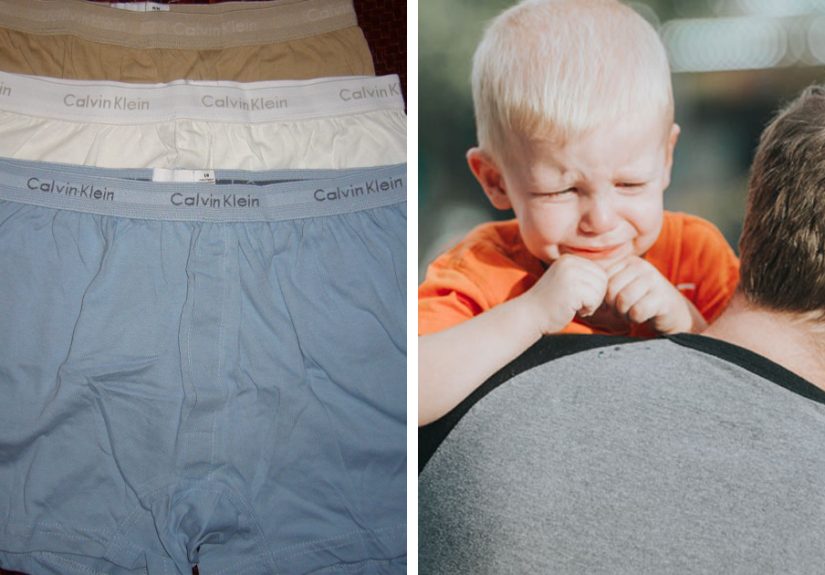
One of the internet’s funniest truths is also one of its wisest: good underwear can improve your whole day in a way that is wildly out of proportion to its size. Comfort is not frivolous when it is literally following you around all day.
19. Work chairs and desks
If you work from home or sit for long stretches, poor setup costs more than money. It can cost focus, energy, and physical comfort. This is one of those categories where daily use turns a smarter purchase into a strong return.
20. A suit that actually fits
A tailored suit does not need to be absurdly expensive to look dramatically better than a cheap off-the-rack compromise. For weddings, interviews, and formal events, fit changes everything. Confidence has real value.
21. Toilet paper
Yes, this answer appears every time, and yes, it is hilarious. But it is also true. There is a point where trying to save on toilet paper stops being practical and starts feeling like self-inflicted hostility.
22. Couponing just to coupon
Coupons are great when they lower the price of something you already planned to buy. They are not great when they trick you into buying six bottles of glitter ranch dressing because the discount felt emotionally persuasive.
23. Driving across town to save pocket change
Extreme bargain-hunting can fail basic math. If the gas, time, hassle, and wear on your car outweigh the savings, you did not score a deal. You just spent forty minutes to save eighty-seven cents and a little dignity.
24. Cheap vacations that ruin the vacation
Being budget-conscious while traveling makes sense. Turning a trip into a marathon of bad meals, miserable sleeping arrangements, and stressful logistics just so you can say you spent less? That misses the point entirely.
25. Tools you use all the time
Not every tool needs to be premium. But if you use something often, a sturdier version that works properly can save frustration, replacements, and accidental DIY swearing. Frequent-use items deserve better than disposable nonsense.
26. A decent dishwasher or efficient appliance
Sometimes the “old-school cheap” habit is actually less efficient. In many households, using better appliances well can save time, reduce waste, and make the routine parts of life less annoying. That counts for a lot.
27. Childcare and support for your kids
Few people online are gentle about this one, and honestly, fair enough. Refusing to spend appropriately on your children’s needs is not frugal. It is neglect wearing a budgeting spreadsheet.
28. Replacement cycles for things you truly use daily
There is a difference between using things fully and using them past the point where they no longer function well. Sometimes the frugal move is replacing the worn-out item before it wastes more of your time and energy.
29. Paying for expertise
There are moments when a qualified professional saves you from expensive trial and error. Mechanics, contractors, doctors, and specialists are not always cheap, but expertise can be the faster and ultimately cheaper path.
30. Your time, comfort, and peace of mind
This is the answer hiding underneath all the others. Frugality that steals hours, creates constant stress, or lowers your quality of life for tiny savings is not a win. Money matters, but so does not making life harder than it already is.
The Real Lesson: Buy Cheap on Low-Stakes Stuff, Spend More on High-Impact Stuff
The internet is full of jokes about extreme penny-pinching, but the deeper point is surprisingly thoughtful. People are not saying you need to spend more on everything. They are saying that smart spending is often more frugal than blindly chasing the lowest price.
Store-brand cereal? Probably fine. A decent mattress, reliable tires, supportive shoes, solid dental care, and safe contact lenses? Those are not reckless splurges. They are examples of spending where the payoff shows up in comfort, safety, durability, and fewer expensive mistakes later.
That is the real difference between cheap and frugal living. Cheap asks, “What is the lowest price?” Frugal asks, “What gives me the best value over time?” One question saves pennies. The other can save your back, your car, your eyes, your roof, and your weekend.
Extra Experiences: What This Looks Like in Real Life
One of the clearest examples is shoes. Plenty of people have gone through the cycle of buying inexpensive pairs because the price feels painless in the moment. Then six months later, the soles are worn down, the support is gone, and the shoes somehow look tired enough to need a nap. After repeating that three or four times, many people realize they could have bought one solid pair and been better off physically and financially. The expensive part was not the better shoe. The expensive part was having to keep starting over.
The same thing happens with mattresses and pillows. Someone spends years waking up stiff, blaming age, stress, work, the moon, Mercury in retrograde, or all of the above. Then they finally replace the sagging mattress or invest in a pillow that actually supports their neck, and suddenly sleep stops feeling like a nightly argument. It is hard to measure the value of better sleep until you have it. Once you do, the idea of cheaping out there feels a little unhinged.
Car maintenance is another classic lesson in delayed cost. Skipping routine service can feel harmless because nothing dramatic happens immediately. That is exactly why the habit sticks. But later, when a neglected problem turns into a giant repair bill, people realize they were never saving money at all. They were borrowing trouble at a high interest rate. The same logic applies to dental care. A cleaning or checkup may feel easy to postpone, right up until the postponed problem starts throbbing on a Friday night.
Then there is the time-cost trap, which sneaks up on even very careful budgeters. Driving across town for a tiny discount, chasing every coupon regardless of need, or spending hours trying to save a few dollars can create the illusion of winning. But when people step back and look at the time burned, the stress added, and the unnecessary purchases made along the way, they often realize they were optimizing for the wrong thing. Frugality works best when it supports your life, not when it turns every errand into a side quest.
Maybe the most relatable experience of all is realizing that some purchases simply make daily life less irritating. Better underwear. Decent toilet paper. A work chair that does not attack your spine. A tool that actually works the first time. None of these items sounds glamorous in a budget spreadsheet, but they can make a normal day run more smoothly. And that matters. A lot of the “worth the money” conversation is really about avoiding friction. When a purchase reduces discomfort, prevents repeat spending, and gets used constantly, it stops being a splurge and starts looking like common sense.
That is why the smartest frugal people are not usually the ones bragging about spending the absolute least. They are the ones who know where to cut back ruthlessly and where to open the wallet without guilt. They skip what does not matter, buy carefully where it does, and understand that the cheapest option is only a bargain when it actually holds up. That is not anti-frugal. That is frugality with a functioning brain.
Conclusion
If this list proves anything, it is that frugality taken too far usually stops being about saving money and starts being about tolerating worse outcomes. The smarter move is not to spend more across the board. It is to identify the categories where paying for quality, safety, durability, or expertise creates better long-term value.
So yes, clip the coupon. Compare prices. Buy generic when it makes sense. But also remember: the truly frugal choice is often the one that lasts longer, feels better, wastes less time, and keeps small problems from turning into expensive disasters. Or, to put it another way, being good with money should not require sleeping on a tortilla of a mattress while driving on bargain tires to save nine cents on milk.