Table of Contents >> Show >> Hide
- Why Pediatric Eye Exams Matter
- Vision Screening vs. a Comprehensive Eye Exam
- When Should Children Have Their Eyes Checked?
- What Happens Before the Exam?
- What Actually Happens During a Pediatric Eye Exam?
- How Long Does the Visit Take?
- How to Prepare Your Child
- What Might the Doctor Find?
- Signs You Should Not Wait for the Next Routine Check
- Real-Life Experiences: What Pediatric Eye Exams Often Feel Like
- Conclusion
- SEO Tags
Taking a child to an eye exam can feel a little like bringing a squirrel to a piano recital. You hope for the best. You prepare for chaos. You pack snacks just in case. The good news is that pediatric eye exams are built for real kids, not tiny adults who politely read an eye chart and never wiggle.
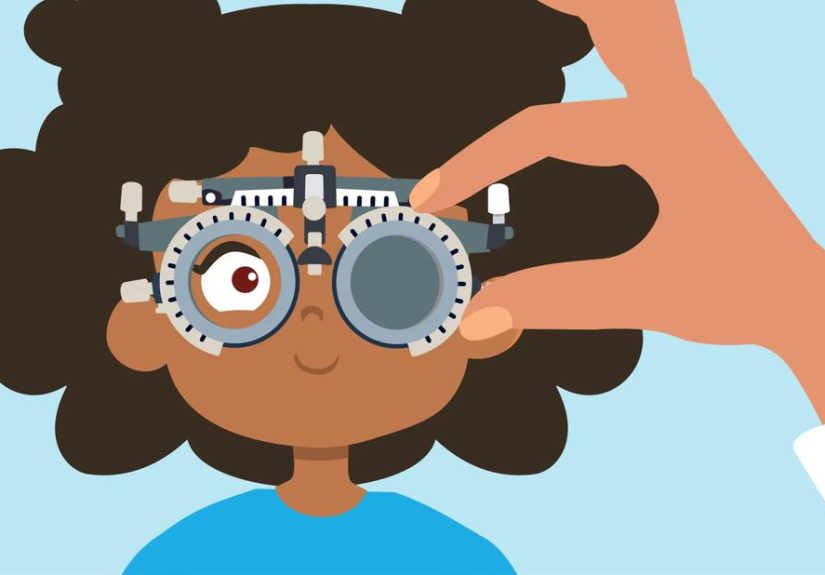
A pediatric eye exam is designed to meet children where they are developmentally. That means babies do not have to identify letters, toddlers do not need a PhD in cooperation, and school-age kids are not expected to sit still like museum statues. Eye doctors who work with children use age-appropriate tests, playful prompts, bright targets, pictures, matching games, and a healthy dose of patience to figure out how your child sees and whether their eyes are healthy.
If you have ever wondered what actually happens at a pediatric eye exam, when your child needs one, whether dilation drops are involved, or why a failed school screening does not automatically mean glasses, this guide walks you through it all. Consider it your calm, practical, parent-friendly roadmap.
Why Pediatric Eye Exams Matter
Children do not always realize they have a vision problem, and that is part of the challenge. If blurry vision is all they have ever known, they may assume everyone sees the whiteboard like an impressionist painting. Some eye conditions also do not cause obvious symptoms early on. That is why pediatric vision screenings and comprehensive eye exams are so important.
Clear vision supports learning, reading, hand-eye coordination, depth perception, classroom participation, sports, and everyday confidence. Vision problems can sometimes look like trouble focusing, avoiding homework, frequent headaches, clumsiness, or a mysterious dislike of anything involving small print. In other words, the issue is not always “my child cannot see.” Sometimes it is “my child melts down every time reading starts.”
Early detection matters especially for conditions such as amblyopia, strabismus, and refractive errors. Amblyopia, often called lazy eye, develops in childhood and can become harder to treat later if it is missed early. That is one reason vision checks in the preschool years get so much attention.
Vision Screening vs. a Comprehensive Eye Exam
This is the distinction that trips up a lot of parents, so let’s clear it up. A vision screening is not the same as a comprehensive eye exam.
A vision screening is a quick check meant to identify children who may need more evaluation. It may happen at a pediatrician’s office, school, community program, or well-child visit. A screening can catch possible concerns, but it does not diagnose the problem or create a treatment plan.
A comprehensive eye exam is performed by an eye doctor, usually an ophthalmologist or optometrist, and it goes much deeper. This is the visit where the doctor can diagnose specific conditions, determine whether glasses are needed, check how the eyes work together, and examine the health of the eye itself.
So if your child fails a screening, do not panic. A failed screening is a referral, not a final verdict. It means your child needs the full detective work, not that they are automatically heading home in superhero frames.
When Should Children Have Their Eyes Checked?
The exact schedule can vary depending on your child’s age, risk factors, symptoms, and which professional guidance your family follows. In general, children should have their eyes checked starting in infancy and then monitored regularly through well-child care and school years.
In babies and infants
Newborns usually have basic eye checks soon after birth. During infancy, pediatricians continue monitoring eye health and visual development during routine visits. Many eye-care professionals also recommend a baseline comprehensive eye exam in the first year of life, especially between 6 and 12 months.
In toddlers and preschoolers
This is the golden window for catching problems that can affect visual development. Children ages 3 to 5 should have their vision checked at least once to look for amblyopia or its risk factors. If your child has symptoms, a family history of childhood eye problems, developmental concerns, prematurity, or failed a screening, they may need a full eye exam sooner.
In school-age children
School-age kids still need regular vision checks because their eyes can change quickly. If they already wear glasses, complain of headaches, squint a lot, sit too close to screens, struggle with reading, tilt their head, or cover one eye, it is smart to schedule a comprehensive exam. Routine screening alone may miss issues involving focusing, eye teaming, or subtle prescription changes.
What Happens Before the Exam?
Before any bright lights or fun-shaped charts come into play, the visit usually starts with a history. Expect questions about:
- Any current symptoms, such as squinting, headaches, or blurred vision
- Pregnancy and birth history, especially prematurity or NICU stays
- Developmental history
- Past eye injuries or eye infections
- Whether your child has failed a vision screening
- Family history of glasses, amblyopia, strabismus, cataracts, or eye disease
This part may feel simple, but it matters. Family history and early medical history can help the doctor decide which risks deserve a closer look.
What Actually Happens During a Pediatric Eye Exam?
Here is the part most parents want to picture in advance. A pediatric eye exam is not one single test. It is a series of age-appropriate checks that work together to answer a few big questions: How well does your child see? Do the eyes focus and work together properly? Are the eyes healthy?
1. Visual acuity testing
This is the “how clearly can you see?” portion. The method depends on age.
- Babies: The doctor may see how they fix and follow a toy, light, or face.
- Toddlers and preschoolers: They may use pictures, symbols, or matching games instead of letters.
- Older children: They may read a traditional eye chart with letters or shapes.
If your child cannot read yet, that is not a problem. Pediatric eye care has been preparing for that exact plot twist for a very long time.
2. Eye alignment and movement testing
The doctor checks whether the eyes point in the same direction and move together the way they should. This may involve cover-uncover testing, tracking a target, or watching how the eyes respond when one eye is briefly covered.
This helps detect strabismus, poor eye teaming, and other binocular vision issues. Sometimes parents first notice these problems because a child turns their head, closes one eye in bright light, or seems oddly bad at catching a ball that is coming directly toward them.
3. Pupil response and red reflex
A light may be used to see how the pupils react and to look for the red reflex, which can reveal whether light is passing normally through the eye. This part helps screen for concerns involving the cornea, lens, or retina.
For parents, it can look like the doctor is just shining a light and peering thoughtfully. In reality, they are gathering useful information fast.
4. Refraction to check for glasses
This is the part that helps determine whether your child needs a prescription and what kind. In older kids, the doctor may use lenses and ask which view looks clearer. In younger children, the doctor may use instruments such as a retinoscope or autorefractor to estimate the prescription without needing much verbal feedback.
That is one of the coolest things about pediatric eye care: a child can be preverbal, skeptical, sticky, and still get a meaningful prescription assessment.
5. Dilation drops
Many first-time and yearly pediatric eye exams include dilation. Eye drops are placed in the eyes to widen the pupils and relax focusing. This allows the doctor to get a better look inside the eyes and a more accurate measurement of refractive error.
Here is the honest parent briefing: the drops can sting briefly. Usually it lasts seconds, not an entire Shakespearean tragedy. After that, it often takes about 30 to 60 minutes for the drops to work. During this time, your child’s near vision may get blurrier, and bright light may feel extra bright.
That is why some clinics offer sunglasses on the way out, and why your child may suddenly act as though the parking lot is the surface of the sun. This is temporary.
6. Slit lamp and eye health exam
The doctor may examine the front and back parts of the eye with specialized equipment. Older kids may put their chin on a rest and look into a microscope-like device called a slit lamp. Younger children may be examined with portable tools or while sitting on a parent’s lap.
This part checks for structural or medical issues, not just vision clarity. It is how the doctor looks for concerns involving the eyelids, cornea, lens, optic nerve, and retina.
7. Additional testing when needed
Depending on the situation, the doctor may also check depth perception, color vision, eye pressure, or use instrument-based screening technology. Very young children or children with special medical needs may have a modified exam. In rare cases, detailed testing under anesthesia may be needed, but that is not the routine experience for most children.
How Long Does the Visit Take?
A straightforward pediatric eye exam may take under an hour, but dilation can stretch the visit longer. Some clinics move quickly, while others give more time for younger children who need snack breaks, emotional processing, or dramatic resistance to eye drops. Bring patience, and if your child has a favorite comfort item, bring that too.
How to Prepare Your Child
A little preparation can make the visit much smoother.
- Explain that the doctor is going to see how their eyes work, not “do anything scary.”
- Tell them they may look at lights, pictures, or letters.
- Let them know eye drops might sting for a moment and then be all done.
- Schedule the visit at a time when your child is usually fed and rested.
- Bring current glasses, school screening results, and any past eye records.
- Pack water, a small snack, wipes, and sunglasses or a hat for after dilation.
For preschoolers, role-playing can help. Pretend to be the eye doctor at home and have your child “look at the silly picture” or “keep their chin still like a statue.” Children love rehearsal when it comes disguised as a game.
What Might the Doctor Find?
Not every pediatric eye exam ends with glasses, but glasses are certainly one common outcome. Other findings may include:
- Myopia, hyperopia, or astigmatism: common refractive errors that affect focus
- Amblyopia: reduced vision in one eye because the brain favors the other
- Strabismus: eyes that do not line up properly
- Eye teaming or depth perception problems: especially noticeable with reading or close work
- Medical concerns: such as cataracts, eyelid issues, or other structural findings that need follow-up
Treatment depends on the diagnosis. It might be glasses, monitoring, patching, atropine drops, vision-related follow-up, or referral to a pediatric ophthalmologist.
Signs You Should Not Wait for the Next Routine Check
Call sooner if you notice any of the following:
- Eyes that stay crossed or drift regularly after infancy
- A white or gray appearance in the pupil
- Frequent squinting or shutting one eye
- Head tilting to see better
- Headaches or eye pain, especially after reading
- Sitting extremely close to screens or books
- Constant tearing, redness, or discharge
- Light sensitivity that seems unusual
- Droopy eyelid
- Difficulty tracking objects, poor coordination, or a sudden change in school performance
Trust your gut here. Parents often notice subtle changes before anyone else. If something seems off, it is worth asking.
Real-Life Experiences: What Pediatric Eye Exams Often Feel Like
The following examples are composite experiences based on common pediatric eye exam situations.
The baby visit: A parent walks in worried because their 8-month-old seems to look past toys and occasionally drifts one eye outward in photos. The exam turns out to be much less dramatic than expected. The doctor watches how the baby tracks a light, checks pupil responses, shines a light to examine the red reflex, and uses drops for dilation. The baby fusses for a moment during the drops, recovers after being held, and then spends the waiting period trying to chew a toy ring. The doctor explains that some early visual behaviors are normal, but in this case the baby needs follow-up because the alignment concern is worth watching closely. The parent leaves relieved, not because everything is magically perfect, but because there is now a plan.
The preschool surprise: A 4-year-old fails a school vision screening, and the family panics a little. They picture thick glasses, a serious diagnosis, and a lifetime of eye patches before lunch. At the eye clinic, the child does not read letters yet, so the doctor uses matching symbols and picture-based charts. There is a cover test, some funny lights, and a machine that looks suspiciously like a robot from a friendly cartoon. After dilation, the doctor finds a meaningful refractive error and mild amblyopia risk. The result is glasses, not doom. Two months later, the child is identifying shapes faster, stumbling less, and suddenly interested in details on books they used to ignore. The parent’s biggest regret becomes not going sooner.
The school-age mystery: A second grader keeps complaining about headaches after homework and starts rubbing their eyes during reading time. Everyone first suspects too much screen time, ordinary tiredness, or a strategic attempt to avoid spelling practice. The comprehensive exam reveals that distance vision is fine, but focusing and alignment during near work are not as smooth as they should be. The child may need a prescription, closer monitoring, or additional guidance from the eye doctor depending on the findings. What seemed like a behavior issue turns out to have a very real visual component. That can be a game changer for the child and a huge perspective shift for the adults.
The emotional side: For many families, the most memorable part of a pediatric eye exam is not the chart or the lenses. It is the moment when a child realizes that the world can look sharper. Sometimes it is subtle, like noticing leaves on a tree separately instead of as one big green blob. Sometimes it is funny, like loudly announcing that the waiting room carpet “has tiny squares.” Sometimes it is unexpectedly emotional for the parent, who suddenly replays months of missed clues in their head. That reaction is common. The better response is not guilt. It is gratitude that the issue was found.
The bottom line from real experiences: Pediatric eye exams are rarely as scary as parents imagine and often far more useful than they expect. Most visits involve simple, noninvasive testing tailored to the child’s age. The hardest part is often getting through the eye drops and waiting for dilation. After that, families usually leave with something valuable: reassurance, a diagnosis, a plan, or a much better understanding of how their child sees the world. And honestly, that is a pretty good return on one afternoon, even if somebody cries in the parking lot and demands crackers.
Conclusion
Pediatric eye exams are not just about checking whether a child needs glasses. They are about making sure visual development is on track, catching hidden problems early, and protecting the skills kids need for learning, play, coordination, and confidence. The exam itself is usually far more child-friendly than parents expect, with tests adapted to age, attention span, and developmental level.
If your child failed a screening, has symptoms, or simply has never had a full eye exam and you have concerns, do not wait for the problem to introduce itself more dramatically later. Early care gives children the best chance to see clearly and develop comfortably. In pediatric eye care, sooner is often simpler.