Table of Contents >> Show >> Hide
- What Is the Paulistano Armchair?
- The Story Behind the Paulistano Armchair
- Why the Design Still Feels Fresh
- Materials and Finishes
- Is the Paulistano Armchair Comfortable?
- How to Style the Paulistano Armchair
- Buying Considerations Before You Choose One
- Care and Maintenance
- Why Designers Love the Paulistano Armchair
- Real-Life Experience With the Paulistano Armchair
- Conclusion
The Paulistano Armchair is the kind of chair that walks into a room before you do. It is slim, sculptural, relaxed, and quietly confidentbasically the furniture equivalent of someone who owns one perfect black jacket and somehow always looks better than everyone else at dinner. Designed in 1957 by Brazilian architect Paulo Mendes da Rocha, the Paulistano Armchair has become one of the most recognizable modern lounge chairs in the world, admired for its graceful steel frame, sling-style seat, and rare ability to look both architectural and comfortable.
At first glance, the Paulistano looks almost too simple: one continuous steel frame, a suspended cover, and a low-slung posture that says, “Please sit, but also please admire me first.” Yet that simplicity is exactly why the chair has lasted. It belongs to the world of Brazilian modernist furniture, but it does not feel trapped in the 1950s. Place it in a minimalist apartment, a warm mid-century living room, a bright reading corner, or a design-forward office, and it still feels fresh.
This guide explores the history, design, materials, comfort, styling potential, and real-life ownership experience of the Paulistano Armchair. Whether you are researching a design classic, decorating a home, or trying to understand why one lounge chair can make design lovers suddenly speak in museum voices, this article will help you see what makes the Paulistano special.
What Is the Paulistano Armchair?
The Paulistano Armchair is a modern lounge chair designed by Paulo Mendes da Rocha for the living rooms of the Club Athletico Paulistano in São Paulo, Brazil. Mendes da Rocha was not simply designing a chair as an isolated decorative object. He was creating furniture that belonged to an architectural environment, and that connection explains much of the chair’s personality.
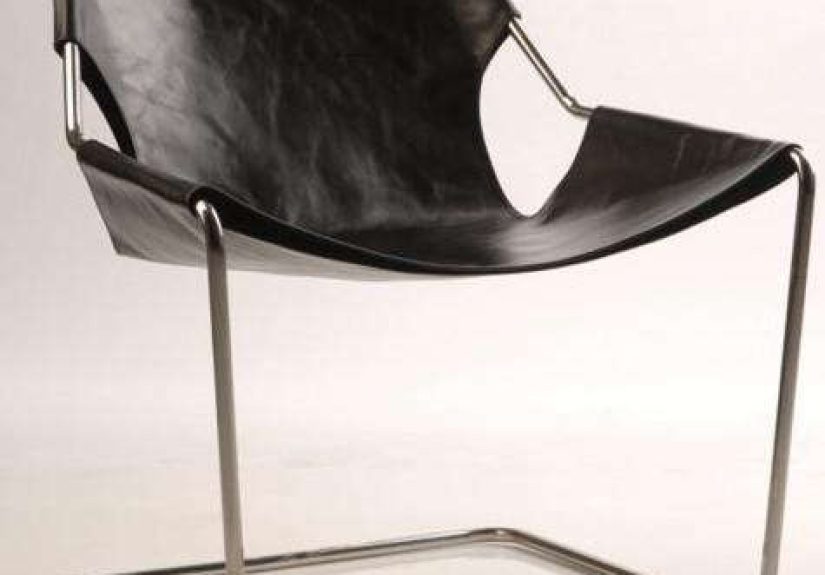
The chair is built around a simple but clever idea: a single bent steel bar forms the structure, while a sling-style cover creates the seat and backrest. The result is a chair that appears visually light but feels grounded. It is strong without looking bulky, elegant without looking fragile, and casual without looking lazy. That is a hard combination to pull off, which is why so many chairs tryand quietly fail.
Today, the Paulistano is produced in several versions, including leather, cotton canvas, and steel mesh covers. Depending on the finish, it can read as warm and residential, crisp and modern, or slightly industrial. The same basic shape can behave differently in different rooms, which gives the chair impressive design range.
The Story Behind the Paulistano Armchair
To understand the Paulistano Armchair, it helps to know a little about Paulo Mendes da Rocha. He was one of Brazil’s most important modern architects and received the Pritzker Architecture Prize in 2006. His work is often associated with bold structure, exposed materials, social purpose, and a strong sense of place. In other words, he was not the kind of designer who added curves because “curves are cute.” Every line had work to do.
The Paulistano was designed in 1957 for the Club Athletico Paulistano, a social and athletic club in São Paulo. Rather than choosing generic lounge furniture for the club’s interiors, Mendes da Rocha designed a chair that reflected the same structural intelligence as his architecture. The frame’s continuous steel form and suspended cover echo the logic of modern construction: economy, tension, balance, and openness.
That architectural DNA is one reason the chair feels so timeless. Many furniture pieces from the mid-20th century are charming because they look vintage. The Paulistano is different. It looks modern because its concept is modern. It is not trying to imitate a period style. It is simply solving a problem with elegance.
Why the Design Still Feels Fresh
The Paulistano Armchair has endured because it avoids unnecessary decoration. There are no carved legs, no overstuffed cushions, no dramatic tufting, and no design gimmick waving its arms for attention. Instead, the chair relies on proportion, material tension, and negative space.
A Single Steel Line Does the Heavy Lifting
One of the most famous features of the Paulistano is its continuous steel frame. This frame gives the chair its recognizable silhouette: a gentle curve that supports the body while keeping the structure visually open. The frame looks almost like a drawing in space, which is exactly why designers love it. It defines volume without filling the room with mass.
This matters in real interiors. Heavy lounge chairs can make a room feel crowded, especially in apartments or smaller living spaces. The Paulistano offers the comfort of a lounge chair without the visual weight of a recliner. It gives you a place to read, think, sip coffee, or pretend you are reading while actually scrolling your phonebut it does not swallow the floor plan.
The Sling Seat Adds Comfort and Character
The cover of the Paulistano acts like a suspended sling. It supports the sitter through tension rather than thick padding. This creates a relaxed, slightly reclined posture that feels more like settling into a hammock than perching on a formal chair. The effect is casual but refined.
The sling cover also changes the chair’s personality depending on the material. Leather brings warmth, patina, and a luxurious feel. Cotton canvas feels lighter, softer, and more casual. Steel mesh gives the chair a sharper architectural edge and can work especially well in outdoor or highly contemporary settings. The frame may be the skeleton, but the cover is the wardrobe.
Materials and Finishes
The Paulistano Armchair is typically associated with steel and a sling cover, but the available material combinations give buyers and decorators several options. Choosing the right version depends on how the chair will be used, where it will live, and whether your room needs softness, contrast, or a little design drama.
Leather Paulistano Armchair
The leather Paulistano is perhaps the most iconic version for many interiors. Full-grain or vegetable-tanned leather develops character over time, which means the chair can become more beautiful with use. Small marks, soft creases, and a deeper color tone are not defects; they are the chair keeping a diary.
A cognac or natural leather cover works beautifully in warm interiors with wood, linen, wool rugs, and soft neutral walls. Black leather feels more urban and graphic, especially when paired with concrete, stone, chrome, or modern art. Leather is also a strong choice if you want the chair to feel like a long-term investment piece rather than a seasonal accent.
Cotton Canvas Paulistano Armchair
The cotton canvas version has a more relaxed personality. It can make the chair feel lighter, friendlier, and less formal. Canvas is useful in coastal homes, sunrooms, casual living rooms, creative studios, and spaces where leather might feel too serious. It also offers opportunities for color, which can be helpful if you want the Paulistano shape without committing to a dark or heavy visual tone.
Canvas covers can often be removed or replaced, depending on the model and manufacturer, which makes this version practical for people who like to refresh their interiors over time. Think of it as a design classic with a changeable outfit.
Steel Mesh Paulistano Armchair
The steel mesh version pushes the chair toward sculpture. It has a stronger industrial quality and can feel especially appropriate in modern patios, galleries, lofts, and architectural homes. While it may not offer the same soft warmth as leather or canvas, it brings a striking visual rhythm and a sense of durability.
This version is ideal when the goal is not just comfort but presence. It says, “Yes, I am a chair, but I also understand structural engineering.”
Is the Paulistano Armchair Comfortable?
Comfort is where many famous design chairs get nervous. Some iconic chairs are beautiful in the same way high-fashion shoes are beautiful: wonderful to look at, questionable after 20 minutes. The Paulistano performs better than that. Its sling seat allows the body to recline naturally, and the flexible relationship between frame and cover gives it a relaxed feel.
That said, it is not a plush TV recliner, and it does not try to be. The Paulistano is best for reading, conversation, lounging, and enjoying a slower moment. It is supportive but not heavily cushioned. People who love soft, enveloping furniture may want to add a small pillow or sheepskin throw. People who prefer a firmer, hammock-like lounge posture will likely appreciate the chair as it is.
Seat height is generally low, which contributes to the lounge experience. This makes it excellent beside a low coffee table or in a relaxed seating group. However, very tall users or people who prefer upright chairs may want to test it before buying. Good design is still personal; even a museum-worthy chair cannot magically adjust to every body type, no matter how charming it looks on Instagram.
How to Style the Paulistano Armchair
The Paulistano Armchair is flexible enough to work in many interiors, but it shines brightest when given breathing room. Because the frame is visually open, the chair benefits from being placed where its silhouette can be seen. Do not bury it behind a giant side table, a floor lamp, three baskets, and a plant that has chosen chaos. Let the line of the chair do its job.
In a Modern Living Room
Pair a leather Paulistano with a low sofa, a wool rug, and a simple coffee table. The chair’s curved steel frame can soften rooms with strong rectangular architecture. If your living room has clean white walls and minimal furniture, a cognac leather version adds warmth without clutter.
In a Mid-Century Inspired Space
The Paulistano works beautifully with mid-century pieces, but it keeps the room from becoming a time capsule. Pair it with walnut storage, globe lighting, ceramic vessels, and textured textiles. The chair’s Brazilian modernist background brings a slightly different energy from more familiar Scandinavian or American mid-century pieces, which can make the room feel more collected and less showroom-perfect.
In a Reading Corner
For a reading nook, place the Paulistano near a slim floor lamp and a small side table. Add a soft throw if the room needs warmth. The chair’s reclined posture makes it ideal for reading, especially when paired with natural light. Just be warned: it may also be ideal for reading two pages and then taking an accidental nap. This is not a flaw. This is a feature.
In an Office or Studio
The chair can add personality to a home office without looking overly casual. In a studio, architecture office, or creative workspace, it communicates taste without shouting. It is especially effective when used as a guest chair, thinking chair, or “I need to stare at the wall until the idea arrives” chair.
Buying Considerations Before You Choose One
Before investing in a Paulistano Armchair, consider scale, authenticity, materials, and use. The chair may look light, but it still needs enough space around it to feel intentional. Measure your room carefully, especially if you plan to place it near a sofa or coffee table.
Authenticity also matters. Because the Paulistano is a recognized design classic, buyers should look for authorized production, reputable dealers, and clear product information. A poorly made imitation may copy the silhouette but miss the engineering, proportions, material quality, and comfort that make the original special. In furniture, as in sandwiches, structure matters more than people admit.
Think carefully about the cover material. Leather is durable and expressive, but it may require conditioning and protection from harsh sunlight. Canvas is casual and often easier to refresh, but lighter colors may show stains. Mesh is visually striking and durable, but it creates a different sitting experience. The best choice is the one that matches your lifestyle, not just your mood at 11:47 p.m. while browsing design stores.
Care and Maintenance
The Paulistano Armchair is relatively simple to maintain, but the right care depends on the material. For leather, dust regularly with a soft cloth and avoid placing the chair in direct sun for long periods. Leather can dry, fade, or change tone when exposed to intense light. Occasional conditioning may help preserve suppleness, but always follow the manufacturer’s care instructions.
For cotton canvas, vacuum gently and address spills quickly. If the cover is removable, check whether it can be professionally cleaned or replaced. Avoid aggressive cleaning products, because they can damage fibers or alter the color. A chair this elegant deserves better than being attacked with random mystery spray from under the sink.
For steel frames, wipe with a dry or slightly damp cloth and avoid abrasive cleaners. If the chair is used outdoors, choose an appropriate outdoor version and follow the care guidance for weather exposure. Even strong materials appreciate a little respect.
Why Designers Love the Paulistano Armchair
Designers admire the Paulistano because it expresses a complete idea with very few elements. It is structurally honest, visually memorable, and easy to place in different types of interiors. It also carries a rich design story without feeling like homework. You do not need to know anything about Brazilian modernism to enjoy the chair, but once you learn the background, the design becomes even more interesting.
The Paulistano is also a lesson in restraint. In a world full of oversized furniture, novelty shapes, and trend-driven décor, it shows how powerful a single clear idea can be. The chair does not beg for attention. It earns it.
Real-Life Experience With the Paulistano Armchair
Living with a Paulistano Armchair is different from simply admiring one in a photo. Online, the chair is all silhouette: the perfect curve of steel, the relaxed sling, the effortless pose in a sunlit room. In daily life, you begin to notice smaller pleasures. The way the frame catches light in the morning. The way leather gradually softens where people sit most often. The way the chair seems to make even a messy room look more intentional, as if the laundry pile nearby is part of a conceptual installation. It is not, but thank you, Paulistano, for trying.
The first thing many people notice is that the chair changes the rhythm of a room. A bulky lounge chair often creates a destination: you sit, sink, and disappear. The Paulistano creates a pause. It invites you to recline, but it keeps the space visually open. This makes it especially useful in apartments or living rooms where every piece must work hard. You get a proper lounge seat without blocking sightlines or making the room feel stuffed.
In a reading corner, the Paulistano feels natural. Its low posture encourages a slower pace. Add a small table for a book and drink, and the setup feels complete. A leather version can feel cozy in the evening, especially with a throw over the back. A canvas version feels breezier and more casual during the day. The chair does not demand a matching set, which is one of its greatest strengths. It can stand alone and still feel connected to the room.
Guests often react to the chair before they sit in it. Some recognize it immediately. Others ask whether it is comfortable, usually with the cautious tone people reserve for beautiful objects that look expensive and possibly judgmental. Once seated, most people understand the idea. The sling supports the body differently from a padded armchair. It is not about puffiness; it is about suspension. The comfort is quiet and flexible rather than soft and marshmallow-like.
There are practical lessons, too. Placement matters. The Paulistano looks best when it has a little air around it, so squeezing it into a crowded corner weakens the effect. It also pairs better with low or medium-height tables than tall side tables. If you choose leather, expect natural aging. That patina is part of the appeal, but perfectionists should know that leather does not stay showroom-smooth forever. If you choose canvas, consider color carefully. Light canvas looks beautiful but may require more attention in a home with pets, kids, snacks, or adults who eat snacks with the confidence of toddlers.
After some time, the Paulistano becomes less of a statement piece and more of a daily companion. It is where you take calls, read, think, wait for coffee to cool, or sit for five minutes that somehow become thirty. The best design classics do not just photograph well; they earn their place through use. The Paulistano Armchair does exactly that. It brings history, architecture, comfort, and personality into the room without ever needing to raise its voice.
Conclusion
The Paulistano Armchair is more than a beautiful lounge chair. It is a compact piece of architectural thinking, a Brazilian modernist icon, and a practical seat that still feels relevant decades after its 1957 debut. Designed by Paulo Mendes da Rocha for the Club Athletico Paulistano, it proves that great furniture does not need excess. A single steel frame, a suspended cover, and a perfect sense of proportion are enough.
For homeowners, collectors, and design lovers, the Paulistano offers a rare mix of elegance and ease. It can dress up a living room, relax a reading corner, sharpen an office, or bring sculptural calm to a modern patio. Choose leather for warmth and patina, canvas for casual charm, or mesh for architectural edge. In every version, the chair remains unmistakably itself: light, intelligent, comfortable, and quietly iconic.