Table of Contents >> Show >> Hide
- Why a Freshly Painted Pantry Makes Such a Big Difference
- How to Create a Newly Painted and Reorganized Pantry Step by Step
- Design Ideas That Make a Pantry Look Better and Work Harder
- Common Mistakes to Avoid in a Pantry Makeover
- How to Keep a Newly Painted and Reorganized Pantry Looking Good
- Experiences From Living With a Newly Painted and Reorganized Pantry
- Final Thoughts
A newly painted and reorganized pantry does not sound dramatic on paper. It sounds practical. Responsible. Almost suspiciously adult. But in real life, it can feel like a tiny home makeover with outsized rewards. One weekend you are staring at a shelf of half-open pasta, mystery crackers, and a cinnamon jar from what appears to be the Jurassic era. The next, you open the pantry door and feel oddly powerful. The room looks brighter. The shelves make sense. Your snacks have an address. Life is not perfect, but the breadcrumbs are finally under control.
If your pantry has been doing the chaotic-neutral thing for a while, a simple refresh can change the way your kitchen works every single day. Fresh paint gives the space a cleaner, more intentional look, while smart organization makes cooking, grocery shopping, and meal prep much easier. The best part is that this project does not require a celebrity designer, a six-figure renovation budget, or a personal assistant dedicated solely to alphabetizing lentils.
In this guide, we will break down how to create a pantry makeover that is practical, attractive, and easy to maintain. From choosing the right pantry paint finish to organizing shelves by category, this article covers the ideas that make a newly painted and reorganized pantry feel less like a magazine fantasy and more like a system real people can actually live with.
Why a Freshly Painted Pantry Makes Such a Big Difference
Paint changes the mood of a pantry faster than almost anything else. Even if your shelves are already functional, a tired wall color or scuffed interior can make the whole area feel cramped, gloomy, or forgotten. A fresh coat of paint instantly brightens the space, highlights your storage containers, and makes the pantry look cleaner before you have even placed the first labeled bin back on a shelf.
That visual reset matters. Pantry organization tends to work best when the space feels worth maintaining. Once the walls are clean and the shelves look refreshed, you are more likely to keep the system going. In other words, paint is not just cosmetic. It is motivational. A nicely painted pantry quietly says, “Maybe let’s not throw twelve random sauce packets in here and call it a system.”
Paint First, Organize Second
If you are tackling both projects, always paint before you reorganize. Empty shelves give you a clean slate to patch holes, wipe away grease or dust, and reach corners without having to move fifty-seven jars of peanut butter. It also forces you to take inventory before you start buying containers, which is important because pantry organizers have a way of multiplying when nobody is watching.
Best Pantry Colors for a Clean, Timeless Look
The best pantry paint colors are usually light, calm, and easy to live with. Soft white, warm white, creamy beige, pale gray, muted sage, and light greige are all popular choices because they make small spaces feel open and help shelves look tidy. If you want personality, a dusty blue or soft green can make a pantry feel custom without overwhelming the room.
Darker colors can work beautifully too, especially in a larger walk-in pantry, but they need good lighting. A moody charcoal pantry may look glamorous online, but if it turns finding cumin into a cave expedition, the romance fades quickly.
Choose a Durable Finish
Because a pantry is close to kitchen traffic, splashes, fingerprints, and the occasional sticky shelf incident are part of the deal. A more durable finish, such as satin, pearl, eggshell, or semi-gloss depending on the surface, is usually easier to wipe down than a flat finish. Shelves, trim, and doors often benefit from an especially scrubbable coating. The goal is simple: you want a pantry that can survive real life, not just look good for one glorious afternoon.
How to Create a Newly Painted and Reorganized Pantry Step by Step
1. Empty Everything Out
Yes, everything. Not just the obvious clutter. Not just the embarrassing shelf. Everything. Pull out canned goods, spices, baking supplies, snacks, paper products, small appliances, and that one unopened jar you bought for a recipe in 2022 and never touched again.
Spreading everything out lets you see what you actually own. This is usually the moment when duplicates reveal themselves. Suddenly you discover three bags of panko, two almost-empty vanilla extracts, and enough chickpeas to outlast a minor apocalypse.
2. Declutter Ruthlessly but Sensibly
As you empty the pantry, sort items into keep, donate, relocate, and toss piles. Throw away anything stale, leaking, broken, infested, or clearly unusable. Be especially careful with damaged cans, unsealed packages, and products that look or smell off. Pantry dates can be tricky, since many “best by” labels refer more to quality than safety, but a reorganization is still the perfect time to get rid of foods you realistically will not use.
Donate unopened, in-date items you do not plan to eat. Relocate things that do not belong in the pantry at all. If your pantry has become part snack cabinet, part toolbox, part paper mountain, this is your chance to restore order and establish boundaries. Your pantry is a helpful kitchen zone, not a witness protection program for random household items.
3. Clean, Repair, and Prep the Space
Once the pantry is empty, vacuum crumbs, wipe shelves, scrub corners, and check for sticky spills. Fill nail holes or dents, sand rough spots, and clean surfaces well enough that new paint can adhere properly. If shelves are especially worn, consider shelf liner after painting, particularly in spots where jars, oils, or cans tend to scrape the finish.
4. Paint the Pantry
Now comes the satisfying part. Paint the walls, shelves, trim, or pantry door depending on your setup. A bright neutral can make a narrow pantry feel larger, while a soft color can make it feel more custom and less like a forgotten closet. If you want extra charm, you can paint the back wall a slightly different shade, add beadboard detail, or use chalkboard paint on one panel for grocery notes and reminders.
Give the paint enough time to cure before reloading the shelves. This part is hard because once a pantry looks pretty, the urge to put everything back immediately becomes intense. Resist. Let the finish set properly so your canned tomatoes do not leave tiny circular souvenirs in the new paint.
5. Create Pantry Zones
This is the secret sauce of pantry organization. Instead of placing items wherever they fit, group them by category and assign each group a home. Good pantry zones often include:
Breakfast: cereal, oatmeal, pancake mix, syrup, coffee, tea.
Baking: flour, sugar, baking soda, chocolate chips, vanilla, sprinkles if your house believes in joy.
Grains and pasta: rice, noodles, quinoa, breadcrumbs.
Canned goods: beans, tomatoes, soup, broth.
Snacks: crackers, bars, popcorn, nuts.
Condiments and oils: vinegar, sauces, dressings, cooking oils.
Meal helpers: taco kits, simmer sauces, boxed sides, quick dinners.
Paper and wrap: foil, parchment, sandwich bags, napkins if you keep them there.
Broad categories work better than ultra-specific ones. If you label one bin “round crackers with sea salt” and another “slightly sweet oat biscuits,” your system may be technically organized but emotionally exhausting. Simpler is better.
6. Put Everyday Items in Prime Real Estate
The most frequently used items should be the easiest to grab. Eye-level shelves are prime real estate for daily staples like cereal, lunch ingredients, snacks, coffee, and go-to dinner items. Less-used baking supplies or seasonal products can go higher up. Heavy items, bulk goods, and glass containers should live on lower shelves for safety and convenience.
This part is what makes a newly painted and reorganized pantry truly functional. It is not just about looking good. It is about reducing friction. If your most-used olive oil is trapped behind a waffle maker and three cans of pumpkin, your pantry is not helping.
7. Use Bins, Turntables, and Containers Strategically
Good pantry storage is not about buying every acrylic product on the internet. It is about using the right tools in the right places.
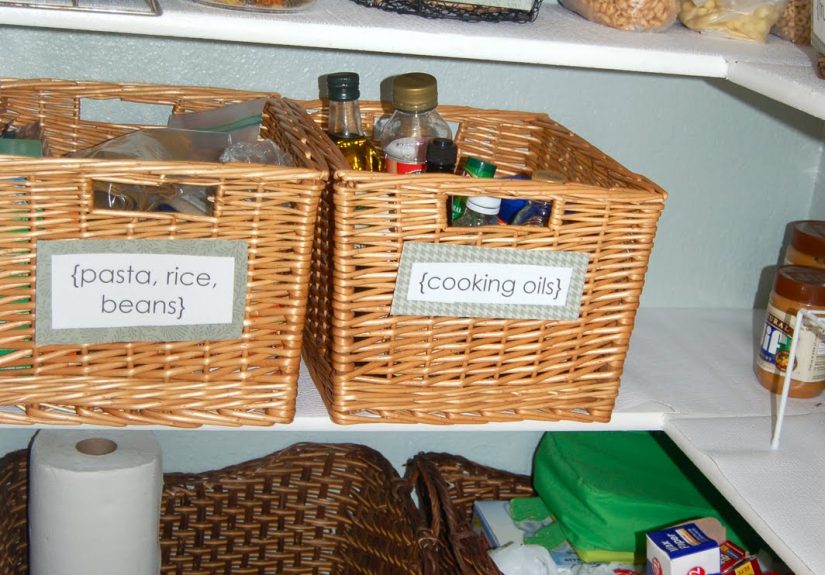
Clear bins work well for corralling categories like snacks, packets, or baking supplies. Turntables are excellent for oils, vinegars, condiments, or sauces, especially on deep shelves where items love to hide in the back like shy little introverts. Tiered risers help you see cans and jars. Pull-out style bins with handles can make deep shelves behave more like drawers. Stackable containers are useful for dry goods like pasta, rice, flour, and cereal if you want a cleaner look and easier visibility.
That said, do not decant absolutely everything just because it looks photogenic. Transfer foods that benefit from better visibility or freshness. Leave some items in their original packaging if that is more practical for your household. A reorganized pantry should feel easier, not more high-maintenance.
8. Label Like a Normal Human
Labels are helpful because they make it easier to find items, return them to the right place, and spot what is running low. But the best pantry labels are clear and broad, not fussy. Think “Snacks,” “Baking,” “Pasta,” or “Breakfast,” not “tiny imported noodles for one specific Tuesday mood.”
If your household changes products often, use erasable labels or simple removable tags. The point is to support the system, not trap yourself in one that stops working the second you switch brands.
9. Create a Back-Stock Area
If you buy in bulk, set up a separate back-stock space so extra items do not clog your main working pantry. This can be one labeled basket on a higher or lower shelf, or a nearby overflow cabinet if your pantry is small. Keep only the active, open, or everyday quantity in your main zone. Everything else gets parked in backup storage.
This small change makes a huge difference. Without a back-stock area, bulk buying can make a pantry look overstuffed even when it is technically organized. With one, the space stays calmer and easier to maintain.
Design Ideas That Make a Pantry Look Better and Work Harder
Add Better Lighting
Lighting is one of the most overlooked pantry upgrades. A battery puck light, LED strip, or door-activated light can make the whole pantry feel more polished and much easier to use. Good lighting also helps your fresh paint color do its job instead of disappearing into gloom.
Use the Door
The back of a pantry door is prime storage territory. Over-the-door racks can hold spices, wraps, packets, or small jars. Just avoid overloading the door so it becomes a clattering percussion instrument every time you open it.
Make Vertical Space Work Harder
Floating shelves, shelf risers, and stackable bins help you use height efficiently. If your shelves are adjustable, take time to customize the spacing. Tall cereal boxes do not need the same clearance as canned goods, and small gaps of unused vertical space add up fast.
Keep a Running List
A chalkboard panel, notepad, or small dry-erase board inside the pantry is surprisingly useful. When someone finishes the last box of pasta or the final granola bar vanishes under mysterious circumstances, it can go straight on the shopping list.
Common Mistakes to Avoid in a Pantry Makeover
Over-categorizing: The more complicated your system, the faster it falls apart.
Buying organizers before measuring: This is how people end up with beautiful bins that fit absolutely nowhere.
Ignoring maintenance: Even the prettiest pantry needs regular edits.
Keeping food you never eat: Guilt is not a storage strategy.
Using the wrong paint finish: A hard-working pantry needs something durable enough to wipe clean.
Stuffing shelves too full: An organized pantry still needs breathing room. If every inch is packed, finding things becomes harder and tidying becomes a chore.
How to Keep a Newly Painted and Reorganized Pantry Looking Good
The best pantry systems are maintained in small, boring, wonderfully effective ways. Spend five minutes each week putting items back in their zones. Wipe up spills quickly so they do not become sticky legends. Rotate foods occasionally so older items get used first. Do a light reset once a month and a more serious clean-out every season.
Also, shop for the pantry you actually have. If your shelves are compact, buying warehouse-sized everything may be the very thing that breaks your nice new system. A well-organized pantry is not about owning the most food. It is about being able to see, reach, and use what you have.
Experiences From Living With a Newly Painted and Reorganized Pantry
There is a special kind of satisfaction that comes from opening a pantry after it has been freshly painted and thoughtfully reorganized. At first, it almost feels too nice to touch. You open the door a little slower, like you are entering a tiny boutique dedicated entirely to snacks and common sense. The shelves look brighter. The cans line up like they suddenly got serious about their future. Even the everyday basics, like pasta, flour, and peanut butter, seem more cooperative when they are no longer jammed into random corners.
One of the first things people notice is how much calmer the kitchen feels. A messy pantry creates visual noise, even when the door is shut, because it usually spills into the rest of the room. You buy duplicates because you cannot find what you have. You leave items on the counter because the pantry is annoying to use. You avoid cooking certain meals because finding ingredients feels like an obstacle course. Once the pantry is painted and reset, those tiny frustrations start disappearing. You know where the rice is. The snacks stop avalancheing out at ankle level. Baking ingredients live together like mature adults.
Another surprisingly real experience is that grocery shopping gets easier. Instead of guessing, you can take one look and know what is low. Clear bins and broad labels reduce the “Do we have crackers?” debate to a three-second answer. Meal planning also becomes less chaotic because the pantry functions like a quick visual inventory. You can see your canned tomatoes, beans, pasta, broth, and spices in one sweep, which makes dinner decisions faster and reduces waste. It is not magic, but on a busy weeknight it feels suspiciously close.
There is also an emotional side to it. A newly painted pantry can make the whole kitchen feel more intentional, even if nothing else changed. It adds that little hit of order that makes a home feel cared for. In many houses, the pantry is one of those practical spaces that only gets attention when it becomes a disaster. Giving it fresh paint and a usable layout makes it feel less like a storage afterthought and more like part of the home’s design. It quietly says that function can be beautiful too.
And then there is the maintenance reality. The truth is, no pantry stays perfect forever. Life happens. Family members open things and put them back in creative new places. A half-eaten pretzel bag appears where the tea should be. Someone buys another bottle of vinegar because no one saw the first one hiding behind taco shells. But when the pantry has a clear system, recovery is faster. A quick reset takes minutes instead of becoming a full weekend project. That is the real luxury of a newly painted and reorganized pantry: not perfection, but resilience. It is easier to live with, easier to tidy, and far more likely to stay useful long after the makeover glow wears off.
In the end, a pantry refresh is one of those rare home projects that looks better, works better, and makes everyday life easier without demanding a full renovation. It is not flashy. It is not dramatic. But every time you open that door and find exactly what you need without wrestling a bag of stale tortilla chips, it feels like a tiny domestic victory. And honestly, we should take those where we can get them.
Final Thoughts
A newly painted and reorganized pantry is one of the smartest ways to improve your kitchen without tearing out cabinets or spending a fortune. Fresh paint gives the space a clean, finished feel. Thoughtful organization makes the room more efficient, more attractive, and less stressful to use. When you combine broad categories, easy-to-clean finishes, visible storage, and realistic maintenance habits, you get a pantry that looks good and actually stays that way.
If you have been waiting for a sign to tackle yours, this is it. Pick a great color, clear the shelves, build a system that matches the way your household really eats, and let your pantry finally become the helpful, handsome overachiever it was always meant to be.