Table of Contents >> Show >> Hide
- What Is National Battery Day?
- Why National Battery Day 2022 Mattered
- A Quick History: From Volta’s Pile to Pocket Power
- Battery Types You Probably Used in 2022
- Battery Safety Tips That Still Matter
- Battery Recycling: The Smart Way to Celebrate
- National Battery Day 2022 and Electric Vehicles
- Batteries and Renewable Energy Storage
- Simple Ways to Observe National Battery Day
- Common Battery Myths
- Experiences Related to National Battery Day 2022
- Conclusion: A Small Holiday With a Big Charge
National Battery Day 2022 was one of those wonderfully odd observances that sounds tiny at firstuntil you look around and realize nearly everything within arm’s reach is quietly depending on a battery. Your phone? Battery. Car key fob? Battery. Laptop, smoke alarm, electric toothbrush, watch, TV remote, power bank, cordless drill, gaming controller, hearing aid, flashlight, electric vehicle, and that mystery gadget in the junk drawer blinking for no reason at 2 a.m.? Batteries, batteries, batteries.
Celebrated every year on February 18, National Battery Day honors the birthday of Alessandro Volta, the Italian physicist whose early battery invention helped turn electricity from a fascinating laboratory trick into something humans could actually store and use. In 2022, the day carried extra meaning because batteries were no longer just “things that make remotes work.” They had become central to electric vehicles, renewable energy storage, emergency preparedness, consumer electronics, and the growing conversation about recycling and sustainability.
So yes, National Battery Day 2022 may not have come with a parade, confetti cannons, or a mascot dressed like a AA batterythough honestly, that would be excellent. But it did offer a useful reminder: modern life runs on stored energy, and understanding batteries helps us save money, stay safer, reduce waste, and appreciate a technology we usually ignore until it dies at the worst possible moment.
What Is National Battery Day?
National Battery Day is observed on February 18 each year to recognize the importance of batteries in everyday life. The date is tied to Alessandro Volta, who was born on February 18, 1745. Volta is widely credited with creating the first true electric battery, known as the voltaic pile, around 1800. His invention used alternating discs of zinc and copper separated by cloth or cardboard soaked in salt water, producing a steady electrical current.
That may sound simple today, but it was revolutionary. Before Volta, electricity was difficult to generate consistently. It existed in sparks, static shocks, and curious experiments. Volta’s battery gave scientists a repeatable source of current, opening the door to electrochemistry, electrical research, communications, transportation, medical devices, and eventually the rechargeable technology we rely on now.
The word “battery” itself had earlier electrical meanings, but Volta’s work helped define the battery as a device that stores chemical energy and converts it into electrical energy. More than two centuries later, we still use the word “volt” in his honor. Not bad for a guy whose invention eventually made it possible for people to panic at 3% phone battery in a grocery store checkout line.
Why National Battery Day 2022 Mattered
In 2022, batteries were at the center of several major trends. Electric vehicles were moving further into the mainstream. Homeowners were paying closer attention to backup power and solar storage. Businesses were investing in energy resilience. Consumers were buying more rechargeable devices than ever. At the same time, battery recycling, lithium-ion safety, and raw material supply chains were becoming serious national conversations.
National Battery Day 2022 was therefore more than a quirky calendar event. It was a chance to think about how batteries affect transportation, climate goals, household safety, emergency readiness, and even the economy. A car battery could be the reason you get to work. A smoke alarm battery could save a life. A grid-scale battery could help store solar power for use after sunset. A recycled battery could reduce the need for new mining. One small object, a lot of responsibility.
A Quick History: From Volta’s Pile to Pocket Power
The story of batteries begins with curiosity, disagreement, and a bit of scientific drama. In the late 1700s, Luigi Galvani observed that frog legs twitched when exposed to certain metals and electrical conditions. Galvani believed animal tissue produced a special kind of electricity. Volta disagreed and argued that the electricity came from contact between different metals. To prove his point, he built a stack of metal discs separated by salty material. The result was the voltaic pile.
That early battery was not exactly pocket-sized, and it would not have powered a smartwatch unless your smartwatch was the size of a soup can and came with a chemistry lab. But the principle was powerful: chemical reactions could create electrical energy. Over time, inventors improved battery design, safety, portability, and rechargeability.
Today, batteries come in many forms. Alkaline batteries power common household devices. Lead-acid batteries start cars and support backup systems. Nickel-metal hydride batteries are used in certain tools and hybrid vehicles. Lithium-ion batteries power phones, laptops, e-bikes, electric vehicles, and large energy storage systems. Each chemistry has strengths, weaknesses, safety rules, and recycling needs.
Battery Types You Probably Used in 2022
Alkaline Batteries
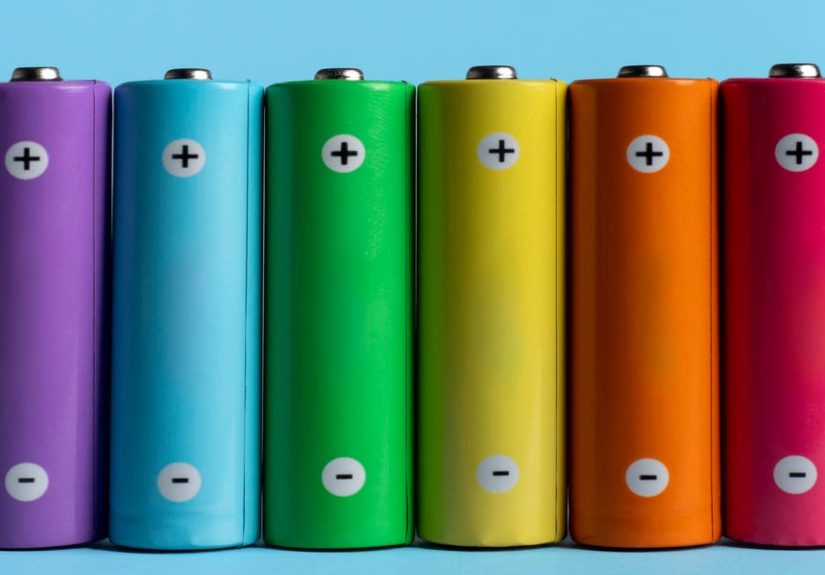
Alkaline batteries are the familiar AA, AAA, C, D, and 9-volt batteries found in flashlights, toys, clocks, remotes, and portable radios. They are convenient, affordable, and widely available. In many modern communities, single-use alkaline batteries can often be disposed of with regular trash, but recycling is still the better environmental choice when local programs accept them.
Lead-Acid Batteries
Lead-acid batteries are best known for starting gasoline-powered vehicles. They are heavy, reliable, and highly recyclable. In fact, lead batteries are often cited as one of the most recycled consumer products in the United States. Their recycling loop is a strong example of a circular economy: old batteries are collected, processed, and turned into materials for new batteries.
Lithium-Ion Batteries
Lithium-ion batteries are the stars of modern rechargeable technology. They are light, energy-dense, and powerful, which makes them ideal for smartphones, laptops, tablets, power tools, electric scooters, e-bikes, and electric vehicles. However, lithium-ion batteries require careful handling. If damaged, overheated, improperly charged, or thrown into the wrong waste stream, they can become a fire risk.
Button Cell Batteries
Button cells power small devices such as watches, hearing aids, remote controls, greeting cards, calculators, and medical devices. They are tiny, but they deserve big respect. Button batteries can be dangerous if swallowed, especially by children or pets. National Battery Day is a good reminder to secure small batteries and keep battery compartments tightly closed.
Battery Safety Tips That Still Matter
One of the most practical ways to celebrate National Battery Day 2022 was to check battery safety at home. Batteries are generally safe when used correctly, but careless storage or charging can create problems. The good news is that most battery safety habits are simple.
Use the Right Charger
Use chargers recommended by the manufacturer, especially for lithium-ion products. The wrong charger can deliver improper voltage or current, stressing the battery. That may shorten battery life, damage the device, or increase the risk of overheating. This is especially important for e-bikes, scooters, power tools, and large rechargeable packs.
Avoid Heat and Direct Sunlight
Batteries dislike extreme heat. Leaving a power bank, laptop, or spare battery in a hot car is a bad idea. Heat can accelerate chemical breakdown and increase fire risk in damaged or low-quality lithium-ion cells. Store batteries in a cool, dry place, away from direct sunlight and flammable materials.
Watch for Warning Signs
Stop using a rechargeable battery if it smells strange, changes color, leaks, bulges, gets unusually hot, makes odd noises, or no longer fits properly in the device. A swollen phone battery is not “just being dramatic.” It is a warning sign. Treat it seriously and follow local disposal guidance.
Protect Battery Terminals
Loose batteries can short-circuit if their terminals touch metal objects or other batteries. This is why many recycling programs recommend taping terminals, especially on lithium-ion and 9-volt batteries. A small strip of tape can prevent sparks, overheating, and fires during storage or transport.
Battery Recycling: The Smart Way to Celebrate
National Battery Day 2022 was a perfect excuse to finally deal with the battery graveyard in the junk drawer. You know the one: a chaotic little pile of AA batteries, mystery coin cells, old rechargeable packs, and one battery that may have been there since the flip-phone era.
Battery recycling matters because batteries contain valuable materials such as lead, lithium, cobalt, nickel, zinc, steel, copper, and plastic. Recovering those materials can reduce waste, conserve resources, and support domestic supply chains. Recycling also keeps certain batteries out of landfills and waste facilities where they may leak or create fire hazards.
The safest recycling method depends on the battery type and your local rules. Many hardware stores, municipal waste facilities, office supply stores, and battery retailers offer collection programs. Before recycling rechargeable batteries, tape the terminals or place each battery in a separate plastic bag. Do not place lithium-ion batteries in regular curbside recycling bins unless your local program specifically tells you to do so. Standard recycling trucks and sorting facilities are not designed for surprise battery fires.
National Battery Day 2022 and Electric Vehicles
By 2022, electric vehicles were no longer science-fiction props or niche products for early adopters. They were becoming visible on highways, in driveways, and in dealership conversations across the United States. Battery technology was one of the biggest reasons. Better lithium-ion battery packs helped improve driving range, charging performance, and vehicle reliability.
Still, EV batteries also raised important questions. Where do the raw materials come from? How can batteries be recycled at scale? Can old EV batteries be reused for stationary storage? How can the United States strengthen its battery supply chain? National Battery Day 2022 connected these questions to everyday awareness. The battery in a TV remote and the battery pack in an EV are very different, but both belong to the same larger story: stored energy is becoming a foundation of modern infrastructure.
Batteries and Renewable Energy Storage
Batteries are essential to the future of renewable energy because sunlight and wind do not always arrive exactly when electricity demand peaks. Solar panels can produce power during the day, but families still need electricity after sunset. Wind power may be strong at night but weaker during the afternoon. Battery energy storage helps smooth out those ups and downs.
Grid-scale batteries can store extra electricity and release it later, helping utilities balance supply and demand. Home battery systems can pair with solar panels to provide backup power during outages. Businesses can use batteries to reduce demand charges or improve resilience. In 2022, this connection between batteries and clean energy was becoming increasingly important. Batteries were no longer just portable power; they were becoming part of the electric grid itself.
Simple Ways to Observe National Battery Day
Check Your Smoke Alarms
A smoke alarm with a dead battery is basically wall decoration with commitment issues. National Battery Day is a great time to test smoke alarms and carbon monoxide detectors. Replace batteries if needed and follow the manufacturer’s schedule for replacing the entire device.
Inspect Your Car Battery
Cold weather and extreme heat can both be hard on car batteries. Check for corrosion on terminals, slow engine cranking, warning lights, or an older battery approaching the end of its service life. A five-minute inspection can prevent a deeply inconvenient morning involving jumper cables, regret, and a neighbor in pajamas.
Recycle Old Batteries
Gather used batteries from drawers, toolboxes, garage shelves, and forgotten electronics. Sort them by type if possible, protect the terminals, and take them to an approved drop-off site. This is one of the easiest and most meaningful ways to participate.
Switch to Rechargeables Where Practical
Rechargeable batteries can save money over time in high-use devices such as game controllers, wireless keyboards, flashlights, and camera gear. They are not ideal for every application, but when used properly, they reduce the number of single-use batteries you buy and throw away.
Teach Kids About Energy
National Battery Day can also be educational. A simple classroom or home activity can explain how batteries store chemical energy and turn it into electrical energy. Even a basic lemon battery experiment can spark curiosity. Yes, the lemon will not charge a laptop, but it can charge a young scientist’s imagination.
Common Battery Myths
Myth 1: All Batteries Can Go in the Trash
Not all batteries belong in household trash. Lithium-ion, rechargeable, button cell, and lead-acid batteries often require special handling or recycling. When in doubt, check local waste guidance.
Myth 2: A Bigger Charger Always Charges Faster
A more powerful charger is not automatically better. Devices and batteries are designed for specific charging limits. Using an incompatible charger can damage the battery or create safety risks.
Myth 3: Batteries Last Forever If You Do Not Use Them
Batteries self-discharge and age even when sitting unused. Old batteries can leak, corrode, or lose capacity. That emergency flashlight from 2014 deserves a wellness check.
Myth 4: Recycling One Battery Does Not Matter
One battery may seem tiny, but millions of small choices add up. Recycling helps recover materials, reduce waste, and protect workers in waste handling facilities. The humble AA battery is not too small to matter.
Experiences Related to National Battery Day 2022
One of the most relatable experiences connected to National Battery Day 2022 was the simple act of noticing how many batteries quietly support a normal day. Imagine waking up to a phone alarm, checking a smartwatch, unlocking a car with a key fob, driving to work with the help of a lead-acid starter battery, typing on a wireless keyboard, joining a video meeting on a laptop, using noise-canceling earbuds, and coming home to a TV remote. That is a full battery-powered journey before dinner, and most people barely think about it.
For many households in 2022, National Battery Day became a useful reminder to clean out drawers and storage bins. A lot of people discovered old batteries rolling around beside paper clips, birthday candles, expired coupons, and cables that belonged to devices nobody could identify. The experience was oddly satisfying: testing what still worked, recycling what did not, and finally removing that suspicious battery with crusty residue before it turned the drawer into a tiny science experiment.
Drivers also had their own battery-related experiences. Anyone who has turned a key on a cold morning and heard only a weak click understands the emotional power of a car battery. It is a small box under the hood, but when it fails, your entire schedule suddenly becomes a negotiation with fate. National Battery Day 2022 encouraged many drivers to check battery age, clean corrosion, and pay attention to slow starts before getting stranded in a parking lot with melting groceries.
Another common experience in 2022 involved rechargeable devices. More homes had cordless vacuums, rechargeable tools, power banks, electric scooters, and laptops working overtime. People learned that battery care is not just about charging to 100% and forgetting about it. It also means avoiding cheap replacement chargers, not charging large devices near exits, unplugging products when appropriate, and paying attention to swelling, overheating, or unusual smells. In other words, a little respect for lithium-ion batteries can prevent a lot of drama.
National Battery Day 2022 also connected with emergency preparedness. Families checked flashlights, radios, backup phone chargers, and smoke alarms. Some realized their “emergency battery supply” consisted of three dead AA batteries and one mystery 9-volt with no packaging. Others upgraded to rechargeable battery kits or portable power stations. The lesson was simple: batteries are easiest to appreciate before the storm, outage, or roadside emergency happens.
For environmentally minded consumers, the day offered a practical sustainability challenge. Instead of making a vague promise to “be greener someday,” people could do one specific thing: recycle batteries properly. That action may seem small, but it connects to a much larger system involving material recovery, safer waste handling, and reduced demand for newly mined resources. National Battery Day 2022 made sustainability feel less like a lecture and more like a weekend errand with real impact.
The best experience of National Battery Day may have been the realization that batteries are not boring. They are tiny chemical engines. They are safety tools. They are mobility enablers. They are part of the clean energy transition. They power toys, medical devices, cars, phones, homes, and entire sections of the electric grid. They also have the comedic timing to die exactly when the remote is across the room and the best part of the movie is about to start.
Conclusion: A Small Holiday With a Big Charge
National Battery Day 2022 reminded us that batteries are everywhere because they solve one of modern life’s most important problems: how to store energy and use it later. From Alessandro Volta’s voltaic pile to lithium-ion electric vehicle packs, the battery has evolved from a scientific breakthrough into a daily necessity.
The best way to honor the day is not complicated. Test your smoke alarms. Check your car battery. Use the right chargers. Store batteries safely. Recycle old batteries responsibly. Teach someone how batteries work. And maybe, just maybe, stop treating the junk drawer like a retirement home for expired power cells.
National Battery Day may not be the loudest holiday on the calendar, but it deserves attention. After all, without batteries, much of modern life would lose its chargeliterally.