Table of Contents >> Show >> Hide
- What Is Nate Berkus’s No-Cost Trick, Exactly?
- Why “Shopping Your Own House” Works So Well
- How to Use the Trick Step by Step
- Easy Room-by-Room Ways to Try It
- Common Mistakes to Avoid
- Why This No-Cost Design Trick Feels Especially Smart Right Now
- Experiences That Show Why This Trick Works in Real Life
- Final Thoughts
- SEO Tags
If your living room feels a little tired, your bedroom looks vaguely annoyed with you, and your entryway has all the charm of a dropped backpack, Nate Berkus has some comforting news: you may not need to buy a single thing. No new lamp. No trendy vase. No decorative object with an impossible name and a very possible markup.
The no-cost trick Berkus swears by is beautifully simple: shop your own house. In other words, stop looking at your home like it’s a finished product and start looking at it like it’s a personal design store where everything is already paid for. That mirror in the hallway? Maybe it belongs over the dresser. The ceramic bowl in the kitchen? It might be happier on the coffee table. The chair in the bedroom could be the exact missing piece in the living room. Sometimes the room does not need more stuff. It needs a better cast list.
What makes this idea so powerful is that it is not just frugal. It is smart design. Berkus’s philosophy is rooted in editing, rearranging, mixing materials, and telling your story through the pieces you already love. Instead of chasing a dramatic makeover, you create one by shifting perspective. That is good news for your budget, your creativity, and your sanity.
Here is how this no-cost decorating trick works, why it feels so effective, and how to use it to make any room look more stylish, personal, and pulled together.
What Is Nate Berkus’s No-Cost Trick, Exactly?
At its core, the trick is this: clear the room, reassess what you have, and restyle the space using items from other parts of your home. Berkus has talked about removing items from surfaces first, then looking around the house for artwork, family photos, ceramics, books, baskets, lamps, and even larger furniture pieces that might work better somewhere else.
This is not random redecorating. It is intentional repositioning. You are not tossing objects around your house like a caffeinated game show contestant. You are editing what is visible, creating balance, and letting familiar items do new work in a new place.
Think of it as a design reset with zero checkout screen involved.
Why “Shopping Your Own House” Works So Well
1. It breaks visual autopilot
One reason rooms start feeling stale is that your eye gets too used to them. You stop noticing what looks good, what feels crowded, and what no longer belongs. When you clear surfaces and move things around, you interrupt that visual routine. Suddenly, the room looks new enough for you to evaluate it honestly.
2. It reduces clutter without making a room feel empty
A lot of spaces feel “off” because they are over-decorated, not under-designed. Too many candles, too many small objects, too many little piles that are supposedly organized but still look suspiciously like chaos. Shopping your own house forces you to edit. It helps you display fewer things more intentionally, which almost always makes a room look calmer and more expensive.
3. It creates a more personal home
One of the biggest advantages of using what you already own is that your home stays yours. Instead of copying a showroom, you build a layered, collected look from pieces with actual meaning. Family photos, travel finds, heirlooms, favorite books, handmade pottery, and objects with history naturally make a room feel warmer than anything chosen just because it matched a trend report.
4. It improves function as well as style
Sometimes a piece is simply in the wrong place. A side chair may be wasted in a corner but perfect in a bedroom reading nook. A dresser may do more for an entry than a narrow console ever could. A lamp can soften a kitchen counter better than another appliance parked there like a shiny hostage. Rearranging your home often reveals not just what looks better, but what works better.
How to Use the Trick Step by Step
Step 1: Clear every surface
This is the part that sounds dramatic, and that is because it is. Remove the accessories from the coffee table, console, shelves, nightstands, countertops, and dressers. Keep the big furniture in place for the moment, but strip away the visual noise. Once the surfaces are blank, the room stops shouting and starts making sense.
This step matters because you cannot style thoughtfully on top of old clutter. A reset lets you notice shape, scale, balance, and negative space. It also reveals which items truly deserve a spot in the room and which ones were just squatting there.
Step 2: Walk your home like a designer
Now take a slow lap through the rest of your house. Look for pieces that could serve a fresh purpose elsewhere. Search for:
- Framed photos
- Books and decorative boxes
- Ceramic bowls, trays, and vases
- Small lamps
- Baskets and woven pieces
- Accent chairs or stools
- Mirrors and artwork
- Textiles such as throws or pillows
The goal is not to strip one room bare to save another. It is to rebalance your home so everything feels more intentional. Often one room has too many accessories while another has none. Your job is to redistribute the magic.
Step 3: Start with the biggest impact pieces
Before you style tiny objects, test larger moves. Pull the sofa slightly away from the wall. Shift a chair to create conversation. Move a mirror above a different surface. Swap two rugs if their sizes work. Rehang art in a better spot. These changes cost nothing and often transform the way a room flows.
If a room feels flat, the issue may not be the decor at all. It may be layout. Even moving furniture a foot or two can make a room feel more intimate, thoughtful, and finished.
Step 4: Mix materials, not just objects
When you begin styling surfaces again, avoid placing several pieces that all do the same thing visually. A good vignette usually includes contrast: something smooth, something textured, something reflective, something organic. Stack books beside a ceramic vase. Pair a wood box with a metal candlestick. Add a woven basket near glass or stone.
The room starts to feel rich not because it has more items, but because it has more variety. Texture is often the difference between a room that looks styled and a room that looks accidentally assembled.
Step 5: Leave breathing room
One of the easiest decorating mistakes is assuming every surface must be fully dressed. It does not. In fact, empty space is often what makes a room feel elegant. Negative space lets your favorite objects stand out. It gives the eye a place to rest. It keeps the home from feeling like it is trying too hard, which is usually the first sign that it is.
If your shelf looks crowded, remove half of what is on it and reassess. If your nightstand has become a tiny retail display, narrow it down to a lamp and one meaningful object. Curated beats crammed every time.
Step 6: Tell a story
Berkus’s design point of view has always leaned personal. The best rooms are not just pretty; they say something about the people who live there. That means mixing in photos, inherited pieces, travel souvenirs, favorite books, or objects that carry memory.
A room with personality feels more lasting than a room built only around trend pieces. A framed black-and-white photo on a bookshelf, a ceramic bowl picked up years ago on vacation, or a lamp that belonged to a grandparent can do more for a space than another generic decor purchase ever will.
Easy Room-by-Room Ways to Try It
Living room
Start by clearing the coffee table and side tables. Then test a new arrangement. Pull seating inward. Add a lamp from another room. Move books, a tray, or a bowl onto the coffee table, but stop before it looks like you are staging for an open house. A throw from the bedroom and a framed photo from the hallway can soften the space instantly.
Bedroom
Bedrooms benefit enormously from editing. Clear the nightstands. Remove the random receipt, the three empty water glasses, and the mystery hair tie that apparently pays rent there now. Replace clutter with one lamp, one book, and one personal object. If the room feels cold, borrow art or a chair from elsewhere to add warmth.
Entryway
The entry is often the best place to test a furniture swap. A bedroom dresser, bench, stool, or mirror can completely elevate it. Add a bowl for keys, a framed photo, and maybe a lamp if you have an outlet nearby. Suddenly the area stops looking like a transit zone and starts acting like part of the home.
Kitchen
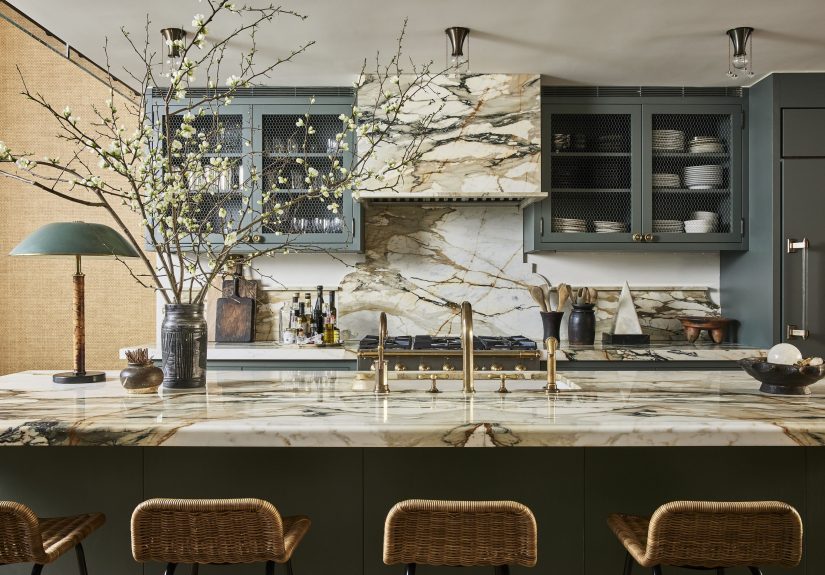
The kitchen does not need to be all function, all the time. Berkus has recommended bringing in non-kitchen items for warmth, and he is right. A small lamp, a piece of art leaned on the counter, a ceramic vessel for utensils, or a bowl filled with fruit can make the room feel less utilitarian and more lived in.
Bathroom
Clear the vanity first. Then replace scattered products with one beautiful container or tray. A small framed picture, a bud vase, or a repurposed ceramic jar can make the room feel intentional without sacrificing function. Bathrooms may be practical spaces, but they do not have to look emotionally unavailable.
Common Mistakes to Avoid
Moving everything at once
Do not try to redesign your entire home in one feverish afternoon unless you enjoy standing in the hallway surrounded by decorative confusion. Focus on one room first. Finish it. Then move on.
Keeping every small object out
Accessories are great until they become visual static. Not every candle, frame, bowl, and trinket needs stage time at once. Rotate pieces instead of displaying all of them year-round.
Ignoring proportion
A giant object on a tiny table looks awkward. So does a cluster of tiny items on a large console. Think in terms of scale. One larger statement piece can be stronger than five little ones competing for attention.
Forgetting how you actually live
A beautiful arrangement that gets knocked over every morning is not successful design. Your home should support daily life. Leave room for keys, bags, drinks, books, kids, pets, and the occasional evidence of being a human person.
Why This No-Cost Design Trick Feels Especially Smart Right Now
There is something refreshing about a decorating idea that does not begin with “buy this.” Shopping your own house is creative, sustainable, and realistic. It proves that style is not just about acquisition. It is about observation. It is about editing. It is about understanding that the right object in the wrong place can feel useless, while the same object in the right place can suddenly look brilliant.
That mindset shift is what makes Nate Berkus’s trick so lasting. It teaches you to see your home differently. Once you start doing that, you stop decorating on autopilot and start building rooms that feel layered, comfortable, and unmistakably yours.
Experiences That Show Why This Trick Works in Real Life
One of the most relatable experiences with this approach is the moment a room finally feels finished, even though nothing new came through the front door. A living room that once seemed bland suddenly looks collected after a lamp is moved from the bedroom, a stack of books is shifted to the coffee table, and a framed photo replaces a random filler object. The room did not need a shopping spree. It needed editing and confidence.
Another common experience is realizing that some rooms have been carrying too much while others have been overlooked. Many people discover that the dining room has all the “good stuff” because it is kept tidy for guests, while the family room gets stuck with the leftovers of everyday life. Shopping your own house corrects that imbalance. It invites you to move beauty into the spaces you actually use, which is a surprisingly emotional upgrade. Your home begins to feel more generous to your daily routine.
There is also the experience of rediscovering objects you forgot you loved. A bowl tucked in a cabinet becomes a perfect catchall on an entry console. A chair buried under laundry becomes the missing link in a cozy reading corner. An old family photo, once hidden in a hallway frame, becomes the most meaningful thing on a bookshelf. These moments are satisfying because they feel both practical and personal. You are not just redecorating. You are reconnecting with your own taste.
For renters, this trick can be especially empowering. When you cannot knock down walls, change built-ins, or renovate the kitchen, moving what you already own becomes a form of creative control. Swapping textiles, repositioning furniture, and reworking surfaces can make a rental feel less temporary and more rooted. The home starts reflecting you instead of merely accommodating you.
Families often notice another benefit: this trick makes a house feel more human, not more staged. When photos are mixed into shelves, when heirlooms are placed where they can actually be seen, and when practical spaces get softened with lamps, art, or meaningful objects, the home tells a richer story. It feels lived in, but in the best possible way. Not messy. Not museum-like. Just real.
And perhaps the most universal experience of all is this: once people try shopping their own house, they rarely do it only once. It becomes a habit. A shelf starts looking dull, so they restyle it. A bedroom feels flat, so they borrow a chair from the office. The home stays dynamic because the owner becomes more observant. That is the secret power behind Berkus’s advice. The trick is free, yes. But more importantly, it teaches a skill. And that skill is learning to see possibility before you reach for your wallet.
Final Thoughts
Nate Berkus’s no-cost trick is not flashy, and that is exactly why it works. Clear the surfaces. Shop your own house. Move things around. Mix materials. Leave breathing room. Bring in pieces that actually mean something to you. The result is not just a prettier room. It is a room with more ease, more character, and more soul.
So before you convince yourself that your home needs a full makeover, try the free version first. Your best decor purchase may already be sitting three rooms away, waiting for a promotion.