Table of Contents >> Show >> Hide
- How Microwaves Actually Work (No, They Don’t “Radiate” Your Food)
- Microwave Radiation: What “Leakage” Means and Why Standards Matter
- Does Microwaving Destroy Nutrients?
- The Real Health Risks: Containers, Burns, and Food Safety
- Special Populations: Babies, Pregnancy, and Medical Devices
- Microwave Meals and Metabolism: The “It’s Not the Oven, It’s the Menu” Reality Check
- Best Practices for Microwave Safety (Quick, Practical, No Paranoia)
- FAQ: Quick Answers to Common Microwave Health Questions
- Conclusion: The Microwave Is Usually FineYour Habits Matter More
- Real-Life Experiences With Microwave Ovens and Health (The Part Everyone Relates To)
The microwave oven is basically the kitchen’s tiny time machine: you put in cold coffee, press a button,
andboomit’s hot again (and somehow still tastes like regret). But despite microwaves being a normal part
of daily life, people still ask the same question: Are microwave ovens bad for your health?
The good news: for most people using a properly working microwave, the science-backed answer is
no. The more nuanced news: your health outcomes depend less on “microwave radiation”
and more on things like food choices, container safety, and basic cooking hygiene. Let’s break it all down,
myth-by-myth and meal-by-meal.
How Microwaves Actually Work (No, They Don’t “Radiate” Your Food)
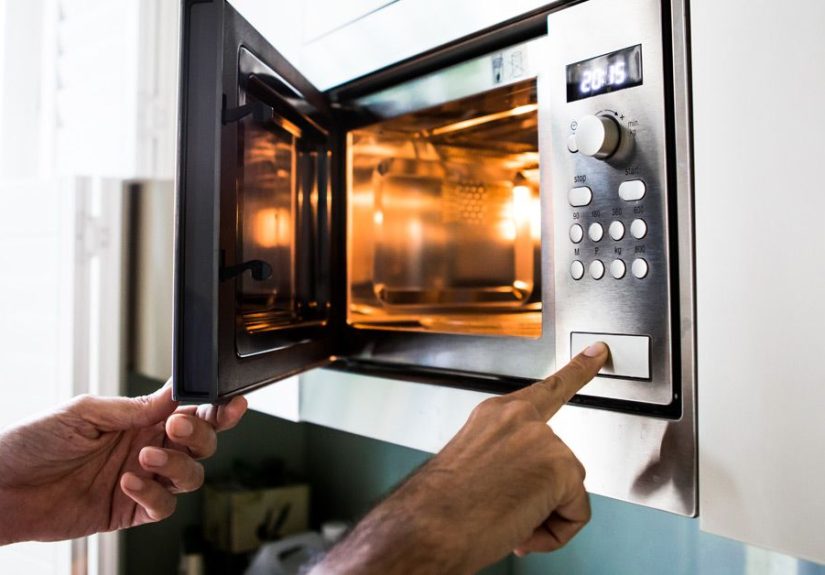
Microwave ovens heat food using non-ionizing electromagnetic energy. “Non-ionizing” is the
key phrase. Ionizing radiation (think X-rays) has enough energy to damage DNA directly. Microwaves do not.
In a microwave oven, energy is absorbed mostly by water molecules (and some fats and sugars), making them
vibrate and generate heat. The heat cooks your foodjust faster and often with less water.
Myth: “Microwaves make food radioactive.”
This one refuses to retire. But microwaves don’t turn food radioactive. The energy is converted into heat as
it’s absorbed. Once the microwave stops, the energy stopsyour leftovers don’t become tiny glow-in-the-dark
science projects.
Myth: “Microwaves change food into something toxic.”
Microwaving can change food the same way any cooking method does: by heating it. Some nutrients decrease with
heat, some become easier to absorb, and texture can get… weird. But “toxic” isn’t the default setting. Most
health concerns come from what you microwave (ultra-processed meals every day) and what you microwave it in
(containers not meant for heat).
Microwave Radiation: What “Leakage” Means and Why Standards Matter
A microwave produces energy inside a metal box with a screened door. That door mesh isn’t decorationit helps
keep microwaves inside while letting you watch your soup attempt to become a volcano.
In the U.S., microwave ovens are regulated with performance standards that limit how much microwave energy can
leak over the oven’s lifetime. Modern units also include safety interlocks designed to stop microwave generation
when the door is opened. In plain English: if your microwave is functioning normally, the exposure outside the
oven is kept very low by design.
When should you worry about leakage?
- Damaged door or hinges (door doesn’t close evenly, wobbling, bent frame)
- Damaged door seals or visible gaps
- Burn marks, repeated arcing (sparks) when you’re not microwaving metal
- DIY repairs that involve the door mechanism or safety switches
If the door doesn’t close properly, it’s not a “maybe” situation. Retire it. Your kitchen doesn’t need an
appliance that’s auditioning for a suspense movie.
Does Microwaving Destroy Nutrients?
Here’s a surprise that tends to annoy microwave haters: microwaving can be one of the
least nutrient-damaging ways to cook, because it’s fast and often uses little or no water.
Nutrients are most vulnerable when food is cooked for a long time or boiled in lots of water (hello, sad boiled
broccoli).
Why microwaving can preserve nutrients
- Shorter cook time = fewer heat-sensitive vitamins lost
- Less water = fewer water-soluble vitamins washed away
- Steaming in-microwave (with a covered dish) can be gentle and effective
If you want a practical example: steaming vegetables in the microwave with a splash of water can keep them bright,
crisp-tender, and nutrient-friendlywithout turning your stovetop into a fog machine.
The Real Health Risks: Containers, Burns, and Food Safety
The microwave itself isn’t usually the villain. The bigger issues are the boring-but-important stuff:
what you heat, how evenly it heats, and what the food touches while heating.
1) Plastics and chemical leaching: choose boring containers (boring is good)
Heating plastics that aren’t designed for microwaves can cause them to warp or break down, potentially allowing
chemicals to migrate into food. Labels like “microwave-safe” matterbut even then, many health experts recommend
reducing plastic heat exposure when you can.
Best options: glass and ceramic. They’re stable, reusable, and don’t come with a side of
“mystery polymers.”
Smarter plastic habits:
- Don’t microwave takeout containers unless they explicitly say microwave-safe.
- Avoid heating plastics that look scratched, cloudy, or old (aging plastic is not a vibe).
- Use microwave-safe lids/ventsor a microwave-safe plate as a coverto reduce splatter without sealing steam inside.
- If you’re unsure, transfer food to glass. Yes, it’s one extra dish. Yes, future-you will thank you.
2) Uneven heating: the sneakier risk
Microwaves can heat unevenly, creating “hot spots” and “cold spots.” Hot spots can burn your mouth; cold spots can
allow bacteria to survive in foods that need thorough reheating.
How to fix it: stir, rotate, cover, and respect standing time.
- Stir halfway through (soups, sauces, casseroles)
- Rotate the dish if your microwave doesn’t have a turntable
- Cover food to help distribute heat with steam
- Let it stand after heating so temperature equalizes
3) Burns and “superheated” liquids: yes, water can jump-scare you
Microwaves can heat liquids without visible bubbling. Then you move the cup, drop in a tea bag, or bump the mug
and suddenly the water erupts. It’s rare, but it’s real.
Reduce the risk:
- Use a wooden stir stick or spoon in the cup (microwave-safe) when heating water.
- Heat in shorter bursts and stir between.
- Avoid overheating small volumes of water in very smooth cups.
Special Populations: Babies, Pregnancy, and Medical Devices
Babies: never microwave bottles or formula
Multiple public health organizations warn against microwaving infant bottles or prepared formula because the microwave
can create hot spots that can burn a baby’s mouth and throat. If you need to warm a bottle, use warm water and test
the temperature carefully.
Pregnancy: microwaves are generally finefood safety still matters
Pregnancy doesn’t make microwaves dangerous. But it does make foodborne illness more serious, so the main
focus should be proper reheating and safe internal temperaturesespecially for leftovers, deli meats, and ready-to-eat
items. Microwaves can be part of safe cooking if you heat evenly, stir, and verify doneness.
Pacemakers and implants: modern guidance is mostly about distance and common sense
Concerns about interference are far less dramatic than the internet makes them sound. Still, if you have an implanted
medical device and you’re worried, keep a reasonable distance from the appliance while it runs and follow your clinician’s
guidance. If your microwave is damaged or the door doesn’t seal properly, replace it.
Microwave Meals and Metabolism: The “It’s Not the Oven, It’s the Menu” Reality Check
If someone tells you “microwaves are unhealthy,” they might actually be talking about what many people microwave:
ultra-processed meals high in sodium, saturated fat, and low in fiber. That’s not a microwave problemthat’s a
“daily diet pattern” problem.
Healthier things to microwave (yes, they exist)
- Steamed vegetables with herbs and olive oil
- Oatmeal with fruit, nuts, cinnamon
- Microwave eggs (in a microwave-safe dish, stirrednever in the shell)
- Brown rice or quinoa using microwave-friendly methods
- Beans warmed and added to salads, bowls, or tacos
- Leftovers you cooked yourself (often the best “microwave meal” of all)
The microwave can actually support health goals: it makes quick, low-effort cooking easier. And in the real world,
“easy enough to do consistently” is a secret ingredient.
Best Practices for Microwave Safety (Quick, Practical, No Paranoia)
Microwave checklist you’ll actually use
- Use glass or ceramic whenever possible.
- Cover food (vents open) to heat more evenly and reduce splatter.
- Stir and rotate for consistent temperature.
- Let food stand after heating so heat distributes.
- Check temperature for leftovers and high-risk foods.
- Don’t microwave baby bottles or formula.
- Replace damaged microwavesespecially door/hinge issues.
Also: don’t microwave these (unless you enjoy chaos)
- Eggs in the shell (they can explode)
- Sealed containers (pressure builds)
- Metallic trim, foil, or crumpled metal (sparks)
- Takeout containers without microwave-safe labeling
FAQ: Quick Answers to Common Microwave Health Questions
Does microwaving cause cancer?
There’s no good evidence that microwave ovens cause cancer when used as intended and in good working condition.
Microwaves are non-ionizing and don’t damage DNA the way ionizing radiation does. Most concerns are about container
safety and overall diet quality.
Is microwave popcorn unhealthy?
It depends on the brand and ingredients. Some microwave popcorns are high in sodium, saturated fat, and additives.
You can keep it healthier by choosing simpler ingredient lists or making popcorn with plain kernels and seasoning
it yourself.
Is it safer to stand away from the microwave?
If it makes you feel better, suremicrowave energy drops dramatically with distance. Practically, if your microwave
is in good condition, normal kitchen behavior is fine. The bigger win is replacing damaged units and using safe containers.
Conclusion: The Microwave Is Usually FineYour Habits Matter More
Microwave ovens have been studied, regulated, and used for decades. In normal use, they’re considered safe, and
they don’t make food radioactive or “poisoned.” The health story is mostly about sensible, real-world choices:
use safer containers, heat food evenly, avoid baby-bottle microwaving, and remember that a microwave can be a tool
for healthier eatingnot just a shrine to frozen burritos.
In other words: your microwave isn’t out to get you. But that cracked plastic takeout container might be plotting.
Real-Life Experiences With Microwave Ovens and Health (The Part Everyone Relates To)
If you want the most honest “microwave health study,” don’t start with a lab. Start with a household on a Tuesday.
Someone is hungry, someone is late, and the microwave is asked to perform miracles in 90 seconds.
The Hot Spot Roulette Experience
Nearly everyone has lived this scene: you reheat leftovers, take one confident bite, and immediately realize the
center is still refrigerator-cold while the edges are basically molten. That uneven heating isn’t just annoyingit’s
the reason food safety experts constantly recommend stirring, rotating, and letting food stand. In real life, the
microwave isn’t always wrong; it’s just literal. It heats where it heats unless you help it out.
People often notice this most with thick foods like casseroles, pasta bakes, and burritos. The outside gets hot fast,
while the inside needs more time. A simple habitcutting food into smaller pieces and pausing to stircan turn microwave
reheating from “temperature gambling” into something closer to “predictable adulthood.”
The “Why Does My Coffee Taste Like This?” Experience
Microwaved coffee is famous for tasting off. That’s not because the microwave created a new chemical species called
“sadness.” It’s usually because reheating changes aroma compounds, and coffee is extra sensitive to oxidation and time.
Many people solve this by microwaving in short bursts, stirring, and accepting the truth: fresh coffee tastes better,
but reheated coffee tastes better than no coffee. (That’s called mental health support.)
The Plastic Container Lesson Everyone Learns Once
A very common microwave “experience” is the moment someone microwaves food in a questionable container and discovers
three things at once:
- the container is now shaped like modern art,
- the food tastes faintly like the container, and
- they have instantly become a glass-container person.
This is why so many clinicians and public health voices keep repeating the same advice: use glass or ceramic when you can,
and avoid heating plastics that weren’t made for it. It’s not about fearit’s about reducing unnecessary exposure and
preventing a melted-lid incident that makes you question your life choices.
The “Healthy Microwave” Glow-Up
On the positive side, plenty of people have the opposite microwave experience: they start using it as a healthy cooking tool.
One of the most popular shifts is microwaving vegetables with a splash of water, covered, then finishing with olive oil, lemon,
salt, pepper, or garlic. It’s fast, it tastes good, and it removes the biggest barrier to eating veggies: the part where you have
to cook them when you’re tired.
Another common experience is using the microwave to support meal prepsoftening onions quickly, steaming broccoli, reheating
home-cooked rice, or making oatmeal. People who do this consistently often report a simple result: fewer last-minute fast-food
decisions. The microwave becomes a “good choices amplifier,” not because it’s magical, but because it reduces friction.
The Baby Bottle Warning That Sticks
Families with infants often remember the first time they were told, very firmly, “Never microwave a bottle.” The reason
is easy to understand once you’ve seen how uneven heating can be. Even if the bottle feels lukewarm, hot spots can form and
cause burns. The shared experience here is less about the microwave itself and more about learning a safer routinewarming
bottles with warm water and testing temperature carefully. It’s one of those parenthood moments where convenience loses to safety,
and everyone is okay with that.
The Takeaway From Real Life
Real-world microwave health experiences usually point to the same conclusion as the research:
the microwave isn’t the main riskhabits are. Use safer containers, heat food evenly, respect standing time,
and choose foods that love you back. Do that, and your microwave becomes what it was always meant to be:
a helpful appliance, not a conspiracy.