Table of Contents >> Show >> Hide
- Meal Planning vs. Meal Prepping: Same Team, Different Jobs
- Why Meal Planning Works (Even If You Don’t Love It Yet)
- The “No-Drama” Meal Planning Framework (Step-by-Step)
- Meal Prep Styles: Pick the One That Matches Your Personality
- Food Safety for Meal Prepping (Because “Meal Prep” Shouldn’t Be a Thriller)
- Meal Planning Ideas for Different Goals
- Example: A 5-Day Meal Prep Plan (With a Two-Prep-Day Strategy)
- Containers, Tools, and Tiny Upgrades That Make Meal Prep Easier
- Common Meal Prep Mistakes (And the Fixes That Save Your Week)
- How to Keep Meal Planning Fun (Yes, Really)
- Conclusion: Your Next Meal Plan Can Be Simple (and Still Awesome)
- Real-Life Meal Prep Experiences (The Part Nobody Brags About)
If your weeknight dinner plan is “stare into the fridge until something confesses,” you’re not alone. Meal planning and meal-prepping are basically the adult version of putting your keys in the same spot every day: not glamorous, but wildly effective. And no, it doesn’t require a spreadsheet, a color-coded label maker, or the emotional resilience of a navy seal. (Though those do help.)
This guide walks you through practical meal planning ideas, meal prep strategies, food safety basics, and real examples you can actually usewhether you’re cooking for one, feeding a small army, or just trying to stop donating money to the “surprise delivery fee” economy.
Meal Planning vs. Meal Prepping: Same Team, Different Jobs
Let’s define the duo:
- Meal planning is deciding what you’ll eat and when. It’s the “brain work.”
- Meal prepping is doing some cooking or chopping ahead of time so weekdays feel less like a game show.
You can plan without prepping (still helpful), prep without planning (chaotic neutral), or do both (peak “future you” behavior).
Why Meal Planning Works (Even If You Don’t Love It Yet)
The biggest perk isn’t perfectionit’s fewer decisions. When dinner is already decided, you’re less likely to end up eating cereal out of a mug while leaning over the sink. Meal planning also helps you:
- Save time by shopping once and cooking smarter.
- Save money by using what you buy (instead of hosting a produce retirement home in your crisper drawer).
- Eat more balanced meals because you’re planning with intention, not desperation.
- Reduce stress by removing the daily “What’s for dinner?” debate.
The “No-Drama” Meal Planning Framework (Step-by-Step)
1) Start with your real week, not your fantasy week
Look at your schedule first. Late meeting Tuesday? Kid activities Thursday? Travel Friday? Greatthose days need low-effort dinners or leftovers. Plan for the week you’re actually living, not the one where you meditate at sunrise and roast vegetables while humming peacefully.
2) Pick 2–3 “anchor” meals you never get tired of
Anchors are reliable meals you can make on autopilot. Think:
- Breakfast: overnight oats, yogurt + fruit + granola, egg muffins
- Lunch: grain bowls, big salads, wraps, leftovers
- Dinner: sheet-pan chicken and veggies, tacos, stir-fry, soup
Anchors keep your plan realistic. You can still try new recipesjust don’t build an entire week around “new.”
3) Build plates that feel good (and keep you full)
A simple rule for balanced meal prep: aim for a mix of protein, fiber-rich carbs, and colorful produce. If you like visual cues, use a plate method: half produce, a quarter protein, a quarter whole grains or starchy veggies, plus healthy fats.
This isn’t about strict macros. It’s about meals that don’t leave you hungry again at 9:47 p.m. with your hand in a bag of chips like a raccoon at a campsite.
4) Choose recipes that share ingredients
The secret to easy meal planning ideas is ingredient overlap. If you buy cilantro, it should work at least twice: tacos and a grain bowl; salsa and a salad dressing; soup garnish and a freezer bag for later.
Try this “3-2-1” approach:
- 3 proteins (chicken, beans, salmon)
- 2 carbs (brown rice, sweet potatoes)
- 1 big produce strategy (roasted veggies OR salad kit components)
5) Write the grocery list like you want to finish shopping in one piece
Organize your list by store sections: produce, protein, dairy, pantry, frozen. This speeds up shopping and reduces the chance you forget the one ingredient that makes the whole week work (usually onions or coffee).
Meal Prep Styles: Pick the One That Matches Your Personality
Option A: Batch-cook full meals
You cook complete breakfasts/lunches/dinners in containers. This is great if you love grab-and-go and don’t want to think midweek. It’s also great if you’ve ever said, “I’ll just figure it out later,” and later turned out to be pizza.
Option B: Prep components (the “mix-and-match” method)
Cook a few basics, then assemble different meals:
- Protein: shredded chicken, baked tofu, lentils
- Carb: quinoa, rice, roasted potatoes
- Produce: chopped salad base, roasted veggies, sliced cucumbers
- Flavor: sauces and toppings (pesto, salsa, tahini, pickled onions)
This keeps variety high without cooking five separate dinners.
Option C: Prep ingredients only
Chop veggies, wash greens, portion snacks, marinate proteins. You still cook daily, but it’s faster. Perfect for people who like fresh dinners but hate starting from zero.
Option D: Freezer-friendly prep
Think soups, stews, burritos, meatballs, cooked grains, and marinated proteins. Freezer meal prep is a lifesaver for future busy weekslike a gift from Past You, who was apparently very responsible for one afternoon.
Food Safety for Meal Prepping (Because “Meal Prep” Shouldn’t Be a Thriller)
Meal prepping is awesome, but it only stays awesome if you store food safely. Keep these basics in your back pocket:
- Chill promptly: Don’t leave perishable foods sitting out for hours.
- Know the “danger zone”: Bacteria multiply fastest between roughly 40°F and 140°F.
- Cool smart: Divide big batches into shallow containers so they cool faster.
- Use the 3–4 day rule: Many cooked leftovers are best eaten within about 3–4 days refrigerated.
- When in doubt, freeze: Freezing helps extend quality and reduces waste.
Practical tip: If you want a full week of lunches, consider a two-prep-day system (like Sunday + Wednesday) so everything stays fresh and safe without feeling like you’re speed-running the world’s largest casserole.
Meal Planning Ideas for Different Goals
For busy weeks: “assembly meals” that feel like cooking
- Rotisserie chicken + bagged salad + microwave brown rice
- Hummus plate: pita, veggies, olives, feta, chickpeas
- Taco night: pre-cooked protein + slaw + tortillas
- Breakfast-for-dinner: egg scramble + toast + fruit
For healthier habits: protein + fiber is the cheat code
If your goal is steady energy and fewer snack attacks, build meals around: lean protein (fish, chicken, beans, tofu), fiber (vegetables, whole grains, legumes), and healthy fats (olive oil, avocado, nuts). You don’t need a perfect planjust a plan that keeps you satisfied.
For families: create “choose-your-own” dinners
Family meal prep gets easier when everyone can customize:
- Taco or burrito bowls
- Pasta night with multiple add-ins (veg, meatballs, beans)
- DIY pizza on naan or tortillas
- Baked potato bar with toppings
For budget meal planning: lean on pantry staples
Money-saving meal prep is about flexible ingredients: beans, lentils, frozen vegetables, oats, rice, canned tuna or salmon, eggs, and in-season produce. Plan meals that reuse sauces and seasonings so you can shop fewer items and still eat like a person, not a spreadsheet.
For plant-forward weeks: build around “big flavor”
Vegetarian meal prep wins when the flavor is strong: roasted veggies, spice blends, citrus, fresh herbs, and sauces like tahini-lemon, chimichurri, or peanut-lime. Add protein from beans, lentils, tofu, edamame, or Greek yogurt if you eat dairy.
Example: A 5-Day Meal Prep Plan (With a Two-Prep-Day Strategy)
This sample weekly meal plan keeps food fresh by doing a main prep on Sunday and a smaller refresh midweek. You’ll prep components that can become multiple mealsbecause variety is the difference between “meal prep” and “I guess this is my personality now: chicken and rice.”
Sunday Prep (60–90 minutes)
- Protein: Roast or air-fry chicken thighs (or bake tofu).
- Carb: Cook a pot of brown rice or quinoa.
- Veg: Roast a sheet pan of broccoli + bell peppers + onions.
- Fresh: Chop cucumbers, wash greens, slice fruit.
- Sauce: Mix a quick tahini-lemon dressing (tahini + lemon + garlic + water + salt).
Midweek Mini-Prep (25–40 minutes, usually Wednesday)
- Cook a second protein (salmon, turkey, chickpeas) OR make a pot of soup.
- Refresh produce: another salad base, more chopped veggies, extra fruit.
- Restock one flavor booster: salsa, pesto, or yogurt-based sauce.
What you eat (simple, repeatable, not boring)
- Breakfast: Overnight oats (oats + milk + chia + berries) or egg muffins + fruit.
- Lunch (Mon–Wed): Chicken quinoa bowls with roasted veggies + tahini sauce.
- Dinner (Mon–Tue): Stir-fry using pre-roasted veg + extra greens + protein.
- Lunch (Thu–Fri): Big salads with protein + beans + crunchy toppings.
- Dinner (Wed–Fri): Salmon (or chickpea) tacos with slaw and salsa.
- Snacks: Greek yogurt, nuts, fruit, veggies + hummus.
Sample grocery list (adjust quantities for your household)
- Produce: broccoli, bell peppers, onions, cucumbers, salad greens, lemons, berries, apples
- Protein: chicken thighs (or tofu), salmon (or canned tuna/salmon), chickpeas, Greek yogurt
- Carbs: brown rice or quinoa, tortillas, oats
- Pantry: tahini, olive oil, salsa, spices (garlic powder, cumin, chili powder), nuts
- Extras: hummus, cheese (optional), crunchy toppings (pumpkin seeds, tortilla strips)
Containers, Tools, and Tiny Upgrades That Make Meal Prep Easier
You don’t need fancy gear, but a few upgrades can dramatically improve your meal prep experience:
- Shallow containers: cool food faster and stack neatly.
- A sharp knife: because hacking at onions with a dull blade is a sadness spiral.
- Sheet pans: roast veggies and proteins with minimal cleanup.
- Labels (optional): date leftovers so you don’t play “Is this from Tuesday or… 2023?”
Common Meal Prep Mistakes (And the Fixes That Save Your Week)
Mistake: Planning seven brand-new recipes
Fix: Plan two new meals max. Keep the rest anchored with repeatable favorites and ingredient overlap.
Mistake: Everything tastes the same by Thursday
Fix: Prep flavor boosters. A sauce, a crunchy topping, and a fresh element (herbs, citrus, pickled onions) can make the same base meal feel brand new.
Mistake: Soggy salads
Fix: Store wet ingredients separately. Keep dressing in a small container, add crunchy items (nuts, croutons) last, and use hearty greens when possible.
Mistake: Over-prepping food you don’t actually like
Fix: Your meal plan should include foods you genuinely enjoy. “Healthy” isn’t useful if it’s also “inedible.”
How to Keep Meal Planning Fun (Yes, Really)
The best meal planning ideas are the ones you’ll repeat. Here are a few ways to keep it interesting without making it complicated:
- Theme nights: Taco Tuesday, Stir-Fry Thursday, Soup Sunday.
- Swap the format: Turn chicken + rice into bowls, wraps, salads, and tacos.
- Use a “sauce rotation”: pick 2–3 sauces per week and reuse them across meals.
- One “treat meal”: plan for takeout or your favorite comfort meal so your plan feels sustainable.
Remember: the goal is not to eat like a robot. The goal is to make weekdays easier and still enjoy your food.
Conclusion: Your Next Meal Plan Can Be Simple (and Still Awesome)
Meal planning and meal-prepping don’t need to be intense. Start small: plan 3–4 dinners, aim for ingredient overlap, prep a few components, and keep food safety in mind. As you repeat the process, you’ll build your own system one that fits your schedule, your budget, and your taste buds.
And when life gets messy (because it will), your meal plan is allowed to be flexible. A good plan isn’t the one you follow perfectly. It’s the one that helps you eat well even when the week is doing cartwheels.
Real-Life Meal Prep Experiences (The Part Nobody Brags About)
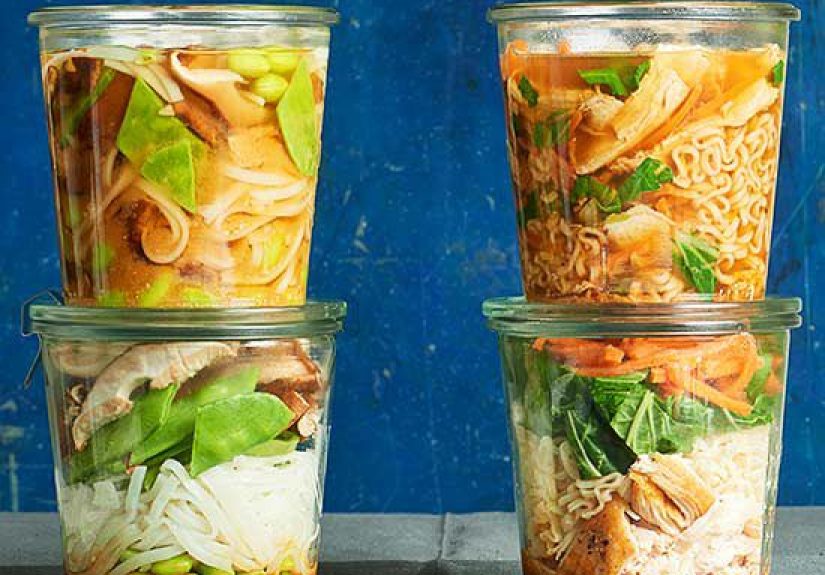
Here’s what meal prepping often looks like in the real world: you start with great intentions, you open the fridge on Wednesday, and you realize your containers have formed a wobbly tower that could qualify as modern art. If this is you, congratsyou’re doing it correctly. Meal prep isn’t a performance; it’s a survival strategy with snacks.
One classic experience is the “Same Lunch Syndrome”. Monday’s bowl tastes amazing. Tuesday’s bowl is still solid. By Thursday, you’re staring at it like it just told you it doesn’t believe in your dreams. The fix isn’t to stop meal prepping. The fix is to prep variety through assembly: keep the base (protein + grain + veg) but change the vibe with sauces and toppings. Salsa + lime + cilantro makes it feel like a taco bowl; a yogurt-garlic sauce makes it Mediterranean-ish; a peanut-lime sauce makes it suddenly “I have my life together” energy.
Another common moment: the Thursday fridge audit. You find half a pepper, two sad scallions, and a container of something that might be chili or might be a science project. This is why dating your leftovers is a kindness to future you. It also helps to plan a “clean-out meal” once a weeklike fried rice, soup, or a sheet-pan dinnerwhere leftover vegetables can join the party without needing a formal invitation.
Then there’s the “I prepped healthy, but I’m still hungry” experience. This usually happens when meals are light on protein or fiber. A salad can be a masterpiece, but it needs support: beans, chicken, tofu, quinoa, nuts, or Greek yogurt-based dressing. Meal prep that actually satisfies you is the kind you’ll stick with. The point is not to win the “most virtuous lunch” award. The point is to feel good at 3 p.m. without raiding the office candy bowl like it owes you money.
For many people, the biggest breakthrough is switching from “prep everything” to “prep the bottlenecks”. If chopping vegetables is what stops you from cooking, chop vegetables. If cooking protein is the barrier, cook protein. If mornings are chaos, prep breakfast. You don’t have to meal-prep like a competitive sport. The best system is the one that removes your specific pain pointsand leaves room for you to be a normal human who sometimes just wants a sandwich.
Finally, meal prep tends to become easier when you give yourself permission to be repetitive in a smart way. You can rotate themes weekly (tacos one week, bowls the next), keep two or three “default” breakfasts, and still feel like you’re eating a varied diet. Consistency doesn’t mean boredom; it means you’ve built a routine that workslike brushing your teeth, but tastier.