Table of Contents >> Show >> Hide
- What Exactly Is Malabrigo Nube?
- Why Fiber Artists Keep Coming Back to Nube
- Best Uses for Malabrigo Nube
- Before You Spin: A Quick Reality Check (and a Pep Talk)
- How to Prep Nube So It Drafts Like a Dream
- Color Management: Turning “Pretty Braid” Into “Pretty Yarn”
- Spinning Tips That Play Nicely With Nube
- Felting With Nube: Quick Wins and Common Pitfalls
- How Much Nube Do You Need?
- Choosing a Colorway (Without Overthinking Yourself Into a Nap)
- Storage and Care: Keep the Cloud Cloudy
- Frequently Asked Questions
- Real-World Experiences With Malabrigo Nube (What Makers Often Notice)
There are two kinds of fiber stashes: the “I will spin this someday” basket, and the “I just touched it and now I’m emotionally committed”
basket. Malabrigo’s Nube lives in that second category.
Nube (Spanish for “cloud”) is a hand-dyed braid of ultra-soft merino that’s made for spinning, felting, thrums, weaving accents, and the kind of
creative experimenting that starts with “What if…?” and ends with you Googling “How do I get wool out of Velcro.”
If you’ve seen Malabrigo’s iconic colorways in yarn form and wished you could build the color story from the ground updraft by draft, twist by
twistNube is that wish, packaged as a fluffy braid.
What Exactly Is Malabrigo Nube?
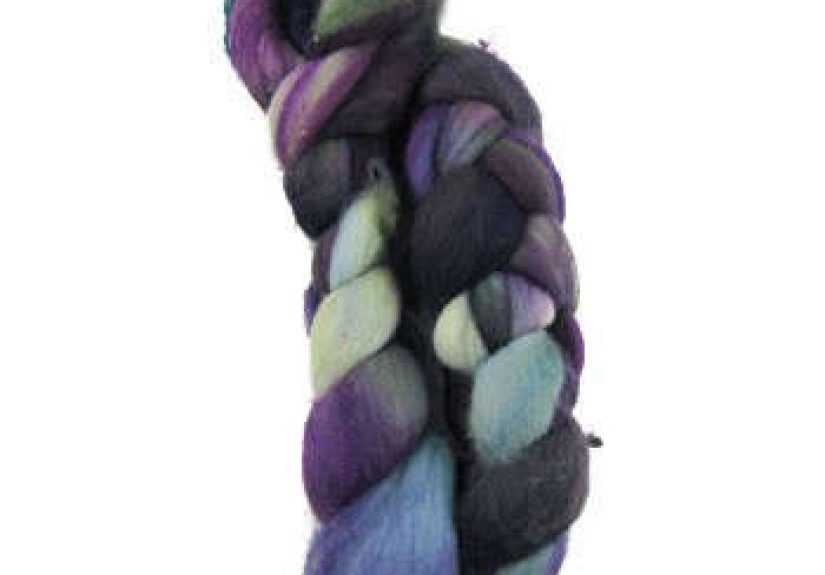
Malabrigo Nube is a braid of 100% merino wool that comes as unspun “top/roving.” Each braid is roughly
4 oz (113 g) and is sold in many of Malabrigo’s best-loved hand-dyed colorways. It’s produced in Uruguay and designed primarily
as spinning fiberthough it happily moonlights in a lot of other fiber arts.
Roving vs. top (and why Nube gets called both)
You’ll often hear Nube described as “roving,” but many listings also call it “top.” In everyday fiber-speak, shops and makers use the words
interchangeably. Technically, “top” usually means fibers are more aligned and combed (smoother drafting), while “roving” can be a bit more
airy and carded (often a fuzzier, more woolen vibe).
In practice, the important part is this: Nube drafts beautifully when you prep it thoughtfullyand it rewards patience with softness and color.
Why Fiber Artists Keep Coming Back to Nube
Nube’s appeal is a three-part harmony: softness, loft, and color.
Merino is known for being next-to-skin friendly, and Malabrigo’s dye style gives you painterly shifts, saturated brights, and complex variegation.
Soft enough for “wearable handspun” goals
If your dream is a scarf, cowl, hat, mitts, or sweater you actually want against your neck (and not just on a decorative mannequin named
“Regret”), merino is a solid choice. Spun with balanced twist and plied for strength, Nube can become a supple yarn with a gentle halo.
Colorways that look like they have a soundtrack
Malabrigo colorways are famous for depth: layered tones, high-contrast pops, and gradients that feel alive. That’s thrillingand it’s also why
Nube is not a “set it and forget it” fiber. If you want intentional color results, you’ll want a plan (don’t worry, we’ll build one).
Best Uses for Malabrigo Nube
Nube is versatile, but it shines brightest in a few specific lanes.
1) Spinning handspun yarn (the classic)
Nube is at its best when you spin it into singles and then ply for strength and color play. Whether you’re aiming for smooth worsted yarn,
airy woolen yarn, or a “semi-worsted, semi-chaos, fully delightful” middle path, Nube can get you there.
2) Needle felting and wet felting
Merino felts readily, which makes it great for sculptural needle-felting details (think: gnome beards, florals, tiny birds with suspiciously
intense personalities) and for wet-felted fabric, vessels, and embellishments. The hand-dyed color adds dimension without you having to blend
ten different solids like a fiber sommelier.
3) Thrums (warmth with personality)
Thrums are those fuzzy, cozy, inside-the-mittens bits that make winter feel less like a personal attack. A little Nube goes a long way here:
you can add thrums to mittens, slippers, hats, and even boot liners for warmth and squish.
4) Weaving and mixed-media fiber art
Add Nube as texture in weft, rya-style accents, tapestry highlights, or woven wall hanging details. It’s an easy way to build depthespecially
if you want a piece that looks like it should be hanging in a gallery… or at least in the nicest corner of your home office.
Before You Spin: A Quick Reality Check (and a Pep Talk)
Some retailers note that Nube isn’t ideal for absolute beginners. That doesn’t mean you need a decade of wheel time or a master’s degree in
Twist Studies. It just means Nube tends to behave best when you:
- predraft and open it up (it’s often braided and can feel compact),
- draft consistently (especially through color changes), and
- accept that hand-dyed fiber has surprisesmostly good, occasionally “why did that section felt a little?”
Translation: If you’ve spun before and you like learning by doing, you’re fine. If you’re brand new, you can still use Nubejust consider
practicing your drafting rhythm on an easier, inexpensive fiber first, then come back to Nube when your hands feel more confident.
How to Prep Nube So It Drafts Like a Dream
Step 1: Unbraid and “fluff the cloud”
Start by gently unbraiding the braid and shaking it out a bit. If it’s been sitting in a warehouse or your stash, it may be compressed.
A little air and movement helps the fibers relax.
Step 2: Check for compacted areas
Run your fingers along the fiber. If any sections feel slightly tacky, dense, or grabby, don’t panicjust plan to predraft those areas
more carefully. Hand-dyed fiber can have spots where dye and handling compress the outer layer.
Step 3: Predraft in two passes
Predrafting is your secret weapon with Nube. Instead of trying to draft a thick braid while managing twist, you’ll gently thin the fiber first.
Do it in two rounds:
- First pass: separate the braid into strips (thinner is easier to control), then make small, gentle pulls to loosen it.
- Second pass: thin it closer to the size you want to draft while spinningthink “easy-to-grab pencil roving,” not “cotton candy panic.”
Step 4: Decide your drafting style (and match it to your goals)
-
Worsted-style (more smooth, defined): keep fibers aligned, use a short forward draw, and aim for consistent twist. Great for
stitch definition and durable garments. - Woolen-style (more airy, lofty): allow more air into the draft, draft more openly, and embrace a softer halo. Great for warm, light yarns.
- Middle path (because life is complicated): many spinners naturally land hereconsistent enough for wearability, airy enough for squish.
Color Management: Turning “Pretty Braid” Into “Pretty Yarn”
With hand-painted fiber, color is the fun part… and the part that can turn into “spinning mud” if you’re not paying attention.
Luckily, you’ve got options.
Option A: Split the braid for cleaner color repeats
Split the braid lengthwise into two (or more) strips. Spin each strip as a separate single. If you plan to ply, start each strip from the same end.
This helps the color progression line up more predictably.
Option B: Chain ply (Navajo ply) for bold, concentrated color
If you love those long color runs and want them to stay punchy, chain plying is your best friend. It takes one single and turns it into a 3-ply,
preserving the color sequence more than a standard two-ply might.
Option C: Two-ply for blended, watercolor effects
A traditional two-ply often blends colors into softer, heathered transitions. If you want “painterly” rather than “striped,” this is the move.
Option D: Fractal-style splitting for controlled chaos
Fractal-style prep breaks a repeating pattern into smaller repeats. In spinning terms, you split the braid, then split again, creating shorter
color sequences that still feel related. The result can look surprisingly intentionallike you planned it… even if your plan was “I like this braid.”
Spinning Tips That Play Nicely With Nube
Keep your hands farther apart while predrafting
When you’re predrafting, give yourself room. Keeping your hands more than a fiber length apart helps you avoid yanking out clumps and makes the
drafting feel smoother.
Don’t fight the fiberadjust twist instead
If the fiber feels like it’s slipping apart, you may need more twist. If it’s snapping back and refusing to draft, you may have too much twist
traveling into the fiber supply. A small adjustment in twist rate (or drafting speed) can make Nube suddenly behave like it’s had a good nap.
Make “samples” before committing a whole braid
Spin a small section first. Try two techniquesmaybe a two-ply sample and a chain-ply sample. Compare the fabric you get. Nube is a great fiber
for learning because the color makes your technique visible. (It’s like a deliciously soft report card.)
Felting With Nube: Quick Wins and Common Pitfalls
Needle felting
For needle felting, tear off small wisps and build in thin layers. Thin layers felt faster and look smoother. Nube’s hand-dyed shades can create
natural highlightsespecially in animals, flowers, landscape scenes, and dimensional details.
Wet felting
Merino is enthusiastic about felting. Warm water, soap, and agitation will lock fibers together quickly. If you want crisp edges, use controlled
pressure and check your work often. If you want a more organic effect, embrace the shrink and let the colors mingle.
How to keep your handspun from felting later
Because merino felts easily, treat your finished yarn and fabric gently: hand wash cold and dry flat. Avoid agitation and sudden temperature changes
(your future sweater will thank you).
How Much Nube Do You Need?
Each braid is about 4 ounces, which is a standard “single braid” amount for spinners. Yardage depends entirely on how thick you spin and how much
twist you add. As a loose guideline:
- Bulky handspun: fewer yards, more drama.
- DK to worsted: a comfortable balance for hats, mitts, cowls, and small accessories.
- Fingering or lace: more yards, more time, more bragging rights.
Planning a sweater? Many spinners treat braids like skeins: calculate your target yardage first, then estimate braids needed based on your sample.
Also: buy enough at one time whenever possible, because hand-dyed colorways vary from braid to braid.
Choosing a Colorway (Without Overthinking Yourself Into a Nap)
If you’re spinning for a wearable, consider how the color values (light vs. dark) will behave when knit. High-contrast braids can create bold,
busy fabricamazing for accessories, less predictable for large garments. Lower-contrast or gradient-style braids often produce calmer, more
versatile fabric.
If you’re felting or weaving, go wild. Fiber art is where “too much color” becomes “the point.”
Storage and Care: Keep the Cloud Cloudy
- Store breathable: a cotton bag or breathable bin helps prevent moisture issues.
- Avoid compression: don’t store under heavy stacks if you want it to stay lofty.
- Keep it clean: merino loves to pick up crumbs, pet hair, and the emotional energy of your snack choices.
- Care for finished items: hand wash cold, dry flat, and treat agitation like it’s a villain in a soap opera.
Frequently Asked Questions
Can I knit or crochet Nube without spinning it?
You can, especially for artful, ultra-fluffy effectsbut unspun fiber isn’t durable the way yarn is. It can draft thin while you work,
pill, and felt with wear. If you try it, think “decorative or occasional-use piece,” not “everyday sweater that survives backpacks.”
Why do people say it’s tricky?
Nube is hand-dyed and braided, so it may arrive compacted. The color transitions can also change how drafting feels from section to section.
A little prepespecially predraftingusually fixes most of the “tricky” factor.
What’s the best beginner path if I’m new to spinning?
Start with a simple, inexpensive fiber to learn drafting and twist control. Then come back to Nube as a “level-up” fiber. You’ll get better
results and enjoy it more (instead of staring at it like it owes you money).
Real-World Experiences With Malabrigo Nube (What Makers Often Notice)
The first “experience” most fiber folks have with Nube is tactile, and it happens fast: you open the bag, touch the braid, and your brain goes,
“Oh. That kind of soft.” It’s the softness that makes you want to plan a project immediatelyeven if your current project is already
giving you side-eye from the corner.
Next comes the visual experience. Nube colorways don’t just look dyed; they look composed. Many makers describe the braid as “painted,” because
you can see distinct passages of colorbands, pools, speckles, gradients, and occasional surprise pops that feel like confetti. It’s exciting,
but it can also be intimidating: you start wondering whether you should preserve those colors exactly as they appear, or blend them into a softer,
watercolor yarn. The good news is that both paths are valid, and Nube rewards either approach.
When people actually begin working with Nube, one common moment is the “Aha, it needs air” realization. Because the fiber is braided and has been
handled and shipped, it can feel dense at first. Many spinners get their best results after unbraiding, gently fluffing, and predrafting. That prep
can feel like a small ritual: you pull the braid into strips, you loosen the fiber in tiny sections, and suddenly the draft feels smootherlike the
fiber has gone from “packed suitcase” to “freshly folded laundry.”
Another often-reported experience is how much the color affects your spinning decisions. With a solid white fiber, you can spin on autopilot.
With Nube, you start making intentional choices: “Do I want long repeats or short repeats?” “Should I chain ply to keep the color sequence bold?”
“Should I split the braid so both bobbins start from the same end?” Makers who enjoy experimentation love this partNube becomes a playground for
learning color management, because every change you make shows up clearly in the finished yarn.
People also notice that Nube can be “honest” about technique. If you draft inconsistently, you’ll see thick-and-thin sections (which can be a feature,
not a bug, if you’re aiming for art yarn). If you add too much twist too fast, the draft may resist. If you keep the twist balanced and the fiber
open, it can spin into an incredibly soft, lofty single that practically begs to be plied into something wearable.
For felters, the experience tends to be delightfully immediate: small wisps needle-felt down quickly, and the hand-dyed shades create built-in
dimension. Makers often describe how a simple felted shape looks more complex because the color does the shading for you. In wet felting, the merino
can felt eagerly, so many felters learn to check their work frequentlyespecially if they want crisp edges rather than a fully shrunken “surprise”
version of their original idea.
Finally, there’s the “finished object” experiencearguably the best part. Spinners often describe the first wash as a small miracle: the yarn blooms,
softens, and becomes more cohesive. Knitters and crocheters frequently note that fabric made from Nube-spun yarn can feel luxe and cozy, especially
when plied for strength. And even when Nube makes you work a littleextra predrafting here, a sample therethe consensus experience is simple:
the results look special, feel special, and make you want to do it again (preferably in another colorway, because self-control is overrated).