Table of Contents >> Show >> Hide
- What Made Lord Stanley So Striking?
- The Story Behind the Room
- The 2023 Return: A Beautiful Rebirth
- Why the Food Strengthened the Beauty
- Service, Atmosphere, and the San Francisco Factor
- Was It Really the Prettiest?
- What Lord Stanley Meant for SF Dining
- An Extra on the Experience of Lord Stanley
- Final Verdict
San Francisco has never exactly struggled to produce beautiful restaurants. This is a city where even the toast can look like it has a publicist. But every so often, a place arrivesor returnsand makes the whole “pretty restaurant” conversation feel a little too small. That was the magic of Lord Stanley.
At different points in its life, Lord Stanley was a Michelin-starred breakout, a design darling, a chef residency experiment, and a polished modern French bistro with just enough swagger to make you sit up straighter. So, was it San Francisco’s prettiest new restaurant? If we’re talking about aesthetic harmony, smart hospitality, and food that looked as composed as the room felt, the answer is a confident very possibly yes.
Of course, there’s one twist: Lord Stanley is no longer new, and it is no longer open. Its final service was in 2025. But the question still matters because the restaurant’s relaunchand the beauty of the experience it deliveredsays a lot about what San Francisco diners actually want now. Not just fancy. Not just photogenic. They want places with personality, warmth, craft, and enough confidence to skip the velvet-rope drama.
What Made Lord Stanley So Striking?
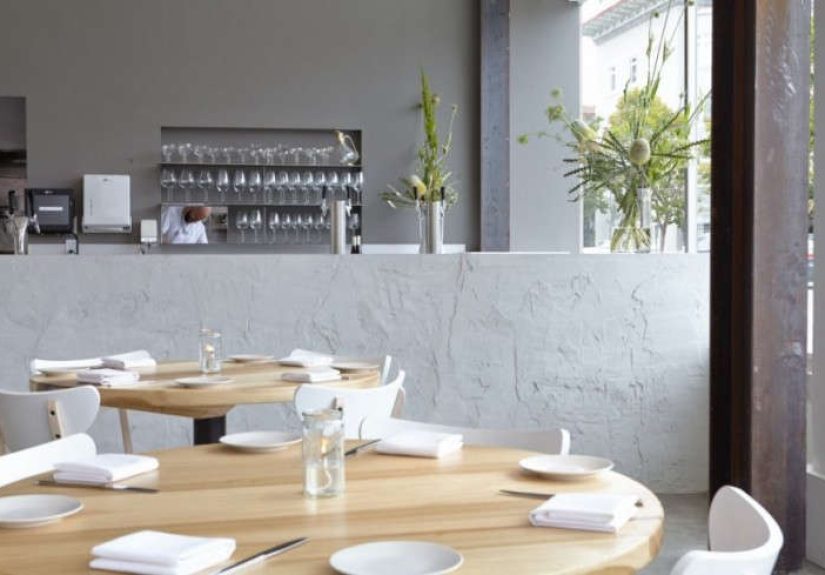
Lord Stanley never relied on cheap tricks. No jungle mural shouting for attention. No chandeliers trying to win an Oscar. Its beauty was quieter and smarter than that. From the beginning, the restaurant stood out for a light-filled room built around clean lines, polished concrete, raw steel, pale gray accents, warm wood, and a mezzanine that made the compact space feel lofty instead of cramped.
That combination gave the restaurant a rare balance: industrial but not cold, minimalist but not severe, refined but not fussy. In other words, it looked like San Francisco at its bestcreative, edited, self-assured, and just a little allergic to ornament for ornament’s sake.
The room also understood a truth many restaurants miss: beauty is not only visual. It is spatial. It is how light lands on a table. It is how a chair feels after two courses. It is whether the room flatters conversation instead of bullying it. Lord Stanley’s design worked because it seemed built for the rhythm of dinner, not merely for the camera roll.
A dining room with actual taste
What made the space memorable was its restraint. The materials did the talking. The dining room had the softness of Scandinavian design, the confidence of modern California architecture, and the kind of handcrafted detail that rewards people who notice things like ceramics, millwork, and lighting. Even the stand-up bar area felt intentional rather than leftover.
That is why the old questionIs this SF’s prettiest new restaurant?still has legs. Pretty can be a flimsy compliment. At Lord Stanley, it meant coherent. It meant everything on the plate, the wall, and the wine list seemed to belong in the same sentence.
The Story Behind the Room
Part of the restaurant’s allure came from the people behind it. Rupert and Carrie Blease were not dabbling. They were chefs with serious training, strong points of view, and enough culinary mileage to know the difference between elegance and empty showmanship. Their original Lord Stanley opened in 2015 and quickly became one of the city’s most admired restaurants, earning a Michelin star in its first year and national praise soon after.
That early success mattered because it gave the space a reputation before many diners had even sat down. A beautiful restaurant with mediocre food is just expensive scenery. Lord Stanley avoided that trap. Its look and its cooking rose together, which is a big reason people discussed it in the same breath as San Francisco’s most important openings.
Then came the pandemic, the shift into takeout survival mode, and the 2021 transformation into Turntable at Lord Stanley, a rotating residency format that brought in guest chefs from around the world. Instead of freezing in place, the restaurant evolved. That flexibility kept the space culturally relevant and, frankly, made it even more interesting. Lord Stanley became not just a restaurant, but a stage.
The 2023 Return: A Beautiful Rebirth
When Lord Stanley returned in October 2023, it did not try to copy-paste its earlier self. That was wise. Restaurant comebacks often fail because they show up dressed as their own tribute band. The relaunch leaned into a new identity: a Californian “bistro de luxe,” led in the kitchen by longtime chef de cuisine Nathan Matkowsky.
The phrase sounds a little fancy-pants, sure, but it fit. The menu moved toward French classics and French comfort food, while still carrying California brightness and cross-cultural touches. This version of Lord Stanley was more relaxed than the original in spirit, though no less polished in execution. Think less museum whisper, more beautifully tailored dinner party.
That shift also made the room feel even more successful. The restaurant’s original minimalist bones suddenly housed richer, more indulgent food. Bone marrow. Duck. Dry-aged proteins. Sauces with depth. Chicory salad cutting through the richness. A tasting menu with personal influences. The contrast worked. The space looked airy and composed; the food brought warmth and gravitas. Together, they created one of the most complete dining experiences in the city.
French, but not fossilized
One of the smartest things about the relaunch was its refusal to treat French food like a museum artifact. This was not a dusty parade of silver domes and culinary ego. It was French technique filtered through Bay Area produce, modern taste, and Matkowsky’s own background and curiosity. The result felt rooted but not rigid.
That mattered in San Francisco, where diners often say they want refinement but recoil the second it feels too formal. Lord Stanley managed to look sleek, cook seriously, and still seem approachable. That is a harder trick than many restaurants realize. It is easy to be casual. It is easy to be expensive. It is much harder to be elegant without making guests feel like they need to apologize for using the wrong fork.
Why the Food Strengthened the Beauty
Pretty restaurants often get accused of being all cheekbones and no substance. Lord Stanley mostly sidestepped that problem by giving diners food with enough texture, technique, and flavor to justify the setting. Over the years, the restaurant earned a reputation for thoughtful cooking, especially with vegetables, and later for French-inflected dishes that carried real depth.
The 2023 and 2024 version of the menu offered the kind of lineup that made diners feel both spoiled and slightly better dressed than they really were: duck terrine, escargot on brioche, cod au vin, whole duck a l’orange, refined seafood, patisserie with real charm, and tasting-menu dishes touched by Korean, Japanese, French Canadian, and broader California influences.
There was also a takeout window, because San Francisco loves a high-low moment. Depending on the phase of the restaurant, that side of Lord Stanley offered everything from Korean fried chicken and pastries to a standout fish fillet sandwich and smashburger. So yes, the same restaurant that delivered candlelit elegance and tasting-menu finesse could also feed you something delicious enough to eat with one hand while questioning your life choices with the other. That range was part of the appeal.
Beauty on the plate, but not the annoying kind
There is a difference between beautiful food and food that looks like it was styled by an overcaffeinated intern. Lord Stanley generally landed on the right side of that line. Its dishes looked precise, but they also looked edible. Luxurious, but not precious. The plating mirrored the room: composed, intentional, and quietly confident.
That consistency between setting and cuisine is what elevates a restaurant from attractive to memorable. At Lord Stanley, the visual identity did not stop at the architecture. It carried all the way through to the menu design, pacing, wine service, and the tactile pleasure of the meal itself.
Service, Atmosphere, and the San Francisco Factor
Restaurants in San Francisco live or die by mood more than they admit. This is a city that rewards seriousness but hates stiffness, loves good taste but distrusts pretension, and will absolutely hold a grudge if a host behaves like they are guarding the gates of Olympus. Lord Stanley seemed to understand that social equation.
The atmosphere managed to feel polished without becoming hostile. Reviews of the later version pointed to a candlelit room with big windows overlooking Broadway, the kind of place that could handle a celebration, a date, a business dinner, or a night when you simply wanted to feel like adulthood had finally arrived and was wearing a decent jacket.
And then there was the location. Polk and Broadway is a strong corner, lively enough to feel plugged into the city but not so chaotic that the restaurant lost its own identity. Lord Stanley made that corner feel elevated. It was a neighborhood restaurant, yes, but one with destination energy.
Was It Really the Prettiest?
That depends on what kind of pretty you mean.
If you mean loud, theatrical, dripping with visual sugar, then no. San Francisco has had splashier rooms. But if you mean a restaurant whose design, food, and hospitality formed a complete aesthetic ideasomething calm, contemporary, and deeply consideredthen Lord Stanley belongs near the top of the conversation.
It was not just pretty. It was persuasive.
It persuaded diners that minimalism could still feel warm. It persuaded skeptics that French cooking could feel modern again. It persuaded a post-pandemic city that a fine-dining room could evolve without losing its soul. And for a while, it persuaded people to believe in the power of a restaurant comeback story.
A restaurant can be beautiful and still be mortal
Lord Stanley’s closure in 2025 adds a bittersweet edge to the story. But it also clarifies the restaurant’s importance. Beautiful places do not always last. Sometimes that is exactly why they matter. They define a moment, teach a lesson, influence what comes next, and then leave behind a memory strong enough to keep the conversation alive.
In Lord Stanley’s case, the legacy is bigger than a Michelin star or a beautiful room. It is the example it set: that San Francisco restaurants can be ambitious without arrogance, stylish without gimmicks, and flexible enough to survive radical change while still making dinner feel special.
What Lord Stanley Meant for SF Dining
In many ways, Lord Stanley was a preview of where San Francisco dining has been heading. Diners increasingly want restaurants that combine serious technique with a sense of ease. They want design that feels thoughtful, not branded to death. They want menus that honor classic traditions without becoming prisoners of them. And they want rooms that look good in photos but feel even better in person.
Lord Stanley checked those boxes before they became standard talking points. It also helped normalize the idea that reinvention is not failure. The restaurant went from acclaimed fine dining destination to community-minded survival mode to residency platform to polished French-forward comeback. That is not a straight line, but it is an honest one. In a city where restaurants have had to evolve just to stay standing, Lord Stanley’s arc felt unusually real.
And maybe that is why people cared so much. Not because it was merely pretty, but because it was thoughtful. Not because it was new, but because every version of it tried to say something fresh.
An Extra on the Experience of Lord Stanley
To understand Lord Stanley, you have to imagine the experience from the sidewalk in. You approach a polished, handsome corner in Russian Hill, and before you even sit down, the restaurant has already made a promise. It promises order, calm, and intention. In a city that can feel gloriously messy, that first impression matters. The room does not shout. It invites.
Once inside, the design begins doing subtle work on your mood. The concrete floor keeps things grounded. The light from the windows opens the room up. The wood softens the edges. The mezzanine adds dimension. It is the kind of space that makes people lower their shoulders without realizing it. You feel dressed appropriately even if you are not entirely sure that you are. That is a gift.
Then comes the service rhythm. At a place like Lord Stanley, the experience is not just about the dishes arriving on time; it is about the tempo of the night. A well-run dining room creates emotional pacing. There is the moment you order a drink and start to feel the evening take shape. There is the first plate that tells you the kitchen is serious. There is the middle stretch, when conversation gets warmer and the room feels almost cinematic. And there is dessert, when you realize you have been here longer than you thought and somehow wish the night had another chapter.
Lord Stanley seems to have understood that dining is part appetite, part theater, part memory-making machine. Even its contrasts helped. You could have a refined, candlelit meal in the dining room and still know that the restaurant had enough personality to operate a takeout window serving comfort-food hits. That split made the place feel human. It was elegant, but it was not humorless. It knew when to wear a tailored coat and when to hand you a sandwich.
The food experience itself appears to have leaned into that same emotional intelligence. Richer French dishes were balanced by acidic salads, thoughtful seafood, smart use of texture, and pastry work that gave the meal a polished landing instead of a sugar bomb. The tasting menu format offered storytelling; the a la carte menu offered freedom. In both cases, the restaurant did something diners remember: it made sophistication feel pleasurable rather than obligatory.
There is also something distinctly San Franciscan about the Lord Stanley experience. It was stylish, but not flashy. Global in influence, but still tied to place. It respected ingredients, cared about craft, and seemed aware that modern diners want excellence without a lecture. If old-school luxury can sometimes feel like being judged by a chandelier, Lord Stanley felt more like being welcomed into a very tasteful conversation.
That may be why the restaurant lingers in memory. Not every beautiful restaurant becomes beloved. Some are just nice backdrops for expensive disappointment. Lord Stanley appears to have earned a deeper affection because the experience felt complete. The room, the service, the food, and the identity all pulled in the same direction. Nothing seemed random. Nothing felt outsourced to trend reports.
So when people ask whether Lord Stanley was San Francisco’s prettiest new restaurant, the most honest answer is this: it was one of the rare places where prettiness was the least interesting thing about it. The beauty got you through the door. The coherence kept you there. And the feeling of having spent an evening somewhere genuinely well madethat is what followed you home.