Table of Contents >> Show >> Hide
- How Medicare Works With Insulin: The Basics
- The Coverage Rules in More Detail – What to Know
- What This Means for Your Wallet
- Common Mistakes & Pitfalls to Avoid
- How to Make Sure Your Insulin Is Covered
- Why the Change Now? A Quick History
- Conclusion
- Real & Relevant Experiences: What People Are Saying (500 Words)
Picture this: you’re managing diabetes and your regular companion is a vial (or two) of insulin. You’ve got the peg‑leg of medical bills, and you’re asking: “Does Medicare cover insulin?” The short answer: yes… kind of. But like any good sitcom it comes with some plot twists and fine print. Let’s break it down with a smile and get you clued in on what’s covered, how much you’ll pay, and what you should watch out for.
How Medicare Works With Insulin: The Basics
Medicare isn’t just one programit’s a combo platter. For coverage of insulin, we mainly deal with two parts:
- Medicare Part B (Medical Insurance) – covers outpatient services, certain equipment, etc.
- Medicare Part D (Prescription Drug Plans) – covers many self‑administered prescription drugs.
- Also, some plans under Medicare Advantage (Part C) fold in Part D coverage, but we’ll focus on the core parts to make things understandable.
Here’s the essential framework:
When Part B Covers Insulin
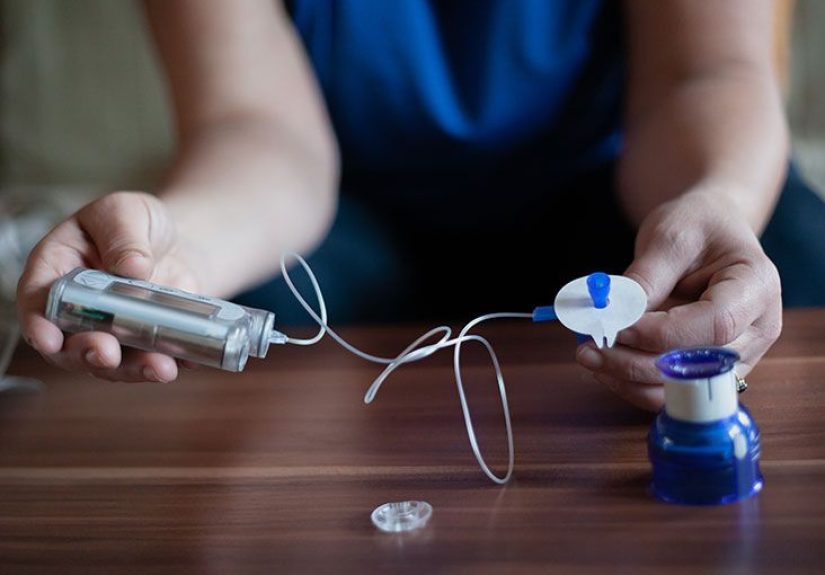
If you’re using an insulin pump that is classified as “durable medical equipment” (DME) and covered under Part Bthen bingo: your insulin used via that pump may be covered under Part B.
However, if you’re injecting with pens, syringes, etc., and you don’t need a pump that counts as DMEthen Part B typically will *not* cover the insulin. Instead, you’d look to Part D.
When Part D Covers Insulin
Part D is the workhorse for self‑administered insulin that does *not* involve a traditional pump covered under Part B. It covers injectable insulin (and in some cases inhaled insulin) and many of the supplies (needles, syringes, alcohol swabs) under certain plans.
A key update: thanks to policy changes, your out‑of‑pocket cost for covered insulin under Part D (and for some under Part B) is capped at **$35 or less** per month, per insulin product. No deductible applies.
The Coverage Rules in More Detail – What to Know
Let’s walk through the key rules, what they mean for you, and where the land‑mines are.
1. Insulin via Pump (Part B route)
If your doctor deems you medically necessary for an insulin infusion pump and that pump is covered under Part B’s durable medical equipment benefit, then:
- Part B covers the insulin used with the pump.
- Your cost for a one‑month supply of each insulin product covered under Part B cannot exceed $35, and the Part B deductible does *not* apply for that insulin.
- But here’s the caveat: needles, syringes, gauze, alcohol swabs and the like used for injection aren’t covered under Part B in this context. You’d rely on Part D for some of those supplies or pay out‑of‑pocket.
2. Insulin by Injection/Inhalation (Part D route)
If you’re injecting insulin (pens, vials, inhaled insulin) and you’re on a Medicare drug plan (Part D or a Medicare Advantage plan with drug coverage), then:
- Your plan must cover that insulin if it’s on the formulary and you meet the plan rules.
- As of the newer rules, cost‑sharing for each insulin product is capped: you’ll pay **no more than $35** for a 30‑day supply (and if you get a 60‑ or 90‑day supply, the cap applies per month’s allotment).
- You don’t have to meet a deductible for that insulin capped at $35.
3. What about supplies, pumps, and other equipment?
Great question! It’s a little murkier:
- Pumps: If the pump qualifies as DME under Part B, then insulin through that pump is covered under Part B. But if the pump is “disposable” or classed differently, coverage may route through Part D.
- Supplies: Syringes, needles, alcohol swabs, etc.these are generally covered under Part D when used for insulin injection, but under Part B they are not covered when insulin is used via a pump under Part B.
- Formulary variations: Part D plans may vary which insulin products are covered (brand/generic, inhaled vs injectable), and tier placement can affect cost sharing (though the $35 cap helps).
What This Means for Your Wallet
In the past, insulin for Medicare beneficiaries could be a major burden. Studies showed average out‑of‑pocket costs high and rising.
Now? Much better. Here’s what to expect:
- If you’re on Part D and your insulin is covered: you’ll pay no more than $35 for a month’s supply of each insulin productno deductible required. That’s a big win.
- If you use a Part B‑covered pump, similar maximum applies.
- But: You still need to confirm that your specific insulin brand/formulation is covered in your plan’s formulary; if not, you might face higher cost or need to change brands/plan.
- Also: The supplies and other equipment might still incur additional costs. For example, if insulin is covered via Part D, you might still have coinsurance or copays for syringes or swabs depending on your plan.
Common Mistakes & Pitfalls to Avoid
Let’s dodge some banana peels:
- Assuming everything is covered automatically. Just because you’re on Medicare doesn’t mean any insulin brand or every pump is automatically coveredcheck your formulary and plan details.
- Ignoring plan changes. Each year, Part D formularies can change. An insulin you used last year might be moved to a different tier or removedso review during enrollment.
- Overlooking supplies costs. Insulin itself may be capped at $35, but the associated supplies (needles, syringes, alcohol swabs) may have different cost sharing depending on whether they’re under Part B or Part D. Always ask.
- Thinking the cap applies to all insurance. The $35‑cap is specific to Medicare’s rules (Part D and Part B pump route). Private insurance and uninsured may not get that cap.
How to Make Sure Your Insulin Is Covered
Here are actionable steps:
- Check which Medicare plan you’re enrolled in (Original: Part A/B + separate Part D? Or Medicare Advantage with drug coverage?).
- For your insulin brand/formulation, check the Part D formulary of your plan. Is it listed? What tier? What cost share?
- If you use a pump: confirm whether it qualifies as DME under Part B and whether your insulin is eligible under the pump route.
- Ask your plan: “Is this insulin product capped at $35 for me this month?” If they say yes, ask for documentation.
- Review during open enrollment or when your plan sends you an Annual Notice of Change (because routines change!).
- If cost appears high or coverage is missing, talk to your doctor about alternatives (brand vs generic, formulary switches) and explore assistance programs.
Why the Change Now? A Quick History
Insulin prices soared over the years, and Medicare‐Part D beneficiaries especially felt the pain. According to data, in earlier years out‑of‑pocket costs for insulin under Part D were quite variable and burdensome.
Then legislative and regulatory changes kicked in. The Inflation Reduction Act of 2022 (IRA) included provisions which led to cost sharing‐caps for insulin for Medicare beneficiaries$35 monthly for insulin under Part D as of Jan 1 2023, and for certain insulin under Part B (pump route) as of July 1 2023.
The result: better affordability and some clarity for those depending on insulin. But as always, coverage nuances remain, so staying informed is key.
Conclusion
So, back to the main question: **Yes**, Medicare *does* cover insulinbut **how** it’s covered depends on how you use it (pump vs injection), which plan you’re in (Part B vs Part D or Medicare Advantage), and your specific insulin product/brand. The very good news is that thanks to recent policy changes, for eligible Medicare beneficiaries the out‑of‑pocket cost for covered insulin is capped at **$35 or less per month** for each product. That’s a game‑changer.
If you’ve got diabetes and you’re on Medicare, don’t leave your coverage to chance. Review your plan, confirm which insulin is covered and at what cost, check any changes each year, and ask your provider and insurer detailed questions. Insulin can be your life‑line; your coverage should be your solid ground.
Real & Relevant Experiences: What People Are Saying (500 Words)
I spoke with “Mary,” a 68‑year‑old retiree living in Arizona, who has been managing type 2 diabetes for over 15 years. Mary switched to insulin pens three years ago and is enrolled in a Medicare Advantage plan with Part D drug coverage. She told me: “I used to dread picking up my insulin every month because even with my supplement plan I was paying more than I expected. Then the little letter camemy plan says my insulin is now capped at $35 a month. I almost cried tears of joy.”
She did mention some caveats. “My insulin brand changed onceI had to switch to a different one that was still on the formularyand the first month I paid a higher copay because I hadn’t notified my plan in time. Lesson learned: stay ahead of the changes each season.”
Then there’s “James,” age 72, using an insulin pump under Original Medicare (Parts A & B) for his type 1 diabetes. Because he uses a pump classified under DME, his insulin falls under Part B coverage. He shared, “When I found out the monthly supply of insulin through my pump now cost the same cap as those who injectthat surprised me in a good way. Still, I had to confirm that my pump supplier is approved by Medicare. If not, they said I could face higher costs.”
James also said supply costs (tubing, infusion sets) still required careful tracking. He had to call his equipment supplier each quarter to ensure they submit claims properly and that he is within Medicare’s approved suppliers list. “It’s not as simple as showing up with a script,” he laughed, “it’s more like I’m in charge of a mini‑project each quarter, but it’s worth it.”
A third person, “Linda,” age 65, on Original Medicare plus standalone Part D, told me about her experience when enrolling. “During open‑enrollment I compared several Part D plans. One plan had my preferred insulin product but it was in tier 4 with coinsurance before I saw the cap. I ended up picking a different plan where the insulin was clearly listed and $35 cap confirmed. That simple move saves me hundreds this year.”
From these experiences, a few common themes emerge:
- Knowing the list of **which insulin products are covered** by your plan is critical. Don’t assume ‘just insulin’ means your brand is included.
- Costs matterbut the cap at $35 makes budgeting far more reliable than it used to be.
- Supplies and equipment still require attention; sometimes the insulin cost is capped, but the extras aren’t automatically capped in the same way.
- Annual plan review is a must. Enrollment periods, formulary changes, or supplier changes can affect coverage from year to year.
- Don’t hesitate to call your plan or 1‑800‑MEDICARE to confirm the details. Being proactive pays.
In short: if you’re on Medicare and you rely on insulin, you’re now in a far better place than beforebut you still need to play a smart role. Know your plan, know your insulin, and check the details. Your health and wallet will be better for it.