Table of Contents >> Show >> Hide
- What Is an Overbite?
- Can Invisalign Fix an Overbite?
- How Invisalign Works to Correct an Overbite
- Invisalign Timeline for Fixing an Overbite
- Invisalign vs. Braces for Overbite Correction
- How Much Does Invisalign for an Overbite Cost?
- What to Expect During Invisalign Treatment
- Can Invisalign Fix an Overbite Permanently?
- Risks of Leaving an Overbite Untreated
- Questions to Ask Your Invisalign Provider
- Practical Tips for Better Invisalign Results
- Realistic Experiences With Invisalign and Overbite Correction
- Conclusion
An overbite can be sneaky. One day you are smiling in a photo, the next day you are wondering why your top teeth seem to have claimed VIP seating over your lower teeth. The good news is that many overbites can be improved with orthodontic treatment, and for the right patient, Invisalign clear aligners may be one of the most comfortable, discreet, and lifestyle-friendly options available.
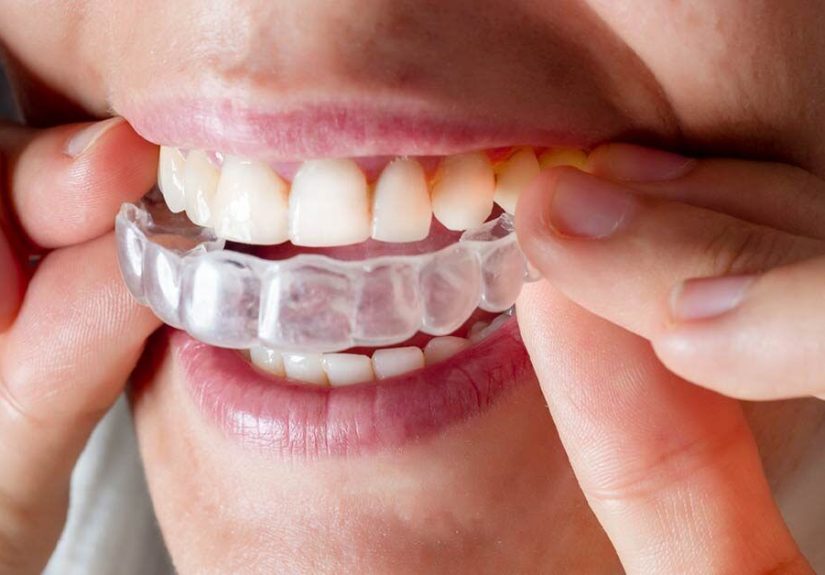
But let’s be clear from the start: Invisalign is not magic plastic. It is carefully planned orthodontic treatment using a series of custom-made aligners that gradually move teeth into better positions. When used correctly, it can help fix certain overbites, especially mild to moderate ones caused mainly by tooth position. For severe overbites caused by jaw structure, braces, growth appliances, or even jaw surgery may be needed.
This guide explains how Invisalign works for overbites, who may be a good candidate, how long treatment can take, what the process feels like, and what real-life patients should expect before, during, and after treatment. Think of it as your friendly orthodontic roadmapminus the confusing dental jargon and minus anyone telling you to “just bite normally” when you clearly would if your teeth allowed it.
What Is an Overbite?
An overbite happens when the upper front teeth overlap the lower front teeth more than they should. A small amount of overlap is normal. In fact, most people have some vertical overlap between the top and bottom front teeth. The problem starts when the overlap becomes deep enough to affect appearance, chewing, speech, tooth wear, gum health, or jaw comfort.
Many people use “overbite” as a catch-all term, but orthodontists often separate bite problems into more specific categories. A true overbite usually refers to vertical overlap. Overjet, on the other hand, refers to how far the upper front teeth stick out horizontally beyond the lower front teeth. Some people have both, which is basically the dental version of getting a two-for-one deal nobody asked for.
Common signs of an overbite
You may have an overbite if your upper teeth cover much of your lower teeth when you bite down. Other signs can include lower teeth touching the roof of the mouth, worn front teeth, jaw soreness, difficulty biting into foods, speech changes, or a smile that looks uneven from certain angles. Some overbites are mostly cosmetic, while others can create functional problems over time.
What causes an overbite?
Overbites can happen for several reasons. Genetics plays a major role, especially when jaw size or jaw position is involved. Childhood habits such as thumb sucking, long-term pacifier use, tongue thrusting, or mouth breathing may also contribute. Missing teeth, crowded teeth, grinding, and uneven tooth eruption can make the bite deeper as well.
The key question is whether the overbite is mostly dental or skeletal. A dental overbite comes from the position of the teeth. A skeletal overbite comes from the shape, size, or relationship of the jaws. Invisalign is often more predictable for dental overbites than for severe skeletal overbites.
Can Invisalign Fix an Overbite?
Yes, Invisalign can fix many overbites, especially mild to moderate cases. The aligners can move teeth gradually, improve how the upper and lower teeth meet, and help create a more balanced bite. In some cases, Invisalign treatment may include attachments, elastics, bite ramps, or mandibular advancement features to guide tooth and jaw positioning more effectively.
However, not every overbite is a perfect Invisalign case. Severe overbites, especially those caused by major jaw misalignment, may require traditional braces, orthodontic appliances, or surgical orthodontics. This is why a professional evaluation matters. Your dentist or orthodontist needs to examine your bite, take scans or X-rays, and decide whether clear aligners can deliver a stable, healthy result.
Best candidates for Invisalign overbite correction
Invisalign may be a good option if your overbite is mild to moderate, your teeth and gums are healthy, and you can commit to wearing aligners for the recommended daily time. It is also a strong choice for people who want a less noticeable alternative to braces and appreciate being able to remove aligners for eating, brushing, and flossing.
Adults and teens can both be candidates. Teens may benefit from special features designed for growing mouths, while adults often like Invisalign because it does not announce itself in every meeting, selfie, or awkward grocery-store conversation with a former classmate.
When Invisalign may not be enough
Invisalign may not be the best stand-alone treatment if the overbite is very deep, the lower jaw sits far behind the upper jaw, teeth need major vertical movement, or there are complex bite issues involving multiple directions. Cases with severe crowding, missing teeth, gum disease, or unstable jaw joints may also need a more customized plan.
This does not automatically mean Invisalign is impossible. Sometimes orthodontists combine aligners with elastics, temporary anchorage devices, bite correction tools, or limited braces. The real answer depends on the individual case, not on a one-size-fits-all internet verdict.
How Invisalign Works to Correct an Overbite
Invisalign treatment begins with a digital scan or dental impressions. These records help create a 3D model of your teeth and bite. From there, your provider designs a step-by-step treatment plan showing how each tooth should move. A series of custom aligners is then made to guide those movements.
Each aligner is slightly different from the one before it. When worn in order, the trays apply gentle, controlled pressure to specific teeth. Over time, this pressure moves teeth into better alignment. For overbite correction, the goal is not just to make teeth look straight from the front. The goal is to improve how the upper and lower teeth fit together when you bite.
Tooth movement
Many overbite cases involve upper front teeth that need to move upward, backward, or into a better angle. Lower front teeth may need to move forward, upward, or into a more stable position. Back teeth may also be adjusted to help open the bite and improve contact. This is why overbite correction often involves the whole mouth, not just the front teeth that seem to be stealing the spotlight.
Attachments
Attachments are small tooth-colored shapes bonded to selected teeth. They give aligners extra grip so they can move teeth more precisely. Attachments are common in Invisalign treatment and may be especially useful when correcting bite problems. They are not usually painful, but they can make aligners feel tighter and slightly more noticeable.
Elastics
Some Invisalign overbite cases require small rubber bands, also called elastics. These connect the upper and lower aligners or attachment points to help guide the bite. Elastics can help correct the relationship between the upper and lower arches. They are tiny, but they are surprisingly powerfullike the dental version of a gym trainer who says, “Just one more rep,” and somehow means forty.
Bite ramps and mandibular advancement
Some Invisalign plans use bite ramps, which are small built-in features on the aligners that help control how the front teeth meet. For growing teens, mandibular advancement features may be used in certain cases to encourage the lower jaw into a more forward position while the teeth are being aligned. These options are case-specific and require careful provider planning.
Invisalign Timeline for Fixing an Overbite
The timeline for Invisalign overbite correction depends on the complexity of the bite, the amount of tooth movement needed, patient age, daily wear time, and whether refinements are required. Many mild to moderate cases take around 12 to 24 months. Some simple cases may show visible changes within a few months, while complex cases can take longer.
Patients usually wear each aligner for about one to two weeks, depending on the provider’s instructions. The aligners should typically be worn 20 to 22 hours per day. That means they come out for meals, drinks other than water, brushing, and flossingbut not for three-hour snack marathons disguised as “study breaks.”
Month 0: Consultation and records
The first step is an orthodontic consultation. Your provider examines your teeth, bite, gums, jaw, and facial profile. Digital scans, photographs, and X-rays may be taken. This visit determines whether Invisalign is appropriate and what type of result is realistic.
Months 1 to 3: Early movement
During the first few months, teeth begin shifting. Most patients feel pressure with each new aligner, especially during the first day or two. This pressure usually fades as teeth adapt. Some people notice small visual changes quickly, while others see bite changes before cosmetic changes become obvious.
Months 4 to 9: Bite correction becomes clearer
This is often when the overbite correction becomes more noticeable. Attachments and elastics may be doing much of the behind-the-scenes work. The front teeth may look better aligned, but the back teeth and bite relationship are still being fine-tuned. Patience is important here. Orthodontics is not a microwave dinner; it is more like slow cooking with very expensive plastic trays.
Months 10 to 18: Refinement and detail work
Many patients enter a refinement phase after the first set of aligners. Refinements are additional aligners used to perfect tooth movement and improve bite contact. This is normal and does not mean treatment failed. It means your provider is making sure the result is not just “good enough for a blurry photo,” but stable and functional.
Months 18 to 24 and beyond: Final alignment and retention
More complex overbites may require 18 to 24 months or longer. Once active treatment is finished, retainers are needed to keep teeth from shifting back. Retainers are not optional decorations for your nightstand. They are the security guards protecting your new bite.
Invisalign vs. Braces for Overbite Correction
Both Invisalign and braces can treat overbites. The better option depends on the diagnosis. Invisalign is removable, nearly invisible, and easier for brushing and flossing. Braces are fixed to the teeth, which means they work all day without relying on patient compliance. Braces may also be more effective for severe or highly complex bite problems.
For mild to moderate overbites, Invisalign can be an excellent choice when planned by an experienced provider. For severe skeletal overbites, traditional braces combined with other appliances or surgery may be more predictable. The best treatment is not the trendiest one; it is the one that actually fixes the problem safely.
Advantages of Invisalign
Invisalign aligners are clear, smooth, removable, and generally comfortable. There are no brackets or wires, and there are fewer food restrictions because aligners come out when you eat. Oral hygiene is also easier because you can brush and floss normally. For many adults and teens, the discreet appearance is a major confidence booster.
Disadvantages of Invisalign
Invisalign requires discipline. If you do not wear the aligners enough, treatment can slow down or stop tracking correctly. Aligners can be lost, stained, warped by heat, or accidentally wrapped in a napkin and thrown awaya surprisingly common tragedy in the orthodontic universe. Complex bite correction may also require elastics, attachments, and refinements.
How Much Does Invisalign for an Overbite Cost?
The cost of Invisalign for overbite correction varies based on case complexity, location, provider experience, treatment length, insurance coverage, and whether refinements are included. In the United States, Invisalign treatment often falls within a broad range similar to braces, though exact fees must come from your provider.
A simple case may cost less than a complex overbite requiring elastics, attachments, multiple refinements, or longer treatment. Dental insurance may cover part of orthodontic treatment if your plan includes orthodontic benefits. Many offices also offer payment plans, flexible spending account options, or health savings account eligibility.
What to Expect During Invisalign Treatment
Most patients adjust to Invisalign within the first week or two. The aligners may feel tight at first, and speech may sound slightly different until your tongue learns the new landscape. Mild soreness is common after switching trays. This usually means the aligners are doing their job, not that your teeth are filing a formal complaint.
Eating and drinking
You should remove aligners before eating. Drinking water with aligners in is usually fine, but coffee, tea, soda, juice, and sports drinks can stain aligners or increase cavity risk if trapped against teeth. Hot drinks can also warp the plastic. Basically, aligners enjoy a simple lifestyle: water only, please.
Cleaning aligners
Clean aligners daily using a soft toothbrush and clear, gentle soap or recommended cleaning crystals. Avoid toothpaste that is too abrasive, and do not soak aligners in colored mouthwash. Brush and floss before putting aligners back in to prevent food and plaque from getting sealed against your teeth.
Checkups
You will have periodic checkups so your provider can confirm that your teeth are tracking properly. Some appointments may be in person, while others may involve remote monitoring depending on the office. If an aligner stops fitting well, contact your provider instead of forcing it and hoping your teeth “get the memo.”
Can Invisalign Fix an Overbite Permanently?
Invisalign can create long-lasting overbite correction, but only if the result is maintained. Teeth naturally want to shift over time. This is true after braces, Invisalign, or any orthodontic treatment. Retainers are essential after treatment because they hold teeth in their corrected positions while bone and gum tissues stabilize.
Your provider may recommend removable retainers, fixed retainers, or a combination of both. At first, you may need to wear retainers full-time or nightly. Later, many patients switch to nighttime wear. The exact schedule depends on your provider’s instructions and your risk of relapse.
Risks of Leaving an Overbite Untreated
Not every overbite causes major problems, but deeper overbites can lead to tooth wear, gum irritation, jaw discomfort, difficulty chewing, speech issues, and increased risk of dental trauma. In some cases, the lower front teeth may bite into the roof of the mouth, causing soreness or tissue damage.
Cosmetic concerns also matter. Feeling self-conscious about your smile can affect confidence in photos, school, work, dating, presentations, and everyday conversations. A healthier bite is not just about looking better; it can also help your teeth function better.
Questions to Ask Your Invisalign Provider
Before starting Invisalign for an overbite, ask your provider what type of overbite you have and whether it is dental, skeletal, or both. Ask how long treatment may take, whether elastics or attachments are needed, how refinements are handled, and what retainers will be required after treatment.
You should also ask what happens if your teeth do not track as planned. A good provider will explain the backup plan. Orthodontic treatment is highly planned, but real teeth sometimes behave like independent contractors. Monitoring and adjustments are part of the process.
Practical Tips for Better Invisalign Results
Wear your aligners consistently
The most important rule is simple: wear the aligners as instructed. Most patients need 20 to 22 hours per day. Falling short repeatedly can delay treatment and compromise results. If you want Invisalign to work, your aligners need to spend more time in your mouth than in their case.
Use chewies if recommended
Chewies are small foam-like tools that help seat aligners fully against the teeth. Your provider may recommend them if aligners are not fitting tightly. They can be especially helpful when attachments are involved.
Keep aligners away from heat
Do not rinse aligners in hot water, leave them in a hot car, or place them near heat sources. Heat can warp the plastic and affect the fit. A warped aligner is not a fashion statement; it is a treatment problem.
Do not skip retainers
Retention is part of treatment, not an optional sequel. After months of moving your teeth, retainers help keep everything stable. Skipping retainers can allow teeth and bite patterns to shift back.
Realistic Experiences With Invisalign and Overbite Correction
Many people begin Invisalign treatment expecting the clear trays to be almost invisible and easy to manage. For the most part, that can be true, but the first week often comes with surprises. The aligners may feel tight, the edges may rub a little, and speaking may feel unusual. Some patients develop a slight lisp at first, especially with certain sounds. The good news is that this usually improves quickly as the mouth adapts.
One common experience is that the overbite does not look dramatically different right away. This can frustrate patients who expect instant results. Invisalign works in stages. Early trays may focus on making space, rotating teeth, or aligning the arches before the bite itself looks better. In other words, the treatment may be building the foundation before decorating the house.
Patients using elastics often say they are annoying at first but manageable after a few days. The biggest challenge is remembering to replace them after meals or brushing. Keeping extra elastics in a backpack, purse, desk drawer, or bathroom cabinet can make life easier. Nobody wants to realize at 2 p.m. that their rubber bands are sitting at home like tiny unemployed noodles.
Another real-life lesson is that eating habits change. Since aligners must be removed before meals and teeth should be cleaned before putting them back in, casual snacking becomes less convenient. Some patients jokingly call this the “Invisalign snack tax.” It does not mean you cannot enjoy food; it simply means you become more intentional about when you eat.
Cleaning routines also become more important. Patients quickly learn to carry a travel toothbrush, floss picks, and a case. The case is especially important. Wrapping aligners in a napkin is risky because napkins have a mysterious ability to disappear into trash cans. Losing an aligner can delay treatment or require wearing a previous tray while waiting for instructions.
For overbite correction, patients may notice that their bite feels “off” during treatment. This can be normal because teeth are moving and the bite is changing. There may be moments when back teeth do not touch evenly or front teeth feel different when chewing. These changes should be monitored by the provider, but temporary bite awkwardness is often part of the process.
Many patients say the most encouraging moment happens when they compare progress photos. Day-to-day changes can be hard to see because tooth movement is gradual. Monthly photos from the same angle can reveal improvement that the mirror hides. It is like watching grass grow, except the grass is your smile and the lawn care costs significantly more.
Refinements are another common experience. Some patients feel disappointed when they hear they need more aligners after finishing the first set. But refinements are normal in Invisalign treatment, especially for bite correction. They help improve final details, close tiny gaps, correct stubborn rotations, and make the bite fit better.
The final stageretainerscan feel boring compared with active treatment, but it is crucial. Patients who wear retainers as instructed are more likely to preserve their results. Those who skip retainers may notice shifting, tightness, or bite changes later. After investing time, money, and effort into fixing an overbite, wearing retainers is the simplest way to protect the outcome.
Overall, Invisalign overbite treatment can be a positive experience for the right candidate. It requires commitment, patience, and honest communication with the provider. The aligners are discreet, but the responsibility is not invisible. Patients who follow instructions, keep appointments, wear elastics if prescribed, and take retention seriously tend to have the smoothest experience.
Conclusion
Invisalign can be an effective way to fix many mild to moderate overbites, especially when the issue is mainly related to tooth position rather than severe jaw imbalance. The treatment uses custom clear aligners to move teeth gradually, often with the help of attachments, elastics, bite ramps, or other specialized features. Most cases require consistent daily wear, regular monitoring, and a commitment to retainers after treatment.
The biggest takeaway is simple: Invisalign works best when the case is properly diagnosed and the patient follows the plan. It is discreet, removable, and convenient, but it is still real orthodontic treatment. If your overbite affects your smile, bite, comfort, or confidence, a consultation with an experienced Invisalign provider can help you understand whether clear aligners are the right pathor whether another treatment would give you a healthier, more stable result.