Table of Contents >> Show >> Hide
- Why the TARVA Is the Perfect Hack Base
- Design Direction First, Drill Later
- Materials Checklist
- Step-by-Step: How to Hack an IKEA TARVA Dresser That Actually Lasts
- Step 1: Assemble strategically
- Step 2: Prep the surface like a pro
- Step 3: Fill, level, and refine
- Step 4: Prime for adhesion and consistency
- Step 5A: Paint path (smooth and durable)
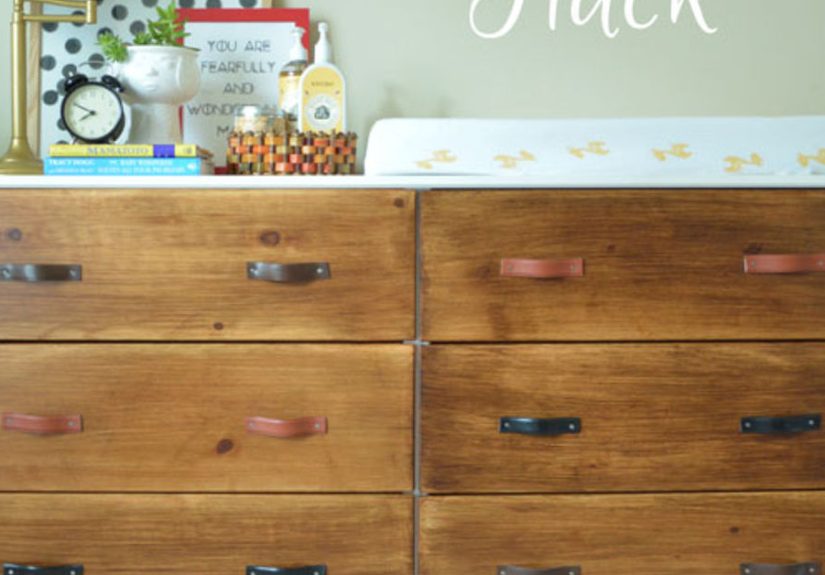
- Step 5B: Stain path (wood grain hero mode)
- Step 6: Install hardware and optional leg upgrades
- Step 7: Topcoat and cure
- Seven TARVA Hack Ideas You Can Actually Finish
- Common TARVA Hack Mistakes (And How to Avoid Them)
- Budget and Timeline Planning
- Care and Maintenance
- Safety Notes You Should Not Skip
- Conclusion
- Experience Notes: from Real IKEA TARVA Dresser Hack Projects
- SEO Tags
If you’ve ever looked at an IKEA TARVA and thought, “You’re cute, but you need a personality,” welcome to the club.
The TARVA is one of those rare pieces that feels like a blank notebook: a little plain, very useful, and full of potential.
Whether your vibe is modern minimal, cozy farmhouse, organic modern, vintage-inspired, or “I saw this on Pinterest and now I must build it,”
a TARVA hack gives you a custom look without custom-furniture pricing.
This guide walks you through an in-depth, real-world approach to transforming a TARVA dresser so it looks intentional, durable, and expensive
(without requiring a workshop the size of an airplane hangar). You’ll get a full strategy: choosing a style, planning materials, surface prep,
painting or staining, trim work, hardware upgrades, and finishing touches that keep your makeover looking sharp after daily use.
We’ll also cover the mistakes that make dressers look “DIY” in the wrong wayand how to avoid them.
Grab your coffee, your playlist, and that confidence you get from watching one tutorial too many. Let’s make your TARVA look like it belongs in a designer showroom.
Why the TARVA Is the Perfect Hack Base
The IKEA TARVA line is popular for one big reason: it’s unfinished solid pine. That means you can stain it, paint it, wax it, and modify it more easily than many factory-finished pieces.
Unfinished wood also makes color absorption and custom finishes more forgiving when you prep correctly.
Translation: you’re not fighting a super slick mystery coating while trying to convince paint to stick. You’re starting with a surface that actually wants to cooperate.
That’s why the TARVA gets used for everything from kids’ room storage to elevated bedroom furniture and even boutique-style nursery setups.
Design Direction First, Drill Later
Before you touch sandpaper, choose a clear design direction. Random DIY shopping is how people end up with black pulls, gold legs, walnut stain, and coastal-blue paint all on one dresser.
(Unless that’s your artistic statement. In that case, carry on, Picasso.)
Popular TARVA hack styles
- Modern Organic: warm stain, rounded wood knobs, matte protective topcoat, soft neutral walls.
- Luxe Minimal: smooth painted finish, slim metal pulls, low contrast palette, clean leg profile.
- Fluted Statement: half-round dowels or slats on drawer fronts, monochrome paint, long bar pulls.
- Cane/Rattan Front: framed cane inserts or faux-cane overlays for texture and lightness.
- Classic Transitional: muted color, elegant knobs, subtly upgraded feet, timeless lines.
- Kid-Friendly Upgrade: durable enamel, rounded hardware, washable finish, playful but controlled color.
Materials Checklist
Core tools
- Screwdriver + drill/driver
- Orbital sander or sanding block
- Sandpaper (120, 150, 220 grit)
- Tack cloth or microfiber cloth
- Painter’s tape + drop cloth
- Small foam roller + angled brush
- Wood filler + putty knife
- Measuring tape + square + pencil
Finish products
- Bonding primer (especially if combining materials)
- Furniture paint or cabinet-grade enamel
- Stain + pre-stain conditioner (if staining)
- Clear topcoat (water-based polyurethane or polycrylic)
Style upgrade items
- New drawer pulls or knobs
- Decorative trim, lattice, or fluted dowels
- Replacement feet/legs (if desired)
- Optional cane webbing and framing strips
Step-by-Step: How to Hack an IKEA TARVA Dresser That Actually Lasts
Step 1: Assemble strategically
Build the dresser body according to instructions, but decide early whether you’ll finish drawer fronts separately.
Many DIYers get cleaner results by painting or staining drawer fronts off the unit, then installing hardware later.
If you plan to add trim, cane, or fluting, dry-fit your design first. Lay all decorative elements on the drawer front and check spacing before any adhesive is opened.
Ten extra minutes here can save two hours of regret.
Step 2: Prep the surface like a pro
Prep is the part everyone wants to skip. Prep is also the reason some hacks look premium while others chip by month two.
Lightly sand visible surfaces. For solid pine, a smooth progression like 120 to 150 works well; finish sanding can go finer depending on your final finish.
Remove dust thoroughly. Don’t sand and immediately paint over a dust cloud. Wipe with tack cloth or microfiber until the surface is clean.
If there are knots or uneven texture you don’t want telegraphing through paint, spot-prime those areas first.
Step 3: Fill, level, and refine
If you’re changing hardware spacing, fill old holes with quality wood filler. Let it cure fully, sand flush, and inspect under side lighting.
Side lighting reveals every dip, ridge, and tiny crater your overhead light politely ignored.
Installing trim? Cut pieces, label each one, then do a dry mockup. For fluted fronts, keep spacing consistent with spacer blocks.
For cane inserts, create clean framed boundaries so edges look intentional, not improvised.
Step 4: Prime for adhesion and consistency
Even on unfinished pine, primer creates a more predictable base for color and durability. Use thin, even coats.
Let primer dry completely and lightly sand between coats if grain raises.
Going dark? A tinted primer can improve coverage and reduce the number of paint coats needed.
Going light over a varied wood tone? Primer helps prevent blotchy undertones from peeking through.
Step 5A: Paint path (smooth and durable)
Use cabinet/furniture-grade paint or enamel for hardness and cleanability. Apply multiple thin coats instead of one thick coat.
Roll flat areas and tip off edges with a brush as needed for a smooth finish.
Let each coat dry before recoating. Rushing this step is how fingerprints, drag marks, and “why is this still tacky?” happen.
Sand lightly between coats with fine grit for a silky result.
Step 5B: Stain path (wood grain hero mode)
If you want a natural wood look, condition first, then stain with the grain. Wipe excess consistently for even color.
Test stain on an unseen area (or scrap pine) before committing.
Important: stain adds color, not full protection. Seal with a clear finish after stain cures.
This is the difference between “pretty now” and “still pretty after a year of real life.”
Step 6: Install hardware and optional leg upgrades
Swapping hardware is the fastest visual upgrade in the entire project. For clean alignment, use a hardware jig or template.
If replacing feet/legs, make sure load capacity and mounting plates are compatible with the base construction.
Pro styling trick: match metal finishes with nearby room accents (lamp bases, mirror frames, door levers) for a cohesive, designer feel.
Step 7: Topcoat and cure
High-touch areas (drawer fronts, top surface) benefit from a durable clear coat, especially for family bedrooms, kid spaces, or humid climates.
Use thin coats and allow full cure time before heavy use.
“Dry” is not always “fully cured.” If you re-load drawers too soon, even great paint can scuff.
Seven TARVA Hack Ideas You Can Actually Finish
1) Two-Tone Scandinavian
Keep the body painted (soft white, warm greige, muted sage), and stain drawer fronts in a light oak tone.
Add simple wooden pulls for a calm, natural look.
2) Fluted Boutique Dresser
Add half-round dowels to drawer fronts, paint everything one color (matte olive, charcoal, or mushroom), then install slim bar pulls.
This one looks expensive with relatively low material cost.
3) Cane Front Coastal
Frame cane inserts on selected drawers and use natural or light neutral paint.
Perfect for breezy bedrooms, guest rooms, or casual modern spaces.
4) Heritage Farmhouse
Use a medium walnut stain, antiqued cup pulls, and understated turned legs.
Add a satin topcoat for an “old-meets-new” finish.
5) Minimal Black Statement
Paint body and drawers the same deep black, then use small brass or black pulls.
Keep styling around it clean: one sculptural lamp, one frame, one plant.
6) Nursery-to-Big-Kid Transition
Soft paint color, rounded knobs, and durable topcoat. Choose a style that can survive stuffed-animal years and still look good later.
7) No-Cut “Weekend Win”
Don’t add trim. Don’t cut legs. Just prime, paint, and swap hardware.
This is the best beginner-friendly path if your goal is a quick but polished transformation.
Common TARVA Hack Mistakes (And How to Avoid Them)
- Skipping sanding: Paint adhesion suffers. Always scuff, clean, then coat.
- Heavy coats: Drips, long dry time, brush marks. Use thin layers.
- No test board: Stain surprises are real. Test before full application.
- Bad hardware alignment: Measure twice, drill once, jig always.
- Ignoring cure time: Drawer faces scuff quickly if used too soon.
- Forgetting safety anchoring: Anchor the dresser to the wall, especially in homes with children.
Budget and Timeline Planning
| Project Level | Estimated Extra Material Cost | Time Needed |
|---|---|---|
| Basic (paint + hardware) | $40–$120 | 1 weekend |
| Intermediate (paint + trim/fluting + hardware) | $90–$220 | 2 weekends |
| Advanced (stain + custom fronts + feet + pro finish) | $150–$350+ | 2–3 weekends |
Budget tip: spend where your eye lands firsthardware, drawer-front detail, and finish quality.
People notice those three elements more than almost anything else.
Care and Maintenance
- Use soft cloths and mild cleaner; avoid harsh abrasives.
- Wipe spills quickly, especially on stained tops.
- Add felt pads under decor objects to reduce micro-scratches.
- Check pull screws every few months; loose hardware accelerates wear.
- Touch up chips early so they don’t spread.
Safety Notes You Should Not Skip
Any dresser can become unstable when drawers are open, loaded unevenly, or climbed on.
Anchor your TARVA to the wall using proper hardware for your wall type.
This is especially important in homes with children or pets.
Safety is not a “later” task. It’s part of the build.
Conclusion
A successful IKEA TARVA dresser hack is less about buying fancy supplies and more about sequencing: design first, prep seriously, apply thin coats,
finish for durability, and style with intention. When you follow that order, even a beginner project can look custom-made.
Start simple if this is your first furniture makeover. Then, once you’re comfortable, layer in trim, specialty fronts, and custom feet.
The TARVA rewards patience and creativityand it’s one of the easiest ways to get a high-end look on a real-world budget.
Experience Notes: from Real IKEA TARVA Dresser Hack Projects
After helping friends, neighbors, and way too many “just one quick project” weekends, I’ve seen a pattern: the most beautiful TARVA hacks are rarely the most complicated.
The best ones are the projects where someone made three smart decisions early: they picked one design direction, they prepped thoroughly, and they let things dry.
That’s it. Not glamorous, but wildly effective.
One of my favorite transformations came from a renter who wanted a high-end look without permanent changes to her bedroom.
She picked a warm mushroom paint color, swapped the knobs for long brushed-brass pulls, and added thin wood trim frames to each drawer.
No dramatic carpentry. No custom saw station. Just careful measuring and clean paint work.
When she styled it with a round mirror and a textured lamp, the dresser looked like it had been sourced from a boutique furniture brand.
Her total extra spend was under $130, and people still ask where she bought it.
Another memorable project was in a kid’s room where durability mattered more than aestheticsuntil we realized we could have both.
We used a wipeable enamel finish in a muted blue-green, rounded wood knobs, and a low-sheen topcoat on the top surface.
The drawer interiors got simple organizers so socks and tiny T-shirts stopped staging rebellion every morning.
Six months later, it still looked good despite stickers, toy collisions, and one unfortunate slime incident.
The parent’s review was: “I finally own furniture that survives bedtime chaos.” That is five-star feedback in my book.
I also watched a couple attempt a dark-stain TARVA with zero test swatches. The first drawer came out much darker than expected.
Instead of panicking, they sanded back lightly, reconditioned, and tested again on the back panel.
The second try was perfectrich, even, and warm. Their big lesson (now repeated like gospel): test first, ego second.
They now keep a “mistake board” in their garage and call it their DIY tuition.
The fluted-front trend has shown up in several projects too. What separates good from great is spacing.
The polished versions used spacer blocks and dry layout marks, so every dowel looked intentional.
The rushed versions looked close from ten feet away but slightly wavy up close.
If you’re doing fluting, treat alignment like your part-time job for one evening. Future-you will be grateful every time you walk past it.
The most underrated win across nearly every TARVA hack has been hardware scale.
Small knobs on wide drawers can make even a great paint job feel unfinished.
Long pulls or thoughtfully sized knobs instantly create proportion and visual confidence.
It’s the furniture equivalent of tailoring: same piece, better fit, dramatically better result.
If I had to summarize all those experiences in one sentence, it would be this:
a TARVA hack looks expensive when your process is disciplined and your design choices are consistent.
You don’t need elite tools. You need a clear plan, patient prep, and the courage to do “boring” steps well.
That’s how a plain pine dresser becomes the piece guests notice first.