Table of Contents >> Show >> Hide
- What Is Dobos Torta, Exactly?
- Why This Recipe Works
- Ingredients and Smart Substitutions
- Equipment Checklist
- Step-by-Step: Hungarian Dobos Torta Recipe
- Pro Tips for Perfect Layers and Crackly Caramel
- Make-Ahead and Storage
- Troubleshooting (Because Cake Happens)
- Serving Ideas
- Real-Kitchen Experiences: What It Feels Like to Make Dobos Torta
If cakes had a red-carpet event, Hungarian Dobos Torta would arrive wearing sunglasses, carrying a crisp caramel fan,
and pretending it “just threw this on.” In reality, this dessert is a carefully engineered showstopper:
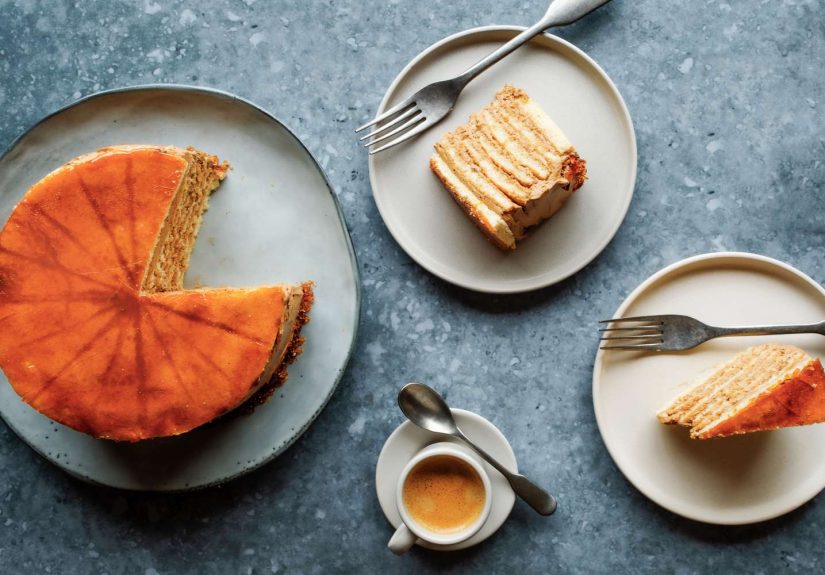
ultra-thin sponge layers, silky chocolate buttercream, and that famous
glass-like caramel crown that cracks with a tiny, satisfying snap.
The good news: despite its fancy vibes, Dobos Torte is not a “three-day, 40-step, summon-your-courage” pastry project.
It’s more like a well-organized cooking playlistrepeatable, rhythmic, and surprisingly doable if you set up your workspace.
You’ll bake a batch of thin layers quickly, whip a chocolate buttercream that tastes like a celebration, then top it all with caramel wedges
that make people say, “Wait… you made that?”
This guide gives you a practical, American-kitchen-friendly approach to a classic Dobos Torta recipe, including
smart shortcuts, troubleshooting, and the small details that make it look bakery-level without requiring a pastry diploma.
What Is Dobos Torta, Exactly?
Dobos Torta (also written “Dobos Torte” or “Dobosh”) is a Hungarian layered sponge cake known for two signature traits:
multiple thin cake layers and a dramatic caramel-topped finishing layer. Traditionally, the layers are filled (and often lightly frosted)
with chocolate buttercream, while the sides may be coated with ground nuts (hazelnuts are a common favorite).
You’ll also hear friendly debate about the “correct” number of layers. Some versions use five or six, others use seven, and some bakers go even higher.
In this recipe, we lean into the headline-worthy version: seven thin sponge layers, with one reserved for the caramel top.
The result is tall enough to feel special, but not so tall that slicing becomes an Olympic sport.
Why This Recipe Works
1) Thin layers = fast baking + elegant slices
Instead of baking one thick cake and splitting it (stressful), Dobos is built from thin, quickly baked rounds.
Because each layer is slim, it bakes in minutes and stays flexible enough to stack neatly.
2) Chocolate buttercream that’s rich, not cloying
Many classic Dobos-style frostings use a whipped butter base plus melted chocolate (sometimes with egg or syrup methods).
This version gives you a deep chocolate flavor with enough structure to hold clean layers and a tidy finish.
You can also add espresso or rum (optional) for that “European café dessert” vibe.
3) Caramel topping added at the right time
The caramel crown is iconic, but it’s also sensitive to moisture. The key is simple:
make the caramel wedges close to serving so they stay crisp instead of turning sticky.
Ingredients and Smart Substitutions
For the seven sponge layers
- 8 large eggs, separated (room temperature)
- 1 cup (200g) granulated sugar, divided
- 1 cup (120g) cake flour (or all-purpose flour sifted well)
- 2 tablespoons (16g) cornstarch (helps keep layers tender)
- 1/2 teaspoon fine salt
- 1 teaspoon vanilla extract
- 2 tablespoons (28g) unsalted butter, melted and cooled (optional, for a slightly richer sponge)
- 1 teaspoon lemon juice (helps stabilize egg whites)
Flour note: Cake flour makes a softer crumb, but you can absolutely use all-purpose flourjust sift it well and avoid overmixing.
For the chocolate buttercream
- 1 1/2 cups (340g) unsalted butter, softened
- 10 ounces (285g) bittersweet chocolate, melted and cooled (not hot)
- 1 1/2 cups (180g) powdered sugar, sifted
- 2 tablespoons (10g) cocoa powder, sifted
- 2–3 tablespoons heavy cream (as needed for texture)
- 1 teaspoon vanilla extract
- 1/4 teaspoon fine salt
- Optional: 1–2 teaspoons espresso powder (dissolved) or 1 tablespoon dark rum
For the caramel top + finishing
- 1 cup (200g) granulated sugar
- 2 tablespoons water
- 1 teaspoon lemon juice (helps reduce crystallization)
- 1–2 teaspoons neutral oil (for greasing knife/parchment)
- 1 cup (120g) finely ground toasted hazelnuts (or almonds) for the sides
Equipment Checklist
- Two baking sheets
- Parchment paper (you’ll make 7 circles)
- 9-inch round template (a cake pan works)
- Offset spatula (strongly recommended)
- Stand mixer or hand mixer
- Cooling racks
- Small saucepan (for caramel)
- Candy thermometer (helpful, not required)
- Sharp knife (for caramel scoring)
Step-by-Step: Hungarian Dobos Torta Recipe
Step 1: Prep your pans (the “seven circles” move)
- Preheat oven to 375°F.
- Trace seven 9-inch circles on parchment paper. Flip parchment over so the pencil/ink side is down.
- Place parchment on baking sheets (you’ll reuse sheets in batches). Lightly butter the parchment surface, then dust with flour, tapping off excess.
Why this matters: Thin layers bake quickly and can stick if parchment isn’t prepped. A light butter/flour coat makes release predictable.
Step 2: Make the sponge batter
- Sift together cake flour, cornstarch, and salt. Set aside.
- In a mixing bowl, beat egg yolks with 3/4 cup (150g) sugar until pale, thick, and ribboning (2–4 minutes).
- Beat in vanilla. If using, drizzle in melted butter and mix briefly.
- In a clean bowl, beat egg whites until foamy. Add lemon juice, then slowly add remaining 1/4 cup (50g) sugar. Beat to glossy, medium-stiff peaks.
- Fold 1/3 of the whites into the yolk mixture to lighten it, then gently fold in the remaining whites.
- Sprinkle the flour mixture over the batter in two additions, folding gently until no dry streaks remain.
Step 3: Bake the seven thin layers
- Portion batter onto the first parchment circle (about 1/2 cup per layer, depending on your egg size and how thin you spread).
- Use an offset spatula to spread batter evenly to the edge of the circle.
- Bake 5–7 minutes, until lightly golden and springy.
- Slide parchment to a rack. Let sit 1–2 minutes, then peel cake gently from parchment.
- Repeat until all seven layers are baked. Keep layers covered with a clean towel as they cool to prevent drying.
Evenness tip: If your layers vary a little, stack the prettiest, flattest one for the caramel top.
Dobos is forgivingyour buttercream is basically delicious edible spackle.
Step 4: Make the chocolate buttercream
- Beat softened butter until creamy and lighter in color (2–3 minutes).
- Add powdered sugar, cocoa, salt, and vanilla. Beat until smooth.
- Pour in melted, cooled chocolate. Beat until glossy.
- Add heavy cream 1 tablespoon at a time until spreadable (you want “silky peanut butter” texture).
- If using espresso or rum, mix in now.
Step 5: Assemble the Dobos Torte
- Place one sponge layer on a cake board or serving plate.
- Spread a thin, even layer of buttercream (about 1/3 cup) over the cake.
- Repeat with the next five layers, keeping the stack straight as you go.
- Place the seventh layer aside for the caramel topping.
- Apply a thin crumb coat to the top and sides of the stacked cake. Chill 20–30 minutes.
- Frost the cake smoothly with remaining buttercream. Press ground toasted nuts onto the sides.
Pro move: Chilling between coats makes the final finish cleaner and reduces “buttercream drag” that can tear delicate layers.
Step 6: Make the caramel top (and cut it before it hardens)
- Place the reserved sponge layer on a piece of parchment lightly brushed with neutral oil (or set it on a lightly greased silicone mat).
- In a small saucepan, combine sugar, water, and lemon juice. Heat over medium without stirring once it begins to boil.
- Cook until deep amber (about 320–340°F if using a thermometer).
- Immediately pour caramel over the reserved layer and spread quickly with an oiled offset spatula.
- Oil a sharp knife. Score and cut the caramel-topped layer into 12–16 wedges while the caramel is still workable (this window is brief!).
- Let wedges cool until firm and glossy.
Step 7: Decorate like you mean it
- Arrange caramel wedges on top of the frosted cake in a fan or spiral.
- If desired, pipe small buttercream dots around the edge to “anchor” each wedge.
- Slice with a warm knife for neat servings (wipe between cuts).
Pro Tips for Perfect Layers and Crackly Caramel
Keep the batter moving
Once egg whites are folded in, the batter slowly loses air. Bake the layers in a steady rhythm.
If your kitchen is tiny, claim every flat surfacecooling racks, cutting boards, upside-down sheet pansanything that holds a circle of cake.
Don’t overbake
Thin sponge layers can go from “golden” to “brittle and sad” fast. Pull them as soon as they spring back and just begin to color.
Caramel fears humidity (and your fridge)
The caramel fan is happiest in a dry room at cool temperaturenot in a humid kitchen and not sitting on a refrigerated cake overnight.
If you want peak crunch, add caramel close to serving time.
Use toasted nuts for better flavor
Toast hazelnuts or almonds until fragrant, then cool and grind. Raw nuts can taste flat; toasted nuts taste like you tried harder (even if you didn’t).
Make-Ahead and Storage
- Make ahead: Bake layers up to 24 hours ahead. Wrap airtight at room temp.
- Buttercream: Can be made 2–3 days ahead and refrigerated. Bring to room temp and re-whip before using.
- Assembled cake (without caramel): Refrigerate up to 2 days, well covered.
- Caramel wedges: Best the day they’re made; store uncovered in a dry room if possible.
- Freezing: Freeze sponge layers (wrapped) up to 1 month. Avoid freezing caramel.
Troubleshooting (Because Cake Happens)
My sponge layers are flat
Most often: egg whites weren’t whipped enough, or the batter was over-folded. Next time, aim for glossy peaks and fold gently.
Also confirm your oven temperaturethin layers need proper heat to set quickly.
Buttercream looks curdled
Your butter was likely too cold (or the chocolate too warm). Fix it by gently warming the bowl for a few seconds (hair dryer on the outside works),
then beat again. If it’s soupy, chill briefly and re-whip.
Caramel crystallized
Sugar crystals on the side of the pan can seed crystallization. Use lemon juice, avoid stirring once boiling, and brush down pan sides with a damp brush
if you see crystals forming.
Caramel set before I could cut it
You are not alone. If it hardens too fast, you can warm the knife and press firmly to score (not saw).
Worst case: break into “rustic shards” and call it a modern art interpretation. People will still eat it.
Serving Ideas
Dobos Torta is rich and structuredperfect with espresso, strong coffee, or unsweetened tea.
For contrast, serve with tart berries (raspberries or cherries) or a spoon of lightly whipped cream.
If you want a holiday-party flex, add a bowl of toasted hazelnuts nearby and let guests sprinkle.
Real-Kitchen Experiences: What It Feels Like to Make Dobos Torta
Making a Hungarian Dobos Torta is a little like assembling a playlist for a road trip: the individual tracks (layers) are simple,
but the final sequence is what makes people emotional. The first “aha” moment usually happens when you realize how fast the thin layers bake.
You spread batter, slide the pan in, and before you’ve finished washing the bowl you used for egg whites, the layer is already turning golden.
That speed can feel chaotic at firstespecially if you expected a slow, fussy pastry projectbut it’s actually the cake’s secret superpower.
The next experience most bakers report is the oddly satisfying geometry of it all. Thin circles stack like postcards.
You start to see the final slice in your mind: stripes of sponge and chocolate, clean and dramatic. This is also when you discover
why pastry chefs love offset spatulas. Spreading buttercream in neat, even films becomes almost meditativeuntil you hit a layer that baked slightly lopsided
and you perform a quiet, heroic act of “strategic rotation” so the whole stack stays straight.
Then comes the buttercream moment: the part where the kitchen smells like chocolate and you suddenly trust yourself again.
If your frosting turns a bit grainy or looks separated for a minute, that mini panic is normal. A little warmth or a little chilling,
followed by a confident re-whip, often brings it right back. In many home kitchens, the buttercream stage is where the cake stops being “a project”
and starts being “a dessert I’m proud of.”
Finally, caramel. The caramel top is the Dobos rite of passage: the quick pour, the fast spread, the “cut it NOW” urgency.
People often describe it as thrilling in the same way parallel parking is thrillingfine once it’s done, unforgettable if it goes sideways.
The practical lesson tends to be the same: set everything up first. Knife oiled. Cutting plan decided (12 or 16 wedges).
Cake layer ready on parchment. Because once caramel hits amber, it’s not waiting for you to find the scissors.
And when you place those caramel wedges on top? That’s the signature Dobos feeling: a sudden, very real “I made a bakery cake” glow.
Guests usually lean in for the crackly caramel sound, and the first slice reveals the stripes you worked for.
It’s also common to hear a final, validating thought in your headsomething like: “Okay, I get why this cake is famous.”