Table of Contents >> Show >> Hide
- Understanding African Hair Before Straightening
- How to Prepare African Hair for Straightening
- Heat-Free Ways to Stretch African Hair
- How to Straighten African Hair with Heat
- What Is a Silk Press?
- Using Chemical Relaxers on African Hair
- Keratin and Smoothing Treatments: Read the Fine Print
- Aftercare: How to Keep Straightened African Hair Smooth
- Common Mistakes When Straightening African Hair
- How Often Should You Straighten African Hair?
- Experience-Based Tips for Straightening African Hair
- Conclusion
Straightening African hair can be a beautiful way to switch up your look, show off length, try a sleek ponytail, or simply enjoy a new style for the week. But let’s make one thing clear before the flat iron enters the chat: textured hair does not need to be “fixed.” Coils, curls, kinks, and waves are already complete works of art. Straightening is just one styling option, like wearing sneakers one day and boots the next.
The goal is not to bully your hair into submission. The goal is to stretch, smooth, and style it while keeping your strands strong enough to bounce back when wash day arrives. African and Afro-textured hair is often naturally dry because scalp oils have a harder time traveling down tight curls and coils. That means prep matters. Moisture matters. Heat control matters. And yes, patience mattersbecause rushing a silk press is how you end up with hair that looks like it just survived a toaster argument.
This guide explains how to straighten African hair safely, including heat-free stretching methods, blow-drying, silk pressing, relaxers, keratin-style smoothing treatments, aftercare, and real-life experience tips. Whether your hair is 3C, 4A, 4B, 4C, relaxed, transitioning, or fully natural, the best approach is the one that respects your texture, your scalp, and your schedule.
Understanding African Hair Before Straightening
African hair is wonderfully diverse. Some people have springy curls, some have tight coils, some have zigzag strands, and many have more than one texture on the same head. This variety is why one person’s “easy silk press routine” can be another person’s three-hour arm workout with a blow dryer.
Textured hair tends to be more fragile at bends and curves along the strand. Those bends can make the hair more prone to breakage when it is handled roughly, combed dry, overheated, or chemically processed too often. Straightening African hair successfully starts with treating it like delicate fabric, not like rope. Think silk blouse, not gym towel.
Temporary vs. permanent straightening
There are two main ways to straighten African hair: temporary straightening and chemical straightening. Temporary methods include banding, roller setting, blow-drying, hot combing, and silk pressing. These last until moisture, sweat, humidity, or your next wash brings the texture back.
Chemical straightening includes relaxers and some smoothing treatments. These change the structure of the hair more permanently, meaning the treated hair stays straighter until it grows out or is cut off. Chemical treatments can create a smoother look, but they also come with higher risk if misused, especially for the scalp and hairline.
How to Prepare African Hair for Straightening
The best straight styles are built before the flat iron ever turns on. Clean, conditioned, detangled hair straightens more evenly and usually needs less heat. If your hair has product buildup, heavy oils, gels, or old edge control sitting on it like a tiny helmet, heat can make the style stiff, smoky, or uneven.
Step 1: Cleanse thoroughly
Start with a gentle shampoo that removes buildup without leaving the hair feeling stripped. If you use lots of oils, creams, butters, gels, or silicone-based products, a clarifying shampoo may help before a silk press. The hair should feel clean and light, not coated.
For many people with African hair, washing once every one to two weeks works well, but your ideal timing depends on your scalp, lifestyle, sweating, styling products, and whether you wear protective styles. A clean scalp is not just about looksit also helps reduce itching, flakes, and irritation.
Step 2: Deep condition like you mean it
Deep conditioning is not an optional spa day for textured hair; it is more like insurance. Before straightening, use a moisturizing deep conditioner to soften the hair and improve flexibility. If your strands feel mushy, weak, or overly elastic, a protein-containing treatment may help strengthen the hairbut do not overdo protein, or your hair can feel stiff and dry.
A good rule: if your hair feels dry, choose moisture. If it feels weak and stretchy, consider protein. If it feels confused, welcome to the clubalternate carefully and watch how your hair responds.
Step 3: Detangle gently
Detangle while the hair is damp and slippery with conditioner or leave-in product. Use your fingers first, then a wide-tooth comb or detangling brush, starting at the ends and working upward. Ripping through knots before straightening can cause breakage that no flat iron can hide.
Heat-Free Ways to Stretch African Hair
If your goal is not bone-straight hair but a longer, smoother, stretched look, heat-free stretching is a smart option. These methods reduce shrinkage without exposing the hair to high temperatures.
Banding
Banding involves sectioning damp hair and wrapping soft hair bands down the length of each section. As the hair dries, it stretches. This method works especially well for coils that shrink dramatically. Use snag-free bands and avoid wrapping too tightly near the roots.
African threading
African threading is a traditional stretching technique where thread is wrapped around sections of hair from root to tip. It can create a beautifully stretched result with little or no heat. The key is not wrapping so tightly that the scalp feels pulled.
Roller setting
Large rollers can smooth and stretch hair while it dries. A hooded dryer on low or medium heat may speed things up, but air drying works too. Roller sets are great if you want body, movement, and a softer straightened look instead of a pin-straight finish.
How to Straighten African Hair with Heat
Heat straightening can give a sleek, polished result, especially when done as a silk press. But heat is powerful. Used wisely, it styles. Used carelessly, it causes dryness, split ends, breakage, and curl pattern changes that do not easily bounce back.
Step 1: Apply a heat protectant
A heat protectant is essential before blow-drying or flat ironing. It creates a buffer between your strands and hot tools, helping reduce moisture loss and damage. Apply it evenly, but do not drown the hair. Too much product can make the final style greasy, stiff, or smoky.
Step 2: Blow-dry in sections
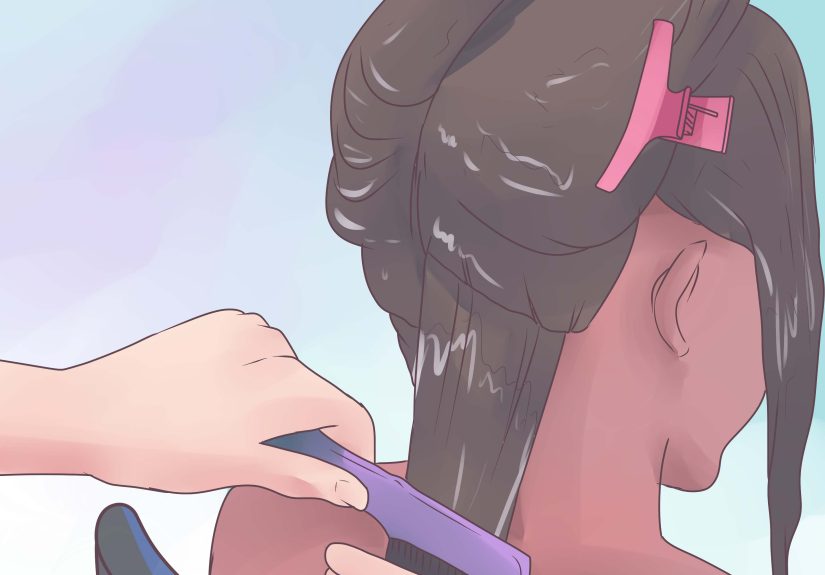
Work in small sections. Use a blow dryer with a comb attachment, paddle brush, round brush, or the tension method. The goal is to stretch the hair well before flat ironing. If the blow-dry is smooth, the flat iron does less work. If the blow-dry is puffy and tangled, the flat iron has to play superheroand superheroes get tired.
Keep the dryer moving and avoid holding direct heat on one spot for too long. Medium heat with good tension is often better than maximum heat with panic.
Step 3: Flat iron carefully
Use a flat iron with adjustable temperature settings. Fine, fragile, color-treated, or damaged hair usually needs lower heat. Coarser or denser hair may need more heat, but more heat is not automatically better. Use the lowest temperature that smooths your hair effectively.
Flat iron small sections and try to limit passes. One slow, controlled pass is usually better than five frantic ones. For roots, some stylists use a pressing comb or the chase method with a fine-tooth comb, but both require care. Never flat iron wet or damp hair. If you hear sizzling, that is not “the style setting.” That is your hair asking for a meeting with HR.
What Is a Silk Press?
A silk press is a modern heat-straightening method for natural or textured hair. It usually includes cleansing, deep conditioning, blow-drying, and flat ironing to create a smooth, shiny, lightweight finish without chemical relaxers.
The best silk presses move. They are not stiff, oily, or crunchy. They look polished but still feel like hair. The secret is clean hair, proper moisture, lightweight products, controlled heat, small sections, and not overloading the strands with heavy creams or oils.
How long does a silk press last?
A silk press may last one to two weeks, depending on humidity, sweating, workouts, scalp oil, hair density, and how you maintain it at night. If you live somewhere humid, your silk press may start reverting faster. That does not mean your hair failed. It means water exists, and water is undefeated.
Using Chemical Relaxers on African Hair
Relaxers chemically straighten curly or coily hair by altering the hair’s internal structure. They can create long-lasting straightness, but they also require careful application and maintenance. Relaxers should never be treated like casual kitchen chemistry.
If you choose a relaxer, consider going to a licensed stylist who has experience with textured hair. A professional can assess your scalp, strand condition, previous color treatments, breakage, and timing. Applying relaxer over damaged hair, irritated scalp, or previously processed hair can increase the risk of burns and breakage.
Lye vs. no-lye relaxers
Lye relaxers and no-lye relaxers both straighten hair, but they work differently and can affect the scalp and hair in different ways. No-lye relaxers are often marketed as gentler on the scalp, but they may leave mineral buildup that makes the hair feel dry if not managed properly. Lye relaxers may rinse cleaner but can be harsher on sensitive scalps. Neither option is automatically “safe” for everyone.
Relaxer safety basics
Do not apply relaxer to a scratched, irritated, or freshly washed scalp. Do not leave relaxer on longer than directed. Do not overlap relaxer onto previously relaxed hair unless a trained stylist is correcting something specific. And do not relax hair that is already breaking heavily. Straight hair with no edges is not the victory anyone signed up for.
Keratin and Smoothing Treatments: Read the Fine Print
Keratin-style smoothing treatments are often marketed as a way to reduce frizz and loosen curl. Some are not true permanent straighteners, but they may make hair smoother for weeks or months. The concern is that some smoothing products can release formaldehyde gas when heated, even when labels sound reassuring.
Formaldehyde exposure can irritate the eyes, nose, throat, and skin, and health agencies have warned about products that release it during blow-drying or flat ironing. If you are considering a salon smoothing treatment, ask for the full ingredient list, ventilation practices, and whether the product releases formaldehyde or formaldehyde-related chemicals when heated.
Also remember: “formaldehyde-free” on the front of a bottle does not always tell the whole story. A careful stylist should be willing to answer questions without acting like you just asked for government secrets.
Aftercare: How to Keep Straightened African Hair Smooth
Once your hair is straightened, the mission becomes preservation. You want to keep the style smooth without repeatedly adding heat. Constant touch-ups can slowly turn a cute style into a breakage subscription plan.
Wrap your hair at night
Wrap straightened hair around your head and secure it with a silk or satin scarf. You can also use a silk or satin pillowcase for extra protection. Cotton absorbs moisture and creates friction, which can lead to frizz and breakage.
Avoid steam and humidity when possible
Long showers, rainy weather, intense workouts, and humid air can cause straightened hair to revert. Use a shower cap, keep bathroom steam low, and consider loose updos on humid days. If your hair starts puffing, avoid chasing every frizzy piece with a flat iron.
Use lightweight products
Heavy oils and creams can weigh down straightened hair. A tiny amount of lightweight serum may help with shine, but too much product can make hair limp. For many silk presses, less is more. Your hair should not look like it was dipped in salad dressing.
Common Mistakes When Straightening African Hair
Straightening dirty hair
Product buildup blocks smooth results. Start with clean hair so the heat works on the strand, not on last week’s gel.
Skipping heat protectant
Heat protectant is one of the easiest ways to reduce damage. Skipping it is like going outside in a thunderstorm with a paper towel and calling it an umbrella.
Using too much heat
Higher heat does not always mean straighter hair. It may mean drier hair, weaker ends, and curls that do not revert properly.
Flat ironing too often
Even careful heat styling can add up. Give your hair breaks between straight styles and use low-manipulation styles when possible.
Ignoring scalp pain or shedding
If your scalp burns, itches intensely, flakes badly, or your hair sheds more than usual, stop the process and consider seeing a dermatologist, especially one familiar with Black hair care.
How Often Should You Straighten African Hair?
There is no perfect schedule for everyone. Some people can silk press once a month with no obvious problems. Others notice dryness or curl loosening after just a few sessions. Hair condition, porosity, strand thickness, color treatments, climate, and tool temperature all matter.
A cautious approach is to save heat straightening for special occasions or occasional style changes, especially if maintaining your curl pattern is important to you. If you want to wear your hair straight most of the time, speak with a skilled stylist about a long-term plan that includes trims, conditioning, heat control, and damage prevention.
Experience-Based Tips for Straightening African Hair
One of the most common real-life lessons about straightening African hair is this: the final result depends more on preparation than on the flat iron brand. Many people assume the magic happens during the last step, but the real difference is made during wash day. Hair that has been properly cleansed, deeply conditioned, detangled, and stretched usually straightens faster and looks smoother. Hair that is dry, coated, or tangled often fights backand textured hair is undefeated when it has a reason.
Another experience many natural-hair wearers share is that humidity changes everything. You can leave the house with a fresh silk press that swings like a shampoo commercial, then step into damp weather and watch your roots begin a quiet revolution. This is especially true in humid climates or during rainy seasons. A good anti-humidity product may help, but it will not make hair waterproof. Planning matters. If you have an outdoor event, a workout, or a steamy kitchen day ahead, consider a wrapped ponytail, bun, or half-up style instead of expecting every strand to stay glass-straight.
People who straighten their hair successfully over time often learn to stop chasing perfection. A little puff at the roots is not a disaster. Slightly textured ends do not mean the style failed. Trying to correct every tiny wave with more heat can cause more harm than the original frizz. A better approach is to refresh the shape without direct heat: wrap the hair at night, use large rollers for body, or pin-curl the ends to maintain movement.
Another practical tip is to take notes. It may sound funny, but your hair has patterns. Write down what shampoo you used, which conditioner worked, whether you used leave-in, the flat iron temperature, how long the style lasted, and how your curls reverted afterward. Over time, you will notice what your hair likes. Maybe your hair hates heavy oils before pressing. Maybe it needs a protein treatment the week before. Maybe it behaves better when blow-dried in smaller sections. Hair care becomes easier when you stop guessing and start observing.
Many people also discover that salon results are hard to duplicate at home because professionals work with tension, angles, section size, and speed all day. A stylist may get a silk press smooth not because their flat iron is magical, but because they know how to blow-dry the roots thoroughly, use just enough product, and avoid unnecessary passes. If your at-home silk press looks fluffy, that does not mean your hair is “bad.” It may mean the sections were too large, the blow-dry was not stretched enough, or too much product was applied.
The biggest experience-based lesson is to protect your relationship with your hair. Straightening should feel like a styling choice, not a weekly battle. If your hair feels brittle, your scalp feels sore, or your curls stop returning after wash day, take a break. Wear stretched styles, buns, twists, braids without tight tension, or wash-and-go styles while your hair recovers. Healthy hair gives you more options. Damaged hair gives you homework.
Conclusion
Learning how to straighten African hair is really about learning how to balance style and care. The safest results usually come from clean hair, deep conditioning, gentle detangling, heat protectant, controlled temperatures, small sections, and smart aftercare. Chemical straightening can be an option, but it requires extra caution, professional guidance, and awareness of scalp and health risks.
Most importantly, straightening should never be treated as an upgrade from natural texture. It is simply a different look. Whether your hair is coiled, stretched, silk pressed, relaxed, braided, twisted, or tucked under a satin scarf while you mind your business, the healthiest style is the one that lets your hairand your confidencestay intact.