Table of Contents >> Show >> Hide
- Why Stuffed Animal Storage Matters
- Start by Sorting the Stuffed Animal Collection
- Clean Stuffed Animals Before Storing Them
- Best Everyday Stuffed Animal Storage Ideas
- How to Store Stuffed Animals Long-Term
- How to Store Giant Stuffed Animals
- Small Room Stuffed Animal Storage Tips
- Stuffed Animal Storage for Kids With Allergies
- Common Stuffed Animal Storage Mistakes to Avoid
- Best Stuffed Animal Storage System by Age
- A Practical Weekly Stuffed Animal Routine
- Real-Life Experience: What Actually Works When Storing Stuffed Animals
- Conclusion
Stuffed animals are sweet, sentimental, and mysteriously talented at multiplying in the night. One teddy becomes three bunnies, a dinosaur, two squishy cats, and a giraffe named Sir Wobbles. Before you know it, the bed looks like a plush wildlife preserve and the floor has become a soft obstacle course for bare feet at 2 a.m.
The good news? Learning how to store stuffed animals does not mean stuffing them into a mystery bin and hoping the lid closes. The best stuffed animal storage system keeps favorite toys easy to reach, protects special plush from dust and damage, and gives your room a fighting chance at looking organized. Whether you are managing a toddler’s collection, saving childhood keepsakes, organizing a nursery, or figuring out what to do with giant plush toys that are basically roommates, this guide will help you create a practical, cute, and clutter-free setup.
Below, you will find everyday storage ideas, long-term preservation tips, cleaning advice, small-room solutions, and real-life experience from the plush trenches. Let’s rescue the teddy bear pile from chaos.
Why Stuffed Animal Storage Matters
Stuffed animals are more than toys. They are comfort objects, bedtime buddies, decorative accents, travel companions, and sometimes emotional support potatoes with button eyes. Because kids often hug, drag, sleep with, sneeze on, and occasionally feed them crackers, plush toys collect dust, hair, crumbs, odors, and allergens over time.
A smart storage system solves several problems at once. It reduces clutter, helps children find their favorites, protects sentimental pieces, and makes cleaning easier. It also teaches kids a gentle organizing habit: every toy has a home, even the floppy-eared rabbit who has seen things.
Start by Sorting the Stuffed Animal Collection
Before buying bins, baskets, hammocks, shelves, or a storage zoo, start with a simple sort. Pull all stuffed animals into one place so you can see the full collection. Yes, this may be shocking. Stay brave.
Make Four Simple Groups
First, create a “daily favorites” pile. These are the stuffed animals your child sleeps with, carries around, or absolutely must know the location of at all times. These should be stored where they are easy to reach.
Second, make a “display” pile. These plush toys are cute, decorative, or beloved but not used every day. They can live on shelves, in cubbies, or in wall-mounted storage.
Third, create a “keepsake” pile. This includes vintage stuffed animals, baby gifts, handmade plush toys, collectible characters, or anything with sentimental value. These need more careful storage.
Fourth, make a “donate or pass along” pile. If a stuffed animal is clean, safe, and no longer loved in your home, it may be ready for a new adventure. Do not force a child to part with a toy they are attached to, but do involve them in choosing what can move on. A gentle rule works well: “Let’s keep the ones you really love and share the ones that are ready for another child.”
Clean Stuffed Animals Before Storing Them
Never store dirty plush toys long-term. Dust, body oils, snack crumbs, pet hair, and moisture can lead to odors, stains, or even mildew. Cleaning before storage is like sending the toys to a tiny spa before their retirement in Bin City.
Check the Care Label First
Some stuffed animals are machine washable. Others have batteries, music boxes, glued-on parts, delicate stitching, sequins, leather-like details, or antique fabric. Always check the care tag before washing. If the tag is missing, inspect the toy carefully and choose the gentlest method.
Machine Wash Durable Plush Toys
For sturdy stuffed animals, place them in a mesh laundry bag or a tied pillowcase. Use a gentle cycle, cold water, and mild detergent. Avoid harsh bleach unless the care label clearly allows it. After washing, air dry completely. High heat can damage fur, melt glue, warp plastic parts, or make the toy look like it had a stressful day at the salon.
Hand Wash Fragile Stuffed Animals
For delicate plush toys, fill a basin with cool water and a small amount of mild detergent. Gently press the toy in the water instead of scrubbing aggressively. Rinse thoroughly, press out excess water with a towel, and let it air dry in a well-ventilated area.
Spot Clean Toys That Cannot Be Soaked
Stuffed animals with electronics, sound boxes, or fragile materials should usually be spot cleaned. Use a white cloth, cool water, and a small amount of gentle detergent. Blot the dirty area, wipe with clean water, and allow it to dry completely before storing.
Best Everyday Stuffed Animal Storage Ideas
The right everyday storage depends on the room size, the child’s age, the number of toys, and how often the plush animals are used. A beautiful system that your child cannot reach is just home decor with commitment issues. Choose storage that fits real life.
1. Open Baskets for Easy Cleanup
Large woven baskets, canvas bins, or soft fabric tubs are among the easiest stuffed animal storage solutions. Kids can toss toys in quickly, parents can move the basket from room to room, and the collection stays visible enough to prevent forgotten favorites.
Use baskets for daily favorites or medium-sized plush toys. Choose a basket with smooth edges so it will not snag fur or fabric. If the basket is for a toddler, avoid heavy lids or sharp corners.
2. Stuffed Animal Hammocks
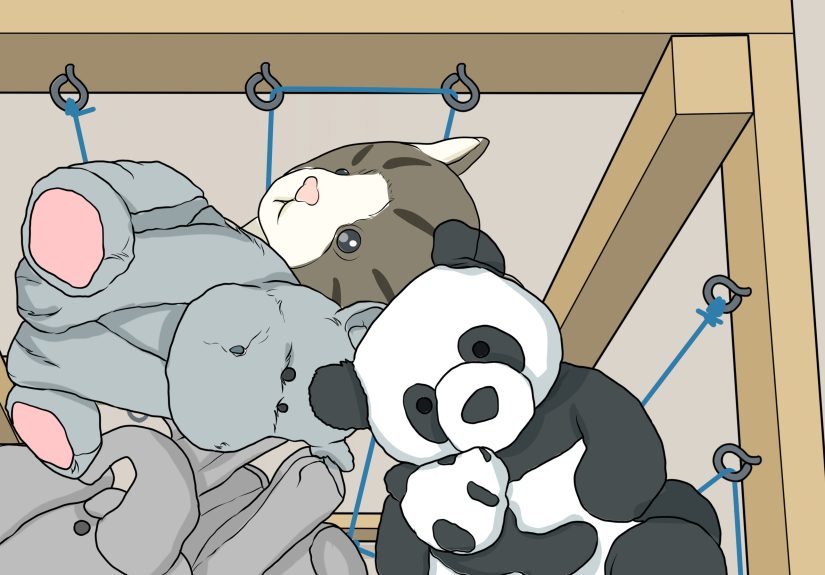
A stuffed animal hammock is a classic for a reason. It uses corner wall space, keeps plush toys off the floor, and creates a playful display. Hammocks work especially well for lightweight toys that are not needed every night.
Install the hammock securely into studs or with proper wall anchors. Do not hang it over a crib or directly above a bed where it could fall. For safety and convenience, place it at a height where an adult can reach it easily.
3. Cubby Shelves
Cubby shelves are excellent when you want stuffed animals to look organized without hiding them completely. One cubby can hold bears, another can hold character plush, and another can hold bedtime animals. Add fabric bins to some cubbies for smaller toys, accessories, or doll blankets.
This system works well in playrooms because children can see their options and return toys to the correct spot. If your child likes categories, label cubbies with words or pictures.
4. Wall Shelves for Display Plush
Floating shelves are perfect for collectible stuffed animals, nursery decor, or plush toys that are adorable but not constantly handled. Keep shelves shallow enough that toys do not disappear into a fuzzy crowd.
For kids’ rooms, secure shelves properly and avoid placing heavy plush animals high above sleeping areas. Giant stuffed animals may look cute on a shelf, but gravity has a dramatic personality.
5. Over-the-Door Organizers
Clear pocket organizers or fabric over-the-door holders can store small and medium stuffed animals without taking up floor space. This is a smart solution for apartments, shared bedrooms, closets, and rooms where every square foot is already booked.
Choose pockets large enough that plush toys are not crushed. Clear pockets help kids find a specific toy quickly, which prevents the traditional method of dumping everything on the floor and declaring, “I can’t find it.”
6. Storage Ottomans and Benches
A storage ottoman or bench gives you seating and hidden toy storage in one piece. It is useful in living rooms where stuffed animals migrate during the day but do not need to live permanently on the couch.
Look for a soft-close lid if children will use it. Ventilated fabric bins inside the ottoman can help separate special toys from everyday plush.
7. Under-Bed Storage With Caution
Under-bed storage can work for seasonal or occasional stuffed animals if you use clean, covered containers. Choose shallow bins with lids or breathable fabric bags that protect toys from dust. Avoid simply sliding loose plush animals under the bed, where dust bunnies and teddy bears may form a suspicious alliance.
If allergies are a concern, keep only a small number of stuffed animals near the bed and wash them regularly. Stuffed toys can collect dust, so bedroom storage should be easy to clean.
How to Store Stuffed Animals Long-Term
Long-term stuffed animal storage is different from everyday storage. The goal is protection, not quick access. This matters for baby keepsakes, collectible plush toys, handmade animals, heirloom teddy bears, and toys you want to save for future children.
Use Clean, Dry Containers
Choose sturdy plastic totes with secure lids for most long-term storage. They help protect stuffed animals from dust, pests, leaks, and accidental crushing. Make sure every toy is completely dry before it goes inside. Even a little trapped moisture can create musty smells or mildew.
For valuable, vintage, or delicate plush toys, wrap each item in acid-free tissue paper before placing it in a container. Acid-free tissue helps protect fabric, fur, and colors during long storage periods. Do not wrap special toys in newspaper, colored tissue, or plastic grocery bags, because inks, dyes, and chemicals may transfer or break down over time.
Do Not Overpack the Bin
Stuffed animals need room to keep their shape. If you cram twenty plush toys into a bin designed for eight, they may come out flattened, creased, or permanently squished. Pack heavier toys on the bottom and lighter, delicate toys on top.
Avoid Vacuum-Sealing Important Plush Toys
Vacuum bags can save space, but they are not ideal for long-term storage of sentimental or collectible stuffed animals. Compression can flatten stuffing, bend ears, wrinkle fabric, and damage delicate details. Use vacuum bags only for short-term storage of washable, replaceable plush toys, and even then, do not leave them compressed forever.
Store in a Cool, Dry Place
The best place to store stuffed animals is a cool, dry, climate-stable area such as an interior closet, bedroom cabinet, or clean storage shelf. Avoid damp basements, hot attics, garages, sheds, or anywhere with big temperature swings. Humidity is the villain in this story, and it does not even have the decency to wear a cape.
Add Labels
Label each bin clearly. Use simple categories such as “Baby Keepsakes,” “Holiday Plush,” “Large Stuffed Animals,” “Collectible Plush,” or “Donation Review.” If you are storing many bins, write a quick inventory list and tape it inside the lid. Future you will be grateful and slightly impressed.
How to Store Giant Stuffed Animals
Giant stuffed animals are charming until you need to clean the floor. They are too big for standard baskets and too dramatic for small shelves. For oversized plush toys, use a large canvas basket, a corner beanbag-style storage cover, a toy chest with ventilation, or a dedicated reading nook.
One clever option is a stuffed animal storage beanbag cover. Instead of filling the cover with foam beads, you fill it with soft plush toys. It becomes a seat, saves space, and hides the collection. This works best for toys that are clean, dry, and not too fragile.
For one or two giant stuffed animals, treat them like decor. Place them in a corner chair, on a window bench, or beside a bookshelf. Just avoid storing them directly on damp floors or in areas where pets may claim them as luxury beds.
Small Room Stuffed Animal Storage Tips
Small rooms require vertical thinking. Use wall space, closet doors, bed frames, and furniture with hidden compartments. Instead of adding more floor bins, consider hanging organizers, corner hammocks, tall cubby shelves, or narrow bookcases.
Rotate the collection if your child has many favorites. Keep five to ten stuffed animals accessible and store the rest in a labeled bin. Every few weeks, swap them. This keeps the room tidy and makes old toys feel exciting again. It is basically a toy vacation program, minus the tiny postcards.
Stuffed Animal Storage for Kids With Allergies
If a child has dust mite allergies or asthma symptoms triggered by dust, stuffed animal storage needs extra attention. Keep the number of plush toys on the bed limited. Choose machine-washable stuffed animals when possible, and wash favorites regularly according to the care label.
For toys that cannot be washed, some allergy guidance recommends placing the toy in a sealed plastic bag and freezing it for a period of time to help address dust mites, then wiping it down and drying it thoroughly. Because children’s health needs vary, parents should follow their pediatrician’s advice for allergy routines.
Covered bins, washable baskets, and easy-to-dust shelves are better than open piles. The simpler the storage, the more likely it is to stay clean.
Common Stuffed Animal Storage Mistakes to Avoid
Storing Toys While Damp
Never store a stuffed animal that is even slightly damp. Moisture can lead to mildew, odor, and fabric damage. Air dry thoroughly before packing.
Using Thin Plastic Bags for Long-Term Storage
Plastic grocery bags and trash bags are poor long-term storage choices. They tear easily, trap moisture, and do not protect plush toys well. Use sturdy bins, breathable fabric containers, or acid-free boxes for keepsakes.
Keeping Too Many Toys on the Bed
A bed packed with stuffed animals may look cozy, but it can collect dust and leave little room for actual sleeping. Keep a few bedtime favorites and store the rest nearby.
Forgetting to Review the Collection
Stuffed animal storage is not a one-time project. Review the collection every few months. Remove damaged toys, wash dusty ones, rotate favorites, and donate plush animals that are still in good condition but no longer loved.
Best Stuffed Animal Storage System by Age
For Babies and Nurseries
Use shelves, baskets, or decorative bins placed away from the crib. Plush toys should not crowd an infant’s sleep space. Display special stuffed animals safely and keep everyday baby items easy for adults to reach.
For Toddlers
Choose low, soft containers. Toddlers need storage they can use independently. A large floor basket or open cubby makes cleanup simple and reduces frustration.
For School-Age Kids
Use categories. Try bins labeled “favorites,” “animals,” “characters,” and “tiny plush.” Kids this age often enjoy systems that feel like collections rather than chores.
For Teens and Adults
Use display shelves for collectibles and sealed storage for keepsakes. Adults saving childhood plush toys should prioritize clean, dry, labeled containers and acid-free wrapping for sentimental pieces.
A Practical Weekly Stuffed Animal Routine
A good storage system works best with a light routine. Once a week, return plush toys to their baskets, shake out fabric bins, and remove any toys that need cleaning. Once a month, wash machine-safe favorites, dust shelves, and check hidden storage areas. Twice a year, review the entire collection and decide what to keep, display, store, donate, or repair.
This routine does not need to be fancy. Put on music, set a timer, and make it a family reset. Children are more likely to help when the system is simple and the process feels quick. Also, a basket labeled “sleepy animals” is more fun than one labeled “miscellaneous textile-based clutter.”
Real-Life Experience: What Actually Works When Storing Stuffed Animals
Here is the honest truth: the best stuffed animal storage system is not always the prettiest one on the internet. It is the one your household will actually use on a Tuesday night when everyone is tired, someone is missing a sock, and a plush penguin has somehow ended up in the kitchen.
In real homes, open baskets tend to win for daily use. Children can toss toys in without needing to fold, stack, zip, or solve a storage puzzle. A basket beside the bed works well for the plush animals that are invited to the bedtime party but do not make the final pillow lineup. It gives them a nearby “parking spot” instead of letting them take over the mattress.
For families with a large collection, rotation is a game changer. Instead of keeping every stuffed animal available all the time, store half in a labeled bin and leave half out. After a few weeks, swap them. Kids often react like they have discovered lost treasure. The toys feel new again, and the room stays calmer. This method is especially helpful after birthdays, holidays, or visits from generous grandparents who believe every child needs a bear the size of a recliner.
Another lesson from real life: do not make storage too high if the toys are still in active use. High shelves look neat, but they create a new job for adults. If your child asks for the same stuffed fox every afternoon, that fox should not live in the penthouse. Keep daily favorites at child height and reserve higher shelves for display toys or keepsakes.
For sentimental plush animals, clear bins with labels are worth it. Years later, when you want the baby shower bear or the first birthday bunny, you will not want to open six mystery boxes labeled “stuff.” Wrap special toys gently, avoid crushing them, and write a short note about why they matter. That tiny detail can turn a storage bin into a memory box.
Finally, accept that stuffed animals have emotional value. A toy may look worn out to an adult but feel priceless to a child. Storage should protect that connection, not erase it. The goal is not to create a museum where no bear is touched. The goal is to make room for play, sleep, cleaning, and memories without letting plush chaos run the house.
Conclusion
Knowing how to store stuffed animals comes down to three simple ideas: keep everyday favorites accessible, protect special plush toys carefully, and clean everything before it disappears into storage. Use baskets, cubbies, hammocks, shelves, over-the-door organizers, and labeled bins based on how often the toys are used. For long-term storage, choose a cool, dry place, avoid overpacking, skip vacuum compression for valuable plush, and use acid-free tissue for keepsakes.
Stuffed animals may be soft, but the clutter they create can be surprisingly powerful. With the right system, you can keep the cuddles, save the memories, and reclaim the floor. That is a win for kids, parents, and every teddy bear currently wondering where it is supposed to live.