Table of Contents >> Show >> Hide
- Why Proper Pasta Storage Matters
- How Long Does Cooked Pasta Last?
- How to Store Cooked Pasta in the Fridge
- How to Freeze Cooked Pasta
- How to Reheat Stored or Frozen Pasta
- How to Tell If Cooked Pasta Has Gone Bad
- Common Pasta Storage Mistakes to Avoid
- Real-Life Experiences: What Actually Works for Storing Cooked Pasta
You made “just a little extra” spaghetti and somehow ended up with a mountain of noodles.
Now you’re staring at the pot wondering: How do I store cooked pasta in the fridge or freezer without ending up with a mushy, suspicious science experiment?
The good news: cooked pasta actually stores really well if you follow a few simple food safety and texture-saving rules.
The better news: future-you will be thrilled when dinner is basically “boil water, add sauce, done.”
This guide covers how long cooked pasta lasts, the best way to store it in the refrigerator, how to freeze cooked pasta for meal prep, how to reheat it so it tastes fresh, and how to tell when it’s time to toss it.
We’ll keep things practical, safe, and just a little bit saucy (in the personality sense, not just the marinara).
Why Proper Pasta Storage Matters
Cooked pasta isn’t just a carb delivery systemit’s a moist, starchy food that bacteria absolutely adore.
If it hangs out too long at room temperature, it can quickly wander into the
“danger zone” between 40°F and 140°F (4°C–60°C), where bacteria multiply fast enough to cause foodborne illness.
U.S. food safety guidance generally says cooked leftovers should be refrigerated within two hours and eaten within about three to four days, or frozen for longer storage.
Cooked pasta follows the same rules, with a few pasta-specific tricks for keeping it from turning dry, sticky, or gluey.
So yes, how you store cooked pasta affects both your stomach and your taste buds.
How Long Does Cooked Pasta Last?
In the Fridge
Most food and nutrition sources agree that cooked pasta lasts about 3–5 days in the refrigerator when stored properly in an airtight container.
Why the range? A few things make a difference:
- What’s in it? Plain pasta usually keeps better than pasta loaded with dairy, seafood, or fresh veggies.
- How quickly was it chilled? Food that goes into the fridge within two hours is safer and tends to last longer.
- How cold is your fridge? Aim for 40°F (4°C) or below.
A safe, simple rule of thumb: eat refrigerated cooked pasta within 3–4 days, especially if it’s mixed with sauce, meat, or cheese. If it’s plain and looks, smells, and feels fine, up to 5 days is typically considered acceptable by many home cooks and food writers.
In the Freezer
Cooked pasta freezes surprisingly wellif you treat it right.
Many meal prep guides suggest that frozen cooked pasta is best within 1–2 months for quality,
even though leftovers kept at 0°F (-18°C) can technically remain safe for longer.
After a couple of months, the pasta is more likely to suffer from freezer burn and texture changes. It won’t hurt you, but it probably won’t earn you any compliments either.
How to Store Cooked Pasta in the Fridge
Step 1: Cool It Quickly
Once your pasta is cooked and drained, don’t leave it in a warm pot on the stove “just for a bit.”
Per food safety recommendations, refrigerate perishable cooked foods within two hours (or one hour if it’s really hot in the kitchen).
To cool pasta faster:
- Transfer it to a wide, shallow dish instead of a deep pot.
- Spread it out slightly so steam can escape.
- Let it cool until just warm, not steaming, then cover and refrigerate.
Step 2: Store Pasta and Sauce Separately (When You Can)
For the best texture, try to store cooked pasta and sauce separately.
This is a common recommendation from recipe and storage guides because:
- The pasta doesn’t keep absorbing sauce and turning mushy.
- You can use one batch of noodles with different sauces later.
- It reheats more evenlyyou can add just enough sauce for each portion.
If your pasta is already mixed with sauce, don’t panic. It’s still fine to refrigerate; it just won’t keep quite as long and may soften more.
Step 3: Toss With a Bit of Oil or Butter
Many pasta brands and storage guides recommend tossing plain cooked pasta with a light coating of olive oil before refrigerating.
Benefits of a tiny oil drizzle:
- Prevents the noodles from sticking together in a big clump.
- Helps protect the surface from drying out.
- Makes reheating easieryou can separate portions without a fight.
You don’t need muchusually 1–2 teaspoons per pound of cooked pasta is enough.
Step 4: Use the Right Container and Fridge Spot
For storing cooked pasta in the fridge:
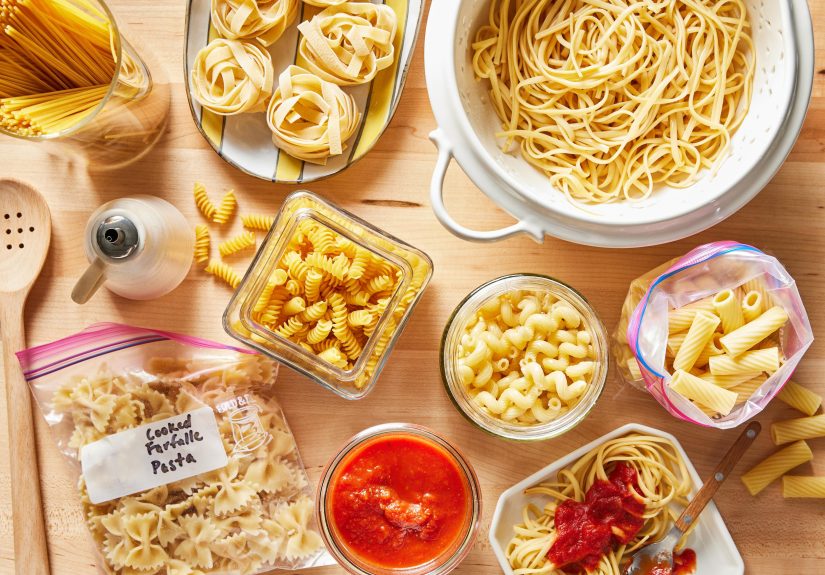
- Use a clean, airtight container or a resealable food-safe bag.
- Remove excess air if using bags.
- Store pasta on an upper shelf of the refrigerator, away from any raw meat that could drip and contaminate it.
Label the container with the date so you don’t have to play “Guess That Leftover” three days from now.
Step 5: Use Within a Few Days
Ideally, use refrigerated cooked pasta within 3–4 days.
If you know you won’t get to it in that time, freeze it instead of letting it linger.
How to Freeze Cooked Pasta
Freezing cooked pasta is a lifesaver for busy nightsbut only if you freeze it right.
The key is to cook the pasta slightly al dente so it doesn’t turn mushy once thawed and reheated.
Step-by-Step: Freezing Plain Cooked Pasta
- Cook to al dente. Slightly firm in the center is perfectfreezing and reheating will soften it more.
- Drain and cool. Let the pasta cool until just warm, not steaming hot.
- Toss with a little oil. Coat lightly to prevent sticking.
- Tray-freeze for best texture. Spread the pasta on a parchment-lined baking sheet in a single layer and freeze until solid. This works especially well for short shapes like penne or rotini.
- Transfer to bags or containers. Once frozen, move the pasta into freezer bags or airtight containers. Squeeze out extra air from bags before sealing.
- Label and date. Include the type of pasta and the date. Plan to use within 1–2 months for the best quality.
Freezing Long Noodles
Longer shapes like spaghetti or fettuccine can be a little slippery to store, so many cooks:
- Toss the noodles with a bit of oil after cooling.
- Twirl them into small “nests” or domes with a fork.
- Freeze the nests on a baking sheet, then transfer to bags once solid.
That way you can grab one or two nests at a time instead of chipping away at a frozen pasta brick.
Freezing Pasta With Sauce
You can freeze pasta that’s already mixed with sauce, but the texture will be softer when reheated.
For the best results:
- Make sure the pasta is just al dente before mixing with sauce.
- Cool the mixture, then portion it into single-serve or family-size containers.
- Use leakproof, freezer-safe containers or heavy-duty freezer bags laid flat.
Baked pasta dishes like lasagna or baked ziti also freeze well when tightly wrapped or stored in lidded foil pans.
When Freezing May Not Be Ideal
Some food writers caution against freezing cooked pasta at all if you’re picky about texture, because it can become soft or gummy after thawing.
Realistically, it comes down to expectations:
- If you want restaurant-level al dente pasta, cook it fresh.
- If you want a fast, still-tasty weeknight meal and don’t mind a slightly softer noodle, freezing is a solid option.
How to Reheat Stored or Frozen Pasta
Reheating Refrigerated Pasta
For cooked pasta stored in the fridge:
- Microwave: Place pasta in a microwave-safe dish, add a splash of water or sauce, cover loosely, and heat in short bursts, stirring between rounds.
- Stovetop: Add pasta to a skillet with a bit of sauce, broth, or water. Warm over low to medium heat, stirring until hot.
- Quick dip method (for plain pasta): Drop the pasta into boiling water for 30–60 seconds, then drain and sauce.
Make sure leftovers are heated to at least 165°F (74°C) in the center for safety.
Reheating Frozen Pasta
You can reheat frozen cooked pasta directly from the freezer:
- Boiling water: Add frozen plain pasta to boiling water for 1–3 minutes, just until heated through.
- Microwave: Put frozen pasta (plain or sauced) in a covered dish with a bit of water or sauce and microwave in short intervals, stirring often.
- Oven (for casseroles): Bake frozen pasta bakes in a covered dish at 350°F (175°C) until hot and bubbly, adding foil on top if needed to prevent drying.
How to Tell If Cooked Pasta Has Gone Bad
Before you reheat that mystery container from the back of the fridge, give it a quick safety check:
- Smell: Sour, musty, or “off” odors are a hard no.
- Appearance: Visible mold, dark or fuzzy spots, or unusual discoloration = toss immediately.
- Texture: If the pasta is extremely slimy or sticky, it’s gone past its prime.
- Time: If it’s been more than 4–5 days in the fridge (or you don’t remember when you made it), it’s safer to throw it out.
When in doubt, remember the golden rule of leftovers: “If you’re not sure, don’t eat it.”
Common Pasta Storage Mistakes to Avoid
- Leaving cooked pasta out on the counter for hours. Bacteria grow quickly at room temperature.
- Storing pasta uncovered in the fridge. It dries out and absorbs fridge odors.
- Stashing pasta in the fridge for a week or more. It may look okay but could be past the safe window.
- Overcooking pasta before freezing. It turns to mush when reheated.
- Freezing in huge, solid blocks. It takes longer to thaw and reheats unevenly.
- Skipping labels. Future-you deserves better than mystery leftovers.
Real-Life Experiences: What Actually Works for Storing Cooked Pasta
Food safety rules are essential, but real life is messy. Here are some practical, experience-based tips and scenarios that can help you dial in your pasta storage routine.
The Busy Weeknight Saver
Imagine Sunday evening: you cook two pounds of pasta, planning to “use it up somehow” during the week.
On Monday, you’re thrilled. By Thursday, you’re wondering if that tub in the fridge is a convenient dinner or a tiny biohazard.
The strategy that tends to work best is pre-portioning. Instead of dumping all the pasta into one giant container, divide it into single-serve or two-person portions right away.
This does three things:
- Makes it easy to grab lunch or dinner for one without reheating everything.
- Reduces the “open and close” time, helping each portion stay colder and fresher.
- Helps you see how many meals you actually have left before the 3–4 day clock runs out.
Many home cooks find that when they portion pasta immediately and label it with the day (“Mon lunch,” “Wed dinner”), those leftovers actually get eaten instead of forgotten.
The Meal Prepper’s Freezer Trick
People who batch-cook for the week often swear by the tray-freeze, then bag method for plain pasta.
After cooking it al dente, they spread it out on a baking sheet, freeze it until firm, and then transfer it to bags labeled with the type of pasta and date.
The real win here: you can pour out exactly the amount you needno hacking apart a frozen pasta block with a spoon.
If you like building custom bowls (pasta + veggies + protein + sauce), this gives you maximum flexibility without committing to one dish.
Kids, Leftovers, and Sauce Strategy
If you’re cooking for kids, you already know that yesterday’s favorite shape or sauce can become today’s sworn enemy.
Storing plain cooked pasta separately gives you options:
- One day you can serve it with marinara.
- The next day you can toss it with butter and parmesan.
- The day after that, it might become a pasta salad with veggies and vinaigrette.
Parents often find that this “neutral base” approach reduces waste because you can adapt leftovers to whatever mood or phase your small food critics are in.
The “I Forgot It in the Fridge” Lesson
Almost everyone has met the tragic container of forgotten pasta hiding behind a milk jug.
That faintly sour smell and sticky texture are a great reminder that labeling matters.
A simple system:
- Use masking tape or freezer labels.
- Write the date and a quick description (“penne, plain” or “rigatoni with meat sauce”).
- Set a mental or phone reminder to use refrigerated pasta within a few days.
Over time, you’ll get a feel for how much pasta your household actually eats.
Many home cooks report that once they started labeling and tracking, they cooked slightly less pastaand wasted a lot less food.
Textural Expectations: Adjusting Your Standards
If you freeze cooked pasta, it probably won’t come out with the same bouncy, just-cooked texture.
That’s normal, and it doesn’t mean you did anything wrong.
Realistically:
- Frozen and reheated pasta is perfect for soups, casseroles, baked dishes, and quick weeknight meals.
- For a special occasion or when you really care about that perfect al dente bite, cook pasta fresh and use stored sauce instead.
The trick is matching your expectations to the situation. A slightly softer noodle is a totally fair trade-off when the alternative is spending another 30 minutes cooking after a long day.
Putting It All Together
In everyday life, the best system for storing cooked pasta in the fridge or freezer usually looks like this:
- Cook pasta al dente.
- Cool it quickly and safely.
- Toss with a small amount of oil.
- Store plain pasta separately from sauce when possible.
- Use the fridge for what you’ll eat in 3–4 days and the freezer for the rest.
- Label, date, and portion so leftovers actually get used.
With a little planning, leftover pasta stops being an afterthought and becomes a reliable, delicious shortcut.
Future-you will thank present-youprobably with a bowl of perfectly reheated spaghetti.
SEO JSON