Table of Contents >> Show >> Hide
- Why Bleeding Happens After a Loose Tooth Comes Out
- First Question: Was It a Baby Tooth or an Adult Tooth?
- How to Stop Bleeding After Pulling a Loose Tooth
- What Not to Do If You Want the Bleeding to Stop
- What to Do After the Bleeding Slows Down
- When Bleeding Is Not Normal
- What About Dry Socket?
- Special Situations to Keep in Mind
- Practical Experiences and Real-Life Lessons
- Final Thoughts
Pulling out a loose tooth can feel like a tiny victory. One wiggle, one brave face in the bathroom mirror, and boom, the tooth is out. Then you look down and see blood. Not a horror-movie amount, usually, but enough to make kids nervous, adults uncomfortable, and everyone suddenly wonder whether they should have left the tooth alone for another day.
The good news is that mild bleeding after a loose tooth comes out is usually normal. The gum needs a little time to form a clot and seal the spot where the tooth was. The less good news is that people often make it worse by rinsing too hard, spitting like they are in a toothpaste commercial, or poking the area every 30 seconds to “check on it.” That clot needs peace and quiet, not a surprise inspection.
If you want to stop the bleeding after pulling a loose tooth, the basic plan is simple: use clean gauze, apply steady pressure, keep the area calm, and avoid anything that can knock the clot loose. But there is one important twist: a loose baby tooth is one thing, and a loose adult tooth is a very different story. Knowing the difference matters.
Why Bleeding Happens After a Loose Tooth Comes Out
When a tooth leaves its socket, the tissue underneath is exposed for a short time. Your body responds by sending blood to the area and creating a clot. That clot is not a problem. It is the solution. It protects the tissue, reduces continued bleeding, and helps the gum start healing.
So yes, seeing a little blood after a loose tooth comes out can be normal. What you want is for the bleeding to slow to light oozing and then stop. What you do not want is heavy bleeding that keeps soaking through gauze, starts again every time you move, or continues for hours.
First Question: Was It a Baby Tooth or an Adult Tooth?
Loose baby tooth
If this is a child’s baby tooth that was already hanging on by a thread, a small amount of bleeding is common. In most cases, firm pressure with gauze is enough to get things under control. Baby teeth are supposed to come out eventually, even if they like to create unnecessary drama on the way out.
Loose adult tooth
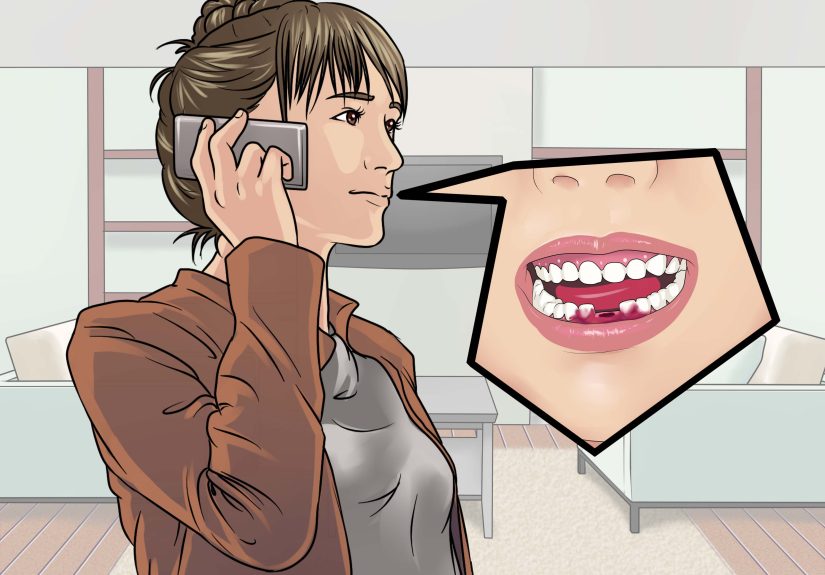
If an adult tooth is loose, do not treat it like a baby tooth and pull it at home. A loose permanent tooth can be a sign of trauma, gum disease, infection, or another dental problem. In some cases, a dentist may be able to stabilize or save it. If an adult tooth came out because of an injury, that is a dental emergency. A knocked-out permanent tooth may sometimes be replanted if treated quickly. A baby tooth should not be replanted, but an adult tooth is a different story entirely.
So before you focus only on how to stop the bleeding, make sure you are not ignoring a bigger problem. If it was an adult tooth, call a dentist as soon as possible.
How to Stop Bleeding After Pulling a Loose Tooth
1. Use clean gauze and apply firm, steady pressure
This is the first and most important step. Fold a clean piece of gauze into a small pad and place it directly over the area where the tooth came out. Then bite down gently but firmly. If the person is too young to follow directions well, hold the gauze in place carefully.
Keep that pressure steady for about 15 minutes before checking. Not two minutes. Not five seconds with a dramatic sigh. A full 15 minutes. Constant peeking can interrupt clot formation and restart the bleeding.
If the gauze becomes soaked, replace it with a fresh piece and repeat. In some cases, especially if the tooth just came out, you may need another round or two before the bleeding settles down.
2. Keep the head elevated
Try to sit upright instead of lying flat. When your head is raised, bleeding is less likely to pool in the mouth or restart. This is especially helpful for nervous kids who want to flop onto the couch and announce that they are “too weak to continue.” Understandable, but not ideal.
3. Stay calm and keep the mouth quiet
Talking a lot, spitting, sucking, swishing, and tongue-poking can all disturb the forming clot. Once the gauze is in place, the best move is to leave the area alone. No rinsing. No straw. No dramatic teeth-baring in the mirror. Let the body do its job.
4. Use a cold compress on the outside of the cheek
If there is swelling or soreness, place a cold compress or wrapped ice pack on the outside of the cheek for short intervals. This can help reduce swelling and make the area feel better. It will not replace direct pressure on the gum, but it can help calm things down around the site.
5. Try a damp tea bag if mild oozing continues
If bleeding does not stop with gauze alone, a moistened tea bag can sometimes help with light continued oozing. Black tea is the usual go-to because the tannins may help with clotting. Wet the tea bag, squeeze out the extra liquid, place it over the area, and bite down gently for 10 to 15 minutes.
This is a backup move, not a magic spell. If the bleeding is heavy, persistent, or clearly abnormal, skip the kitchen remedies and call a dentist.
What Not to Do If You Want the Bleeding to Stop
Sometimes the fastest way to solve the problem is to stop doing the thing that keeps causing it. Here is what to avoid after a loose tooth comes out:
Do not rinse vigorously right away
Give the area time to clot. Strong rinsing can wash away the clot before it has a chance to do its job.
Do not spit repeatedly
Spitting creates pressure in the mouth and can pull the clot loose. If there is a little blood mixed with saliva, that can look like more bleeding than it really is.
Do not use a straw
Suction is not your friend here. It can dislodge the clot and make the socket bleed again.
Do not smoke or vape
Tobacco and nicotine can interfere with healing and increase the risk of complications, including a painful dry socket after an extraction.
Do not keep touching the area with fingers or tongue
The clot is fragile at first. Poking it is basically asking your gum to start from scratch.
Do not eat crunchy or sharp foods right away
Think soft foods, not tortilla chips. Yogurt, applesauce, mashed potatoes, pudding, and smoothies eaten with a spoon are better choices for the first several hours.
What to Do After the Bleeding Slows Down
Once the bleeding has mostly stopped, your job switches from “stop the blood” to “protect the clot.” That is where healing really begins.
For the first 24 hours
Be gentle. Eat soft foods. Avoid vigorous mouth rinsing, hard exercise, smoking, vaping, and straws. Brush the rest of the teeth as usual, but avoid brushing directly over the area where the tooth came out.
After 24 hours
You can usually start gentle warm saltwater rinses if needed, especially if the area feels tender or food collects nearby. Make the rinse mild, swish softly, and let it fall out of your mouth instead of forcefully spitting. This is not a power-wash situation.
When Bleeding Is Not Normal
A little bleeding or oozing after a loose tooth comes out is one thing. Ongoing or heavy bleeding is another. Call a dentist promptly if any of these happen:
- The bleeding is still heavy after repeated rounds of firm pressure.
- Gauze becomes soaked quickly again and again.
- The area is still bleeding several hours later.
- The person feels dizzy, weak, or faint.
- There is severe swelling, severe pain, or pus.
- The tooth was an adult tooth, not a baby tooth.
- The tooth came out after a fall, sports injury, or blow to the mouth.
- The person takes blood thinners or has a bleeding disorder.
If bleeding is severe and will not slow down, seek urgent medical or dental care. That is especially important if there was trauma, a possible jaw injury, or signs that more than the tooth may be involved.
What About Dry Socket?
Dry socket is more often discussed after a professional tooth extraction, but it matters here because the same healing principle applies: the clot needs to stay in place. If the clot falls out too early, the tissue underneath is exposed, which can lead to significant pain and delayed healing.
Signs that something is wrong include worsening pain instead of improving pain, a bad taste in the mouth, bad breath, or seeing an empty-looking socket instead of a dark clot. If that happens, call a dentist. This is not the time for self-appointed internet dentistry.
Special Situations to Keep in Mind
If your child pulled a tooth too early
Sometimes a kid gets impatient and pulls a tooth before it is truly ready. If bleeding is mild, use the same pressure-and-gauze method. Then call the dentist if pain, swelling, fever, or continued bleeding develops. One overconfident wiggle session should not turn into a full afternoon adventure.
If a permanent tooth was knocked out
Do not assume this is just a loose tooth problem. A knocked-out adult tooth is a dental emergency. Handle the tooth by the crown, not the root. In some cases it can be placed back into the socket or stored in milk or saline while you get immediate care. Do not try to reimplant a baby tooth.
If the person has a clotting issue
Anyone with a known bleeding disorder, liver disease, or a prescription blood thinner may bleed longer than expected. That does not automatically mean there is a disaster unfolding, but it does mean you should take persistent bleeding more seriously and contact a dentist or physician sooner rather than later.
Practical Experiences and Real-Life Lessons
Real-life experience with a loose tooth usually falls into one of two categories. The first is the classic child-with-a-baby-tooth moment: the tooth was wobbling all week, everyone knew its days were numbered, and then it finally came out during dinner, tooth-brushing, or an act of reckless apple-eating. In that situation, the bleeding often looks more dramatic than it is because blood mixes with saliva quickly. Parents panic, the child panics because the parent panics, and the dog somehow becomes emotionally involved. But once a clean gauze pad is placed over the gum and the child bites down for 15 minutes, things usually settle.
The second category is more serious: an adult pulls or loses a loose permanent tooth and assumes the bleeding is the whole issue. Often it is not. The bigger issue is why the tooth was loose in the first place. Gum disease, infection, bone loss, or trauma can all be involved. People sometimes say, “It was barely hanging on, so I just pulled it.” That may feel practical in the moment, but it can delay proper treatment and increase the risk of infection, continued bleeding, and more tooth loss nearby. In real life, the best next move after bleeding control is often a dental visit, even if the socket seems calm.
Another common experience is repeated re-bleeding caused by habits that seem harmless. Someone bites on gauze for five minutes, decides it is “probably fine,” removes it, swishes with water, spits into the sink, and wonders why the site starts bleeding again. This happens all the time. The clot needs uninterrupted pressure and a quiet environment. The lesson is simple: once the gauze is in place, leave it there long enough to work.
Parents also often discover that kids do better with very concrete instructions. Instead of saying, “Try not to mess with it,” say, “Bite the gauze and watch this cartoon. When the scene changes three times, we’ll check it.” That turns a stressful moment into a manageable one. Distraction can be surprisingly effective, especially when the alternative is a child repeatedly asking if they are “still bleeding to death,” which, to be clear, they almost certainly are not.
One more practical lesson: what looks like “a lot” of blood in the mouth is often less than it appears. A small amount of blood can spread quickly in saliva and stain gauze dramatically. That is why timing and pressure matter more than guesswork. If the bleeding is truly heavy, it will keep soaking fresh gauze rapidly and will not ease after proper pressure. That is your sign to call the dentist rather than trying a fifth round of nervous checking.
And finally, people who heal best usually do the boring things well. They keep pressure on the area, avoid straws and smoking, eat soft foods, and stop poking the spot with their tongue like it owes them money. Not glamorous, not dramatic, but effective.
Final Thoughts
If you pull out a loose tooth and the gum starts bleeding, the fix is usually straightforward: place clean gauze over the area, apply firm pressure for 15 minutes, stay upright, use a cold compress if needed, and avoid rinsing, spitting, straws, smoking, or touching the clot. For a loose baby tooth, that is often enough.
But if the tooth was an adult tooth, if the bleeding is heavy or persistent, or if the tooth came out after trauma, do not stop at home care. Get professional help. Teeth are not like mystery screws left over after assembling furniture. If one comes loose unexpectedly, there is usually a reason.
In other words: control the bleeding, protect the clot, and know when to call the dentist. Your mouth will appreciate the teamwork.