Table of Contents >> Show >> Hide
- First, a quick (parent-friendly) understanding of what’s going on
- The soothing blueprint: rebuild the barrier, calm inflammation, break the itch cycle
- Trigger detective work: common culprits and easy fixes
- Watch for infection: when eczema needs medical attention
- When home care isn’t enough: stepping up treatment
- A practical 7-day example plan (mild-to-moderate flare)
- Real-life experiences: what families say actually makes the biggest difference (500-word add-on)
- Conclusion: your child’s skin can get better at being skin
If your child’s skin could talk, it would probably say: “I’m dry, I’m itchy, and I would like to speak to the manager.” Atopic dermatitis (often called eczema) can turn normal kid stuffsleeping, playing, wearing pantsinto a full-body complaint department. The good news: with a smart routine and a calmer flare plan, most families can dramatically reduce itching and improve skin comfort.
This guide walks you through what actually helps: daily skin-barrier care, how to handle flares without panic, itch control tricks, trigger detective work, and the moments when it’s time to call your child’s clinician. (Because yes, sometimes eczema needs backup.)
First, a quick (parent-friendly) understanding of what’s going on
Atopic dermatitis is a chronic, relapsing skin condition that causes dry, inflamed, itchy patches. In many kids, the skin barrier doesn’t hold moisture well, which lets irritants and allergens sneak in more easily. The immune system then overreacts, inflammation ramps up, and the itch-scratch cycle takes over.
Two important reminders:
- It’s not contagious. Your child can’t “give” it to anyone.
- It’s not caused by being “dirty.” In fact, too much washing can make it worse if you don’t moisturize properly afterward.
The soothing blueprint: rebuild the barrier, calm inflammation, break the itch cycle
The most effective eczema plans usually have three pillars: (1) barrier care every day, (2) anti-inflammatory treatment during flares, and (3) trigger reduction. If you nail the basics, everything else works better.
Pillar 1: Daily “soak and seal” (the routine that pays rent)
Think of your child’s skin like a sponge. A brief soak adds water; the seal locks it in. Done consistently, this routine can reduce flares and make itchy skin less dramatic.
- Short lukewarm bath or shower (5–10 minutes). Hot water feels amazing for approximately 12 seconds and then leaves skin drier and angrier.
- Use gentle cleanser only where needed. Focus on sweaty/dirty zones (hands, feet, groin). Skip heavy scrubbing like you’re sanding a deck.
- Pat drydon’t rub. Leave skin slightly damp.
- Moisturize within 3 minutes. This timing matters. You’re trapping water before it evaporates.
Moisturizer hierarchy (usually): ointments > creams > lotions. Ointments are greasier, but they seal best and often sting less on cracked skin. Creams are a close second. Lotions can be fine for mild dryness but may not be enough for eczema-prone skin.
Ingredient vibe to look for: fragrance-free, dye-free, alcohol-free. If a product smells like a tropical vacation, your child’s skin may file a formal complaint.
Pillar 2: Flare care that actually calms the fire
A flare is when the skin is actively inflamedred, rough, thickened, oozing, or intensely itchy. During flares, moisturizers alone often can’t “out-hydrate” inflammation. You usually need an anti-inflammatory plan from your child’s clinician.
Topical anti-inflammatory creams/ointments: the “use it correctly” rule
Many families worry about medicated creamsespecially topical steroids. That fear is understandable… and also a common reason eczema stays undertreated. When used as directed (right strength, right amount, right duration), topical steroids are a standard, effective way to control flares.
Helpful “how-to” tips to discuss with your clinician:
- Match strength to location. Face/skin folds often need milder options than thicker skin areas.
- Use for the shortest time that controls the flare. Then transition back to strong daily barrier care.
- Measure doses simply. Ask about “fingertip unit” or a clear amount guide so you’re not guessing.
Non-steroid options may also be prescribed, especially for sensitive areas or for maintenance. These can include steroid-sparing anti-inflammatory creams/ointments. Your clinician will choose based on your child’s age, rash location, and severity.
Wet wrap therapy: when the skin needs a “reset button”
Wet wraps can be extremely soothing for moderate-to-severe flaresespecially when itch is out of control or sleep is falling apart. They work by rehydrating skin, cooling itch, and helping topical treatments do their job.
A typical at-home version (confirm details with your clinician):
- Bathe briefly in lukewarm water.
- Apply prescribed medication to inflamed areas (if directed).
- Apply a thick moisturizer over everything.
- Put on a damp layer (like snug cotton pajamas or wraps), then a dry layer on top. Many families do this in the evening to protect sleep.
Safety note: Wet wraps can increase absorption of medications, so it’s best used with clinician guidanceespecially for young children or if using stronger prescriptions.
Bleach baths: helpful for some kids (and yes, it sounds weird)
Some children with frequent infections or stubborn eczema benefit from diluted bleach baths as part of a treatment plan. The idea is to reduce skin bacteria that can worsen inflammation. This is not a DIY “pour and pray” situation. Ask your clinician for the exact recipe and frequency for your child.
Pillar 3: Itch control (because scratching is eczema’s favorite hobby)
The itch-scratch cycle can keep eczema going even when you’re doing everything else right. Try stacking multiple itch-control tactics:
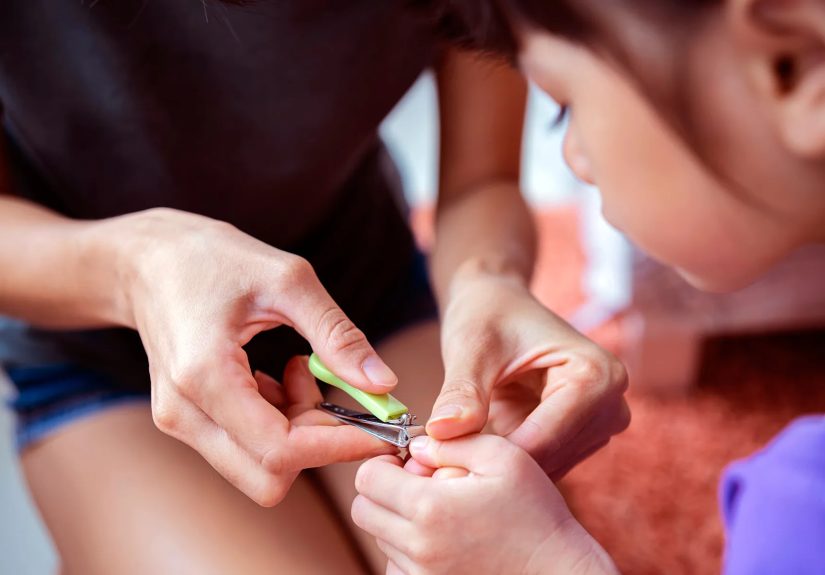
- Keep nails short and smooth the edges (a nail file is your quiet hero).
- Use a cold compress for 5–10 minutes to calm “hot itch.”
- Moisturize at the first sign of itchdon’t wait until it becomes a scratching event.
- Try nighttime barriers (soft cotton gloves or long sleeves) if sleep-scratching is a problem.
- Use distraction for younger kids (fidget toys, a short video, a “hands busy” game).
For severe nighttime itch, some clinicians recommend an oral antihistamine primarily for sleep (not because it fixes eczema itself). Always follow a pediatric clinician’s guidance for age-appropriate options and dosing.
Trigger detective work: common culprits and easy fixes
Triggers don’t “cause” eczema, but they can provoke flares. You don’t have to create a sterile bubblejust remove the usual suspects.
Common irritants
- Fragrance (in soap, lotion, laundry products, even “natural” essential oils)
- Harsh soaps and bubble baths
- Rough fabrics (wool and scratchy synthetics)
- Heat, sweating, and rapid temperature changes
- Dry air (winter is basically eczema’s favorite season)
- Saliva (drool rash around the mouth is very common in babies)
Laundry and clothing upgrades that help more than you’d expect
- Switch to a fragrance-free detergent. Skip fabric softeners and scented dryer sheets.
- Double-rinse if your washer allows it.
- Choose soft, breathable cotton layers. Dress in light layers to avoid overheating.
- Remove tags or cover them with a soft undershirt.
What about food?
Food can be relevant for a minority of childrenusually when there are immediate symptoms (hives, swelling, vomiting, wheezing) after eating a specific food. But broad elimination diets “just in case” can backfire and create nutritional problems. If you suspect a true food allergy, talk with your child’s clinician or an allergy specialist for proper testing and guidance.
Watch for infection: when eczema needs medical attention
Eczema-prone skin is more vulnerable to infection, especially when scratching creates tiny openings. Contact a clinician promptly if you notice:
- Honey-colored crusts, increasing ooze, or pus
- Rapidly worsening redness, swelling, warmth, or pain
- Fever with a spreading rash
- Blisters or “punched-out” sores (urgent evaluation may be needed)
Infections can worsen itch and inflammation. Treating them can be a turning point for kids who feel “stuck” in a constant flare.
When home care isn’t enough: stepping up treatment
If your child’s eczema is affecting sleep, school, mood, or causes frequent infections, it may be time to escalate care. Options (depending on age and severity) can include:
- Prescription topical therapies for better inflammation control
- Phototherapy for widespread or stubborn eczema
- Targeted systemic medicines (including biologic therapies) for moderate-to-severe cases
The goal isn’t “strong medicine forever.” The goal is control: fewer flares, less itch, better sleep, and skin that can actually heal.
A practical 7-day example plan (mild-to-moderate flare)
Every child is different, so consider this a template to discuss with your cliniciannot a one-size-fits-all prescription.
Daily (morning + night)
- Moisturizer head-to-toe (especially after washing face/hands)
- Trigger control: fragrance-free products, breathable clothing, avoid overheating
- Scratch management: short nails, cold compress for “hot itch,” bedtime barriers if needed
During the flare (first 3–7 days, or as directed)
- Use prescribed anti-inflammatory topical treatment on active rash areas as instructed
- Consider wet wraps at night for 1–3 nights if itch is intense or sleep is poor (with clinician guidance)
- Watch for infection signs
Maintenance (after the flare calms)
- Continue daily soak-and-seal and consistent moisturizing
- Keep “rescue steps” ready so you can treat early and avoid a full flare spiral
Real-life experiences: what families say actually makes the biggest difference (500-word add-on)
Eczema advice can feel overwhelming until you hear what it looks like in real homeswhere pajamas go missing, bedtime is a negotiation, and your child’s skin has impeccable timing (flares right before family photos, obviously). Below are common experiences parents report and the practical tweaks that often move the needle. These are not medical claims about any one childjust patterns families frequently share.
1) “We thought bathing made it worse… until we changed what happened after the bath.”
Many parents start out avoiding baths because water seems to dry the skin. What often changes everything is shortening the bath, keeping it lukewarm, using cleanser only where needed, and then moisturizing immediatelyno “air-dry while you scroll your phone” gap. Families describe this as the moment eczema became manageable instead of mysterious.
2) “The ‘nice-smelling’ products were the problem.”
A surprisingly common story: a parent switches to a gentle routine but keeps a lavender-scented lotion, a fragranced shampoo, or a “fresh meadow” laundry detergent. The rash keeps cycling. When families finally go fully fragrance-free and dye-freesoap, lotion, detergent, even bath bombsthe skin often calms within a couple of weeks. Not always instantly, but steadily.
3) “We were afraid of medicated creams, and the flare never truly stopped.”
Many parents admit they used a prescribed topical medicine “just a tiny bit” or stopped after one day because the skin looked slightly better. Then the flare bounced right backbecause inflammation was still simmering under the surface. Families who work with their clinician on a clear plan (how much, how long, where on the body, and how to taper to maintenance) often report fewer “yo-yo flares” and less night scratching.
4) “Wet wraps saved sleep… and sleep saved everyone’s sanity.”
Parents dealing with intense itch often say the biggest quality-of-life improvement wasn’t even cosmeticit was sleep. When wet wraps (done safely and correctly) reduce nighttime itch, children scratch less, skin heals faster, and the entire household functions better. A common tip: start with a single area (like arms or legs) and do it for one or two nights during a bad flare, rather than making it a daily marathon.
5) “We stopped hunting for the one magical trigger and focused on the big three.”
It’s tempting to search for the one culpritfood, pet, pollen, moon phase. Some triggers matter, but families often get the best results from tackling the most controllable factors first: dryness, fragrance/irritants, and heat/sweat. Once those are addressed, any remaining patterns become easier to spot, and you can make targeted changes without turning life into a constant experiment.
If there’s one “experienced parent” takeaway, it’s this: eczema responds best to calm consistency. The routine feels boringuntil you realize boring is the goal.
Conclusion: your child’s skin can get better at being skin
Soothing atopic dermatitis isn’t about perfection. It’s about building a reliable daily barrier routine, treating flares early and effectively, reducing common triggers, and protecting sleep. Track what helps, keep your flare plan handy, and don’t hesitate to call your child’s clinician when eczema is persistent, infected, or disrupting daily life.
With the right strategy, most families go from “constant firefighting” to “rare flare-ups we actually know how to handle.” And that’s a win worth celebratingpreferably with pajamas that don’t scratch.