Table of Contents >> Show >> Hide
- What Does Soaking Seeds Actually Do?
- Benefits of Soaking Garden Seeds Before Planting
- Which Garden Seeds Should You Soak?
- How Long Should You Soak Seeds?
- How to Soak Garden Seeds Step by Step
- Best Conditions After Soaking
- Common Mistakes to Avoid When Soaking Seeds
- Do You Need to Soak Seeds for a Prosperous Crop?
- Final Thoughts
- Garden-Tested Lessons and Real-World Experience with Seed Soaking
If you have ever stared at a seed packet like it was a tiny envelope full of broken promises, welcome to gardening. Seeds can be wonderfully dramatic. Some leap out of the soil like they have a deadline. Others act like they need a handwritten invitation, a motivational speech, and a luxury spa treatment before they even consider sprouting. That is where seed soaking comes in.
Soaking garden seeds before planting is a simple old-school trick that can help certain seeds germinate faster and more evenly. It is not magic, and it is definitely not a requirement for every crop. But when used the right way, seed soaking can soften tough seed coats, wake up sleepy embryos, and give your garden a stronger start. For home gardeners chasing healthier seedlings and a more prosperous crop, that is a pretty good return on a bowl of water.
In this guide, you will learn which garden seeds to soak, which ones to leave alone, how long to soak them, and how to avoid the soggy mistakes that turn future vegetables into compost before they even get started.
What Does Soaking Seeds Actually Do?
Dry seeds are built for survival. Their outer coating protects the embryo inside and helps the seed wait for the right conditions. Before germination begins, the seed must absorb water. This first phase of growth is often called imbibition, but you do not need to memorize that word unless you are trying to impress your tomatoes.
When you soak seeds before planting, you help them take up water sooner. For seeds with hard or thick coats, that extra moisture can shorten the time between sowing and sprouting. Faster germination often means more uniform seedlings, which makes watering, thinning, and general garden management much easier.
Seed soaking can be especially helpful when you are dealing with:
Hard-Coated Seeds
Some seeds have a thick outer layer that slows down water absorption. A soak can soften that barrier and encourage quicker germination.
Large Seeds
Bigger seeds often tolerate soaking better than tiny ones. They are easier to handle after draining and are less likely to turn into a sticky science project.
Slow Starters
Certain herbs and vegetables simply like to take their sweet time. Soaking can help nudge them along, especially in spring gardens where patience is already being stretched thin by weather forecasts.
Benefits of Soaking Garden Seeds Before Planting
Seed soaking is popular because it is cheap, easy, and potentially effective. You do not need fancy equipment. You need water, a container, and enough self-control not to forget the seeds for two days.
Here are the main benefits of soaking seeds:
Faster Germination
Many gardeners soak seeds because they want sprouts sooner. This is especially useful for direct-sown crops that would otherwise sit in the soil waiting for moisture and warmth to line up just right.
More Even Emergence
Uniform sprouting means the seedlings appear closer together in time. That makes it easier to water, thin, weed, and protect young plants without guessing which patch is still sleeping.
Better Use of Short Planting Windows
In real gardens, the weather is not always cooperative. If you are planting ahead of a warm spell or trying to get a jump on the season, soaking can help certain crops get moving quickly.
Improved Early Vigor
Seeds that germinate promptly often establish more evenly. That does not guarantee a bumper harvest all by itself, but it can improve your odds of getting a healthy stand of plants.
Which Garden Seeds Should You Soak?
Not every seed benefits from soaking, so this is where gardeners need a little judgment. As a general rule, soaking works best for larger seeds or seeds with hard coats.
Seeds That Often Benefit from Soaking
These are commonly recommended candidates for pre-soaking:
- Peas
- Beans
- Beets
- Swiss chard
- Okra
- Parsley
- Corn
- Cucumbers
- Pumpkins
- Melons
- Squash
- Nasturtiums
These seeds are either large, slow, or known for tougher seed coats. Okra is a classic example. Parsley is another popular candidate because it can be frustratingly slow to germinate without a little encouragement.
Seeds You Usually Should Not Soak
Tiny seeds are often poor candidates for soaking. They are more difficult to handle, more likely to clump, and sometimes more likely to be damaged by excess moisture. It is usually best to skip soaking for:
- Carrots
- Lettuce
- Radishes
- Celery
- Many flower seeds with very fine texture
Also, seeds like tomatoes, peppers, and eggplant do not usually need pre-soaking because they do not have the same tough outer coat issue. They benefit more from proper warmth, moisture control, and seed-starting conditions than from a pre-plant bath.
The Golden Rule
Always read the seed packet first. Seed packets and local growing advice should overrule any broad internet rule of thumb, because climate, timing, and variety matter.
How Long Should You Soak Seeds?
This is the part where gardeners get into trouble. A short soak can help. A marathon soak can suffocate the seed, trigger rot, or leave you with mushy little regrets.
For most garden seeds that benefit from soaking, a good range is:
- 8 to 12 hours for many larger vegetable seeds
- Up to 24 hours maximum for hard-coated seeds, unless the packet says otherwise
Overnight soaking is a practical sweet spot. Start after dinner, plant the next morning, and everyone wins. Going beyond 24 hours is generally risky for common garden seeds unless you are following a specific treatment protocol for a particular plant.
How to Soak Garden Seeds Step by Step
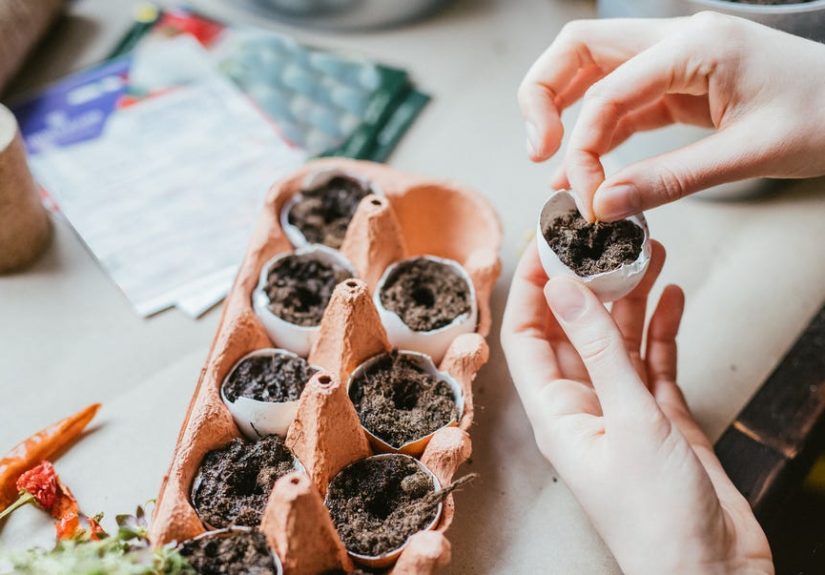
Here is a straightforward way to soak seeds without overcomplicating the process.
1. Choose the Right Seeds
Pick seeds that are known to respond well to soaking, such as peas, beets, chard, parsley, or okra. Skip tiny seeds unless your source specifically recommends otherwise.
2. Use a Clean Container
A small bowl, mug, jar, or glass works well. Clean it first. The goal is hydration, not introducing mystery biology.
3. Add Room-Temperature or Lukewarm Water
Use enough water to fully cover the seeds. Very hot water is not appropriate for routine soaking of ordinary vegetable seeds. Keep it gentle.
4. Set a Timer
Soak the seeds for the recommended time, usually overnight. Do not rely on memory unless your memory has an excellent track record with leftovers, birthdays, and laundry.
5. Drain Thoroughly
After soaking, pour off the water and let the seeds drain. You want them hydrated, not floating into the garden like tiny shipwreck survivors.
6. Plant Immediately
Once soaked, seeds should go into the soil promptly. They have already started the germination process, so do not let them sit around drying out on the counter.
7. Keep Soil Consistently Moist
Soaked seeds still need proper aftercare. The soil should stay evenly moist, not waterlogged. Germination needs moisture and oxygen, and a boggy seed bed can ruin the whole plan.
Best Conditions After Soaking
Seed soaking is only the opening act. What happens after planting matters just as much.
Warm Soil
Seeds germinate best when the soil temperature matches their preference. Warm-season crops such as okra, squash, melons, and cucumbers need warmth to perform well. Soaking cannot rescue seeds planted into cold, soggy soil.
Proper Planting Depth
A common rule is to plant seeds roughly two to three times as deep as the seed is wide, unless the packet says otherwise. Tiny seeds should be planted very shallowly, and some need light to germinate.
Even Moisture, Not Mud
Seeds need water, but they also need oxygen. If the soil stays soaked, seeds can rot before they emerge. Moist and airy beats drenched and dramatic every time.
Common Mistakes to Avoid When Soaking Seeds
Soaking Every Seed in the House
Seed soaking is helpful for some crops, not all of them. If you soak tiny carrot seeds, you may end up with a clumpy mess and a fresh appreciation for simplicity.
Leaving Seeds in Water Too Long
Long soaking times can damage seeds. If they swell, split, or smell off, that is not a sign of success. That is the gardening version of overcooking pasta.
Planting into Cold Soil
Soaked seeds are primed for growth. If you drop them into cold ground, they may stall or rot. Match the treatment to the season.
Using Waterlogged Soil
Too much moisture reduces oxygen around the seed. Good germination needs balance, not swamp conditions.
Ignoring Variety-Specific Instructions
One bean is not every bean, and one squash is not every squash. Always check the packet for crop-specific guidance.
Do You Need to Soak Seeds for a Prosperous Crop?
Not necessarily. Many seeds germinate beautifully without soaking if you provide the right temperature, moisture, spacing, and timing. Seed soaking is a useful technique, not a universal requirement.
What it can do is improve the start for selected crops, especially when you are sowing directly outdoors and want faster, more reliable germination. In other words, it is one smart move in a larger system that includes healthy soil, correct planting depth, careful watering, and patience.
A prosperous crop usually comes from stacking good decisions: choosing strong seed, planting at the right time, preparing the soil well, watering consistently, and paying attention early. Soaking can absolutely be part of that strategy, but it is not the whole story.
Final Thoughts
If you want an easy gardening upgrade with almost no cost, soaking the right garden seeds before planting is worth trying. It can speed germination, improve uniformity, and give harder seeds a better chance to wake up and grow. The trick is to be selective. Soak the seeds that benefit, skip the ones that do not, keep the soak short, and plant them right away.
Think of seed soaking as a head start, not a shortcut. Your peas, beets, parsley, or okra may thank you with quicker sprouts and a smoother season. And if nothing else, it gives you one more satisfying gardening ritual to perform while waiting for spring to behave itself.
Garden-Tested Lessons and Real-World Experience with Seed Soaking
Gardeners often discover the value of seed soaking through side-by-side experience rather than theory alone. One of the most common stories goes like this: a gardener plants two short rows of peas, one row from dry seed and one from seed soaked overnight. A week later, the soaked row is already popping up in a tidy green line while the dry row is still thinking about its life choices. That kind of visible difference is why seed soaking keeps getting passed from gardener to gardener.
Another familiar experience shows up with parsley. Plenty of people assume they made a mistake because parsley takes so long to emerge. Then they try soaking the seeds overnight before sowing, keep the bed evenly moist, and suddenly the stand is better, faster, and easier to track. It does not turn parsley into a rocket ship, but it can make the process feel less like waiting for a text from someone who said, “Be there in five.”
Okra is another crop that teaches patience. In warm weather, soaked okra seed often gets moving faster than dry seed, especially when planted into soil that is truly warm rather than merely optimistic. Gardeners who skip soaking sometimes still get a crop, but the difference in timing can matter when they want strong early plants and an earlier harvest window.
Experience also teaches caution. Many gardeners eventually overdo it once. They leave seeds soaking too long, get distracted, and return to find swollen seeds that are fragile, split, or unpleasantly mushy. That moment tends to cure the idea that “if a little soaking is good, more must be better.” It is not. Seeds need moisture, but they also need oxygen and good timing.
Direct sowing after soaking has another practical advantage: it helps gardeners notice weak spots in the bed. If soaked seeds fail, the issue is often not the seed treatment but the planting conditions. Maybe the soil crusted over after a hard rain. Maybe the row dried out too fast. Maybe the bed stayed too wet. Seed soaking can actually make troubleshooting easier because it removes one variable and highlights what is going on in the soil.
Many experienced home gardeners end up with a simple rule: soak only what tends to benefit, and keep the method boring. Clean cup, plain water, overnight soak, drain, plant, and move on. No elaborate formulas. No mystical additives. No treating every seed like it is preparing for a triathlon.
Over time, that calm, selective approach tends to produce the best results. The gardeners who get the most from seed soaking are not the ones chasing hacks. They are the ones paying attention. They notice which crops are slow, which beds dry quickly, which seeds have thicker coats, and which weather patterns create a narrow planting window. That is how a small technique becomes part of a larger gardening rhythm. And in the long run, that rhythm is what leads to the prosperous crop everyone wants: healthier starts, steadier growth, and more food leaving the garden instead of staying trapped in a seed packet.