Table of Contents >> Show >> Hide
- Why Seafood Feels Expensive in the First Place
- 1. Stop Assuming Fresh Is Always Better
- 2. Make Canned Seafood Your Budget Wingman
- 3. Learn the Affordable Species in Your Area
- 4. Shop With the Seasons, Not Just Your Cravings
- 5. Use Weekly Ads, Digital Coupons, and Markdown Timing
- 6. Compare Unit Price, Not Just Sticker Price
- 7. Skip Fancy Marinades and Value-Added Packaging
- 8. Prevent Waste Like Your Grocery Bill Depends on It, Because It Does
- 9. Build Meals That Stretch Seafood Further
- 10. Know When Store Brands Win
- 11. Balance Budget With Nutrition and Safety
- 12. A Smart Seafood Shopping Game Plan
- Experience Section: What Actually Helped Me Save on Seafood
- Conclusion
Seafood has a reputation for being the “fancy” protein in the store. Chicken is casual. Beans are dependable. Eggs are everybody’s emergency contact. Seafood, meanwhile, strolls in wearing a cashmere scarf and acting like your grocery budget does not exist.
But here is the good news: seafood does not have to be a budget buster. If you shop with a strategy, you can bring home fish and shellfish without feeling like you just financed a yacht. The real secret is not hunting for one magical cheap fillet. It is learning how to buy smarter, waste less, and stay flexible about what goes in your cart.
This guide breaks down the most practical ways to save on seafood at the grocery store, from choosing frozen and canned options to comparing unit prices, timing markdowns, using the fish counter wisely, and stretching seafood into satisfying meals. If you love salmon but not the price tag, or if you want to eat more seafood without developing trust issues with your receipt, this is for you.
Why Seafood Feels Expensive in the First Place
Before we talk savings, it helps to know why seafood can seem pricey. Unlike many other proteins, seafood is highly perishable, often travels long distances, and can vary a lot based on season, species, sourcing, and processing. Fresh fillets also come with hidden costs that are not always obvious at first glance: trimming, skin removal, portioning, marinating, and even the simple fact that fresh fish has a short shelf life.
That means the biggest seafood mistake is not necessarily buying the most expensive item. It is buying seafood with a plan that is too vague. “I’ll figure out dinner later” is a charming sentiment for pasta. It is much less charming for fresh cod that needs to be used quickly.
If you want to save money, think like a practical home cook instead of a seafood snob. Your goal is not to win a fish beauty contest. Your goal is to get good flavor, good nutrition, and good value.
1. Stop Assuming Fresh Is Always Better
This is where many shoppers quietly donate money to the seafood department. Fresh fish sounds premium, but frozen seafood is often the better deal. In many cases, it is frozen close to harvest, which helps preserve quality. It also lasts longer, gives you more flexibility, and reduces the chance that your dinner plan turns into a science experiment by Wednesday.
Frozen seafood is especially useful when you cook for one or two people. Instead of buying a large fresh fillet and racing against the clock, you can thaw only what you need. That means less waste, less panic, and fewer nights of saying, “I guess we are having emergency fish tacos because the salmon looks nervous.”
Look for individually wrapped fillets, resealable bags, and plain products without pricey sauces or marinades. Those seasoning packets may seem convenient, but they often raise the cost without improving the meal much. A squeeze of lemon, a little olive oil, garlic, black pepper, and paprika can do the same job for less.
2. Make Canned Seafood Your Budget Wingman
If frozen seafood is the practical friend, canned seafood is the financially responsible one who actually remembers the promo code. Tuna, salmon, sardines, mackerel, anchovies, crab, and clams can all be smart grocery buys depending on your taste and budget.
Canned seafood works because it solves three common problems at once: cost, convenience, and shelf life. You can stock up when prices are good, keep it on hand for quick lunches or low-effort dinners, and use it in ways that stretch a small amount of protein across several servings.
Try canned salmon in salmon cakes, canned tuna in pasta salad or rice bowls, sardines on toast with lemon and herbs, or canned clams in a simple linguine. You do not need to serve an Instagram-worthy seafood tower. You need a satisfying meal that costs less than takeout and does not require a second mortgage.
3. Learn the Affordable Species in Your Area
If your seafood routine begins and ends with salmon and jumbo shrimp, your receipt is going to keep doing jump scares. One of the easiest ways to save on seafood is to branch out. Plenty of delicious species are often more affordable than the usual headliners.
Depending on your region and store, budget-friendlier options may include pollock, cod, tilapia, catfish, whiting, flounder, mussels, canned sardines, or mackerel. The exact winners vary by location, but the principle stays the same: be open to what is abundant, available, and less trendy.
Mussels are one of the most overlooked bargains in the seafood world. They cook quickly, feel a little special, and pair well with inexpensive pantry ingredients like garlic, onions, broth, canned tomatoes, and crusty bread. That is the kind of dinner that feels far more expensive than it is.
4. Shop With the Seasons, Not Just Your Cravings
Seasonality matters with seafood just like it does with produce. When a species is in stronger supply, prices can be more favorable. Farmed seafood may offer more consistent year-round pricing, while wild-caught seafood can swing more depending on season and availability.
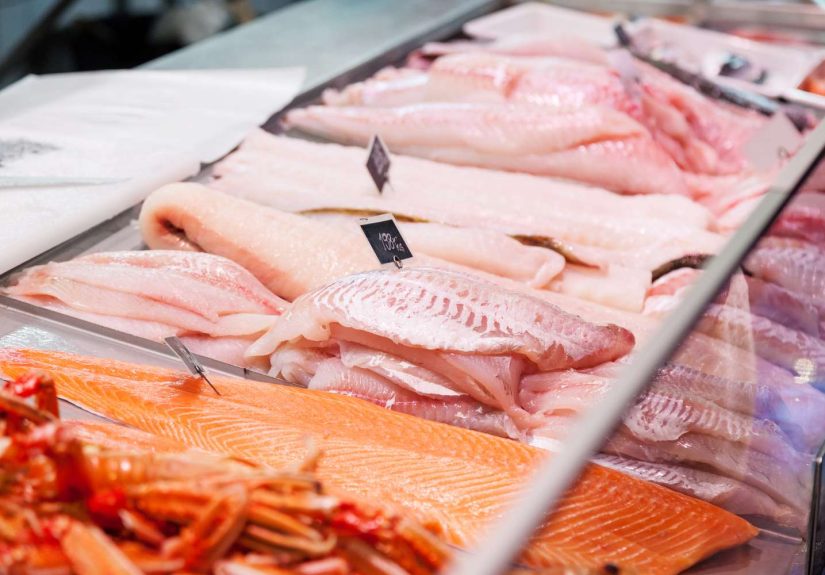
This is where the fish counter can actually save you money. Ask what is in season, what just came in, and what makes a good substitute for a pricier fish in your recipe. If you walk up asking only for “the best salmon,” you may get exactly what you asked for and absolutely not what your wallet wanted.
A smarter question is: “What is the best value today if I want to bake it, grill it, or use it in tacos?” That simple shift turns the seafood counter from a luxury display into a practical resource.
5. Use Weekly Ads, Digital Coupons, and Markdown Timing
Seafood is one of the categories where promotions matter a lot. Weekly circulars, store apps, loyalty pricing, and digital coupons can make a noticeable difference, especially on frozen shrimp, bagged fillets, and canned seafood multipacks.
Check the ad before you shop and build your meals around what is on sale. This sounds obvious, but plenty of people still write their seafood plan first and look at prices second. That is backwards. Start with the deal, then decide whether it becomes tacos, bowls, pasta, chowder, or a sheet-pan dinner.
Also keep an eye out for manager’s specials and same-day markdowns in the fresh section. These can be worthwhile if you plan to cook the seafood right away or freeze it promptly if appropriate. The key word here is plan. A markdown only saves money when it becomes dinner, not when it becomes guilt.
6. Compare Unit Price, Not Just Sticker Price
Seafood packaging is very good at playing little mind games. A smaller pack with a lower sticker price can look cheaper, but the unit price may tell a different story. Always compare price per pound or price per ounce when possible.
Then take it one step further: compare the cost of the edible portion. A shell-on product may be a great buy if you love peeling shrimp and using the shells for stock. It may be a terrible buy if you are tired, hungry, and just want dinner in twelve minutes. Likewise, skinless and boneless fillets may cost more, but they might still be worth it if they reduce waste and effort.
The cheapest seafood on paper is not always the cheapest seafood on your plate.
7. Skip Fancy Marinades and Value-Added Packaging
Pre-marinated skewers, cedar-plank kits, stuffed fillets, and glossy seafood bundles can look tempting. They are convenient, yes. They are also a sneaky way to pay extra for ingredients and labor you can often handle yourself with very little effort.
Plain shrimp cooks just as beautifully as seasoned shrimp. Plain salmon can become lemon-dill salmon, miso salmon, Cajun salmon, or maple-mustard salmon without much work. Plain cod is basically a blank canvas wearing a raincoat.
When budgets are tight, buy the least processed version you are comfortable preparing. That often gives you the best value and the most flexibility.
8. Prevent Waste Like Your Grocery Bill Depends on It, Because It Does
Nothing ruins seafood savings faster than spoilage. The FDA recommends getting seafood onto ice or into the refrigerator or freezer soon after buying it, keeping the refrigerator at 40 degrees Fahrenheit or below, and using seafood within about two days if you are storing it fresh. If you will not use it quickly, freeze it. Frozen foods stay safe indefinitely, though quality can decline over time.
In plain English: if you buy fresh fish on Saturday for a maybe-dinner on Tuesday-or-Wednesday-ish, you are flirting with expensive disappointment.
Bring an insulated bag if you have a long drive home. Make seafood your last stop in the store. Portion and freeze extra fillets right away. Label packages. Thaw in the refrigerator when you can, and keep your plan realistic. A cheaper package is not a bargain if half of it ends up in the trash.
9. Build Meals That Stretch Seafood Further
You do not always need a giant fillet in the center of the plate. One of the smartest budget moves is to use seafood as part of the meal instead of the entire event. Think seafood fried rice, pasta with clams, salmon cakes, tuna melts, shrimp tacos, chowders, fish curries, noodle bowls, and grain bowls.
These meals use smaller amounts of seafood while still delivering plenty of flavor and satisfaction. Pair seafood with rice, beans, lentils, potatoes, pasta, vegetables, or salad, and your grocery dollars go much further.
This is especially useful with pricier species. Half a pound of shrimp can disappear tragically fast when served on its own. Put that same half pound into a vegetable-packed stir-fry over rice, and suddenly it feeds more people without anyone filing a complaint.
10. Know When Store Brands Win
Store-brand frozen shrimp, canned tuna, canned salmon, fish sticks, and plain frozen fillets can be excellent value buys. Brand names sometimes bring better packaging or more seasoning options, but not always better results in the pan.
For basics, compare ingredients, sodium, added sauces, net weight, and price per unit. A private-label frozen cod bag can be one of the best deals in the store if the product is simple and the quality is solid. Save the splurge for items where you truly notice the difference.
11. Balance Budget With Nutrition and Safety
Saving money does not mean ignoring health considerations. Seafood can be a strong source of protein and omega-3 fats, and many Americans could benefit from eating it more regularly. But it is also smart to vary your choices, especially for people who are pregnant, breastfeeding, or shopping for young children. Lower-mercury options matter.
A practical budget rule is this: rotate among different kinds of seafood instead of buying the same thing every time. That helps with cost, meal boredom, and nutrition. Canned salmon one week, frozen pollock the next, shrimp after that, then sardines or trout. Your budget likes variety. Your taste buds do, too.
12. A Smart Seafood Shopping Game Plan
Before You Go
Check the weekly ad, your freezer space, and what meals you actually have time to cook. Pick two or three seafood options, not ten. One fresh or thawed-soon item, one frozen backup, and one canned option is a smart mix.
At the Store
Compare fresh, frozen, and canned versions of the same type of seafood. Ask what is a good value today. Look at unit prices. Avoid paying extra for sauces and unnecessary prep. Buy seafood last.
When You Get Home
Refrigerate or freeze right away. Portion bulk packages. Plan the most perishable seafood meal first. Keep canned seafood where you can actually see it, so it becomes lunch instead of a pantry fossil.
Experience Section: What Actually Helped Me Save on Seafood
One of the biggest lessons I learned from trying to cut grocery costs was that seafood punished vague planning faster than almost any other food. If I bought chicken without a clear dinner idea, it was annoying but manageable. If I bought fresh fish without a plan, the countdown clock started immediately, and the whole thing felt like a suspense movie set in my refrigerator drawer.
The first real improvement came when I stopped buying seafood based on craving alone. I used to walk into the store, spot a beautiful fillet, and convince myself that future-me would definitely turn it into an elegant dinner. Future-me, unfortunately, was often tired, running late, and suddenly very interested in toast. Once I switched to buying seafood based on schedule instead of fantasy, I wasted much less and spent less overall.
Frozen fish changed everything. I had resisted it for a while because I thought fresh automatically meant better. Then I realized what I actually wanted was not “fresh.” I wanted reliable, good-tasting, low-stress dinner. Frozen fillets gave me exactly that. I could cook only what I needed, keep backup protein on hand, and avoid the problem of buying too much for one meal. It turned seafood from a risky purchase into a practical one.
Canned seafood helped in a different way. It did not feel glamorous at first, but it made weekday lunches and quick dinners dramatically cheaper. A can of salmon turned into patties with breadcrumbs and onion. Tuna became pasta salad, wraps, and rice bowls. Sardines became one of those foods I appreciated slowly, like jazz or paying my credit card bill on time. They were affordable, filling, and unexpectedly useful.
I also learned that the seafood counter works better when you ask flexible questions. Instead of naming one exact fish, I started asking what was a good buy that day for grilling, baking, or pan-searing. That small change led me to better values more often. Sometimes the answer was not the fish I originally imagined, but it was almost always the fish that made more sense for my budget.
Another habit that saved money was building meals where seafood was part of the dish, not the entire dish. Shrimp fried rice, salmon cakes, pasta with clams, and fish tacos all made a modest amount of seafood feel generous. Once I stopped chasing steakhouse-style portions, seafood became much easier to fit into normal grocery spending.
The most humbling lesson, though, was how often “saving money” failed because of waste. I used to focus on the price tag and ignore the odds that I would actually cook the item in time. Now I pay attention to timing first. If I know the week is busy, I buy frozen or canned. If I buy fresh, I schedule it early. That one change probably saved me more than any coupon ever did.
In the end, saving on seafood was less about hunting for miracle bargains and more about getting honest. Honest about my cooking habits. Honest about how much effort I wanted on a Tuesday. Honest about whether I needed a premium fillet or just a good, affordable protein for dinner. Once I made that shift, seafood stopped feeling like a luxury aisle and started feeling like a category I could shop with confidence.
Conclusion
If you want to save on seafood at the grocery store, the smartest move is not to chase the fanciest fish at the lowest price. It is to shop with flexibility, compare formats, use your freezer, embrace canned seafood, watch weekly promotions, and buy only what fits your real cooking life. Fresh seafood can be wonderful, but frozen and canned options often deliver the better bargain. Affordable species can be just as satisfying as the popular ones. And a well-planned seafood meal beats an overambitious purchase every time.
In other words, the path to cheaper seafood is not complicated. Buy smart. Store it well. Waste less. Season confidently. And remember: the fish counter is not judging you nearly as much as your receipt is.