Table of Contents >> Show >> Hide
- What Does “Replanting an Avocado Pit” Actually Mean?
- When Is an Avocado Pit Ready to Replant?
- Tools and Materials You Will Need
- Choose the Right Pot for Your Avocado Pit
- Pick the Best Soil for an Avocado Pit
- How To Replant Your Avocado Pit Step by Step
- How Deep Should You Plant an Avocado Pit?
- How To Care for an Avocado Plant After Replanting
- Should You Prune a Young Avocado Plant?
- Common Problems After Replanting an Avocado Pit
- Can You Plant an Avocado Pit Outdoors?
- Will a Replanted Avocado Pit Grow Fruit?
- Best Tips for Success
- Repotting as the Avocado Plant Grows
- Personal Experience: What Replanting Avocado Pits Teaches You
- Conclusion
Note: This article synthesizes practical guidance from U.S. Cooperative Extension resources, Master Gardener programs, and reputable home-gardening publications. It is written for web publishing and does not include external source links, as requested.
There is something wonderfully suspicious about an avocado pit. One minute it is sitting in your guacamole bowl looking like a polished wooden marble, and the next you are staring at it thinking, “Could I raise you into a tree?” The answer is yessort of. You can replant your avocado pit and grow it into a handsome indoor plant with glossy leaves, dramatic height, and just enough tropical attitude to make your windowsill feel like it has vacation plans.
But here is the honest truth before we grab the potting mix: an avocado grown from a pit is usually a houseplant project, not a guaranteed future toast factory. Seed-grown avocado trees often do not produce fruit indoors, and if they do fruit outdoors after many years, the avocados may not resemble the one you ate. Still, replanting an avocado pit is fun, inexpensive, educational, and oddly satisfying. It is a small gardening experiment with big leafy rewards.
This guide explains exactly when and how to replant your avocado pit, what soil and pot to use, how to avoid root rot, and how to care for the young avocado plant after transplanting. Whether your pit has roots dangling in a jar of water or you are starting fresh from the fruit, consider this your no-panic, soil-under-the-fingernails roadmap.
What Does “Replanting an Avocado Pit” Actually Mean?
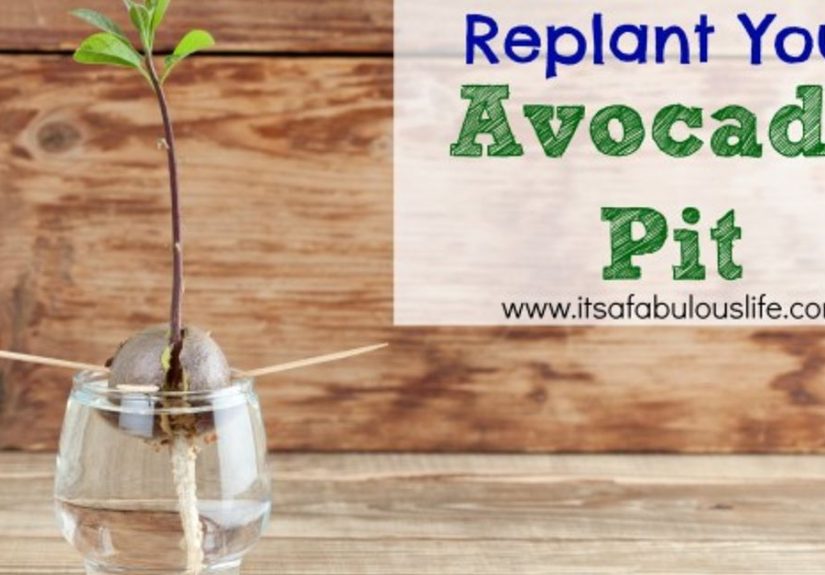
Replanting an avocado pit usually means moving a sprouted avocado seed from water into soil. Many people start avocado pits using the classic toothpick-and-glass method: suspend the seed over water with the broad end touching the water and the pointed end facing up. Eventually, the pit cracks, a root grows downward, and a stem pushes upward. That is when the pit starts acting less like kitchen waste and more like a tiny botanical drama queen.
You can also start an avocado pit directly in soil. In fact, soil-started pits often avoid the awkward transition from water roots to soil roots. But if your pit is already sprouting in water, do not worry. It can still be replanted successfully if you handle the roots gently and give the plant the right growing conditions.
When Is an Avocado Pit Ready to Replant?
The best time to replant an avocado pit is after it has developed a healthy root and a visible shoot. As a general rule, wait until the main root is at least 2 to 3 inches long and the stem has begun to grow leaves. If the root is only a tiny white nub, patience is your friend. If the stem is already tall, thin, and leaning like it just heard bad news, it is probably past ready and needs soil, light, and support.
Signs Your Avocado Pit Is Ready for Soil
Your avocado pit is ready to move into a pot when the seed has split open, the root is firm and white or pale tan, and the stem has grown upward with at least a few leaves forming. The pit should still feel solid, not mushy. If it smells unpleasant or feels slimy, it may be rotting, and you are better off starting with a fresh seed.
Do not wait forever. Water can help the seed sprout, but soil provides the structure and nutrients the young plant needs for long-term growth. Think of water as the avocado pit’s starter apartment. Cute for a while, but eventually it needs a proper home.
Tools and Materials You Will Need
You do not need fancy equipment to replant an avocado pit. The key is choosing supplies that support drainage, root growth, and stable moisture. Avocados dislike soggy soil, so your setup should help water move through the pot rather than turning the roots into swamp noodles.
- A sprouted avocado pit with a healthy root and stem
- A 6- to 8-inch pot with drainage holes
- Well-draining indoor potting mix
- A saucer to catch extra water
- A spoon, small trowel, or your hands
- Room-temperature water
- Optional: perlite or coarse sand to improve drainage
- Optional: a small stake if the stem is tall and floppy
Choose the Right Pot for Your Avocado Pit
A young avocado plant does not need a giant container. In fact, planting a small seedling in a huge pot can cause problems because excess soil holds extra moisture. That extra moisture can linger around the roots and increase the chance of root rot.
Start with a pot about 6 to 8 inches in diameter. Make sure it has drainage holes. This is not optional. A cute pot without drainage is basically a decorative bathtub, and avocado roots are not interested in spa day conditions. If you love a pot that has no holes, use it as a cachepot: place a smaller nursery pot with drainage inside it, then remove the inner pot when watering.
Pick the Best Soil for an Avocado Pit
The best soil for replanting an avocado pit is a loose, well-draining potting mix. A general indoor houseplant mix can work well, especially if it contains ingredients such as perlite, bark fines, or other materials that keep the soil airy. If the mix feels heavy and dense, add perlite or coarse sand to improve drainage.
Avoid garden soil in indoor containers. It may compact, drain poorly, and bring along pests or diseases. Your avocado plant wants soil that stays lightly moist but never waterlogged. Imagine a wrung-out sponge: damp enough to support growth, but not dripping like it just lost a water-balloon fight.
How To Replant Your Avocado Pit Step by Step
Now for the main event. Replanting is simple, but the roots are fragile, so take your time. A rushed avocado transplant is how innocent seedlings become compost.
Step 1: Prepare the Pot
Fill the pot about halfway with moist potting mix. The soil should be slightly damp before planting, not bone dry and not soggy. Pre-moistening the mix helps reduce stress on the roots and makes it easier to settle the seed into place.
Step 2: Remove the Avocado Pit from Water
If you used toothpicks, remove them carefully. Hold the pit gently and avoid tugging on the root. If the root has curled around the bottom of the glass, ease it out slowly. Roots that developed in water can be delicate, so treat them like wet spaghetti with a future.
Step 3: Position the Pit Correctly
Place the avocado pit in the center of the pot with the root pointing down and the sprout pointing up. The top half of the pit should remain above the soil surface, or at least the top of the seed should sit level with the soil line. Do not bury the entire pit. Keeping the upper part exposed helps reduce rot and makes it easier to monitor the seed.
Step 4: Backfill Around the Root
Add potting mix around the root and lower half of the pit. Firm the soil gently with your fingers, but do not press it into concrete. The goal is to remove big air pockets while keeping the soil loose enough for oxygen and water to move through.
Step 5: Water Thoroughly
Water the pot slowly until moisture runs from the drainage holes. This helps settle the soil around the roots. After watering, empty the saucer so the pot is not sitting in standing water. Avocados like moisture, but they do not like wet feet.
Step 6: Place the Plant in Bright Light
Set the replanted avocado pit in a warm, bright location. An east- or west-facing window is often a good choice. Very hot direct afternoon sun can stress a newly transplanted seedling, so start with bright indirect light or gentle morning sun. Once the plant is growing strongly, it can handle more light.
How Deep Should You Plant an Avocado Pit?
Plant the avocado pit so the bottom half is in soil and the top half is exposed. If you are following a method that places the top of the seed level with the soil surface, that can also work, but avoid burying the whole seed. A fully buried pit is more likely to stay too wet and rot before the young plant establishes itself.
The broad end belongs down because that is where the root emerges. The pointed end faces up because that is where the shoot grows. If you forget which end is which, remember: broad bottom, pointy party hat on top.
How To Care for an Avocado Plant After Replanting
Once your avocado pit is in soil, the real growing begins. The first few weeks matter because the plant is adjusting from water or seed reserves to life in a container. Your job is to provide steady moisture, bright light, warmth, and patience.
Watering
Water when the top inch of soil feels dry. Stick your finger into the mix before reaching for the watering can. If the surface is dry but the soil below is still damp, wait another day or two. When you do water, water deeply until it drains from the bottom, then empty the saucer.
Yellowing leaves can be a sign of overwatering, especially if the soil stays wet. Crispy brown leaf edges may point to underwatering, low humidity, too much direct sun, or salt buildup from fertilizer. Plants enjoy keeping us humble.
Light
Avocado plants grow best in bright light. Indoors, place the plant near a sunny window where it receives several hours of strong light per day. If your home is dim, a full-spectrum grow light can help prevent leggy growth. A tall, skinny avocado plant is usually begging for more light, not auditioning for a modeling career.
Temperature
Avocados prefer warm indoor temperatures, roughly in the comfortable human range. Keep the plant away from cold drafts, heating vents, and windows that become chilly at night. Sudden temperature swings can cause leaf drop or slow growth.
Humidity
Indoor air can become dry, especially during winter. If leaf tips turn brown and crispy, try increasing humidity with a pebble tray, grouping plants together, or using a humidifier. Do not mist constantly if it leaves leaves wet for long periods; airflow still matters.
Fertilizing
Wait until the plant shows active new growth before fertilizing. During spring and summer, feed lightly with a diluted balanced houseplant fertilizer once or twice a month, or follow the label for a slow-release product. Avoid overfertilizing young plants. More fertilizer does not mean more success; it often means burned roots and regret.
Should You Prune a Young Avocado Plant?
Yes, light pruning can help an avocado plant grow fuller instead of becoming a single tall stick with leaves at the top. When the seedling reaches about 12 to 15 inches tall, pinch or snip out the growing tip. This encourages branching and creates a bushier houseplant.
Use clean scissors or pruning shears. Do not remove too much at once from a stressed or recently transplanted plant. If your avocado has just been replanted, give it a few weeks to settle before pruning unless the stem is extremely weak or damaged.
Common Problems After Replanting an Avocado Pit
Avocado seedlings are fairly forgiving, but they do have opinions. Here are the most common issues and how to fix them.
The Leaves Are Turning Yellow
Yellow leaves often mean too much water or poor drainage. Check that the pot has drainage holes and that the saucer is not holding water. Let the top inch of soil dry before watering again. If the soil smells sour or feels constantly soggy, repotting into a fresher, better-draining mix may be necessary.
The Stem Is Tall and Leggy
A leggy stem usually means the plant needs more light. Move it closer to a bright window or add a grow light. Once the plant is stronger, pinch the growing tip to encourage branching.
The Pit Looks Moldy
A little surface discoloration on the exposed seed is not always fatal, but fuzzy mold or soft, mushy areas are warning signs. Improve airflow, avoid overwatering, and keep the top of the pit exposed. If the seed collapses or smells bad, start over with a fresh pit.
The Leaves Have Brown Tips
Brown tips can come from dry air, inconsistent watering, fertilizer buildup, or too much direct sun. Flush the pot occasionally by watering thoroughly and letting water drain out. Avoid letting the plant sit in runoff. Adjust light and humidity if needed.
Can You Plant an Avocado Pit Outdoors?
You can plant an avocado outdoors only if your climate is suitable. Avocados are frost-sensitive and generally grow best outdoors in mild, warm regions. In colder areas, keep the plant in a container and bring it indoors when temperatures drop. Even in warm zones, a seed-grown avocado may take many years to fruit, and the fruit quality is unpredictable.
If you decide to move a potted avocado outside for summer, acclimate it gradually. Start in shade or dappled light, then increase sun exposure over one to two weeks. Indoor leaves can scorch when suddenly placed in full sun. Avocado plants are tropical at heart, but even tropical plants dislike being thrown into a sunbathing contest without warning.
Will a Replanted Avocado Pit Grow Fruit?
Maybe, but do not build your brunch menu around it. Avocado trees grown from seed can take many years to produce fruit, and indoor plants rarely fruit at all. Commercial avocado trees are usually grafted because grafting produces more predictable fruit quality and faster results.
That does not make your pit-grown plant a failure. It simply means its main value is ornamental, educational, and emotional. You grew a plant from something most people throw away. That earns a tiny round of applause and possibly a new windowsill addiction.
Best Tips for Success
- Use a pot with drainage holes every time.
- Keep the top half of the pit exposed above the soil.
- Water deeply, then let the top inch of soil dry.
- Give the plant bright light to prevent leggy growth.
- Protect it from cold drafts and sudden temperature changes.
- Pinch the growing tip when the plant reaches 12 to 15 inches tall.
- Repot in spring when roots fill the container.
Repotting as the Avocado Plant Grows
Your avocado plant will eventually outgrow its first pot. Signs it needs repotting include roots circling the drainage holes, water running straight through the pot, soil drying unusually fast, or slowed growth during the growing season. Move up only one pot size at a time, usually 1 to 2 inches wider in diameter.
Spring is the best time to repot because the plant is entering active growth. Use fresh, well-draining potting mix and keep the root ball mostly intact. Avocado roots can be sensitive, so avoid aggressive root teasing unless the plant is severely rootbound.
Personal Experience: What Replanting Avocado Pits Teaches You
Replanting an avocado pit sounds easy until you meet your first dramatic seedling. One pit sprouts in three weeks like it has a calendar appointment. Another sits in water for two months doing absolutely nothing, as if contemplating its life choices. That is the first lesson: avocado pits work on avocado time, not human time.
One of the most useful experiences is learning when to stop waiting and move the pit into soil. Many beginners keep the seed in water too long because the jar looks charming on the windowsill. The root grows longer, the stem grows taller, and suddenly transplanting feels risky. In practice, the best results often come from potting the seed once it has a strong root and early leaves, before the plant becomes too dependent on water culture.
Another lesson is that drainage matters more than enthusiasm. I have seen avocado seedlings decline in beautiful ceramic pots because the containers had no drainage holes. The owner watered carefully, but the lower soil stayed wet. The leaves yellowed, the stem weakened, and the plant looked miserable. When the same setup was changed to a simple nursery pot with drainage, the next seedling grew much better. The pot was less glamorous, but the roots were happier. Gardening has a way of humbling interior design.
Light is the next big teacher. A replanted avocado pit placed across the room from a window may survive, but it usually stretches toward the light and becomes tall, thin, and floppy. A seedling placed near a bright east or west window tends to grow sturdier leaves and a stronger stem. If the plant leans, rotate the pot every few days. This small habit helps the stem grow more evenly and makes the plant look less like it is trying to escape.
Watering is where many people over-love their avocado plants. The seedling looks precious, so they water it every day. Unfortunately, constant moisture can suffocate roots. A better rhythm is to check the soil with your finger. If the top inch is dry, water thoroughly. If it is still damp, leave it alone. This simple finger test is more reliable than a strict schedule because indoor temperature, sunlight, humidity, and pot size all affect how fast soil dries.
Pruning can feel scary the first time. Cutting the top off a plant you worked hard to grow seems rude. But pinching the growing tip when the plant is around 12 to 15 inches tall can make a big difference. Instead of one lanky stem, the plant can form side branches and become fuller. The key is to prune when the plant is healthy and actively growing, not immediately after a stressful transplant.
The biggest mindset shift is accepting that an avocado pit is not a fruit guarantee. It is a plant project. You may never harvest avocados from it, especially indoors, but you will learn about germination, transplant shock, drainage, light, pruning, and patience. That is a pretty impressive education from something that came free with lunch.
For best results, treat each avocado pit as an experiment. Start more than one if you have space. Label the date. Try one in water and one directly in soil. Compare growth. Notice which window works best. Keep notes on watering. Before long, you will understand your home’s growing conditions better than any generic plant-care chart can explain.
And if one pit fails? That is not disaster; that is compost with a backstory. Eat another avocado, save the pit, and try again. Gardening is generous that way. There is almost always another chance, and sometimes it comes with chips.
Conclusion
Learning how to replant your avocado pit is a simple, rewarding way to turn kitchen scraps into a living houseplant. The process works best when you wait for a healthy root and shoot, choose a 6- to 8-inch pot with drainage, use well-draining potting mix, and keep the top of the seed exposed. After planting, bright light, careful watering, warmth, and occasional pruning will help your avocado seedling grow into a lush indoor plant.
Will it give you a lifetime supply of avocados? Probably not. Will it give you a fun, leafy reminder that nature has a flair for surprises? Absolutely. Replant the pit, give it the right care, and enjoy watching your tiny avocado experiment become the greenest conversation starter in the room.