Table of Contents >> Show >> Hide
- What Testicle Pain Can Feel Like
- How to Relieve Testicle Pain at Home and When That’s Reasonable
- Common Causes of Testicle Pain
- When Testicle Pain Is an Emergency
- How Doctors Diagnose the Cause
- Treatments for Testicle Pain
- What Not to Do
- Can You Prevent Testicle Pain?
- Final Thoughts
- Common Real-Life Experiences With Testicle Pain
- SEO Tags
Let’s get one thing out of the way: testicle pain is not the kind of body signal you casually “circle back to next week.” Sometimes it’s caused by something minor, like a sports injury or irritation. Sometimes it’s your body waving a giant red flag and yelling, “Emergency, please.” The tricky part is that the pain can range from a dull ache to a sharp, sudden bolt, and the cause isn’t always obvious from symptoms alone.
If you’re wondering how to relieve testicle pain, the honest answer is this: relief depends on the cause. Ice and rest might help one person, while another person needs antibiotics, imaging, or urgent surgery. That’s why the smartest move is not just chasing pain relief, but figuring out what’s actually causing the pain in the first place.
This guide breaks down the most common causes of testicle pain, what treatments may help, when home care is reasonable, and when you should stop reading and get medical care immediately. We’ll keep it clear, practical, and a little less awkward than the topic usually feels.
What Testicle Pain Can Feel Like
Testicle pain does not always behave the same way. Some people describe a sudden stabbing pain in one testicle. Others notice a heavy, dragging ache, soreness after exercise, or discomfort that seems to spread into the groin, lower abdomen, or lower back. In some cases, the scrotum looks swollen, red, or tender. In others, everything looks normal even though the pain is very real.
The pattern matters. Sudden severe pain is more concerning than a mild ache that improves quickly. Pain with nausea, vomiting, swelling, fever, or a higher-riding testicle is especially important. Pain after an injury that does not settle down is also not something to shrug off with a heroic “I’m fine.”
How to Relieve Testicle Pain at Home and When That’s Reasonable
Home treatment may help mild, clearly non-emergency pain, especially after a minor bump or when a clinician has already ruled out urgent causes. Reasonable self-care steps can include:
1. Rest and reduce activity
If pain started after exercise, lifting, or a minor hit, taking it easy for a day or two may reduce irritation. Skip the heavy lifting and let your body cool down, literally and figuratively.
2. Support the scrotum
Athletic support briefs or a jockstrap can reduce movement and take pressure off sore tissues. It’s not glamorous, but neither is walking like a cowboy in an old western.
3. Use a cold pack
Apply a cold pack wrapped in a cloth for short intervals to help decrease swelling and discomfort. Never put ice directly on the skin.
4. Try over-the-counter pain relief
Common pain relievers may help with mild discomfort if you normally tolerate them well. Follow the package directions and avoid taking anything you’ve been told not to use because of allergies, kidney disease, ulcers, bleeding risk, or other medical conditions.
5. Lie down and elevate gently
Some people feel better lying down with the scrotum supported by a folded towel. Less pulling often means less pain.
Important: Home care is not appropriate for sudden severe pain, major swelling, fever, nausea, vomiting, a lump, or pain that keeps getting worse. That is doctor territory, not DIY territory.
Common Causes of Testicle Pain
Testicular torsion
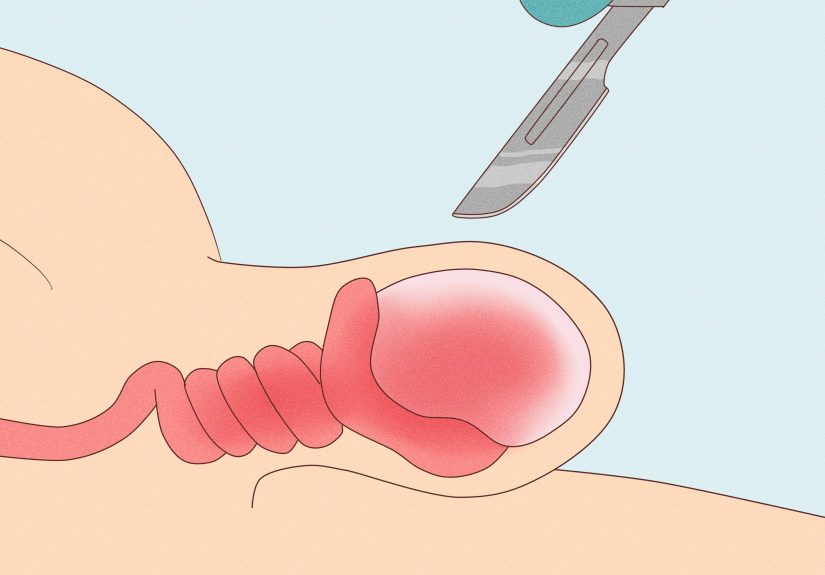
Testicular torsion happens when the spermatic cord twists and cuts off blood flow to the testicle. This is a true medical emergency. The pain is usually sudden, severe, and often on one side. Nausea, vomiting, swelling, and a high-riding testicle may appear too.
If torsion is the cause, pain relief at home is not the answer. Urgent treatment is. The sooner blood flow is restored, the better the chance of saving the testicle. This is the classic “do not wait until morning” problem.
Epididymitis
Epididymitis is inflammation of the epididymis, the coiled tube behind the testicle. It is one of the most common causes of scrotal pain in adults. Pain may build gradually instead of appearing all at once, and swelling, tenderness, urinary symptoms, or fever may occur. In younger or sexually active patients, sexually transmitted infections can be involved. In other cases, non-STI bacteria may be the cause.
Treatment often includes antibiotics when infection is suspected, along with rest, scrotal support, and anti-inflammatory measures. Recovery can take time, and discomfort may linger even after treatment starts.
Orchitis
Orchitis means inflammation of the testicle itself. It may be related to viral or bacterial infection and can overlap with epididymitis. Symptoms may include swelling, tenderness, fever, and a generally miserable feeling. This is another cause that needs medical evaluation rather than guesswork.
Minor trauma or sports injury
The testicles are sensitive, which is a polite way of saying even a relatively minor hit can feel wildly unfair. A direct blow during sports, exercise, or daily life can cause short-term pain, bruising, or swelling. If symptoms improve quickly, home care may be enough. If pain lasts, swelling grows, or the injury was significant, medical evaluation is the safer move.
Varicocele
A varicocele is an enlargement of the veins in the scrotum. It often feels like a dull, heavy ache rather than sharp pain and may be worse after standing for a long time or during physical activity. Some people describe a dragging sensation that is more annoying than dramatic.
Treatment depends on severity. Some cases need only observation and support. Others, especially when pain persists or fertility issues are involved, may need a urology evaluation.
Hydrocele or spermatocele
A hydrocele is fluid around the testicle, while a spermatocele is a typically benign cyst near the epididymis. These are often painless, but they can cause heaviness, pressure, or discomfort if they become larger. They are usually not emergencies, but they still deserve a proper diagnosis because not every lump or swelling is harmless.
Inguinal hernia
An inguinal hernia can create groin or scrotal discomfort, especially with lifting, coughing, straining, or long periods of standing. Some people notice a bulge in the groin or scrotum. If the bulge becomes painful, firm, or won’t go back in, urgent care is important.
Kidney stones or referred pain
Not all testicle pain actually starts in the testicle. Kidney stones can send pain into the groin and testicle, usually along with flank or abdominal pain. Nerves can be dramatic storytellers, and sometimes they tell the story in the wrong place.
Less common but important causes
Other possibilities include intermittent torsion, nerve-related pain, post-procedure pain, chronic pelvic pain syndromes, infection of surrounding skin or tissue, and tumors. Testicular cancer is often painless, but it can sometimes cause discomfort, swelling, or a feeling of heaviness. Any persistent lump, firmness, or change in size should be evaluated.
When Testicle Pain Is an Emergency
Get urgent medical care right away if you have:
- Sudden, severe pain in one or both testicles
- Pain with nausea or vomiting
- Rapid swelling, redness, or marked tenderness
- Pain after trauma that lasts more than a short period or keeps worsening
- Fever with scrotal pain
- A testicle that looks higher than usual or sits at an odd angle
- A painful groin or scrotal bulge
- A new lump or major change in size or texture
In plain English: if the pain is intense, sudden, or just feels seriously wrong, don’t try to out-stubborn it.
How Doctors Diagnose the Cause
Medical evaluation usually starts with a history and physical exam. A clinician may ask when the pain started, whether it came on suddenly or gradually, whether you had an injury, whether you have urinary symptoms, fever, discharge, or recent sexual exposures, and whether the pain radiates into the abdomen or back.
Depending on the situation, testing may include:
- Urinalysis and urine culture
- Testing for sexually transmitted infections
- Scrotal ultrasound, often with blood-flow evaluation
- Blood tests in selected cases
- Additional imaging if referred pain from somewhere else is suspected
Ultrasound is especially useful because it can help identify torsion, infection, fluid collections, varicocele, masses, and other structural problems.
Treatments for Testicle Pain
Emergency treatment for torsion
Testicular torsion usually requires urgent surgery to untwist the cord and secure the testicle. This is not a “see how it goes over the weekend” condition.
Antibiotics for infection-related causes
If epididymitis, orchitis, or another bacterial infection is responsible, treatment may include antibiotics chosen based on age, symptoms, and likely source of infection. STI-related causes and urinary-tract-related causes are not treated exactly the same, which is why guessing is a bad hobby here.
Supportive care
Many cases also improve with supportive care: rest, scrotal support, ice, and pain relievers. If swelling is part of the problem, reducing activity and minimizing strain can help.
Procedure or surgery for structural causes
Some structural issues, such as persistent varicocele, hernia, or significant injury, may need a procedure or surgery. Large hydroceles, troublesome spermatoceles, and certain chronic pain conditions may also lead to referral to a urologist.
Treatment for chronic testicular pain
Chronic testicular pain can be more complicated than acute pain. When discomfort lasts for weeks or longer, doctors may look for nerve irritation, pelvic floor dysfunction, prior injury, past procedures, chronic inflammation, or referred pain from the back, groin, or urinary tract. Management may include medication, physical therapy, lifestyle changes, or specialty evaluation.
What Not to Do
- Do not ignore sudden severe pain.
- Do not assume every ache is from exercise or “sleeping weird.”
- Do not keep taking pain medicine while the swelling gets worse.
- Do not delay evaluation because the pain comes and goes.
- Do not self-prescribe leftover antibiotics.
Relief without diagnosis can be misleading. A numbed problem is still a problem.
Can You Prevent Testicle Pain?
You can’t prevent every cause, but you can lower your risk with a few practical habits:
- Wear athletic protection during contact sports.
- Use safer sex practices and get evaluated for STI symptoms promptly.
- Don’t ignore groin bulges, recurrent aching, or swelling.
- Seek care for urinary symptoms that keep returning.
- Pay attention to changes in the scrotum or testicles during routine self-awareness checks.
The goal is not paranoia. It’s basic maintenance. Like checking the tires on your car, except much more personal and much less fun to discuss at brunch.
Final Thoughts
Knowing how to relieve testicle pain starts with knowing what kind of pain you’re dealing with. Mild discomfort from a minor injury may respond to rest, support, ice, and over-the-counter pain relief. But sudden pain, swelling, nausea, fever, a lump, or worsening symptoms need medical evaluation fast.
The biggest mistake people make is focusing only on comfort and not on cause. Pain relief matters, of course. But with testicular pain, the real win is getting the right diagnosis early enough to prevent complications. When in doubt, get checked. Your future self will likely be very glad you did.
Common Real-Life Experiences With Testicle Pain
People dealing with testicle pain often describe the experience in ways that do not sound dramatic at first, which is exactly why some cases get ignored longer than they should. One person may say it felt like a dull ache after the gym and assume they simply overdid leg day. Another may notice discomfort after sitting for hours at work, driving long distances, or wearing tight clothing and think it is just irritation. In real life, testicle pain often starts with uncertainty rather than instant panic.
A common experience is gradual pain that becomes impossible to ignore by the end of the day. Someone may first notice soreness while walking, then realize the scrotum feels heavier than usual, or that one side is more tender when sitting down. If infection is involved, the pain may be joined by swelling, warmth, urinary burning, or fever. Many people say the discomfort seems to spread into the groin or lower abdomen, which can make it hard to tell where the problem is actually starting.
Another pattern is the sudden, sharp pain story. This is the one people remember very clearly because it arrives like a body alarm. It may wake someone from sleep, hit during sports, or appear out of nowhere while standing, walking, or getting dressed. The person often knows immediately that this is different from a bruise or strain. Nausea, sweating, and a strong urge to curl up are not unusual in severe cases. That kind of experience is exactly why sudden testicular pain should never be brushed off.
There are also people who live with on-and-off discomfort for weeks before finally seeing a doctor. They may describe it as heaviness, pressure, pulling, or a low-grade ache that worsens with standing, lifting, or exercise. Sometimes the pain improves when lying down, which can happen with certain vein-related issues or hernias. What stands out in these stories is how often people try to rationalize the symptoms: maybe it’s posture, maybe it’s a workout, maybe it will disappear. Sometimes it does. Sometimes it definitely does not.
Teenagers and young adults often have another layer in the experience: embarrassment. They may delay telling a parent, coach, or clinician because the location feels awkward to talk about. Adults do the same thing, honestly, just with more creative denial. But people who eventually get timely care often say the same thing afterward: the awkward conversation was far easier than the anxiety of not knowing what was wrong.
One of the most helpful lessons from real-world experiences is this: pain intensity is not the only thing that matters. A mild but persistent ache can still deserve evaluation. A new lump that does not hurt can still matter. A “weird pulling feeling” that keeps returning is still information. In other words, your body does not have to be screaming to be saying something important.
If there is a common thread in most experiences with testicle pain, it is that relief comes fastest when people stop guessing and start getting answers. Rest, support, and ice may help, but peace of mind usually comes from knowing whether the issue is minor, treatable, or urgent. That is the real difference between coping with the pain and actually solving the problem.