Table of Contents >> Show >> Hide
- Meet Japanese Holly Fern: The Glossy, Shade-Loving Evergreen
- Before You Plant: Give It the Conditions It Actually Wants
- How to Plant Japanese Holly Fern Outdoors: Step-by-Step
- Growing Japanese Holly Fern in Containers (Outdoors or Indoors)
- Watering Japanese Holly Fern: Consistent Moisture Without the Swamp
- Feeding and Maintenance: Easy Mode Gardening
- Propagation: Divide It (or Try Spores If You’re Feeling Nerdy)
- Common Problems (and How to Fix Them Fast)
- Design Ideas: Where Japanese Holly Fern Shines
- Is Japanese Holly Fern Invasive? A Smart, Region-Specific Answer
- Quick Success Plans for Different U.S. Garden Scenarios
- Conclusion: A Shade Garden Upgrade That Doesn’t Require a Spreadsheet
- Real-World Growing Notes: Common Experiences with Japanese Holly Fern (Extra )
- Sources Consulted (U.S.-Based References Used for Synthesis)
If you’ve ever wished your shade garden could look lush without demanding a daily devotion ritual (candles optional),
meet Japanese holly fern (Cyrtomium falcatum). It’s the fern that shows up dressed for a fancy
eventglossy, holly-like leafletsthen acts totally low-key once it’s planted. In the right spot, it stays evergreen
in mild winters, tolerates shade like a pro, and politely fills space without turning your yard into a fern theme park
(with one important “check your region” caveat we’ll cover later).
This guide walks you through how to plant and grow Japanese holly fern outdoors and in containers,
how to water and feed it without overthinking it, how to propagate it, and what problems to watch for. Along the way,
you’ll get practical examplesbecause “moist but not soggy” is helpful, but knowing what that looks like in real life
is even better.
Meet Japanese Holly Fern: The Glossy, Shade-Loving Evergreen
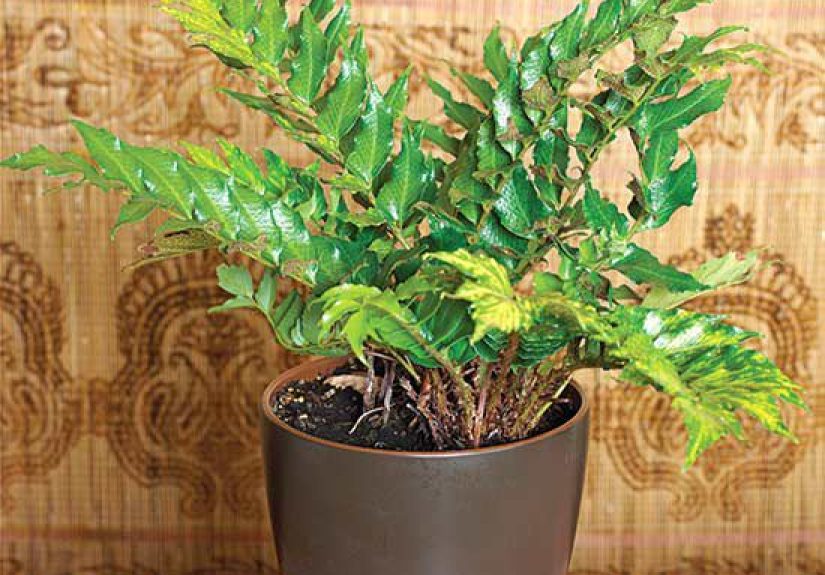
Japanese holly fern is an evergreen (or semi-evergreen in colder areas) clumping fern with sturdy fronds and
leathery, shiny leaflets that resemble tiny holly leavesminus the berries and the holiday pressure. It typically
tops out around 1–2 feet tall, often forming a tidy mound that works as a groundcover in shade,
a border plant, or a container feature that doesn’t collapse into dramatic fainting spells the first time you forget
to water for a day.
In many parts of the U.S., it’s considered hardy roughly in USDA Zones 6–10 when planted in the ground
with good drainage and some winter protection in colder zones. In colder climates, it may die back or get frond damage
in hard freezes, but the crown can recover when conditions improve.
Before You Plant: Give It the Conditions It Actually Wants
Light: Shade Is the Sweet Spot
Think “woodland understory,” not “sunbaked sidewalk.” Japanese holly fern thrives in
part shade to full shade. It can tolerate some gentle morning sun, but harsh afternoon sun can scorch
fronds. If you’re not sure where your yard sits on the shade spectrum, watch the area in summer: if the spot gets hot
and bright after lunch, your fern will file a complaint (in the form of crispy edges).
Soil: Moist, Humus-Rich, and Well-Drained
The best soil for Japanese holly fern is moist, humus-rich, and well-drained. “Humus-rich” is gardening
code for “add organic matter.” Compost, leaf mold, or well-aged bark fines help the soil hold moisture while still
draining well. The big enemy here is waterlogged soilespecially in winterbecause soggy conditions can
lead to root or crown rot.
Soil pH is flexible, but slightly acidic to neutral is typically ideal. If you’ve never tested your soil, don’t panic.
A simple home test kit (or a local extension office soil test) can confirm whether you’re in the ballpark. In many
gardens, boosting organic matter gets you most of the way to “fern-friendly.”
Temperature and Hardiness: Winter Success Is About Drainage + Protection
In colder areas (especially around Zone 6), winter survival is less about heroics and more about strategy:
excellent drainage plus a light winter mulch over the crown. In milder regions,
it often stays handsome through winter with minimal fuss.
How to Plant Japanese Holly Fern Outdoors: Step-by-Step
Planting Japanese holly fern is straightforward. The main goal is to keep the crown healthy and the roots happy:
not buried too deep, not left to dry out, and definitely not stuck in a swamp.
1) Pick the right planting time
Spring is the classic choiceafter the risk of hard frost has passedbecause the plant can settle in
before summer heat. Early fall can also work in many regions, giving roots time to establish while
temperatures are mild.
2) Prepare the hole (and the soil)
Dig a hole about twice as wide as the root ball and about the same depth. Mix the native soil with
compost or other organic matter. If your soil is heavy clay, this step matters even moreclay can hold water like a
sponge in a bathtub, which is not the vibe.
3) Plant at the correct depth
Set the fern so the crown sits at or slightly above the surrounding soil line. Planting too deep is a
common mistake that can invite rot. Backfill gently, firm the soil lightly (no need to stomp like you’re crushing
grapes), and water thoroughly.
4) Space for the mature plant
Outdoors, a good general spacing is 18–24 inches apart, depending on the look you want. Closer spacing
creates a fuller groundcover effect sooner; wider spacing gives each plant more room to show off its fronds.
5) Mulch like you mean it (but don’t bury the crown)
Add a 2–3 inch layer of mulch (shredded leaves, pine straw, or bark) to keep moisture steady and
protect shallow roots. Keep mulch pulled back slightly from the crown to reduce rot risk.
Growing Japanese Holly Fern in Containers (Outdoors or Indoors)
Japanese holly fern is a strong candidate for containersespecially in patios, shaded entryways, and covered porches.
It’s also commonly grown as a houseplant in brighter indoor spaces with indirect light.
Container essentials
- Choose a pot with drainage holes. “Decorative but no drainage” is how root rot gets its start.
- Use a well-draining potting mix and improve it with compost or fine bark if needed.
- Avoid overpotting. Moving to a pot that’s only 1–2 inches wider than the current container helps prevent soggy soil.
- Keep the crown slightly above the soil line when potting or repotting.
Indoor light and placement
Indoors, aim for bright, indirect light or medium light. Avoid direct sun blasting through a south or
west window, which can scorch the fronds. If your home is dry in winter (hello, heating systems), you can raise local
humidity with a pebble tray or by grouping plants togetherbut don’t stress: this fern is typically more forgiving than
many classic “humidity diva” ferns.
Repotting schedule
Plan to repot about every couple of years (or when the plant becomes root-bound). Spring is usually the
easiest time because the plant is entering active growth.
Watering Japanese Holly Fern: Consistent Moisture Without the Swamp
The watering rule that works in real gardens is this: water deeply, then let the top inch of soil begin to dry
before watering again. The soil should feel cool and slightly damp, not wet and squishy.
What “moist, not soggy” looks like
- Good: You press a finger into the soil; it feels slightly damp and springs back.
- Also good: The soil is darker below the surface but not shiny or puddled on top.
- Not good: Water sits on the surface, the pot feels heavy for days, or the soil smells “swampy.”
Once established in a shaded bed with mulch, Japanese holly fern can be fairly steady through normal weather,
but it will still appreciate supplemental watering during drought. In containers, you’ll water more often because
pots dry out fasterespecially in summer.
Feeding and Maintenance: Easy Mode Gardening
This is not a high-maintenance plant. Most of the time, compost and mulch do the job. If you want to
fertilize, use a light hand:
- In-ground: Top-dress with compost in spring. Optional: a slow-release, balanced fertilizer used sparingly.
- In containers/indoors: A diluted balanced fertilizer during the growing season can help, but avoid overfeeding.
Pruning is basically “grooming.” Remove old, damaged, or frost-burned fronds at the base to keep the plant tidy and
encourage fresh growth. That’s it. No elaborate haircut required.
Propagation: Divide It (or Try Spores If You’re Feeling Nerdy)
Division (the practical method)
The easiest way to propagate Japanese holly fern is division, typically in spring. Division is also useful
when a clump gets crowded or the center starts looking sparse.
- Water the plant the day before dividing so roots are hydrated.
- Lift the clump carefully with a spade or slide it from its pot.
- Use a clean knife or spade to split the rhizome mass into sections, each with healthy roots and fronds (or buds).
- Replant at the same depth (crown at/above soil line), water in, and keep evenly moist for a few weeks.
Spore propagation (the slow, satisfying science project)
Ferns reproduce via spores on the undersides of fronds. You can grow Japanese holly fern from spores, but it’s
slower and more finicky than division. If you enjoy plant experiments, it can be rewardingjust don’t choose this route
when you need “ten ferns by next Tuesday.”
Common Problems (and How to Fix Them Fast)
Root or crown rot
The most common serious issue is rot from poor drainage or consistently soggy soilespecially in winter.
Fix it by improving drainage (organic matter, raised beds, better potting mix), reducing watering frequency, and ensuring
the crown isn’t buried.
Scorched fronds
Crispy edges or faded fronds often mean too much sun or dry winds. Move the plant to deeper shade,
increase mulch, and water consistently.
Slugs, snails, and scale
Outdoors, slugs and snails may chew fronds in damp shade. Indoors or in sheltered areas, scale insects can appear.
Hand removal and targeted treatments (like horticultural soap/oil where appropriate) can help. Good airflow and avoiding
constantly wet foliage also reduces pest pressure.
Good news: deer and rabbits often pass it by
In many landscapes, Japanese holly fern is noted for being less appealing to deer and rabbits than
tender-leaved plants. It’s not a guaranteehungry animals don’t read plant labelsbut it’s a nice advantage.
Design Ideas: Where Japanese Holly Fern Shines
This fern is a team player. Use it where you want evergreen texture and a “finished” look in shade.
- Woodland borders: Tuck it along paths under trees for a polished, natural look.
- Under shrubs: It makes a great understory plant beneath camellias, hollies, or other large shrubs.
- Shady foundation beds: Adds structure where sun-loving flowers struggle.
- Containers: Perfect for covered porches and shaded patios where fronds can arch gracefully.
Companion plants that “get” shade
Pair Japanese holly fern with shade companions for contrasting texture: hosta for bold leaves,
brunnera for silver shimmer, wild ginger for low groundcover, deadnettle
for trailing color, and ligularia for dramatic foliage. The fern’s glossy leaflets help everything around it
look intentionallike you planned it, not like you panic-planted at the garden center.
Is Japanese Holly Fern Invasive? A Smart, Region-Specific Answer
First, a quick mix-up to avoid: Japanese holly fern (Cyrtomium falcatum) is not the same plant as
Japanese climbing fern (Lygodium japonicum), which is a well-known invasive species in parts of the U.S.
That said, Japanese holly fern itself has escaped cultivation in some regions and is listed as invasive or
of concern in certain places. It can spread by spores, and in favorable conditions (often moist, shaded natural habitats),
it may establish beyond gardens. The responsible move is simple: check your local extension office or invasive plant list
before plantingespecially if you live near natural areas, parks, or sensitive habitats.
If you need a “no worries” alternative, many regions have excellent native ferns suited to shade gardens. Your best local
options depend on where you live, so local guidance wins here.
Quick Success Plans for Different U.S. Garden Scenarios
If you garden in a colder zone (around Zone 6)
- Plant in spring so it establishes before winter.
- Prioritize drainage: avoid low spots and heavy clay without amendments.
- Mulch the crown lightly in late fall and remove ugly frost-damaged fronds in spring.
If you garden in the middle zones (Zones 7–8)
- Choose part shade to full shade; morning sun is fine in many yards.
- Mulch for steady moisture and fewer weeds.
- Divide clumps every few years if you want more plants or a fresher look.
If you garden in warm, humid regions (Zones 9–10)
- Use it as a tough evergreen texture plant in shaded beds and borders.
- Water consistently during establishment; after that, monitor drought periods.
- Give it airflow and avoid constantly saturated soil to reduce disease pressure.
Conclusion: A Shade Garden Upgrade That Doesn’t Require a Spreadsheet
If your garden has shade and you want evergreen texture with minimal drama, Japanese holly fern is a strong pick.
Get the basics rightshade, humus-rich soil, consistent moisture, and good drainageand it rewards you
with glossy fronds that look good in beds, borders, and containers. Add mulch, remove damaged fronds when needed, and
divide it when the clump gets crowded. That’s the whole playbook.
One last responsible note: because this fern can spread by spores and is considered invasive in some areas,
take thirty seconds to check local guidance before planting. It’s the gardening equivalent of looking both ways
before crossing the streetquick, smart, and it keeps everyone happier.
Real-World Growing Notes: Common Experiences with Japanese Holly Fern (Extra )
Gardeners tend to love Japanese holly fern for the same reason they love a reliable friend: it shows up, looks good,
and doesn’t ask you to rearrange your entire life. In practice, the biggest “aha” moment is usually about
drainage. People often assume ferns want endless water, so they plant them in the lowest, wettest corner
of the yard. Japanese holly fern will tolerate steady moisture, but it typically performs best when the soil is
consistently damp and drains welllike a forest floor with leaf litter, not a puddle that never dries. Many
gardeners report that once they amend clay with compost (or plant on a slight mound), the fronds look thicker, the
color deepens, and winter survival improves.
In shaded foundation beds, a common experience is how much this fern “organizes” a messy-looking area. Hostas and other
shade plants can look tired in late summer; Japanese holly fern often holds its structure longer. Homeowners who plant
it near walkways also notice it’s less floppy than some softer ferns. The leathery leaflets don’t shred as easily,
so it stays presentable in spots where pets, kids, or a rogue hose tend to brush past.
Container growers often learn two lessons quickly. First: the pot must drain. Even a beautiful ceramic
container becomes a root-rot spa if water can’t escape. Second: it’s easy to overwater because the top of potting mix
can look dry while the center stays wet. A practical trick many gardeners use is lifting the potif it still feels
surprisingly heavy two or three days after watering, they hold off. When the pot feels lighter and the top inch is
barely damp, it’s time to water again. In covered patios, Japanese holly fern can be a star because rain doesn’t
constantly soak it, so the grower has more control.
Indoors, people commonly place it in a dim corner and hope it “fern-miracles” its way to happiness. It won’t.
The experience that tends to work best is bright, indirect light: near an east window, a few feet back
from a south window, or in a room that stays bright most of the day. In winter, heating can dry the air, but this fern
is often more tolerant than delicate fern types. Many plant owners find that consistent watering and avoiding hot sun
matter more than chasing tropical-level humidity.
Another frequent real-world observation is that frond damage can be seasonal, not a sign of failure. In colder climates,
fronds might look rough after a hard freeze. Gardeners who succeed long-term typically snip away damaged fronds in early
spring and let new growth take overrather than digging the plant up in frustration. In milder climates, the fern may
stay green year-round, and the “maintenance” becomes mostly cosmetic: removing older fronds that have dulled or bent.
Finally, there’s the experience of “surprise seedlings,” which is really spore spread. Not everyone sees it, but in
very favorable conditionsmoist shade, nearby bare soil, and little competitionsome gardeners notice small fern starts
appearing. In regions where Japanese holly fern is considered invasive, this is exactly why local guidance matters.
Responsible gardeners handle this by pulling volunteers early, avoiding planting near natural areas, and choosing native
alternatives when local recommendations advise against it. The takeaway is simple: this fern can be wonderfully easy,
but the best results come from matching it to the right site and the right region.
Sources Consulted (U.S.-Based References Used for Synthesis)
- NC State Extension Plant Toolbox (Cyrtomium falcatum)
- Missouri Botanical Garden Plant Finder (Cyrtomium falcatum)
- UF/IFAS Gardening Solutions (Holly Fern)
- UF/IFAS Extension (Wakulla County blog on holly ferns)
- USDA PLANTS Database (Cyrtomium falcatum profile)
- Better Homes & Gardens plant guide (Japanese holly fern)
- Oklahoma State University Extension (fern propagation/division guidance)
- Texas Invasives (Cyrtomium falcatum information)
- Native Plant Society of Texas (Japanese holly fern invasive note)
- Invasive Plant Atlas of the United States (listing/map references)
- Texas Master Gardener resource (holly fern culture summary PDF)
- Texas SmartScape plant database (Cyrtomium falcatum)