Table of Contents >> Show >> Hide
- Black Gum Tree Basics (So You Know What You’re Dating)
- Where Black Gum Grows Best
- Choosing the Right Black Gum Tree (The “Start Small” Strategy)
- When to Plant a Black Gum Tree
- How to Plant a Black Gum Tree (Step-by-Step)
- How to Care for a Black Gum Tree After Planting
- Common Problems (and How Not to Panic)
- Design Ideas and Companion Planting
- FAQs
- Real-World Experiences: What It’s Like Growing a Black Gum Tree (About )
- Conclusion
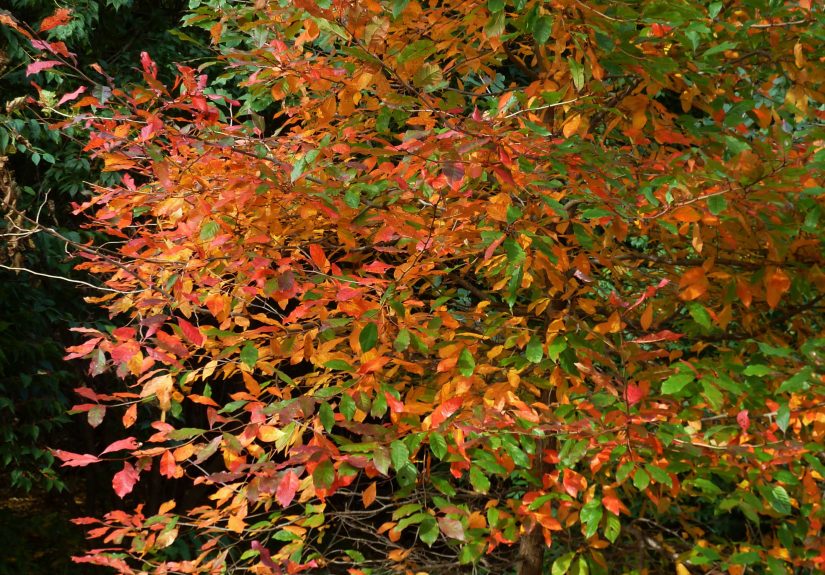
If you’ve ever seen a tree turn every shade of red, orange, purple, and “did someone spill paint on that?” in fall, there’s a decent chance you were looking at a black gum tree (also called black tupelo or sourgum), Nyssa sylvatica. It’s a native American classic: glossy green leaves in summer, a fiery fall show, and fruit that birds treat like a seasonal buffet.
The only catch? Black gum has a long taproot and an attitude about being moved. Think of it as the “choose your forever home carefully” tree. Get the site right, plant it correctly, and it’ll reward you for decades. Plant it too deep, in alkaline soil, or in the wrong spot, and it may sulk dramatically (or just quietly struggle like a true introvert).
Black Gum Tree Basics (So You Know What You’re Dating)
Quick profile
- Botanical name: Nyssa sylvatica
- Common names: black gum, black tupelo, sourgum, pepperidge
- Type: deciduous native shade/ornamental tree
- What it’s famous for: early, reliable fall color and wildlife value
- What it’s notorious for: being hard to transplant once established (taproot!)
How big does it get?
In landscapes, black gum often matures around 30–50 feet tall, but on ideal sites it can grow taller. Plan space for both height and canopy spread, and don’t tuck it under power lines unless you’re working with a smaller, street-tree cultivar.
Male vs. female trees (yes, your tree has a social life)
Black gum is typically dioecious, meaning male and female flowers usually grow on separate trees. Female trees can produce fruit (small bluish-black drupes) in fallgreat for birds, mildly “confetti-like” underfoot. Fruit generally requires a male nearby for pollination, so one lonely female in the suburbs may not always deliver berries.
Where Black Gum Grows Best
Sunlight
Black gum grows in full sun to part shade. For the best fall color and the strongest, fullest canopy, aim for at least 6 hours of sun if your site allows it. Part shade still works, especially in hotter regions, but growth can be slower and color sometimes less intense.
Soil moisture (this tree is flexible, not fussy)
One reason gardeners love black gum: it can tolerate a surprising range of soil moisture. It prefers moist soil, but it can handle periodic flooding and also adapt to moderate drought once established. That makes it a smart option for tricky yardslike low spots that stay damp or areas near ponds and streams.
Soil pH (the dealbreaker)
Here’s the big one: black gum generally prefers acidic soil and is often unhappy in alkaline soil. If you’re in a region with naturally high pH (common in areas with limestone-based soils), do a soil test before you commit. You can tweak pH a little in the root zone, but you can’t realistically “rebuild” your entire yard’s geology with good intentions and a bag of sulfur. If your soil pH is consistently high, consider a different speciesor plant black gum where runoff and organic matter naturally acidify soil over time.
Hardiness and climate
Black gum is native across much of eastern North America and handles a wide range of climates. That said, local performance depends on your exact region, site moisture, and soil pHso prioritize those over wishful thinking.
Choosing the Right Black Gum Tree (The “Start Small” Strategy)
Buy a younger tree on purpose
Black gum develops a long taproot early, which is why larger specimens can be difficult to transplant successfully. Your best odds come from choosing a smaller caliper tree (often 1–2 inches trunk diameter or less) that can establish without as much root disruption.
Container-grown vs. balled-and-burlapped
- Container-grown: often easier for homeowners to handle; inspect for circling/girdling roots.
- Balled-and-burlapped (B&B): common for landscape trees; heavy, but sometimes available in good sizes.
Either can work. The key is planting depth (root flare visible and set correctly) and careful establishment watering.
Consider cultivars for predictable form and color
If you want a more consistent shape for streetscapes or smaller yards, look into named cultivars (often selected for form, strong fall color, and sometimes improved disease resistance). Ask local nurseries what performs well in your area.
When to Plant a Black Gum Tree
The best planting windows are usually early spring (after the ground thaws) or early fall (so roots can grow before winter). Fall planting is great in many regions because soil is still warm, but avoid planting too close to hard freezesespecially if you’re in a colder area and your tree won’t have time to settle in.
How to Plant a Black Gum Tree (Step-by-Step)
Step 1: Pick the permanent spot
Remember the taproot. Black gum is not a “we’ll move it later” kind of tree. Choose a location with:
- Enough room for mature canopy and roots
- Full sun to part shade
- Moist or average soil (it’s adaptable)
- Acidic to slightly acidic soil (ideally)
Step 2: Find the root flare (don’t bury it)
The root flare is where the trunk widens and transitions into roots. It should end up at or slightly above the finished soil grade. Planting too deep is one of the fastest ways to turn a healthy tree into a long-term “mystery decline” case.
Step 3: Dig the hole the right way
- Depth: no deeper than the root ball height (often slightly shallower so the flare sits a bit high)
- Width: about 2–3 times wider than the root ball
Wide holes help new roots push into loosened soil. Deep holes encourage settling and accidental deep plantingaka “tree regret.”
Step 4: Set the tree, straighten it, then backfill
- Place the tree in the hole and rotate it so its best side faces your main viewing angle (this is landscaping, not a courtroom).
- Check that it’s straight from multiple angles.
- Backfill with the original soil. Break up large clods; remove rocks and construction debris.
Skip heavy amendments in the planting hole. You want roots to explore the native soil, not hang out forever in a comfy little “pot of perfection.”
Step 5: Water in deeply
Water thoroughly right after planting to settle soil and eliminate air pockets. Think slow soak, not a quick splash.
Step 6: Mulch like a donut, not a volcano
Add a 2–3 inch layer of mulch in a wide ring around the tree, but keep mulch several inches away from the trunk. Mulch “volcanoes” trap moisture against bark and can encourage rot, pests, and girdling roots.
Step 7: Stake only if needed
Staking isn’t automatic. Only stake if the tree is top-heavy, in a windy site, or can’t stand upright on its own. If you do stake, use flexible ties and remove supports within about a year (often sooner).
How to Care for a Black Gum Tree After Planting
Watering schedule (the first year matters most)
Black gum is drought-tolerant eventually, but baby trees are not magical. A practical approach:
- Weeks 1–2: water 2–3 times per week (deep soak), depending on heat and rain
- Months 1–3: water weekly (more during heat waves or sandy soils)
- Remainder of year 1: water every 7–10 days during dry periods
Your goal is deep moisture in the root zonenot daily sprinkles that train roots to stay shallow.
Fertilizing (less is more)
Black gum usually doesn’t need much fertilizer in a typical yard. If growth seems weak, do a soil test first. Over-fertilizing can push soft growth that’s more vulnerable to stress and pests. When in doubt, focus on water, mulch, and correct planting depth.
Pruning (minimal, but smart)
Black gum generally needs little pruning. In the first few years, your goal is structure:
- Encourage a single central leader (one main trunk)
- Remove broken, rubbing, or dead branches
- Maintain clearance if it’s near walkways or driveways
The best time for most structural pruning is typically late winter to early spring, before vigorous growth begins.
Common Problems (and How Not to Panic)
Leaf spot
Leaf spot can show up as blotches or discoloration, especially in humid conditions. Usually it’s cosmetic. Improve airflow, avoid overhead irrigation, and rake up fallen leaves if it becomes recurring. If it’s severe year after year, consider a cultivar noted for better resistance.
Cankers and dieback
Cankers can cause branch dieback. The best defense is general tree health: proper planting depth, consistent watering during establishment, and avoiding trunk injury (string trimmers and lawn mowers are basically tiny villains). Prune out affected branches with clean, sharp tools.
Insects to watch for
Black gum isn’t typically overwhelmed by pests, but issues can include leaf miners, scale insects, and borers in stressed trees. The pattern is predictable: healthy trees handle problems better. When you see trouble, start by checking water stress, mulch practice, and planting depth.
Design Ideas and Companion Planting
Best landscape uses
- Specimen tree: give it room and let fall color be the star
- Woodland edge: blends naturally with oaks, maples, and understory natives
- Rain garden / moist areas: tolerates periodic wetness better than many ornamentals
- Wildlife-friendly yards: fruit and cover for birds, plus pollinator value
Companion plants that “get” acidic soil
If your site is naturally acidic (lucky you), pair black gum with shrubs and perennials that share those preferences: blueberries, azaleas, mountain laurel, ferns, and many native woodland plants.
FAQs
Is black gum messy?
Usually not in a major way. Female trees can drop fruit, but it’s smalland birds often handle cleanup. If you’re worried about patio mess, plant the tree away from hardscapes or consider asking a nursery about fruiting likelihood in your area.
How fast does black gum grow?
It’s often described as slow to moderate in growth rate. Translation: you won’t get instant shade, but you’ll get a strong, long-lived tree with serious character.
Can I transplant one from the wild?
It’s generally not recommended. The taproot and root structure make successful transplanting difficult, and wild collecting can damage native habitats. You’ll get better results (and better karma) buying nursery-grown stock.
Real-World Experiences: What It’s Like Growing a Black Gum Tree (About )
Planting a black gum is a bit like adopting a pet that’s low-maintenance once it trusts youbut the first year is where you earn the relationship. Gardeners who succeed with black gum tend to share a few common “wish I knew this earlier” moments.
Experience #1: The tiny tree that outperformed the “bigger is better” tree.
A lot of people feel tempted to buy the largest tree they can afford, because it looks more “finished” on day one. With black gum, smaller often wins. A younger tree has an easier time rebuilding roots after planting. In practice, that can mean a 5–6 foot tree establishes quickly and starts putting on steady growth, while a larger, heavier transplant sits there looking pretty but acting like it’s on a silent retreat. If you want faster long-term results, choose health and root quality over instant height.
Experience #2: Fall color is amazing… and also weirdly personal.
Black gum’s fall color can vary from tree to tree and year to year. Two black gums planted on the same street can look different: one blazing scarlet early, the other going more orange-purple later. Sun exposure matters, and so does weathercool nights can intensify color. Some gardeners even notice the color shift as the tree matures. The takeaway: don’t judge your tree’s fall performance in year one. In year one, you’re mostly growing roots (and patience).
Experience #3: Watering is the make-or-break habit, especially in summer.
The most common early mistake is “I watered it when I remembered,” which is basically the same as “I didn’t water it.” In hot spells, a newly planted tree can look fine until it suddenly doesn’tleaves can scorch, curl, or drop. Gardeners who do well often pick a simple routine: a slow, deep soak once a week (more in extreme heat), checking soil moisture a few inches down. You’re not trying to keep the soil soggy; you’re trying to keep it consistently moist enough that new roots expand.
Experience #4: The mulch volcano temptation is real.
People mound mulch because it looks tidy and “professional,” but black gumlike most treesdoes better with a flat donut ring. Gardeners who correct volcano mulching early often see better trunk health and fewer issues with bark staying damp. Plus, a wide mulch ring helps with the underrated enemy: lawn equipment. If your mulch ring keeps the mower and string trimmer away, you’re preventing the kind of trunk damage that can invite future problems.
Experience #5: Alkaline soil is a slow heartbreak.
Some gardeners plant black gum in high-pH soil and it limps along: pale leaves, slower growth, increased stress. The lesson most people land on is blunt but useful: soil pH isn’t a vibeit’s a constraint. If your soil is alkaline, you can try localized strategies (organic mulch, careful watering, choosing the best micro-site), but sometimes the best “experience-based” decision is picking a different tree that naturally loves your conditions.
The big picture: black gum isn’t difficult; it’s just honest. Plant it correctly, water it consistently in year one, and it’s the kind of tree that quietly becomes the best thing in your yardthen shows off shamelessly every fall.
Conclusion
To plant and grow a black gum tree successfully, focus on the fundamentals: choose a permanent spot with enough space, prioritize acidic soil, plant at the correct depth with the root flare at grade, and water deeply during establishment. Add smart mulch (donut, not volcano), prune minimally for good structure, and let the tree do what it does best: grow steadily and deliver some of the most memorable fall color in the landscapewhile feeding wildlife like it’s hosting a backyard buffet.