Table of Contents >> Show >> Hide
- What Makes Eggnog Taste Like Grandma's Recipe?
- Ingredients for Homemade Eggnog
- How to Make Eggnog Like Grandma's Recipe
- Why This Method Works
- Tips for Making Old-Fashioned Eggnog
- Common Mistakes to Avoid
- Easy Variations on Grandma's Eggnog Recipe
- How to Serve Homemade Eggnog
- How Long Does Homemade Eggnog Last?
- Why Homemade Eggnog Is Better Than Store-Bought
- Conclusion
- Experience: What It Feels Like to Make Eggnog the Old-Fashioned Way
If there is one holiday drink that knows how to wear a velvet robe and enter the room like it owns the place, it is eggnog. Rich, creamy, sweet, spiced, and just a little dramatic, homemade eggnog has a way of making store-bought cartons seem like they showed up underdressed. Learning how to make eggnog like Grandma’s recipe is not just about mixing eggs, milk, and sugar. It is about making something that feels old-fashioned in the best possible way: cozy, generous, and wildly proud of its nutmeg.
The good news is that a classic homemade eggnog recipe is easier than many people think. The secret is not a rare ingredient or a silver punch bowl handed down through the family. It is technique. Warm the dairy gently, temper the eggs so they stay silky instead of scrambling into breakfast, cook the custard base just enough to thicken it, then chill it until it tastes like the holidays moved into your refrigerator.
This guide walks you through an old-fashioned eggnog recipe with clear steps, practical tips, serving ideas, and the little details that make the final glass taste like it came from a grandmother who trusted butter, believed in dessert, and probably never measured vanilla with complete honesty.
What Makes Eggnog Taste Like Grandma’s Recipe?
Grandma-style eggnog is usually richer, smoother, and more balanced than the ultra-sweet versions many people buy at the store. It tastes like real dairy, real eggs, real vanilla, and fresh nutmeg. It is creamy without becoming pudding, sweet without becoming frosting, and festive without yelling “I am a seasonal beverage” every five seconds.
The classic flavor comes from a few familiar ingredients: egg yolks for body, sugar for sweetness, whole milk and cream for richness, vanilla for warmth, and nutmeg for that unmistakable holiday aroma. Some families add cinnamon. Some spike it with rum, bourbon, or brandy. Some keep it alcohol-free so everyone at the table can have a glass. That is the beauty of grandma’s eggnog recipe: it is traditional, but it still leaves room for family personality.
Ingredients for Homemade Eggnog
This recipe makes about 8 servings.
- 6 large egg yolks
- 3/4 cup granulated sugar
- 3 cups whole milk
- 1 cup heavy cream, divided
- 1/8 teaspoon fine salt
- 1 teaspoon pure vanilla extract
- 1/2 teaspoon freshly grated nutmeg, plus more for serving
- 1/4 teaspoon ground cinnamon (optional)
- 1/2 to 1 cup bourbon, rum, or brandy (optional, added after chilling)
- Whipped cream for garnish (optional)
- Cinnamon sticks for serving (optional, because holiday drama matters)
Ingredient tip: Use whole milk and real heavy cream if you want the best texture. This is not the moment for skim milk to audition. Eggnog is a holiday classic, not a motivational speech.
How to Make Eggnog Like Grandma’s Recipe
Step 1: Warm the milk, cream, and spices
In a medium saucepan, combine the milk, 1/2 cup of the heavy cream, nutmeg, and cinnamon if using. Warm the mixture over medium-low heat until it is steaming and hot, but not boiling. Stir occasionally so the dairy heats evenly and does not scorch on the bottom.
You are not trying to turn the pot into a volcano. Gentle heat is the entire mood here.
Step 2: Whisk the egg yolks and sugar
In a large bowl, whisk the egg yolks, sugar, and salt until the mixture turns pale yellow and slightly thickened. This step helps dissolve the sugar and gives the final Christmas eggnog recipe a smoother texture.
If your arm gets tired, congratulations. You are now participating in a treasured holiday tradition called “earning your dessert.”
Step 3: Temper the eggs
Slowly ladle about 1/2 cup of the hot milk mixture into the yolk mixture while whisking constantly. Repeat with another 1/2 cup. This is called tempering, and it keeps the eggs from scrambling when they meet the heat.
Once the egg mixture is warmed, pour it back into the saucepan with the rest of the hot milk mixture, whisking as you go.
Step 4: Cook until silky and slightly thickened
Cook the mixture over low to medium-low heat, stirring constantly with a wooden spoon or heatproof spatula, until it thickens enough to lightly coat the back of the spoon. For best results, use a thermometer and cook the custard base to 160°F. Do not let it boil.
If you drag a finger across the spoon and the line stays clean, you are in business. If it starts looking like sweet scrambled eggs, the heat got too enthusiastic.
Step 5: Add vanilla and the remaining cream
Remove the saucepan from the heat. Stir in the vanilla extract and the remaining 1/2 cup heavy cream. The extra cold cream helps round out the richness and cool the mixture a bit faster.
Step 6: Strain and chill
Pour the eggnog through a fine-mesh strainer into a bowl or pitcher. This step catches any tiny bits of cooked egg and gives your classic eggnog recipe that smooth, luxurious texture everyone wants.
Cover and refrigerate for at least 4 hours, or overnight. Homemade eggnog tastes even better after it has had time to chill and let the flavors settle in together like relatives after dinner.
Step 7: Add alcohol if desired and serve
Once chilled, stir in bourbon, rum, or brandy if you want a boozy version. Taste and adjust. Serve cold in small glasses, topped with freshly grated nutmeg. Add whipped cream if your family believes subtlety is overrated.
Why This Method Works
If you have ever wondered why some homemade eggnog tastes elegant and velvety while other versions feel oddly flat or grainy, it usually comes down to balance and temperature control. The yolks give body. The sugar softens the egg flavor. The dairy carries the spice. The vanilla and nutmeg create that nostalgic holiday profile. Cooking the mixture gently keeps it creamy instead of curdled.
Straining the mixture is another small step with big payoff. It is the kind of quiet kitchen move that makes people think, “Wow, this tastes like someone in this house really knows what they are doing.” Let them think that. You have earned it.
Tips for Making Old-Fashioned Eggnog
- Use fresh nutmeg if possible: Pre-ground nutmeg works, but freshly grated nutmeg smells and tastes brighter.
- Do not rush the tempering: Slow and steady prevents lumps.
- Keep the heat moderate: Eggnog is a custard, not a race.
- Chill thoroughly: Cold eggnog tastes fuller, smoother, and more festive.
- Make it a day ahead: An overnight rest gives the flavor more depth.
- Serve small portions: This drink is rich, and that is part of its charm.
Common Mistakes to Avoid
Boiling the custard
Too much heat can break the texture and leave you with a curdled base. Keep the heat low and stir constantly.
Skipping the strainer
Even if the eggnog looks smooth, straining makes it silkier. It is a tiny step with very grandmother-approved results.
Using too much nutmeg
Nutmeg is wonderful, but it can take over the room if you get heavy-handed. Start modestly and add more on top when serving.
Serving it warm when you wanted it cold
Freshly made eggnog may smell amazing, but its texture and flavor improve dramatically after chilling. Patience is part of the recipe.
Easy Variations on Grandma’s Eggnog Recipe
Alcohol-free eggnog
Simply leave out the liquor. You will still get a rich and traditional drink that feels fully holiday-ready.
Bourbon eggnog
Bourbon adds caramel and vanilla notes that pair beautifully with the custard base. It is warm, round, and a little Southern-living-in-a-sweater.
Rum eggnog
Rum brings classic holiday punch energy. It adds sweetness and spice without overpowering the dairy.
Brandy eggnog
Brandy gives an elegant, old-school finish that feels especially appropriate for a truly old-fashioned eggnog recipe.
Extra-light finish
If you want a fluffier texture, fold in softly whipped cream just before serving. It is less traditional than some heirloom versions, but it makes the drink feel airy and luxurious.
How to Serve Homemade Eggnog
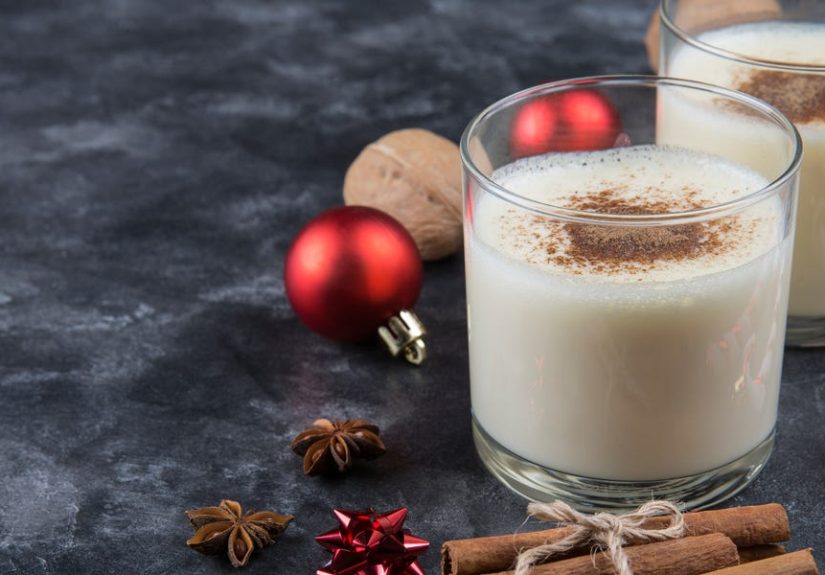
Eggnog is best served very cold in small glasses, teacups, or punch cups. Top each serving with a dusting of fresh nutmeg. A cinnamon stick is optional but charming. A little whipped cream can push the drink toward dessert territory, which is not a problem. It is a holiday beverage. It was born to be a little extra.
Pair it with ginger cookies, shortbread, cinnamon rolls, pecan pie, or a plate of sugar cookies that somehow keeps getting “sampled” before guests arrive.
How Long Does Homemade Eggnog Last?
Keep your eggnog covered in the refrigerator and serve it cold. For best quality, enjoy it within 2 to 3 days. Always use clean glasses and stir the pitcher before serving, since a little separation is normal in a real homemade eggnog recipe.
If your kitchen is warm and your holiday gathering is long, do not leave eggnog sitting out for hours. Treat it like the dairy-and-egg-based treasure it is.
Why Homemade Eggnog Is Better Than Store-Bought
Store-bought eggnog is convenient, and convenience has its place. But when you make eggnog from scratch, the flavor is fresher, the spice is brighter, and the texture is smoother. You can control the sweetness, the thickness, and whether it stays family-friendly or gets a splash of something spirited.
Most importantly, homemade eggnog feels personal. It tastes like a tradition instead of a product. It tastes like someone stood at the stove and stirred on purpose. That is the real magic of learning how to make eggnog like Grandma’s recipe.
Conclusion
Making eggnog at home is one of those kitchen projects that sounds more intimidating than it really is. Once you understand the rhythm, warm the milk, whisk the yolks, temper carefully, cook gently, chill thoroughly, it becomes surprisingly simple. And the reward is worth it: a rich, creamy, nostalgic holiday drink that feels timeless.
So the next time you want a festive treat that tastes like memory, comfort, and just a little holiday mischief, skip the carton and make the real thing. Grandma would probably approve. She might also tell you to add more nutmeg, then pretend she did not.
Experience: What It Feels Like to Make Eggnog the Old-Fashioned Way
There is something oddly calming about making eggnog from scratch, especially when the house is already dressed for the holidays. You start with ordinary ingredients, eggs, milk, cream, sugar, vanilla, nutmeg, and somehow end up with a drink that feels ceremonial. It is not flashy. It is not trendy. No one is calling it a “wellness beverage,” and frankly that is part of the charm. It belongs to a slower kind of cooking, the kind that asks you to stand by the stove, keep stirring, and actually pay attention.
The first thing you notice is the smell. Warm milk and nutmeg create that unmistakable holiday scent almost immediately. It is soft, sweet, and cozy without being sugary in a loud way. It smells like old recipe cards, wool sweaters, clean kitchens, and the kind of December evening that makes you want to close the curtains early and stay home. Even before the eggnog is finished, the kitchen starts acting like it has been in a holiday movie for years.
Then there is the tempering step, which always feels more dramatic than it really is. You pour a little hot milk into the eggs and whisk like you mean it, hoping not to invent sweet scrambled custard. Once you do it a couple of times, though, it becomes oddly satisfying. You realize this is one of those techniques that sounds fancy but is really just patience wearing an apron. Grandma probably never announced she was “tempering yolks.” She was just making eggnog and expecting everyone else to stay out of the way.
As the mixture thickens on the stove, the whole process slows you down in a good way. You cannot rush it. You cannot wander off to answer three texts, reorganize a drawer, and come back expecting greatness. Eggnog asks for your full attention for a little while, and that may be one reason it feels so special. In a season that often becomes a marathon of errands, shipping notifications, and dessert trays, standing still and stirring a pot starts to feel almost luxurious.
And then comes the chill time, which may be the hardest part if you are impatient. Fresh eggnog smells amazing right away, but chilled eggnog is where the magic happens. The flavors settle. The texture turns silkier. The vanilla and nutmeg mellow into the dairy instead of hovering around it. When you finally pour that first cold glass, it tastes finished. Rounded. Comfortable. Like the recipe knows exactly what it is.
What makes the experience memorable is not just the flavor. It is the feeling that you made something tied to a longer tradition. Even if the recipe is new to you, it feels familiar. It feels inherited. Serving homemade eggnog to family or friends creates one of those tiny holiday moments people actually remember: the clink of small glasses, the dusting of nutmeg on top, the first sip followed by someone saying, “Wait, you made this?” That is usually the moment when you try to act casual, even though internally you are accepting an imaginary blue ribbon from the county fair.
Making eggnog like Grandma’s recipe is really about more than the drink itself. It is about keeping a slower, warmer style of holiday cooking alive. It reminds you that some recipes are not meant to save time. They are meant to create a feeling. And this one does exactly that, one creamy, nutmeg-topped glass at a time.
Note: For a safer homemade version, use pasteurized eggs or cook the egg-and-milk mixture gently to 160°F, then chill promptly before serving.