Table of Contents >> Show >> Hide
- Start With the Mood, Not the Shopping Cart
- Choose a Soft, Livable Color Palette
- Make the Bed the Star of the Show
- Layer Bedding Like You Mean It
- Mix Furniture, Don’t Match It to Death
- Use Natural Materials to Keep the Room Grounded
- Let Lighting Be Soft and Slightly Fancy
- Dress the Walls With Character
- Don’t Neglect Windows and Floors
- Accessorize Like a Romantic Minimalist
- Common Mistakes to Avoid
- Pulling the Whole Look Together
- Real-Life Experiences and Lessons From Designing This Kind of Bedroom
- Conclusion
- SEO Tags
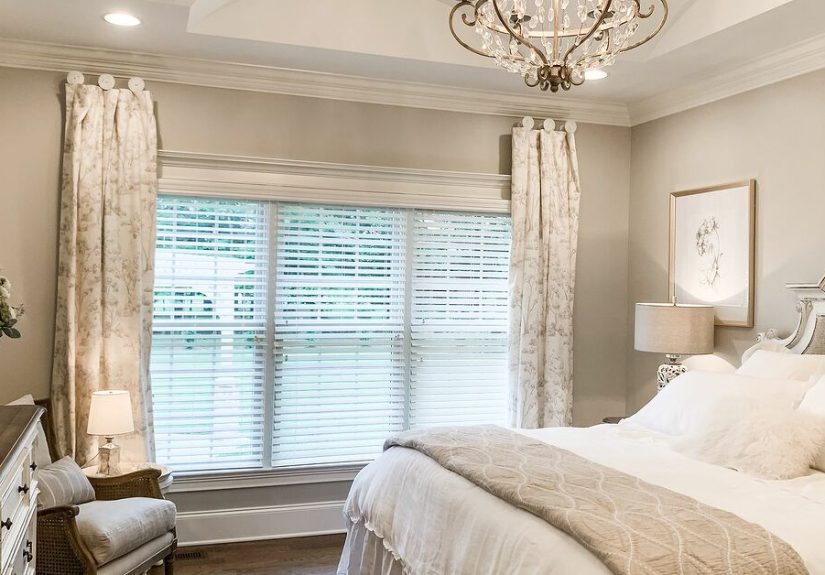
A shabby chic/French country master bedroom should feel like it belongs in a charming old home where the windows are open, the linen curtains are fluttering, and somewhere nearby a croissant is living its best life. This style is romantic without being fussy, elegant without being stiff, and cozy without looking like a blanket store exploded. It blends the softness of shabby chic with the rustic grace of French country design, creating a room that feels relaxed, collected, and timeless.
If you want to create this look successfully, the trick is balance. Too much distressing and your bedroom starts looking like it lost a fight with a flea market. Too much polish and the room stops feeling warm and lived-in. The sweet spot is a layered space with soft colors, vintage-inspired furniture, natural textures, graceful patterns, and just enough imperfection to make everything feel human.
Here’s how to build a master bedroom that captures that dreamy shabby chic/French country mood from floor to ceiling.
Start With the Mood, Not the Shopping Cart
Before buying a bed, a chandelier, or seventeen decorative pillows you will absolutely end up throwing on a chair every night, decide how you want the room to feel. A successful shabby chic/French country bedroom usually feels restful, airy, romantic, and gently weathered. It should look curated over time, not assembled in one frantic weekend with free shipping.
Think of the room in three words: soft, storied, and serene. Every choice should support that mood. That means choosing finishes with warmth, fabrics with movement, and furniture that feels graceful rather than chunky. Even when you add rustic elements, they should still whisper. This is not the design style for furniture that stomps into the room wearing work boots.
Choose a Soft, Livable Color Palette
The color palette is the foundation of the entire look. In a shabby chic/French country master bedroom, color should calm the eye and soften the architecture. The best shades are warm whites, creamy ivory, pale greige, dusty blue, muted sage, faded blush, lavender-gray, and soft taupe.
Best wall color directions for this style
- Warm white for an airy cottage feel
- Soft greige for a more grounded, elegant backdrop
- Dusty blue or muted sage for classic French country charm
- Pale blush or lavender-gray for a romantic shabby chic layer
Avoid anything too cold, too stark, or too saturated. Bright white can make the room feel sterile, while intense colors can overpower the gentle, collected character this style depends on. If you want contrast, use it in smaller doses through aged wood, antique brass, black iron, or faded textile patterns rather than bold wall paint.
Make the Bed the Star of the Show
In a master bedroom, the bed is the main character. Everything else is supporting cast. For a shabby chic/French country look, choose a bed with romance in its silhouette. A carved wood headboard, an upholstered linen bed, a cane bed, a softly curved metal frame, or a painted vintage-style bed all work beautifully.
If you have the space, a tall headboard adds the elegance this style loves. If your room is smaller, a lower-profile antique-inspired bed can still create the right mood without crowding the space. Finishes should feel softened by time: limed oak, washed wood, weathered paint, creamy upholstery, or matte iron.
And yes, this is the moment for beautiful bedding. Crisp hotel minimalism is not the goal here. You want layers. Think quilt, coverlet, duvet, euro shams, sleeping pillows, and maybe one folded throw at the foot of the bed. The result should look inviting enough that you want to cancel your plans and read a novel dramatically by lamplight.
Layer Bedding Like You Mean It
Bedding is where shabby chic and French country become best friends. The room should feel plush and welcoming, but not heavy. Start with breathable basics like cotton or linen sheets in white, ivory, or a subtle pattern. Add a quilt or matelassé coverlet for texture, then a duvet in washed linen or soft cotton. Finish with accent pillows in floral, toile, ticking stripe, or muted checks.
Patterns that work beautifully
- Toile
- Small florals
- Faded stripes
- Gingham in soft colors
- Embroidery and ruffled details used sparingly
The key word is edited. You do not need every pattern in one bed. Mix two or three related patterns and vary the scale. For example, pair a floral lumbar pillow with striped euro shams and solid ivory bedding. That gives you richness without visual chaos.
Mix Furniture, Don’t Match It to Death
Nothing kills the old-world charm of this style faster than a perfectly matched bedroom set that looks like it arrived in one large cardboard procession. A shabby chic/French country bedroom should feel collected, not cloned. Instead of matching every piece, mix furniture that shares a similar tone or mood.
You might pair an upholstered bed with painted nightstands, or a weathered wood dresser with a delicate vanity stool. A bench at the foot of the bed can be upholstered in linen or faded floral fabric. An armoire, chest, or antique-inspired commode can bring depth and personality to the space.
Look for curves, carved details, turned legs, cane panels, washed finishes, and slightly imperfect patina. If everything looks brand new, the room may feel like a showroom. If everything looks aggressively distressed, the room may feel like a theatrical set. Aim for a believable mix.
Use Natural Materials to Keep the Room Grounded
This style may be romantic, but it still needs backbone. Natural materials keep the room from floating off into pure fluff. Wood, linen, cotton, stone, wicker, rattan, iron, and aged brass all help anchor the softness.
For example, if your bedding is very light and airy, add a weathered wood nightstand or a rustic bench. If you have ornate mirrors and floral fabrics, balance them with a jute-blend rug or woven basket. These grounded elements keep the room from becoming too sweet.
Flooring matters too. Hardwood with a timeworn look is ideal, especially when layered with a vintage-inspired rug in muted tones. If you already have carpet, you can still get the look by adding texture through upholstered furniture, drapery, baskets, and wood accents.
Let Lighting Be Soft and Slightly Fancy
Lighting in a shabby chic/French country master bedroom should flatter both the room and your mood. Overhead, a chandelier is the obvious hero. Crystal, beaded, carved wood, wrought iron, or antique brass fixtures all fit the style. The goal is soft elegance, not Vegas ballroom energy.
Bedside lighting matters just as much. Use lamps or sconces with pleated shades, linen shades, or vintage-inspired silhouettes. Warm bulbs are essential. Cool white light can make a romantic bedroom feel like a dentist’s office, and nobody wants to drift off under the glow of a root canal.
Lighting layers to include
- A chandelier or pendant for overhead charm
- Bedside lamps or sconces for reading
- Accent lighting on a dresser or vanity
- Candlelight or faux candles for atmosphere
Dress the Walls With Character
Walls in this style should never feel forgotten. You do not need to cover every inch, but they should have some softness and soul. A few classic options include painted wood paneling, wallpaper with a subtle floral or toile print, framed botanical art, antique mirrors, or architectural salvage.
An oversized mirror with a carved or distressed frame is one of the easiest ways to add French country elegance. Botanical prints, old landscape paintings, and black-and-white family photos in vintage frames also work well. Keep the arrangement restrained and graceful rather than busy.
If you love wallpaper, this is your moment. A delicate floral, faded vine, or classic toile can instantly establish the look. Just keep the palette quiet so the room stays restful. A master bedroom should encourage sleep, not feel like a competitive pattern tournament.
Don’t Neglect Windows and Floors
Window treatments can make or break this style. Choose curtains that soften the room and add movement. Linen panels, cotton drapes, or soft floral curtains hung high and wide can make the bedroom feel taller and more elegant. If privacy is an issue, pair them with woven shades or simple Roman shades in a natural tone.
On the floor, use a rug that looks gently aged and comfortably lived with. A vintage-style rug in faded blue, rose, cream, or muted terracotta works beautifully. Layering a smaller patterned rug over a natural-fiber base can also add that collected, layered feeling without overwhelming the room.
Accessorize Like a Romantic Minimalist
This style loves accessories, but it does not love clutter. The right accessories feel meaningful, not random. A stack of old books, a ceramic pitcher with garden flowers, a scalloped tray, a glass lamp, a carved box, or a small vase on the nightstand can all contribute to the look.
Fresh or faux flowers are almost mandatory here. Roses, hydrangeas, lavender, peonies, and loose greenery all fit the mood. Keep arrangements soft and slightly undone. If your bouquet looks like it was trained for military service, it may be a little too formal.
Other beautiful finishing touches include a quilt ladder, an upholstered bench, monogrammed pillows, a vintage perfume tray, or a distressed mirror leaning casually against the wall. The keyword is curated. Let every piece earn its place.
Common Mistakes to Avoid
- Using too much distressing: A few aged pieces add charm. Too many make the room feel theme-park rustic.
- Going too pink or too frilly: Romantic does not have to mean sugary. Balance sweetness with natural textures and classic shapes.
- Buying everything new and matching: The room should feel layered over time.
- Ignoring scale: Tiny lamps, short curtains, or undersized art can weaken the elegance of the room.
- Forgetting comfort: This style should look beautiful, but it also needs to feel deeply livable.
Pulling the Whole Look Together
If you want a shabby chic/French country master bedroom that actually works, think in layers rather than labels. Start with soft wall color, choose a graceful bed, bring in a mix of vintage-inspired furniture, layer bedding generously, add warm lighting, then finish with art, flowers, rugs, and quiet decorative details. Every layer should add softness, texture, and story.
The best rooms in this style do not scream for attention. They invite you in slowly. They feel collected, soothing, and a little bit nostalgic. That is the real magic of shabby chic and French country design: it makes beauty feel comfortable. It says, “Yes, this room is lovely, but please go ahead and put your book on the quilt.”
Real-Life Experiences and Lessons From Designing This Kind of Bedroom
One of the most common experiences people have when creating a shabby chic/French country master bedroom is realizing that the look is much harder to fake than it seems. At first glance, it appears simple: just add white furniture, floral bedding, and something distressed. But once you start actually putting a room together, you learn very quickly that charm depends on restraint. Many people begin with too many “cute” items and end up with a room that feels crowded instead of calming. The lesson is that this style works best when each romantic detail has breathing room.
Another real-world experience is discovering how important undertones are. Creamy white, antique white, warm ivory, and cool white may sound like close cousins, but in an actual bedroom they can behave like distant relatives at a tense family reunion. A dresser that looked perfect online can suddenly clash with the wall color, bedding, and curtains once it is in the room. Homeowners often learn that testing paint, fabric, and wood finishes together in natural light saves a lot of regret and at least three unnecessary return labels.
People also tend to underestimate how much bedding influences the final result. In many bedrooms, the furniture gets all the attention at first, but once the bed is styled properly, the entire room changes. Swapping stiff bedding for washed linen, adding a quilt, or introducing soft euro shams often makes the space feel twice as expensive and infinitely more inviting. It is one of those satisfying design moments where the room finally says, “Ah, yes, now I am the French country dream you ordered.”
Lighting creates another major turning point. A lot of bedrooms look flat simply because the lighting is too harsh or too limited. People often report that the room feels more romantic immediately after changing one overhead fixture and adding bedside lamps with warm bulbs. It is not dramatic in the reality-show sense. No one cries and rips off a blindfold. But the emotional difference is real. The room feels softer, slower, and more forgiving at the end of a long day.
Perhaps the biggest lesson from real decorating experience is that collected rooms usually develop over time. The best shabby chic/French country bedrooms are rarely created in one shopping trip. They evolve. Maybe the bed is new, the dresser is inherited, the mirror came from a vintage shop, and the bench appeared six months later after an obsessive online search at midnight. That gradual layering gives the room authenticity. So if your bedroom is not perfect all at once, that is not failure. That is often exactly how this style becomes beautiful.
Conclusion
A shabby chic/French country master bedroom is not about perfection. It is about softness, warmth, elegance, and personality. When you combine muted colors, graceful furniture, layered bedding, natural textures, and carefully chosen vintage-inspired accents, you create a room that feels timeless and deeply personal. The result is a bedroom that is beautiful enough to admire and comfortable enough to actually live in, which, frankly, is the design equivalent of having cake and eating it under a linen duvet.