Table of Contents >> Show >> Hide
- Why Nail Polish Chips So Fast
- How to Keep Nail Polish from Chipping: 13 Steps
- 1. Start with completely clean nails
- 2. Shape your nails and smooth the edges
- 3. Lightly buff ridges, but do not go overboard
- 4. Push back cuticles carefully and keep the nail plate dry
- 5. Wipe nails with remover or alcohol before applying polish
- 6. Never skip the base coat
- 7. Apply thin coats of color
- 8. Cap the tips of your nails
- 9. Let every layer dry before adding the next one
- 10. Finish with a high-quality top coat
- 11. Reapply top coat every two to three days
- 12. Protect your manicure from water and household chores
- 13. Moisturize your hands and nails, and give damaged nails a break
- Extra Tips That Make a Surprisingly Big Difference
- Common Mistakes That Ruin a Manicure Fast
- What to Do If Your Nails Are Naturally Weak
- Real-Life Experiences: What Actually Stops the Chips
- Final Takeaway
- SEO Tags
Note: Body-only HTML in English. SEO tags appear at the end in JSON format.
If your manicure starts peeling faster than a sticker on a cheap water bottle, you are not alone. Nail polish chipping usually is not a mystery, a curse, or proof that the universe wants you to live in bare-nail despair. It is usually about prep, polish technique, drying time, and how much abuse your hands take after the manicure is done. The good news? You do not need a salon appointment, a UV lamp, or the patience of a saint to make regular nail polish last longer.
Whether you paint your nails during Sunday-night self-care or while balancing a cup of coffee and a chaotic group chat, these practical steps can help you get a smoother, longer-lasting manicure. Below, you will find the 13 steps that matter most, plus examples, troubleshooting tips, and real-life experiences that show what actually helps stop chips before they start.
Why Nail Polish Chips So Fast
Before we jump into the steps, it helps to know what you are fighting. Most chipped manicures come down to four things: oil left on the nail plate, layers that are too thick, not enough drying time, and daily wear from water, cleaning products, typing, opening cans, doing dishes, and using your nails as tiny screwdrivers. Your nails are not tools, even if they sometimes volunteer for the job.
If your nails are already weak, peeling, or brittle, polish may lift faster because the surface underneath is not as stable. That does not mean you have to give up on pretty nails. It just means your nail care routine matters as much as the color you choose.
How to Keep Nail Polish from Chipping: 13 Steps
-
1. Start with completely clean nails
Old polish, lotion, hand cream, soap residue, and natural oils can all mess with adhesion. Before you paint, remove every trace of previous polish and wash your hands well. Then let your nails dry completely. A clean nail plate gives fresh polish a better chance to grip instead of sliding around like it is late for another appointment.
-
2. Shape your nails and smooth the edges
Snags and rough tips are chip magnets. File your nails into a shape that works for your lifestyle and smooth the free edge so it is not uneven. If your nails are long and constantly smacking into keyboards, countertops, and car doors, consider going a little shorter. A practical length usually lasts longer than dramatic claws that look amazing but cannot survive opening a package of trail mix.
-
3. Lightly buff ridges, but do not go overboard
If your nails have visible ridges, a gentle buff can help create a more even surface for polish. The key word here is gently. You are not sanding a coffee table. Too much buffing can thin the nail plate and make nails more fragile, which can lead to more peeling, cracking, and polish lift later.
-
4. Push back cuticles carefully and keep the nail plate dry
Polish that sits on skin or cuticle tends to lift sooner, and once one edge lifts, the rest often follows. Gently push back the cuticle area so you have a clean painting surface, but do not aggressively cut or tear at it. A tidy nail line helps your polish look neater and last longer. Skip soaking your fingers in water right before polishing, too. Water can temporarily swell nails, and polish applied right afterward may be more likely to chip as the nail returns to normal.
-
5. Wipe nails with remover or alcohol before applying polish
This step is tiny but mighty. After shaping and prepping, wipe each nail with a bit of nail polish remover or isopropyl alcohol to remove leftover dust and oil. Think of it as resetting the canvas. If you moisturized your hands five minutes ago, your nail polish is already planning its escape.
-
6. Never skip the base coat
A good base coat helps polish stick, smooths the nail surface, and can reduce staining from darker shades. If your nails are brittle or peeling, choose a formula designed for weak nails. If your main problem is polish sliding off too fast, a grippy or sticky base coat may help. This is one of the easiest ways to make nail polish last longer without changing anything else in your routine.
-
7. Apply thin coats of color
Thick coats seem efficient in theory, but they often dry poorly, dent easily, and chip faster. Two or three thin coats almost always wear better than one thick, gloopy coat. Thin layers also look smoother and more polished, which is a nice bonus when your dominant hand is doing its very best but still painting like it has stage fright.
-
8. Cap the tips of your nails
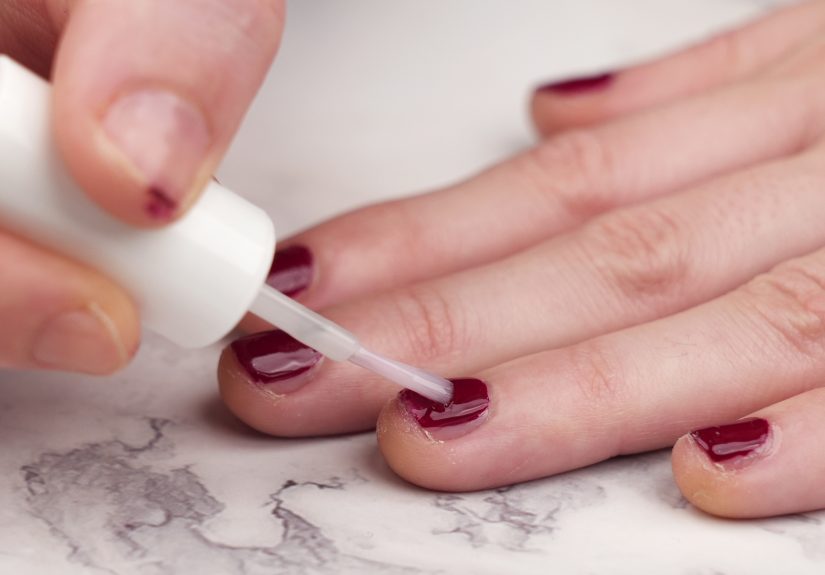
One of the most overlooked manicure tricks is sealing the free edge. After painting each nail, run the brush lightly across the tip. This helps protect the edge where chips often begin. Do it with color and again with top coat. It takes a few extra seconds, but it can seriously improve how long your manicure lasts.
-
9. Let every layer dry before adding the next one
Impatience is the silent villain of at-home manicures. If one layer is still soft when the next one goes on, the whole stack becomes more vulnerable to dents, smudges, and chips. Give each coat enough time to set before continuing. You do not need to schedule a retreat in the mountains, but you do need more than 20 heroic seconds and a hopeful attitude.
-
10. Finish with a high-quality top coat
Top coat is not optional if you want chip-resistant nails. It adds shine, protects the color underneath, and helps seal everything in place. Some formulas are especially helpful for regular polish because they dry quickly and create a harder outer shell. If your manicure keeps dulling or wearing off at the tips, your top coat may be the upgrade that changes the game.
-
11. Reapply top coat every two to three days
This is the maintenance step many people skip. A fresh layer of top coat helps reinforce the manicure, smooth tiny signs of wear, and keep edges from fraying into full-blown chips. If your polish usually looks sad by day three, try a quick top-coat refresh on day two. It is low effort, high reward, and far less dramatic than repainting everything from scratch.
-
12. Protect your manicure from water and household chores
Long exposure to water, harsh soaps, and cleaning products can weaken both your nails and your polish. Wear gloves when washing dishes, scrubbing the bathroom, gardening, or using strong cleaners. This is not glamorous, but neither is losing a fresh manicure to a sink full of cookware. If you wash your hands often, dry them well and moisturize afterward without slathering oil directly onto a brand-new manicure.
-
13. Moisturize your hands and nails, and give damaged nails a break
Healthy nails support longer-lasting polish. Use hand cream and cuticle oil regularly, especially after washing your hands. If your nails are peeling, cracking, or recovering from frequent gel or acrylic manicures, give them some time off. A week or two of simple nail care, gentle filing, and nourishing treatments can make a big difference before your next polish application.
Extra Tips That Make a Surprisingly Big Difference
Choose the right nail shape
If you are prone to breaks and chips, a softly rounded or almond-like shape often holds up better than sharp square corners. Corners tend to catch on things, and once they snag, polish damage usually follows.
Do not use old, thickened polish
If your polish is stringy, sticky, or weirdly gloopy, it may not apply evenly. Uneven application makes chips more likely. Fresh polish with a smooth formula generally performs better.
Be realistic about your routine
If you cook constantly, clean without gloves, wash your hands every 20 minutes, or work with your hands all day, regular polish may not last as long as it would on someone whose biggest task is answering emails and holding iced coffee. In that case, your goal may be longer wear, not perfection.
Fix tiny chips early
If the tip starts to wear, lightly file the rough edge, dab on a touch of color, and reseal with top coat. Tiny repairs can buy you several extra days before a full redo becomes necessary.
Common Mistakes That Ruin a Manicure Fast
- Painting over oily nails
- Applying polish too thickly
- Flooding the cuticle area
- Skipping base coat or top coat
- Using hands aggressively right after painting
- Taking long hot showers immediately after a manicure
- Opening cans, peeling labels, or scraping stickers with your nails
- Ignoring nail health when nails are already weak or peeling
If you recognize yourself in that list, congratulations: you have identified the suspects. The manicure detective work is going well.
What to Do If Your Nails Are Naturally Weak
Sometimes the polish is not the main problem. If your nails are thin, brittle, or peeling, they may chip polish no matter how carefully you paint. Focus first on nail health. Keep nails trimmed, moisturize frequently, wear gloves for wet work, and be careful with harsh removers or repeated salon enhancements. A strengthening base coat may help, but it should be part of a bigger routine, not a magic wand.
If you notice sudden nail changes, significant peeling, discoloration, pain, or ongoing brittleness that does not improve, it is smart to check in with a medical professional. Not every nail problem is cosmetic.
Real-Life Experiences: What Actually Stops the Chips
One of the most common experiences people describe is this: they spend an hour doing a manicure, love the result, wake up the next morning, and already see wear on the tips. In many cases, the fix is not a more expensive polish. It is better prep. People who started wiping their nails with alcohol before base coat often notice that color adheres more evenly and lasts longer. It is such a simple step that it feels suspicious, like a beauty hack invented by a very calm aunt who always has perfect nails. But it works because it removes the invisible oil that sabotages adhesion.
Another common story comes from people who used to paint on thick coats because they wanted full color fast. Once they switch to thin layers, the difference can be dramatic. The manicure dries more evenly, feels harder sooner, and does not peel off in one tragic sheet after two days. The polish may take a few extra minutes to build up, but the payoff is real. Thin coats look more professional, too, especially with bold shades like red, navy, or black that show every mistake.
People who wash dishes by hand often report that gloves changed everything. Not because gloves are glamorous, but because constant hot water and detergent can beat up both the nail plate and the polish. The same goes for cleaning, gardening, and long shower sessions right after polishing. When people start treating fresh nails like something worth protecting instead of immediately challenging them to survive a kitchen sink obstacle course, chips show up much later.
There is also the top-coat crowd, which includes many former skeptics. Some people think top coat is just about shine, but those who begin reapplying it every two or three days usually notice their manicure holds up much better through the week. This is especially true for people who type a lot, use their phones constantly, or have jobs that keep their hands busy. A refreshed top coat acts like a small rescue mission before the edges get rough and start lifting.
Then there are the people who realized their nails were the issue, not just their polish. After frequent gel manicures, acrylics, or aggressive buffing, nails can become thin and peel-prone. In those cases, taking a short break from polish, using hand cream regularly, applying cuticle oil, and keeping the nails short can help restore strength. Once the nails are healthier, regular polish often lasts noticeably longer. It is not the most thrilling advice in the world, but it is honest.
Finally, many people discover that changing just two or three habits makes more difference than buying five new products. For example: clean the nail plate, use a sticky base coat, cap the tips, and wear gloves for chores. That combination alone can turn a two-day manicure into a five- to seven-day manicure for a lot of people. In other words, chip-resistant nails are less about luck and more about routine. The manicure does not need to be perfect. It just needs a fighting chance.
Final Takeaway
If you want to keep nail polish from chipping, think beyond the color itself. A long-lasting manicure starts before the first swipe and continues after the last coat dries. Clean nails, thin layers, capped tips, a reliable top coat, and a little protection from water and wear can make a bigger difference than chasing the next trendy bottle on the shelf.
The best part is that these steps are simple, realistic, and easy to repeat. So the next time you do your nails, give your manicure the kind of support system most reality TV contestants only dream about.