Table of Contents >> Show >> Hide
- Why Holiday Scents Can Be a Problem for Asthma
- The Most Common Holiday Asthma Triggers Hiding Behind “Festive” Smells
- How to Make Your Home Feel Festive Without Starting an Asthma Flare
- 1. Use source control first
- 2. Choose fragrance-free cleaning and personal care products
- 3. Clean decorations before they come indoors
- 4. Be strategic about your tree and greenery
- 5. Improve ventilation when outdoor air is reasonably clean
- 6. Use a mechanical air cleaner with HEPA filtration
- 7. Keep indoor humidity in a healthy range
- 8. Set guest expectations before gatherings
- What to Do If Holiday Scents Start Triggering Symptoms
- What This Looks Like in Real Life: Common Holiday Experiences
- Final Thoughts
The holidays are supposed to smell like joy. Or cookies. Or pine. Or whatever your aunt plugs into the wall every December that makes the hallway smell like a cinnamon-scented wrestling match. But for people with asthma, “festive” scents can sometimes turn a cozy evening into a coughing fit, a wheezing spell, or a full-blown flare-up.
That is because holiday air is often packed with more than nostalgia. It can contain fragrance chemicals, smoke, volatile organic compounds, dust, mold, and aerosols from candles, wax warmers, fireplaces, cleaning sprays, potpourri, scented pinecones, diffusers, and freshly unpacked decorations. Add a tightly sealed house, a crowd of guests, and a little winter stress, and your lungs may decide they are no longer interested in seasonal cheer.
The good news is that you do not have to choose between breathing comfortably and enjoying the holidays. With a few smart changes, you can create a home that still feels warm, welcoming, and festive without turning your airways into unwilling participants in a holiday disaster movie.
Why Holiday Scents Can Be a Problem for Asthma
Asthma is all about sensitive airways. When those airways meet a trigger, they can swell, tighten, and produce more mucus. That makes breathing harder and can lead to coughing, wheezing, chest tightness, or shortness of breath. During the holidays, the issue is often not one single scent but a pileup of irritants all hanging out in the same room like they paid rent.
Fragrance can irritate already sensitive lungs
Plenty of holiday products are designed to shout their scent from across the room. Scented candles, plug-ins, wax melts, room sprays, perfumes, fragranced cleaners, and essential-oil diffusers can all release substances that bother inflamed airways. Even when a product smells “clean” or “natural,” that does not automatically make it asthma-friendly. Your lungs do not care whether the label says winter forest, sugar cookie, or mountain serenity. If the air feels irritating, your body may react.
Smoke makes the problem worse
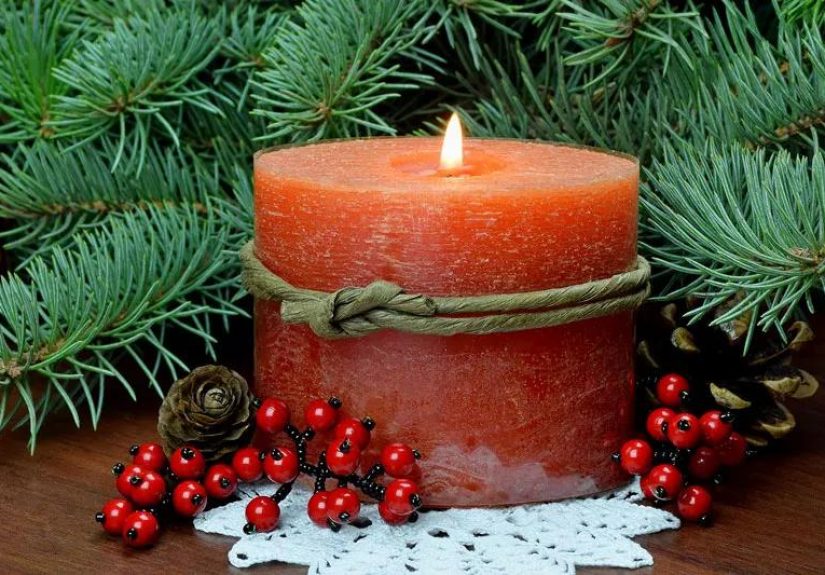
Now let us talk about the classic holiday glow. Candles are pretty. Fireplaces are cozy. Incense looks dramatic. Unfortunately, smoke is not decorative to your lungs. Burning products can release fine particles and irritating byproducts into the air. That means even an innocent-looking candle centerpiece can become an asthma trigger, especially in small spaces with poor ventilation. Cozy for the eyes, less cozy for the bronchi.
Sometimes the “scent” is not the only culprit
A live tree may bring a strong pine smell, but it can also bring pollen, mold, and plant debris indoors. Artificial trees and old decorations can collect dust and mold in storage. Pre-party deep cleaning can stir up dust and add strong chemical odors from sprays and polishes. In other words, your holiday trigger may not be the peppermint candle alone. It may be the peppermint candle, the wood fire, the pine garland, the aerosol snow spray, and the frantic last-minute bathroom scrub all working together like a chaotic holiday choir.
The Most Common Holiday Asthma Triggers Hiding Behind “Festive” Smells
If you want to keep holiday scents from causing asthma attacks, start by knowing the usual suspects. These are the products and situations most likely to create trouble indoors:
- Scented candles: They add both fragrance and combustion byproducts.
- Wax melts and warmers: No visible flame does not mean no airborne irritants.
- Plug-in air fresheners and room sprays: These can keep fragrance circulating for hours.
- Essential-oil diffusers: “Natural” is not the same as harmless for sensitive airways.
- Incense and burning herbs: Smoke plus fragrance is a rough combo for asthma.
- Wood-burning fireplaces: Even a small indoor smoke load can be a problem.
- Scented pinecones, potpourri, and dried arrangements: Pretty to look at, not always easy to breathe around.
- Live trees and wreaths: Pine scent, pollen, mold, and sap can all play a role.
- Stored decorations: Dust and mold love the attic and garage as much as holiday bins do.
- Holiday cleaning products: Strong-smelling sprays and polishes can trigger symptoms before the guests even arrive.
- Perfume and cologne at gatherings: Sometimes the trigger walks in with a scarf and a gift bag.
The bigger issue is cumulative exposure. One mild trigger may be manageable. Five triggers packed into a closed house for six straight hours? That is when asthma likes to make an entrance.
How to Make Your Home Feel Festive Without Starting an Asthma Flare
The safest approach is usually simple: reduce the number of scent sources, improve indoor air, and keep known triggers out of the mix. You can still have a beautiful holiday home. It just needs fewer fumes and more strategy.
1. Use source control first
If a product regularly makes you cough, wheeze, or feel tight-chested, retire it from the holiday lineup. This is the home-air version of breaking up with someone who is charming but terrible for your nervous system.
Skip or minimize:
- Plug-in fresheners
- Room sprays
- Wax melts
- Scented pinecones
- Incense
- Strong perfumes and colognes indoors
- Essential-oil diffusers if they trigger symptoms
If you want the mood of candlelight, use LED or flameless candles. They give you the warm glow without the smoke or fragrance. That is a nice little holiday miracle right there.
2. Choose fragrance-free cleaning and personal care products
Many people focus on decorations and forget the pre-holiday cleaning spree. But fragranced cleaners, disinfectant sprays, furniture polish, and laundry products can be just as irritating as decorative scents. Use fragrance-free or low-odor products whenever possible, especially in bathrooms, kitchens, and guest areas. Avoid spraying products into the air if you can help it. A damp cloth and plain soap often do more good than a whole cabinet of “winter breeze” chemicals.
3. Clean decorations before they come indoors
Holiday bins are excellent at collecting dust, and dust is not known for its hospitality. Unpack decorations in a garage, balcony, or well-ventilated area if possible. Wipe hard items with a damp cloth. Wash holiday linens before using them. If you are dusting or vacuuming and you have asthma, it may help to let someone else do the job or to stay out of the room until the dust settles.
A HEPA-filter vacuum can also help reduce the amount of dust that gets blasted back into the air. Because apparently some vacuums believe their job is to redistribute the problem.
4. Be strategic about your tree and greenery
If you love a real tree, give it a good shake or rinse before bringing it inside, then let it dry. That may help reduce pollen, dirt, and mold spores. Keep the tree well-watered so it does not dry out and shed extra material into the room. If pine scent itself bothers you, that is useful information, not a failure of holiday spirit.
If you use an artificial tree, clean it before setup and store it in a dry place after the season. The same goes for wreaths, garlands, stockings, and decorative fabric. The prettier the item, the less charming it becomes when it doubles as a dust delivery system.
5. Improve ventilation when outdoor air is reasonably clean
Indoor air gets stale fast during the colder months. If outdoor air quality is decent and pollen or smoke are not high in your area, opening windows briefly can help dilute indoor pollutants. Running bathroom fans and kitchen exhaust fans can also help remove moisture, cooking byproducts, and lingering odors.
If outdoor air is smoky, heavily polluted, or packed with allergens, do not assume open windows are automatically helpful. In that case, better filtration may be the smarter move.
6. Use a mechanical air cleaner with HEPA filtration
A portable mechanical air cleaner with a HEPA filter can help reduce airborne particles indoors. It is especially useful in bedrooms, living rooms, or any space where people gather for long stretches. If odors are part of the issue, a unit that also includes activated carbon may help with some smell-related compounds.
What you do not want is an ozone-generating purifier or an ionizer that releases lung-irritating byproducts. An air cleaner should clean the air, not add fresh drama to it.
7. Keep indoor humidity in a healthy range
Too much humidity can encourage mold growth. Too little can make air feel dry and irritating. A general target of about 30% to 50% humidity is often a good place to aim. Use a hygrometer if you want to be precise. Fix leaks quickly, dry damp areas, and do not let standing water become part of your holiday decor, no matter how “rustic” it looks.
8. Set guest expectations before gatherings
If you are hosting, tell guests ahead of time that your home is fragrance-light or fragrance-free for health reasons. Most people are happy to skip perfume if they know it helps someone breathe. You can also keep candles off the table, avoid burning the fireplace, and place a gentle reminder near the entry if needed.
If you are visiting someone else, speak up early. Ask whether strong candles, diffusers, or a fire will be used. Bring your rescue inhaler, and if certain homes are reliably trigger-heavy, consider shorter visits or a backup plan. Self-advocacy may not fit in a stocking, but it is still a solid gift to yourself.
What to Do If Holiday Scents Start Triggering Symptoms
Even with the best planning, triggers can sneak in. If you notice coughing, wheezing, chest tightness, throat irritation, or shortness of breath, act early. Leave the scented area, stop the exposure, and follow your written asthma action plan. Use your quick-relief inhaler exactly as prescribed by your clinician.
Do not try to “tough it out” through dessert. No holiday cookie is worth pretending your lungs are fine when they are clearly filing complaints.
Seek urgent or emergency care if symptoms are not improving soon after your rescue medicine, or if breathing becomes difficult enough that talking or walking is hard. Emergency warning signs such as blue, pale, or gray lips or fingernails should be treated seriously. The holidays are not the time to freelance your medical plan.
What This Looks Like in Real Life: Common Holiday Experiences
The following examples are composite, real-world style situations based on the kinds of problems people commonly run into during the holiday season. If any of them sound familiar, you are absolutely not alone.
Experience one: the “cozy living room” ambush. Someone lights three pine candles, turns on a wax warmer that smells like gingerbread, and starts a small fire in the fireplace. Ten minutes later, the person with asthma is coughing into a throw pillow and wondering how a room can look like a magazine spread and feel like a respiratory obstacle course. In situations like this, the issue is usually not one scent but the stacked exposure. Turning off the warmer, blowing out the candles, and moving away from the fire can make a surprisingly big difference.
Experience two: decorating day. The family pulls boxes from the attic, opens them in the living room, and suddenly the air is full of dust. The artificial tree has been folded up for eleven months in a garage that is part storage unit, part mystery ecosystem. Before a single ornament goes on, the person with asthma already feels chest tightness. A better routine is to open bins outside or in a garage, wipe items down, and let someone without asthma handle the dust-heavy part first.
Experience three: the “clean house for company” sprint. This is a classic. A person spends half the day using fragranced bathroom spray, glass cleaner, furniture polish, carpet freshener, and scented laundry beads because guests are coming. By evening, the house smells “fresh,” but the airways say otherwise. For people with asthma, a clean home is great. A chemically loud home is not. Fragrance-free products and slower, simpler cleaning methods usually work better.
Experience four: the live tree surprise. A family brings home a real tree and loves the smell. One person, however, starts sneezing, coughing, and wheezing more than usual over the next day or two. Sometimes it is the pine scent itself. Sometimes it is mold or pollen hitching a ride indoors. Rinsing the tree before bringing it in, keeping it in a ventilated area, or switching to a cleaned artificial tree in future seasons can help.
Experience five: the holiday party guest cloud. The food is great, the playlist is decent, and then several guests arrive wearing strong perfume or cologne. Add one plug-in air freshener by the hallway and the room suddenly feels hard to breathe in. This is one of the reasons it helps to talk about fragrance expectations before an event. People are often far more understanding than we assume. They just need to know the issue is medical, not a personal review of their holiday perfume choices.
Experience six: the hotel or host-house visit. Travel adds another layer. You may walk into a room cleaned with strong scented products or stay with relatives who love candles, diffusers, and decorative sprays. Many people with asthma find that packing their inhaler, asking for fragrance-free rooms when possible, and speaking up early about triggers prevents bigger problems later. It can feel awkward for thirty seconds and save hours of symptoms afterward.
The main lesson from all of these experiences is simple: asthma during the holidays is usually manageable when triggers are identified early, exposures are reduced, and breathing comfort is treated like part of the celebration instead of an afterthought.
Final Thoughts
Holiday scents do not have to run the show. If your asthma tends to flare around candles, trees, sprays, smoke, or fragranced cleaning products, that is not you being dramatic. That is your lungs being honest. The smartest holiday setup is one that looks warm, feels inviting, and lets everyone breathe without negotiation.
Go for glow over smoke, fresh air over fake fragrance, and clean surfaces over heavily perfumed products. A house that smells like nothing much at all may not sound glamorous, but for a person with asthma, it can smell a lot like peace.