Table of Contents >> Show >> Hide
- Why dark hair color fades (and why it can look brassy)
- Quick jump list
- Step 1: Wait before your first wash (yes, really)
- Step 2: Wash less often (without feeling gross)
- Step 3: Use a sulfate-free, color-safe shampoo
- Step 4: Turn down the water temperature
- Step 5: Condition like it’s your part-time job
- Step 6: Add a color-depositing boost (brunette-friendly)
- Step 7: Heat styling: protect, reduce, and be strategic
- Step 8: Block UV like your hair has sunscreen needs
- Step 9: Pool/ocean rules: chlorine and salt are not invited
- Step 10: Avoid “color-stripper” products and sneaky ingredients
- Step 11: Fight hard water and mineral buildup
- Step 12: Maintain smart: glosses, trims, and touch-up timing
- Troubleshooting: what your fade is trying to tell you
- Conclusion
- Experience Notes: What People Usually Notice (and What Actually Helps)
Dark hair dye is like a great black outfit: it makes everything look more put-together… until it doesn’t. One day you’re serving glossy espresso. The next, your “rich brunette” is giving “mystery rust,” and your blue-black is quietly auditioning for “soft charcoal.”
The good news: dark dyed hair can stay deep, shiny, and dimensional for longerif you stop accidentally speed-running the fade. The bad news: your favorite habits (hot showers, daily shampoo, “just one quick pass” with a 450°F flat iron) are basically color’s natural predators.
Why dark hair color fades (and why it can look brassy)
Hair color molecules sit inside and on the surface of your hair shaft. Anything that lifts the cuticle, dries the strand, or oxidizes pigment can make color slip away fasterespecially in the first couple weeks. Dark shades often fade by revealing underlying warm tones (brown, copper, red) or by losing shine so the color looks flat and dull.
- Water + shampoo: Repeated washing swells hair, loosens dye, and rinses it out little by little.
- Heat: Hot water and hot tools increase cuticle lift and dehydration (aka “fade fuel”).
- UV + environment: Sunlight oxidizes pigment; chlorine/saltwater and pollution can rough up the cuticle.
- Porosity + damage: The more porous your hair (bleached, relaxed, over-heated), the faster color escapes.
Quick jump list
- Wait before your first wash
- Wash less often (without feeling gross)
- Use a sulfate-free, color-safe shampoo
- Turn down the water temperature
- Condition like it’s your part-time job
- Add a color-depositing boost (brunette-friendly)
- Heat styling: protect, reduce, and be strategic
- Block UV like your hair has sunscreen needs
- Pool/ocean rules: chlorine and salt are not invited
- Avoid “color-stripper” products and sneaky ingredients
- Fight hard water and mineral buildup
- Maintain smart: glosses, trims, and touch-up timing
Step 1: Wait before your first wash (yes, really)
If you dyed your hair today and you’re already planning a shampoo “just to rinse out the vibe,” pause. Fresh color needs time to settle. Many colorists recommend waiting at least 48 hours (sometimes up to 72 hours) before your first real wash so the cuticle can calm down and pigment can fully oxidize and lock in.
Example: If you colored on Friday night, aim for your first shampoo on Sunday evening. In the meantime, use a shower cap, keep hair dry, and if your roots get oily, a little dry shampoo at the scalp is your best friend (not your hairline’s enemy).
Step 2: Wash less often (without feeling gross)
Every shampoo is a tiny farewell party for your dye molecules. The more often you lather, the faster you fade. Most people can stretch washes to 2–3 times per weekbut the right schedule depends on your scalp, workouts, and hair texture.
- Oily scalp? Try alternating “water-only rinse” days with shampoo days, and keep conditioner off the scalp.
- Dry/curly/coily hair? You may be able to go longer between shampoos and refresh with a mist + light leave-in.
- Gym life? Rinse sweat out with lukewarm water and use a gentle, color-safe cleanser only when needed.
Pro move: shampoo your scalp, not your entire length. Let the suds run down the ends instead of scrubbing them like they owe you money.
Step 3: Use a sulfate-free, color-safe shampoo
For dark dyed hair, your shampoo choice matters a lotbecause harsh detergents can pull pigment and strip moisture. Look for labels like “color-safe,” “color-protect,” and especially “sulfate-free.”
Also consider how strong your cleanser is. If your shampoo says “clarifying,” “deep clean,” or “detox,” it’s basically announcing, “I remove buildup… and sometimes your personality.” Keep those for occasional use (we’ll talk about that in Step 10).
Example: If your black dye fades to brown quickly, switch to a gentle, sulfate-free shampoo and use it mainly at the roots. Many people see less brassy fade simply by changing cleanser strength.
Step 4: Turn down the water temperature
Hot water feels amazing. Unfortunately, it also encourages the cuticle to liftmaking it easier for pigment to escape and for hair to dry out. For better color retention, wash with cool to lukewarm water and keep your rinse quick.
If you can’t give up hot showers (relatable), compromise:
- Do your “hot shower stuff” first, hair clipped up and dry.
- Lower the temp only when it’s time to wet and cleanse hair.
- Finish with a brief cool rinse after conditioning to help smooth the cuticle.
Step 5: Condition like it’s your part-time job
Moisture is not just about softnessit’s about color longevity. When hair is dry and porous, it loses dye faster and looks dull. Use conditioner after every wash, focusing on mid-lengths and ends, and add a deep conditioning mask weekly.
If your hair is chemically processed (bleached highlights under a dark gloss, heat damage, etc.), rotate:
- Moisture mask (hydration, slip, shine)
- Light protein treatment (strength/elasticitydon’t overdo it)
- Bond-support product if your hair feels fragile
Example: If your ends fade faster than your roots, that’s often porosity. A weekly mask plus trimming porous ends can make your color look darker overallbecause your hair reflects light again.
Step 6: Add a color-depositing boost (brunette-friendly)
Dark shades don’t always need “purple shampoo.” In fact, for brunettes and black hair, the better tools are often blue-toning or brown-depositing conditioners/shampoos (designed to neutralize orange warmth and refresh depth).
How to use them without going full cartoon:
- Start once a week and adjust based on your fade pattern.
- Apply mainly to mid-lengths/ends where fading shows first.
- Follow timing instructions. More time is not always more fabulous.
- Rinse well and condition afterdepositing products can be slightly drying for some hair types.
Want extra shine and a “freshly colored” look without re-dyeing? Consider an at-home or salon clear or tinted gloss every few weeks to refresh tone and boost shine.
Step 7: Heat styling: protect, reduce, and be strategic
Heat can fade color and rough up the cuticle. If you use a blow dryer, curling iron, or flat iron, treat heat protectant like non-negotiable seatbelts for your hair.
- Lower the temperature: Use the lowest effective heat setting.
- Fewer passes: One slow pass beats five angry passes.
- Air-dry when you can: Even one “no heat day” a week helps reduce cumulative damage.
Example: If your dark brown looks dull two weeks after coloring, you may not need more dyeyou may need fewer 400°F styling sessions and better heat protection.
Step 8: Block UV like your hair has sunscreen needs
UV exposure can oxidize color and make dark shades look flat or warm. If you spend time outdoors, protect your hair the same way you protect your skin:
- Wear a hat (fashion + function).
- Use a UV-protectant hair spray or leave-in with UV filters.
- Keep hair moisturizeddry hair shows UV damage faster.
Bonus: UV protection also helps preserve shine. Dark hair looks darkest when it’s glossy, not crispy.
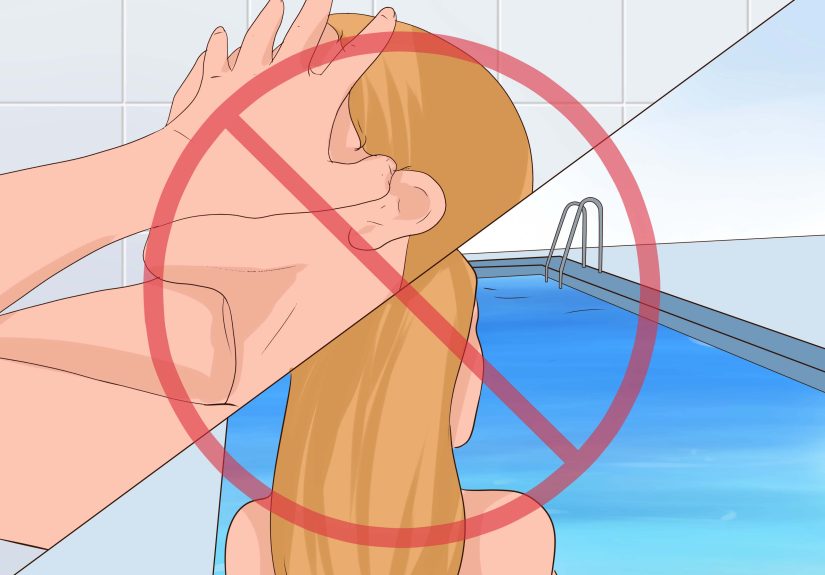
Step 9: Pool/ocean rules: chlorine and salt are not invited
Chlorine and saltwater can dry hair out, roughen the cuticle, and contribute to color shift. For dark dyed hair, that can mean faster fading and weird undertone changes.
Before you swim:
- Rinse hair with clean water first (so it absorbs less pool water).
- Apply a light conditioner or a swim-specific protectant.
- Wear a swim cap if you’ll be in the water a lot.
After you swim:
- Rinse immediately.
- Use a gentle cleanser if needed, then condition well.
- Do a deep conditioning mask later that day.
Step 10: Avoid “color-stripper” products and sneaky ingredients
Some products are basically fade accelerators in a cute bottle. Use them thoughtfully:
- Clarifying shampoos: Great for buildup, but use occasionally (think every 2–4 weeks, not every Tuesday).
- Anti-dandruff shampoos: Helpful for the scalp, but can be more cleansinguse as directed and focus on the scalp.
- High-alcohol styling products: Can dry hair out, which makes color look dull faster.
If you need a reset (heavy product use, oily scalp, hard water), do it strategically: clarify once, then follow with a mask and return to gentle, color-safe care.
Step 11: Fight hard water and mineral buildup
Hard water can leave mineral deposits that make hair feel rough, look dull, and behave like it forgot how to hold color. If your dark dye fades unevenly or your hair feels coated, buildup might be part of the problem.
Options that help:
- Shower filter (easy upgrade, especially if your water is very hard).
- Occasional chelating shampoo (targets minerals) followed by deep conditioning.
- Water softener (bigger change, bigger impact in some homes).
Example: If your hair feels “squeaky” no matter how much conditioner you use, and your dark color looks dull instead of rich, mineral buildup could be stealing your shine.
Step 12: Maintain smart: glosses, trims, and touch-up timing
The fastest way to make dark hair look faded is to let the ends get damaged and translucent. Smart maintenance keeps the hair healthy so the color looks deeper.
- Gloss schedule: A clear or tinted gloss every 4–6 weeks can refresh tone and add shine.
- Trim schedule: Small trims every 6–8 weeks help remove split, porous ends that fade first.
- Touch-up strategy: Refresh roots and tone/shine the lengths instead of repeatedly pulling permanent dye through the ends (which can increase damage over time).
If you DIY dye, consider using permanent color for roots (if needed) and a gentler demi-permanent or gloss for mid-lengths/ends. Less damage = better color retention = fewer “why am I orange?” moments.
Troubleshooting: what your fade is trying to tell you
“My black hair turned brown.”
Common culprits: frequent washing, hot water, strong shampoo, UV exposure, or porous ends. Tighten up Steps 2–5, add UV protection (Step 8), and use a blue-toning or brunette-depositing product (Step 6).
“My dark brown looks dull, not faded.”
Dull often means dryness or buildup. Try a mask (Step 5) and check for hard water/minerals (Step 11). A clear gloss can bring back shine fast (Step 12).
“My scalp gets oily, so I have to wash daily.”
You may not need to choose between clean scalp and lasting color. Try shampooing only the scalp with a gentle, sulfate-free cleanser, using dry shampoo between washes, and rinsing lengths with water + conditioner as needed.
Conclusion
Keeping dark dyed hair from fading isn’t about buying a hundred products or living in fear of water. It’s about a few high-impact habits: wash less, wash cooler, cleanse gentler, condition more, protect from heat and UV, and treat pool days like a contact sport. Do those things consistently, and your color can stay rich and glossy longerso your hair keeps saying “expensive brunette” instead of “surprise copper.”
Experience Notes: What People Usually Notice (and What Actually Helps)
If you’ve ever dyed your hair a deep brunette or blue-black, you’ve probably experienced the emotional roller coaster: Day 1 looks like a hair commercial. Day 10 still looks great… until you step into sunlight and realize your “midnight” shade is now “dark roast with caramel highlights.” That’s a super common experience, and it tends to happen for a few predictable reasons.
One pattern many people notice is that the first two weeks make or break their color. When they follow the “wait to wash” rule, use a gentle shampoo, and keep water lukewarm, they often report the shade staying deeper longer. But when they go back to hot showers and daily shampoo right away, the fade shows up fasterespecially around the face and on the ends. Those areas are usually more porous (from styling and sun), so they leak color like a paper cup leaks coffee.
Another common experience: people swear they’re “not washing that much,” but their routine includes a lot of hidden cleansing frequent co-washes, scalp scrubs, strong dry shampoos that require aggressive removal, or “detox” shampoos used weekly. The fix that tends to feel most realistic is not “never cleanse,” but “cleanse smarter”: shampoo the scalp only, keep the lengths gentle, and save clarifying for occasional resets followed by deep conditioning.
Dark-dye wearers also often mention a specific frustration: brassy undertones. Many expect brassiness to be a blonde problem, but brunettes can pull warm fast tooespecially if their natural hair has red/orange undertones or if they have older highlights underneath. People who add a brunette-friendly color-depositing conditioner (blue or brown tone) once a week frequently describe the fade looking “cleaner,” meaning less orange and more “true brunette.” The key is going slowly: the best experiences tend to come from short processing times and consistent use, not leaving pigment on forever and hoping for magic.
Heat styling is another big “aha” moment. A lot of folks notice their color looks fine until they start blow-drying and flat-ironing again. Then it suddenly looks dull and lighter, even if they aren’t washing more. People who lower tool temperatures, use heat protectant every time, and reduce repeat passes often say their color looks deeper between appointmentsbecause their hair stays smoother and shinier, and shine makes dark color look darker.
Finally, hard water and swimming come up constantly in real-life routines. People in hard-water areas often describe hair feeling rough or coated, and color looking “off” even though they’re using good products. When they add a shower filter or do occasional chelating treatments (followed by a mask), they often notice more shine and more even tone. Swimmers tend to get the best results when they treat pool days like prep days: rinse hair before, apply conditioner, rinse immediately after, and moisturize deeply later. It’s not glamorous, but neither is greenish-black hair.
The overall takeaway from these experiences is refreshingly simple: the routines that work best are the ones people can actually repeat. Pick a gentle wash schedule, protect from heat and sun, and add one maintenance booster (like a gloss or color-depositing conditioner). Consistency beats chaosand your dark color will look richer for it.