Table of Contents >> Show >> Hide
- What “Longer” Means for a Betta (and Why Some Don’t Make It)
- Build the Right Home First (Because Water Quality Is Everything)
- Master Water Quality (The #1 Betta Longevity Skill)
- Feed Like a Responsible Fish Butler (Not a Snack Launcher)
- Reduce Stress (Because Stress Is Basically “Aging Juice”)
- Prevent Illness With Early Detection (And Smart “First Response”)
- Advanced Longevity Moves (Optional, but Powerful)
- Conclusion: The Betta Longevity Checklist
- Real-World Experiences: What Betta Keepers Learn the Hard Way (So You Don’t Have To)
Betta fish are basically tiny underwater celebrities: dramatic, colorful, and absolutely convinced they deserve a five-star hotel.
The problem is that bettas are often sold like they’re “low effort.” Cue the tragic little bowl on a desk, cold water, and a diet of “whatever flakes were on sale.”
A betta can survive that. But “survive” is not the same as “live a long, healthy life while judging you from behind a plant.”
With good care, many bettas can live several yearsand the care that helps them live longer is mostly about stability:
stable temperature, stable water quality, stable routines, and a stable home that isn’t one power outage away from chaos.
This guide walks you through the biggest factors that influence lifespan, with practical steps and real-world examples you can actually follow.
What “Longer” Means for a Betta (and Why Some Don’t Make It)
Bettas are hardy compared with many tropical fish, but they’re not invincible. The most common lifespan-killers aren’t mysterious diseases
they’re everyday stressors: cold water, dirty water, unstable parameters, and overfeeding (aka “love” in pellet form).
Think of your betta’s immune system like your phone battery. If the environment is rough, that battery drains fastleaving less energy to fight infections,
heal fins, and handle normal aging. Your job is to stop forcing your fish to live life on 8% battery mode.
Build the Right Home First (Because Water Quality Is Everything)
Choose a tank size that makes “good water” easier
Bigger water volume = slower buildup of waste = fewer sudden parameter swings. That’s why many experienced keepers recommend a
5-gallon tank or larger for a single betta, even though bettas are often marketed as “fine in tiny containers.”
A larger tank is easier to keep stable, which is exactly what you want for longevity.
Example setup that’s friendly for both beginners and bettas:
- 5–10 gallon tank with a lid (bettas can jumpsurprise!)
- Adjustable heater + thermometer
- Gentle filter (sponge filter or a low-flow hang-on-back with a baffle)
- Soft décor (silk/live plants, smooth hides, resting spots near the surface)
Keep the water warm and consistent
Bettas are tropical fish. A stable temperature (commonly around 78–82°F) supports normal metabolism, digestion, and immune function.
Constant “temperature rollercoasters” can stress them outeven if the average temperature seems okay.
- Use a heater sized for your tank and your room temperature.
- Use a thermometer you can read easily (daily glances prevent weekly surprises).
- Avoid placing the tank near drafty windows, AC vents, or direct sunlight.
Use filtrationbut keep the flow gentle
Bettas don’t love being blasted by a current like they’re training for the Olympics. Still, filtration is a major longevity upgrade because it helps
remove waste and supports beneficial bacteria. The trick is low flow:
sponge filters, adjustable filters, and filter “baffles” can keep the water clean without turning your tank into a tiny river.
Cycle the tank (aka: teach the tank to process waste)
The nitrogen cycle is not optional if you want a long-lived betta. Fish waste and leftover food create ammonia, which is toxic.
Beneficial bacteria convert ammonia → nitrite → nitrate. A “cycled” tank has the bacteria needed to keep ammonia and nitrite at safe levels.
Practical tip: if you’re new, look up “fishless cycling” and use a reliable test kit. Cycling takes patience, but it pays you back in fewer emergencies.
If your betta is already in a tank that isn’t cycled, focus on frequent testing and careful water changes while the tank matures.
Master Water Quality (The #1 Betta Longevity Skill)
Know the target basics
You don’t need to become a full-time chemist, but you do need to track the big three:
ammonia, nitrite, and nitrate.
In a healthy, cycled tank, ammonia and nitrite should be at or near zero, while nitrate should stay low through routine maintenance.
pH matters less than stability for most bettas. Don’t chase “perfect” numbers with constant chemicals.
Instead, aim for consistent conditions and clean water.
Do partial water changes on a schedule (and don’t “reset” the tank)
Regular partial water changes remove nitrate and organic waste that filtration can’t fully eliminate. A common routine for a filtered betta tank is
15–25% weekly (adjust based on tank size, feeding, plants, and test results).
What not to do: massive 100% changes every time the tank “looks dirty.” That can cause parameter swings and disrupt beneficial bacteria.
Longevity loves consistency.
A simple weekly routine example:
- Test water (especially ammonia/nitrite if anything looks “off”).
- Siphon debris from the substrate (especially around feeding spots).
- Replace 15–25% with dechlorinated water at a similar temperature.
- Wipe algae if needed (no soapsever).
Condition new water every time
Tap water often contains chlorine/chloramine that can harm fish and beneficial bacteria. Use a water conditioner before adding new water.
Also try to match temperature so your betta isn’t hit with a sudden “cold shower.”
Feed Like a Responsible Fish Butler (Not a Snack Launcher)
Pick high-quality food, then rotate for variety
Bettas are carnivores/insect-eaters by nature. A good staple is a quality betta pellet formulated for carnivorous fish.
For variety (and enrichment), rotate in frozen or freeze-dried foods like bloodworms, brine shrimp, or daphnia.
If you use freeze-dried foods, pre-soak them so they don’t expand in your betta’s stomach like a surprise sponge trick.
Portion control: small meals, consistent schedule
Overfeeding is one of the fastest ways to shorten a betta’s life because it can cause digestive trouble and pollute the water.
A practical starting point for many adult bettas is two small feedings per day, with only what they can finish quickly.
If your betta looks bloated or food is hitting the substrate, scale back.
- Start small (for pellets, often just a few pieces per meal).
- Remove uneaten food within a few minutes.
- Consider an occasional “fasting day” if your fish is prone to bloating (and your water tests are stable).
Use feeding to improve behavior and reduce stress
Feeding can be enrichment, not just calories. Try target feeding near the same area, use a feeding ring, and keep a calm routine.
Bettas love predictability almost as much as they love staring contests.
Reduce Stress (Because Stress Is Basically “Aging Juice”)
Make the tank comfortable and safe
Torn fins and constant anxiety are not longevity-friendly. Bettas do best with:
- Soft plants (live or silk) instead of sharp plastic that can rip fins
- Hides (a cave, tunnel, or shaded area)
- Resting spots near the surface (bettas like to lounge up top)
- A lid (jumpers gonna jump)
Give them a normal day-night rhythm
Constant bright light can stress fish, while no consistent schedule can throw off behavior.
Aim for a stable light routine (often around 8–10 hours of light, then darkness).
If algae grows fast, reduce light time rather than nuking the tank with chemicals.
Be careful with tank mates
Some bettas are chill roommates. Some are tiny aquatic villains with excellent hair.
Tank mates can work, but compatibility affects stressand stress affects lifespan.
If you try tank mates, prioritize a larger tank, lots of cover, and calm species that won’t nip fins.
Many keepers have success with certain snails or shrimp, while avoiding fast, nippy fish.
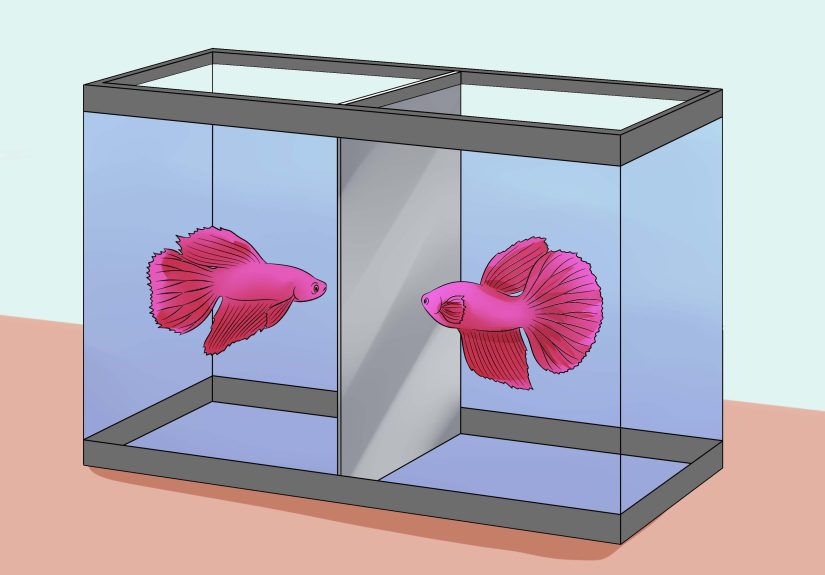
If your betta is flaring constantly, hiding nonstop, or showing torn fins, it may be better to keep them solo.
Prevent Illness With Early Detection (And Smart “First Response”)
Learn your betta’s “normal”
The fastest way to spot a problem is knowing what your fish looks like on a good day:
how they swim, how they eat, where they rest, and what their fins normally look like.
Common warning signs
- Clamped fins, hiding, or unusual lethargy
- Refusing food for more than a day or two (especially if temperature is correct)
- White spots or a dusty/gold sheen
- Ragged fins that worsen over time
- Bloating or buoyancy trouble
If you notice these, the best first step is often boringbut effective: test your water.
Many betta health issues start with water quality or temperature problems.
Quarantine new additions when possible
New fish, plants, and even “harmless” décor can bring hitchhikers (parasites, bacteria, fungus).
If you’re adding tank mates or moving in plants, a quarantine plan can prevent problems that shorten lifespan.
At minimum, buy from reputable sources and avoid dumping store water into your tank.
Keep your response calm and methodical
When something seems wrong, avoid doing ten dramatic changes at once. Sudden shifts can stress a sick fish further.
Instead:
- Check temperature and equipment.
- Test water parameters.
- Do a partial water change if anything is off.
- Consider isolating the fish in a calm, heated, filtered environment if tank mates are stressing them.
- If symptoms persist or worsen, consult an aquatic veterinarian or experienced fish professional.
Advanced Longevity Moves (Optional, but Powerful)
Use live plants to stabilize the environment
Live plants can help absorb nitrate, reduce stress by providing cover, and create a more natural environment.
You don’t need a high-tech junglehardy plants and floating cover can already make a noticeable difference in betta behavior.
Keep a tiny “betta logbook”
This sounds extra until it saves your fish. Write down:
- Weekly test results
- Water change dates and amounts
- Food type and feeding notes
- Any behavior changes
Patterns show up fast: “He stops eating when the temp dips,” or “Nitrate creeps up after I overfeed bloodworms.”
That’s the kind of insight that adds monthsor yearsover time.
Conclusion: The Betta Longevity Checklist
Helping a betta fish live longer isn’t about one magic product. It’s about stacking the basics until the fish’s life becomes calm, clean, warm, and predictable:
- Stable, warm water with a heater and thermometer
- Enough space (a larger tank is easier to keep stable)
- Gentle filtration and a properly cycled aquarium
- Regular partial water changes based on testing and routine
- Smart feeding (quality food, small portions, minimal leftovers)
- Low stress through safe décor, good enrichment, and compatible tank decisions
- Early detection by watching behavior and testing water at the first sign of trouble
Do these consistently and your betta won’t just “last.” They’ll thrivegliding around the tank like they own the place,
because honestly… they kind of do.
Real-World Experiences: What Betta Keepers Learn the Hard Way (So You Don’t Have To)
The internet is overflowing with “my betta lived in a vase for three years!” storiesand also “help, my betta looks sad and I feel like a monster” posts.
The truth usually lands somewhere in the middle: bettas are resilient, but long life comes from repeatable habits, not lucky guesses.
Here are some experience-based lessons fishkeepers commonly share after they’ve kept bettas for a while.
1) The “bigger tank” upgrade changes everything
One of the most common turning points is moving a betta from a tiny container into a filtered, heated 5–10 gallon tank.
People often report a dramatic shift: more swimming, stronger appetite, brighter color, and less hiding.
It’s not that the fish suddenly became “happier” in a human-emotions wayit’s that the environment stopped constantly stressing the body.
In a small bowl, temperature swings fast, waste builds up quickly, and water changes can be so dramatic that the fish gets shocked by the shift.
In a larger tank, the water is more forgiving. You miss one crumb of food? The tank doesn’t instantly punish you for it.
2) Most “mystery illnesses” start with water or temperature
A classic scenario goes like this: a betta becomes lethargic, stops eating, and looks “off.”
The keeper tries a new food, changes décor, adds medicine, panics, and does a big water changeall in one weekend.
Meanwhile, the real issue might be a heater that failed and dropped the tank to chilly temperatures overnight, or ammonia creeping up because the tank wasn’t cycled.
Experienced keepers often learn to slow down and run the boring checks first: thermometer, filter flow, ammonia/nitrite/nitrate.
The biggest “pro move” is not having the fanciest gearit’s troubleshooting in the right order.
3) Feeding becomes easier when you stop “feeding feelings”
Many people overfeed because the betta looks hungry (or adorable, or both). Bettas can be convincing little actors.
Seasoned keepers often develop a simple rule: if food hits the bottom uneaten, you fed too much.
Another common realization is that variety helps, but consistency helps more.
A stable routinequality pellets as the staple, a couple of small treats per week, and clean-up of leftoverstends to produce fewer bloat episodes
and fewer water quality problems. Keepers also notice that bettas become more interactive when feeding is structured:
they learn where food arrives, they swim up, they “beg,” and they still get a healthy portion instead of an all-you-can-eat buffet.
4) Bettas have personalities, and your plan should flex
Some bettas hate strong flow. Some don’t care. Some hunt shrimp like a tiny shark. Some coexist peacefully.
A lot of “experience” in betta keeping is simply learning to watch the fish and adjust.
If your betta is always pinned behind a decoration, they might be fighting the current.
If they flare nonstop at their reflection, you might need to change lighting angles or background.
If they’re shredding fins, the décor might be too sharp or the tank might be too bare and boring.
Keepers who get long-lived bettas usually become good observers. The fish gives feedbackyou just have to notice it.
5) The best longevity secret is… being boring on purpose
Long-lived bettas often come from “boring” tanks: stable temperature, stable water changes, stable feeding, stable lighting.
Not constant rescapes. Not weekly product experiments. Not impulse tank mates.
It’s like good sleep and vegetables for humansannoyingly effective, not very flashy, and absolutely the reason the whole system works.
If you want a betta to live longer, aim for a setup that runs smoothly even when life gets busy.
Because the real win isn’t doing something perfect onceit’s doing the basics well for months.