Table of Contents >> Show >> Hide
- Why Rosemary from Seed Is Worth It (Even If It Tests Your Patience)
- What You’ll Need
- When to Start Rosemary Seeds
- Seed Prep That Boosts Success
- How to Plant Rosemary Seeds (Step-by-Step)
- Germination: What to Expect (and How Not to Panic)
- Seedling Care After Sprouts Appear
- Potting Up: When and How
- Hardening Off and Transplanting Outdoors
- Growing Rosemary in Containers (Often the Easiest Win)
- Pruning, Harvesting, and Storage
- Troubleshooting: Common Rosemary Seed Problems (and Fixes)
- FAQ: Quick Answers for Busy Gardeners
- Experience Notes: What Gardeners Learn the Hard Way (So You Don’t Have To)
Rosemary is the kind of plant that makes you feel like a kitchen wizard and a backyard genius at the same time. One sprig in a roast chicken and suddenly you’re “the person who cooks.” One bush in the garden and suddenly you’re “the person who gardens.” The catch? Rosemary from seed is not an instant-gratification hobby. It’s more like a slow-burn mystery novel: you’ll stare at the soil, question your life choices, and thenwhen you’ve emotionally moved ontiny green sprouts show up like, “Hey bestie, what’d we miss?”
This guide walks you through the full processtiming, sowing, germination, seedling care, transplanting, and troubleshootingso you can grow rosemary from seed without turning your seed tray into a tiny swamp (or a tiny desert). We’ll keep it simple, specific, and realisticbecause rosemary has opinions, and it’s not shy about them.
Why Rosemary from Seed Is Worth It (Even If It Tests Your Patience)
Rosemary is commonly grown from cuttings because it’s faster and more reliable. But seeds have their own charm: you can grow more plants for less money, experiment with varieties, and enjoy the oddly satisfying experience of raising a woody herb from day one. Just set expectations: rosemary seeds can germinate slowly, and germination rates can be low compared with many garden vegetables.
Translation: sow more seeds than you think you need. If you want one strong plant, start enough seeds for a small rosemary “audition panel,” then keep the healthiest seedling(s). It’s not ruthlessit’s efficient.
What You’ll Need
- Rosemary seeds (fresh is best; older seed often germinates poorly)
- Seed-starting mix (light, sterile, and well-drainingskip dense garden soil)
- Cell trays or small pots with drainage holes
- Humidity dome or plastic wrap (optional, but helpful early on)
- Spray bottle or gentle watering can
- Grow light or a very bright windowsill
- Heat mat (optional, but useful if your home is cool)
- Labels (because “I’ll remember” is a lie we tell ourselves)
When to Start Rosemary Seeds
Rosemary is a slow starter, so plan ahead. In much of the U.S., a solid rule is to start rosemary indoors about 10–12 weeks before your last spring frost. That gives seedlings time to develop before they face outdoor conditions.
A simple timing example
If your average last frost date is April 15, count back 10–12 weeks. That puts your indoor sowing window around late January through early February. If your area has a longer winter or you plan to grow rosemary in a container indoors anyway, starting even earlier can be helpfulrosemary grows steadily, but not quickly.
Seed Prep That Boosts Success
Rosemary seeds don’t always leap into action on their own. Two easy prep methods can improve your oddsthink of them as a gentle “wake up” call.
Option 1: Soak the seeds overnight
Place seeds in room-temperature water and let them soak overnight. This can help hydrate the seed coat and kickstart germination. After soaking, sow right away.
Option 2: Cold stratify for a few weeks
Some gardeners get better results by cold stratifying rosemary seedskeeping them cold and moist for a short period to mimic winter. A practical at-home approach: place seeds in a slightly damp paper towel inside a labeled plastic bag, then refrigerate for about 3–4 weeks. Don’t freeze them. After chilling, sow immediately.
How to Plant Rosemary Seeds (Step-by-Step)
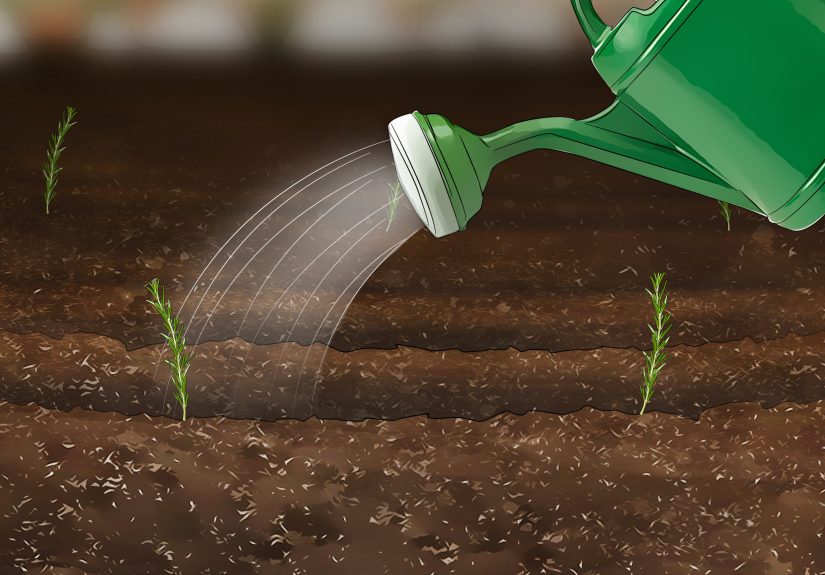
- Fill trays with seed-starting mix. Lightly moisten the mix so it feels like a wrung-out spongedamp, not dripping.
- Sow on the surface. Rosemary seeds are tiny. Sprinkle them on top of the mix and gently press them in so they make good contact.
- Cover very lightly (or not at all). Many growers recommend light exposure for rosemary germination, so avoid burying seeds deeply. If you cover, use the thinnest dusting of mixthink “powdered sugar,” not “blanket.”
- Mist and cover. Mist the surface to settle seeds. Add a humidity dome or loosely cover with plastic wrap to keep moisture consistent.
- Keep the temperature steady. Aim for a warm, stable environment. Many home growers target soil temperatures in the mid-60s to low-70s °F. A heat mat can help if your room is cool.
- Provide light. Place trays under a grow light (ideal) or in the brightest window you have. If using grow lights, keep them close enough to prevent seedlings from stretching later.
Germination: What to Expect (and How Not to Panic)
Rosemary germination often takes 2–4 weeks, and sometimes longer. If you’re used to basil popping in 3 days like it’s late for a meeting, rosemary can feel like it’s ghosting you. Stay consistent instead of overcorrecting. The biggest threats during this phase are:
- Too much water (leading to fungal issues and seed rot)
- Too little water (drying the surface and stopping germination)
- Cold swings (slowing everything down)
Moisture rule of thumb
Keep the surface evenly moist, not saturated. If condensation is heavy under the dome, vent it daily. If the surface dries quickly, mist lightly more often. Gentle consistency beats dramatic “flood-and-forget” watering every time.
Seedling Care After Sprouts Appear
The moment you see green, remove (or vent) the humidity cover. Seedlings need airflow to reduce fungal problems and to strengthen stems. Now shift your focus to three things: light, light, andsurprisemore light.
Light
Give rosemary seedlings bright light for long enough each day to keep growth compact. If seedlings lean or stretch, the light is too weak or too far away. Move the grow light closer or upgrade the brightness.
Watering
Water when the surface starts to dry, but don’t keep the mix constantly wet. Rosemary prefers well-drained conditions and is famously unhappy about soggy roots. If you can, water from the bottom by placing trays in a shallow pan and letting the mix wick up moisture, then remove once the surface is evenly damp.
Thinning
If multiple seedlings sprout in one cell, thin to the strongest one by snipping extras at the soil line (instead of pulling, which can disturb roots). Yes, it feels dramatic. No, the rosemary does not hold a grudge.
Potting Up: When and How
Once seedlings have several sets of true leaves and look sturdy, move them into individual pots (2–4 inches wide is usually fine). Use a well-draining potting mixmany growers like blends that lean “Mediterranean,” meaning not too rich and never waterlogged.
Don’t rush fertilizer
Rosemary doesn’t need heavy feeding. Over-fertilizing can cause weak, overly lush growth and reduce that classic fragrance. If growth looks pale or stalled after potting up, use a very diluted, balanced fertilizer occasionallynot weekly “buffet service.”
Hardening Off and Transplanting Outdoors
Rosemary seedlings should go outside only after frost danger has passed. Before transplanting, harden off your plants over 7–10 days: start with short outdoor visits in shade, then gradually increase time and sun exposure. This helps prevent sun scorch and transplant shock.
Where rosemary thrives
- Sun: At least 6 hours a day; more is better.
- Soil: Well-drained, preferably on the lighter side. Raised beds can help if your soil holds water.
- Watering: Deep but infrequent once established; allow soil to dry between waterings.
- Spacing: Give plants room for airflow and future sizerosemary can become a shrub in mild climates.
Growing Rosemary in Containers (Often the Easiest Win)
If your winters are cold or your soil drains like a bathtub, containers can be your rosemary’s happy place. Choose a pot with excellent drainage, use a fast-draining mix, and water only when the top inch (or so) is dry. Containers also let you move rosemary to shelter during cold snaps and bring it indoors before winter.
Bonus: A potted rosemary near your kitchen door turns you into the kind of person who casually snips herbs like you’re in a cooking show montage.
Pruning, Harvesting, and Storage
Harvest lightly once the plant has put on real growth. Snip tender stems for cooking, and prune tips to encourage bushiness. Avoid cutting too far into old, woody stems unless you’re shaping the plantwoody sections may be slower to push new growth.
How to harvest without stressing the plant
- Use clean scissors or pruners.
- Take small amounts regularly rather than one giant haircut.
- Leave plenty of leafy growth so the plant keeps photosynthesizing and thriving.
Drying and storing
Rosemary dries well. Hang small bundles in a dry, well-ventilated spot out of direct sun, then strip leaves and store in an airtight container. You can also freeze sprigs to preserve aroma for cooking.
Troubleshooting: Common Rosemary Seed Problems (and Fixes)
“Nothing is happening.”
First: check the calendar. If it’s only been a week or two, rosemary is simply being rosemary. If it’s been over a month, consider these fixes:
- Temperature too low: warm the soil slightly with a heat mat or a warmer location.
- Seed too old: try a fresh packet and sow extra seeds.
- Moisture inconsistent: keep mix evenly moistavoid letting the surface crust over.
- Buried too deep: next time, surface sow and press in lightly instead of covering heavily.
“My seedlings fell over at the base.” (damping-off)
This is usually fungal and often triggered by excess moisture and poor airflow. Remove humidity covers once seedlings emerge, water more carefully, and improve air movement. Using sterile seed-starting mix and clean containers helps a lot.
“They’re tall and floppy.” (leggy seedlings)
That’s a light problem. Give stronger light, move grow lights closer, and rotate trays if using a window. Leggy rosemary seedlings can recover if corrected early, but compact growth is your goal.
“Leaves look yellow or sad.”
Overwatering is the most common culprit. Let the mix dry a bit more between waterings and ensure drainage is excellent. Also check whether the seedling is cramped and ready for potting up.
FAQ: Quick Answers for Busy Gardeners
How long does rosemary take to grow from seed?
Germination often takes a few weeks, and the first year is mainly about establishing the plant. You can harvest lightly once it has enough growth, but rosemary really hits its stride as it matures.
Do rosemary seeds need light to germinate?
Many popular seed-starting guides recommend surface sowing and only a very light cover, suggesting light helps. In practice, the safest approach is to press seeds into the surface and avoid burying them deeply.
Can I direct sow rosemary outdoors?
You can, but it’s usually harder to control moisture and temperature outdoorsespecially early in the season. Starting indoors is typically more successful, then transplanting after frost risk passes.
What’s the biggest mistake people make?
Overwatering. Rosemary wants “Mediterranean vibes”: bright sun, excellent drainage, and soil that dries between waterings.
Experience Notes: What Gardeners Learn the Hard Way (So You Don’t Have To)
If you ask a room full of gardeners about starting rosemary from seed, you’ll hear a pattern: everyone has a “rose-mary” story. The most common experience is the emotional rollercoaster of slow germination. People sow the seeds, water carefully, wait… then decide they failed… then start basil instead… and then rosemary sprouts. The lesson? Write down your sow date on the label. It sounds basic, but it saves you from the “Has it been 9 days or 9 years?” spiral.
Another classic experience is learning that consistency beats intensity. New seed-starters tend to overreact: the surface looks a little dry, so they flood the tray; then it looks too wet, so they stop watering entirely. Rosemary punishes mood swings. Gardeners who succeed usually settle into a calm routine: mist lightly when needed, keep the mix evenly damp, and vent humidity covers once sprouts appear. Many also discover that bottom watering is a game-changer after germinationless splash, fewer fungal issues, and roots that grow downward instead of hanging out at the surface like they’re waiting for room service.
Light is another “aha” moment. Plenty of people start rosemary on a windowsill and end up with seedlings that lean dramatically toward the glass like they’re auditioning for a plant soap opera. The fix is rarely more water or more fertilizerit’s almost always more light. Gardeners who switch to a simple grow light setup (even an inexpensive one) report sturdier stems and tighter growth. They also learn a practical detail: keep the light close enough to be effective, and raise it as the seedlings grow. A light that’s too far away doesn’t “encourage resilience.” It encourages spaghetti.
One more shared experience: sow extra seeds without guilt. Rosemary germination rates can be low, and not every seedling will be equally vigorous. Gardeners who plant three or four seeds per cell (or a pinch per pot) tend to end up with at least one strong “winner” to pot up. Thinning feels a bit dramatic at first, but most people quickly see the benefits: one plant with room to breathe will outperform a crowded cluster competing for light and nutrients.
Finally, gardeners often learn to treat rosemary like the drought-tolerant Mediterranean shrub it wants to be. Outdoors, the most successful setups usually involve fast-draining soil, lots of sun, and watering that’s deep but not frequent. In containers, people learn to pick pots that drain well and to resist “just in case” watering. Rosemary is far more likely to die from soggy roots than from missing one watering. Once gardeners internalize that, rosemary stops being “fussy from seed” and becomes what it truly is: a hardy, fragrant plant that rewards a little patience with a lot of flavor.