Table of Contents >> Show >> Hide
- What Is the Century Plant?
- Why Gardeners Love It
- Best Growing Conditions for Century Plant
- How to Plant a Century Plant
- How to Water a Century Plant Without Overdoing It
- Feeding and Routine Maintenance
- Growing Century Plant in Containers
- How to Propagate Century Plant
- Common Problems and How to Fix Them
- Will a Century Plant Really Take a Century to Bloom?
- Safety Tips for Growing Century Plant
- Landscape Ideas for Century Plant
- Common Grower Experiences With Century Plant
- Final Thoughts
- SEO Tags
Note: HTML body only. SEO tags are included at the end in JSON format.
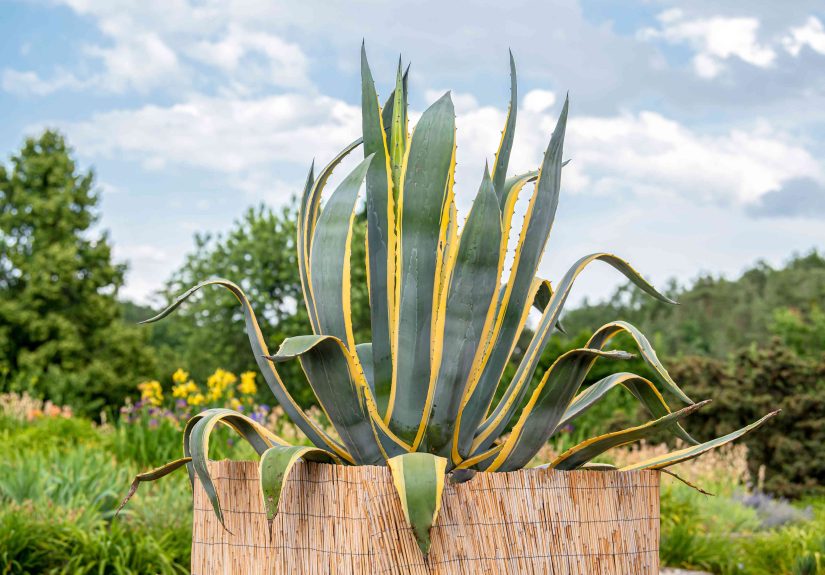
If you want a plant that looks like it was designed by an architect who only works in triangles, the century plant is ready for its close-up. Known botanically as Agave americana, this bold succulent is famous for its dramatic rosette of blue-green leaves, wicked spines, and a bloom stalk so tall it can make nearby shrubs feel professionally underachieving. Despite the name, it does not wait 100 years to flower. That bit is garden folklore with excellent branding. In reality, a century plant usually blooms after many years, then calls it a career.
The good news is that learning how to grow and care for the century plant is far easier than pronouncing “xeriscape” on the first try. Give it sun, fast drainage, and a watering schedule that leans heavily toward “leave it alone,” and this plant will reward you with striking structure and low-maintenance beauty. Here is everything you need to know to grow a healthy, handsome century plant without accidentally loving it to death.
What Is the Century Plant?
The century plant is a large agave native to arid regions of Mexico and the American Southwest. It is often called American aloe, but that nickname is misleading because it is not a true aloe. It forms a massive basal rosette of thick, fleshy leaves edged with sharp teeth and tipped with a stout terminal spine. Mature plants can become huge, which is wonderful if you want a dramatic focal point and less wonderful if you planted one beside the front walkway where everyone now passes in single file.
One of the most fascinating traits of Agave americana is that it is monocarpic. That means the main rosette flowers only once at the end of its life. When it finally blooms, it sends up a towering flower stalk loaded with branching clusters of yellowish blooms. After flowering, the main plant declines and dies, but it usually leaves behind offsets, often called pups, that continue the show.
Why Gardeners Love It
Century plant has real star power in the landscape. It works as a sculptural accent, a drought-tolerant specimen, a rock garden anchor, or a statement plant in desert-style designs. It also tolerates heat, dry air, and even some salt, which makes it a smart choice for warm climates and coastal settings. In plain English, it looks expensive, asks for very little, and keeps its cool when summer gets rude.
Best Growing Conditions for Century Plant
Light
Century plant thrives in full sun. Aim for at least six hours of direct sunlight a day. In very hot climates, it can still perform well with some afternoon shade, but too much shade leads to weaker growth, less compact form, and a plant that looks like it is stretching for better life choices. Indoors, place it in the brightest location you have, ideally near a south-facing window.
Soil
If there is one thing this plant absolutely refuses to negotiate on, it is drainage. Century plant needs fast-draining soil to avoid root rot. Sandy or gravelly soil is ideal outdoors. In heavier soils, plant it on a mound, berm, or raised bed to improve drainage. For containers, use a cactus or succulent mix, or amend potting soil with pumice, perlite, or coarse mineral material so water moves through quickly.
Temperature
Century plant prefers warm conditions and performs best outdoors in mild to hot climates. It can tolerate some cold, but prolonged wet cold is a bad combination. In areas with harsh winters, grow it in a container and move it to a protected space before freezing weather arrives. If your climate swings between cold nights and soggy soil, this plant will begin filing complaints immediately.
Space
This is not a tiny windowsill succulent pretending to be modest. A mature century plant can spread widely, so choose a site with room to grow. Keep it away from sidewalks, doorways, play areas, and anywhere people or pets might brush against the spiny leaves. It is a beautiful plant, but it believes in personal space.
How to Plant a Century Plant
Start with a sunny site and excellent drainage. Dig a hole just as deep as the root ball and slightly wider. Set the plant so the crown sits at or slightly above soil level. Backfill with native soil if drainage is already good, or use a gritty amendment strategy if your soil is dense and slow-draining. Water once after planting to settle the roots, then let the soil dry before watering again.
If you are planting in a container, choose a sturdy pot with drainage holes. Terra-cotta is a strong option because it allows extra moisture to evaporate. That can be especially helpful if you are the kind of gardener who sees a dry pot and reaches for the watering can like it is a fire extinguisher.
How to Water a Century Plant Without Overdoing It
The biggest mistake people make with century plant is overwatering. This succulent stores moisture in its leaves and handles drought far better than constant dampness. Water newly planted agaves more regularly while they establish, but once rooted in, reduce irrigation significantly.
A good rule of thumb is to water deeply, then wait until the soil dries out before watering again. In the ground, established plants may need only occasional deep watering during prolonged hot, dry weather. In containers, water more often than in-ground plants, but still let the mix dry between waterings. During winter, reduce watering even more. A century plant in cool, damp soil is basically a root rot waiting room.
Watch the plant for clues. Slight shriveling can mean it is thirsty. Mushy tissue, drooping leaves, or an overall collapsing look can mean too much water or rot. When in doubt, wait another day. This plant respects restraint.
Feeding and Routine Maintenance
Century plant is not a heavy feeder. Too much fertilizer can encourage weak, overly lush growth, which is not the goal with a drought-adapted succulent. If your soil is decent, it may not need fertilizer at all. In containers, a light feeding with a diluted cactus fertilizer in spring is more than enough.
Maintenance is refreshingly simple. Remove dead lower leaves if needed, using thick gloves, long sleeves, and eye protection. The spines are not decorative suggestions. They mean business. If the plant has produced pups and you want a cleaner look, you can remove some of them, though many gardeners leave a few in place to create a natural colony.
Growing Century Plant in Containers
Container growing is a smart move in cooler climates or anywhere soil drainage is questionable. The main challenge is size. Agave americana eventually becomes large and heavy, so start with a pot that is sturdy and wide enough for stability, but not so oversized that wet soil lingers around the roots for ages.
Use a very fast-draining mix, keep the container in full sun, and rotate it occasionally for even growth. Repot only when necessary because the plant does not need frequent disturbance. If you summer it outdoors, acclimate it gradually to stronger sunlight so the leaves do not scorch. Before frost, move it indoors or into a protected bright space.
How to Propagate Century Plant
Offsets or Pups
This is the easiest and most reliable method. Mature plants produce offsets around the base. Wait until a pup has developed some size and, ideally, a few roots of its own. Then use a clean, sharp tool to separate it from the parent. Let the cut area dry and callus briefly if needed, then pot it into a gritty mix or replant it in a sunny, well-drained spot.
Seeds
Century plant can also be grown from seed, though that takes patience and is less common for home gardeners. Most people prefer pups because they are faster, easier, and give you a head start on that bold agave look.
Common Problems and How to Fix Them
Root Rot
Root rot is the number one enemy of a century plant that has been watered too often or planted in poorly drained soil. Symptoms include soft leaves, collapsing tissue, and a generally unhappy appearance. Prevention is the real cure: sun, drainage, and watering discipline.
Agave Snout Weevil
This pest is a serious concern in some regions. Infested plants may suddenly wilt, wrinkle, or collapse as larvae damage the crown and associated decay sets in. Good cultural care helps reduce risk. Avoid crowding, poor drainage, and frequent irrigation. If a plant is heavily infested, removal is often the best option to protect nearby agaves.
Cold Damage
Cold injury may show up as water-soaked spots, tissue collapse, or discolored leaves after freezing weather. Protect plants during cold snaps with breathable covers rather than plastic pressed against the foliage. Container plants can simply be moved to safety, which is one of the great perks of pot culture.
Sun Stress After a Sudden Move
Yes, a sun-loving plant can still get stressed if it goes from indoor light or shade straight into harsh full sun. Acclimate slowly over several days to prevent bleaching or scorch.
Will a Century Plant Really Take a Century to Bloom?
Nope. The name is dramatic, not literal. Most century plants bloom after roughly 10 to 25 years outdoors, depending on conditions. Indoor plants rarely flower. When blooming time arrives, the central stalk rises quickly and can become spectacularly tall. The flowers attract pollinators, and the whole event is one of the great garden spectacles. Then the mother rosette declines. It sounds tragic, but it is really more of a grand finale with backup dancers, since the pups are usually waiting at the base to take over.
Safety Tips for Growing Century Plant
Century plant is gorgeous, but it is not cuddly. The leaf tips and margins are sharp enough to cause injury, so always handle with gloves and care. The sap can also irritate skin and may cause dermatitis in some people. Keep the plant away from high-traffic areas, and be cautious around children and pets. If you are pruning or dividing pups, dress like the plant has a grudge. Because honestly, it might.
Landscape Ideas for Century Plant
Use century plant as a focal point in gravel gardens, desert landscapes, modern minimalist beds, or slopes that need drought-tolerant structure. Pair it with softer companions to balance its strong form, such as ornamental grasses, low mounding succulents, or heat-loving perennials with airy texture. It also looks excellent near stone, gravel mulch, and architectural hardscaping where its bold geometry really pops.
Just remember scale. This plant may start as a stylish accent and end up as the entire mood board.
Common Grower Experiences With Century Plant
One of the most common experiences gardeners have with a century plant is underestimating it. At first, it looks like a neat, sculptural succulent with excellent manners. You plant it, admire it, and think, “Perfect. That little beauty will stay right there and behave.” A few years later, it has expanded into a commanding blue-green rosette with spines at eye level and a personality that says, “I live here now.” This is not a flaw. It is part of the charm. Growing a century plant is often an exercise in learning to respect a plant that was never interested in being subtle.
Another very relatable experience is discovering that drought-tolerant does not mean zero-attention forever. Gardeners often notice that the healthiest century plants are the ones that were given the right start: sunshine, sharp drainage, and enough room to spread without starting neighborhood disputes. People who struggle with them usually have a familiar story. The plant was tucked into rich, moisture-retentive soil, watered like a hydrangea, or squeezed beside a path where every sharp tip became a small ambush. Once the location is corrected, the plant often improves dramatically.
Container growers have their own version of the century plant journey. It usually begins with admiration and a stylish pot. Then comes the realization that this agave grows larger, heavier, and more opinionated every year. At some point, moving it indoors for winter becomes less of a gardening task and more of a full-body event. Many gardeners eventually switch to wheeled plant stands, recruit a helpful friend, or start muttering sincerely about “working smarter, not harder.” The plant, naturally, remains unbothered.
There is also the strangely emotional experience of waiting for the bloom. Since century plants take many years to flower, gardeners often develop a long relationship with them. The plant becomes part of the landscape’s identity. So when the bloom stalk finally appears, it feels like a major event. People photograph it daily. Neighbors stop by. Family members who never cared about succulents suddenly become amateur agave correspondents. The flower spike seems to grow overnight, and it turns the plant into a local celebrity for a season.
Then comes the bittersweet part. After blooming, the main rosette declines, and gardeners who did not know about the plant’s life cycle can be caught off guard. But experienced growers usually see it differently. They know the dying rosette is not a gardening failure. It is the natural last act of a monocarpic plant. By that point, there are often pups at the base, ready to continue the story. Many gardeners actually find that reassuring. The original plant may be fading, but its replacements are already in the wings.
Perhaps the most honest experience of all is this: century plant teaches patience better than most ornamentals ever could. It does not reward fussing. It does not appreciate constant interference. It thrives when the gardener learns to provide the basics and then step back. In a world full of high-maintenance plants demanding deadheading, feeding schedules, and emotional support, the century plant offers a different relationship. Give it sun, drainage, and respect, and it will handle the rest with glorious, spiky confidence.
Final Thoughts
If you want a striking succulent that brings structure, drama, and drought tolerance to the garden, the century plant is hard to beat. It asks for bright sun, excellent drainage, infrequent watering, and enough room to show off. In return, it gives you sculptural foliage, long-term performance, and one unforgettable bloom cycle when maturity finally arrives. Treat it less like a thirsty bedding plant and more like a desert sculpture with attitude, and you will be well on your way to success.