Table of Contents >> Show >> Hide
- What Are Portulaca Flowers?
- Why Portulaca Is Great for Beginners
- Best Growing Conditions for Portulaca Flowers
- How to Plant Portulaca Flowers
- How to Water Portulaca Flowers
- Fertilizing Portulaca: Less Is More
- How to Keep Portulaca Blooming
- Growing Portulaca in Containers and Hanging Baskets
- Common Portulaca Problems and How to Fix Them
- Is Portulaca Safe for Pets?
- Best Places to Use Portulaca in the Landscape
- Beginner Care Calendar for Portulaca
- My Beginner-Friendly Experience Tips for Growing Portulaca
- Conclusion
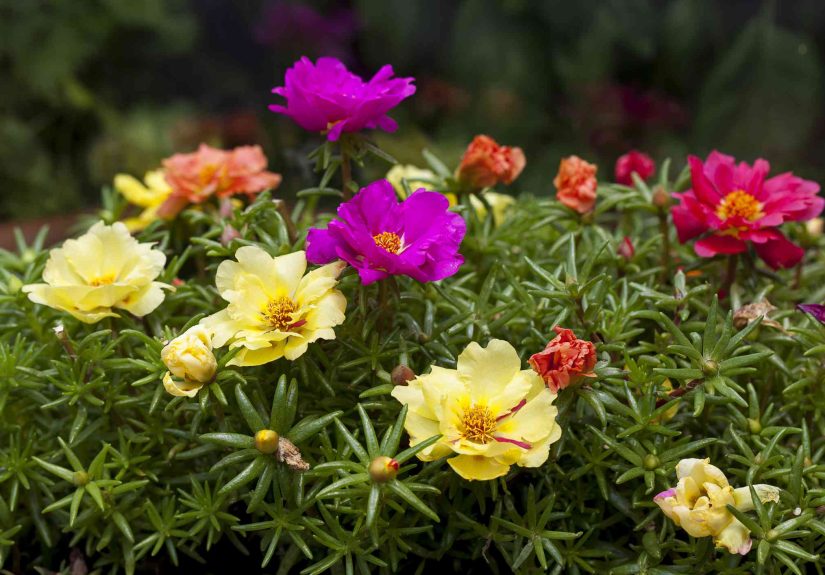
Portulaca flowers are the garden’s version of that friend who shows up cheerful, colorful, and completely unbothered by 95-degree weather. Also called moss rose, sun rose, or sometimes confused with ornamental purslane, portulaca is a low-growing annual succulent known for bright, rose-like blooms and fleshy leaves that store water like tiny green canteens.
If you are a beginner gardener, portulaca is one of the most forgiving flowers you can grow. It loves heat, tolerates drought, performs beautifully in poor soil, and asks for very little fuss. In fact, the most common way to annoy portulaca is to love it too much with constant watering, rich fertilizer, and shade. This plant is not looking for spa treatment. It wants sunshine, drainage, and personal space.
In this guide, you will learn how to grow and care for portulaca flowers from seed or nursery plants, where to plant them, how often to water, how to encourage more blooms, and how to avoid common beginner mistakes. By the end, you may look at that hot, dry corner of your yard and think, “Finally, a flower that actually wants to live there.”
What Are Portulaca Flowers?
Portulaca flowers belong to the Portulacaceae family and are usually grown as warm-season annuals in the United States. The most popular ornamental type is Portulaca grandiflora, commonly called moss rose. These plants typically grow low to the ground, spreading outward rather than stretching tall. Depending on the variety, they may reach about 4 to 9 inches tall and spread 6 to 18 inches wide or more.
The flowers can be single, semi-double, or double, with colors including pink, coral, red, orange, yellow, white, cream, and bicolor blends. Many blooms open in bright sun and close at night or during cloudy weather. So, if your plant looks like it is taking a nap on a rainy day, do not panic. Portulaca is simply dramatic about lighting.
Because of its trailing habit and heat tolerance, portulaca works well in rock gardens, sidewalk edges, hanging baskets, window boxes, containers, borders, and dry slopes. It is especially useful where other annual flowers faint like Victorian poets in midsummer heat.
Why Portulaca Is Great for Beginners
Portulaca is beginner-friendly because it does not demand perfect garden conditions. Many flowering plants need rich soil, steady moisture, careful feeding, and constant grooming. Portulaca prefers a simpler life. Give it full sun and well-drained soil, and it will often reward you with months of color.
Beginner Benefits of Growing Portulaca
- Heat tolerant: Portulaca thrives in hot summer conditions.
- Drought tolerant: Its succulent leaves help store water.
- Low maintenance: It rarely needs pruning or heavy fertilizing.
- Container friendly: It grows beautifully in pots, baskets, and railing planters.
- Colorful: One small planting can create a bright carpet of blooms.
- Good for poor soil: It can grow where many fussier annuals struggle.
For new gardeners, this combination is gold. Portulaca does not punish you for missing a watering day. In fact, it may quietly thank you.
Best Growing Conditions for Portulaca Flowers
To grow portulaca successfully, remember this simple formula: sun, drainage, warmth, and restraint. If you can provide those four things, you are already most of the way there.
Light: Give Portulaca Full Sun
Portulaca needs full sun to bloom well. Aim for at least 6 to 8 hours of direct sunlight per day. Morning sun is helpful, but strong midday and afternoon sun are especially valuable for encouraging those cheerful flowers to open fully.
In too much shade, portulaca may grow weak, stretch out, and produce fewer flowers. The blooms may also stay closed or open only halfway. If your plant looks healthy but refuses to flower, the first suspect is usually not fertilizer, soil, or garden gossip. It is probably not getting enough sun.
Soil: Choose Fast-Draining Ground
Portulaca prefers sandy, gravelly, rocky, or lean soil that drains quickly. It does not enjoy sitting in wet, heavy clay. If your garden soil holds water after rain, amend it with coarse sand, fine gravel, perlite, or compost to improve drainage. Raised beds and containers are also excellent options.
Do not worry if your soil is not rich. Portulaca often performs better in average or poor soil than in overly fertile ground. Too much richness can encourage leafy growth at the expense of flowers. In plain English: if you feed it like a tomato plant, it may act like a salad.
Temperature: Wait Until the Weather Warms
Portulaca is a warm-season annual and is not frost tolerant. Plant it outdoors after all danger of frost has passed and the soil has warmed. If you plant too early in cold, damp soil, the seedlings may sulk, rot, or fail to grow.
For most gardeners, late spring is the right time to plant. In hot southern climates, portulaca can bloom for a long season. In cooler regions, it usually shines from early summer until frost.
How to Plant Portulaca Flowers
You can grow portulaca from seeds, nursery transplants, or stem cuttings. Beginners often find nursery plants easiest, but seeds are affordable and fun if you want more plants for less money.
Growing Portulaca from Seeds
Portulaca seeds are tiny, so handle them gently. You can start seeds indoors about 6 to 8 weeks before your last expected frost or sow them directly outdoors after the weather warms.
- Fill a seed tray or small pot with a light, well-draining seed-starting mix.
- Sprinkle the seeds on the surface.
- Cover them very lightly, or barely press them into the soil.
- Mist gently so the seeds are not washed away.
- Keep the mix lightly moist, not soggy.
- Place the tray in a warm, bright location.
- Move seedlings outdoors only after frost danger has passed.
Because portulaca does not love being transplanted roughly, handle seedlings carefully. Think of them as tiny garden celebrities: no squeezing, no tossing, no dramatic root disturbance.
Planting Nursery Portulaca
If you buy portulaca from a garden center, choose compact plants with healthy foliage and plenty of buds. Avoid plants that look mushy, yellow, or stretched.
To plant them, dig a hole about the same depth as the nursery pot. Place the plant in the hole, backfill with soil, and gently firm it in place. Water once after planting to settle the soil. After that, allow the soil to dry before watering again.
Spacing Portulaca Plants
Space portulaca plants about 6 to 12 inches apart, depending on the variety and how quickly you want them to fill in. For containers, you can plant them slightly closer for a fuller look, but make sure the pot has drainage holes. Portulaca in a pot without drainage is not a design choice; it is a tiny swamp with flowers.
How to Water Portulaca Flowers
Watering is where beginners most often go wrong. Portulaca is drought tolerant, but that does not mean it should never be watered. It means the plant prefers the soil to dry between waterings and dislikes soggy conditions.
Watering Portulaca in the Ground
For garden beds, water newly planted portulaca until it becomes established. Once it starts growing strongly, water only when the soil is dry and the weather has been hot for several days. In many climates, rainfall may provide enough moisture after establishment.
During long dry spells, a deep watering once a week is better than daily sprinkles. Shallow watering encourages weak roots and keeps the surface damp, which can invite disease.
Watering Portulaca in Containers
Container-grown portulaca dries out faster than plants in the ground, especially in hanging baskets and small pots. Check the soil with your finger. If the top inch or two feels dry, water thoroughly until water drains from the bottom. Then wait until it dries again before repeating.
Do not leave pots sitting in saucers full of water. Portulaca has succulent leaves, but it does not want its feet in a bathtub.
Fertilizing Portulaca: Less Is More
Portulaca does not need much fertilizer. In many garden beds, it can grow and bloom without extra feeding. If your soil is extremely poor, mix in a small amount of compost before planting. For containers, use a light potting mix and apply a diluted balanced fertilizer only occasionally.
Avoid heavy nitrogen fertilizer. Nitrogen encourages leafy growth, and while green leaves are nice, you are probably growing portulaca for flowers, not a miniature spinach impersonation.
How to Keep Portulaca Blooming
Portulaca can bloom from late spring or early summer through fall, depending on your climate. To keep the show going, focus on sunlight, drainage, and light grooming.
Give It Enough Sun
The number one bloom booster is direct sun. If your portulaca is not flowering, move containers to a sunnier spot or trim nearby plants that may be casting shade.
Avoid Overwatering
Wet soil can reduce flowering and lead to root problems. Let the soil dry between waterings. If leaves become limp and the soil is dry, water. If leaves are yellowing and the soil is wet, step away from the watering can.
Deadhead When Needed
Many modern portulaca varieties are self-cleaning, meaning old flowers drop without much help. However, removing spent blooms can keep plants tidier and may reduce unwanted self-seeding. If the plant becomes leggy in late summer, trim it lightly to encourage fresh growth.
Growing Portulaca in Containers and Hanging Baskets
Portulaca is fantastic in containers because it spills over the edges with bright, cheerful blooms. Use a pot with drainage holes and fill it with a fast-draining potting mix. A cactus or succulent mix can work well, or you can improve regular potting mix with perlite or coarse sand.
For a stunning container, plant portulaca with other sun-loving, drought-tolerant annuals such as lantana, verbena, gomphrena, or ornamental grasses. Avoid pairing it with thirsty plants like impatiens or caladiums, because their watering needs are completely different. That combination is like asking a camel and a goldfish to share an apartment.
Common Portulaca Problems and How to Fix Them
Portulaca is generally tough, but even tough plants can run into trouble if conditions are wrong. Most problems come from too much water, too little sun, or poor airflow.
Problem: Portulaca Is Not Blooming
Likely causes: Too much shade, too much fertilizer, or cloudy weather.
Fix: Move the plant to full sun, stop heavy feeding, and be patient after rainy stretches. Flowers often reopen when bright sunlight returns.
Problem: Leaves Are Yellow or Mushy
Likely causes: Overwatering or poorly drained soil.
Fix: Let the soil dry out. If planted in heavy clay, move portulaca to a raised bed, slope, rock garden, or container with better drainage.
Problem: Plants Look Leggy
Likely causes: Not enough sun or natural aging later in the season.
Fix: Provide more light and trim back long stems lightly. New growth often fills in quickly during warm weather.
Problem: Aphids or Mealybugs Appear
Likely causes: Warm weather and crowded growth can attract pests.
Fix: Rinse pests off with a gentle spray of water or use insecticidal soap according to label directions. Avoid harsh treatment during the hottest part of the day.
Is Portulaca Safe for Pets?
Portulaca can be toxic to dogs, cats, and horses if eaten. If you have curious pets that nibble plants, grow portulaca in hanging baskets, raised containers, or areas pets cannot access. If you suspect a pet has eaten portulaca and shows signs of illness, contact a veterinarian or animal poison control service promptly.
Best Places to Use Portulaca in the Landscape
Portulaca is more versatile than many beginners expect. Because it stays low and handles heat well, it is especially useful in spots where other flowers struggle.
Rock Gardens
Portulaca looks natural tucked between stones, where its bright flowers soften hard edges. The quick drainage of rock gardens also suits its roots.
Sidewalk Borders
Hot pavement can create brutal growing conditions, but portulaca often handles sidewalk heat beautifully. Use it as a colorful edging plant along walkways or driveways.
Hanging Baskets
Trailing varieties spill attractively over basket edges. Just remember that baskets dry quickly, so check them more often during hot weather.
Dry Slopes
Because portulaca spreads low and tolerates dry conditions, it can help brighten slopes where irrigation is difficult.
Beginner Care Calendar for Portulaca
Spring
Start seeds indoors 6 to 8 weeks before the last frost, or wait to buy nursery plants. Prepare a sunny location with well-drained soil. Do not plant outdoors until frost danger has passed.
Early Summer
Plant portulaca in full sun. Water after planting, then reduce watering as plants become established. Watch for early blooms and adjust containers to the brightest location available.
Mid to Late Summer
Water during extended dry spells. Trim leggy stems if needed. Avoid overfertilizing. Enjoy the color while other plants file formal complaints about the heat.
Fall
Portulaca usually continues blooming until frost. In mild climates, it may self-seed. In colder regions, remove frost-damaged plants and save seeds if desired.
My Beginner-Friendly Experience Tips for Growing Portulaca
If I were helping a beginner plant portulaca for the first time, I would start with containers before moving to a large garden bed. Containers teach you the plant’s rhythm quickly. You can see how fast the soil dries, how the blooms respond to sun, and how the stems trail over the edge. A shallow, wide pot on a sunny patio is almost perfect. Add a fast-draining mix, plant several colors together, and you will get a cheerful little flower festival without needing a landscape design degree.
One practical experience: do not judge portulaca too early in the morning or on cloudy days. Many varieties open their flowers when the sun is strong. A beginner might walk outside at 7 a.m., see closed blooms, and assume something terrible has happened. Usually, nothing is wrong. The plant is just waiting for better lighting, like a celebrity refusing photos before makeup.
Another helpful lesson is to water based on soil, not emotion. New gardeners often water because the weather is hot or because they feel responsible. With portulaca, responsibility means checking first. Touch the soil. If it is still damp, leave it alone. If it is dry and the plant looks thirsty, water deeply. This habit will save you from the classic beginner mistake of turning a drought-loving flower into soup.
For garden beds, I like using portulaca where the soil is naturally lean or sandy. Instead of fighting the site, let the plant do what it does best. A hot strip along a driveway, the edge of a sidewalk, or a sunny rock border can become a bright ribbon of color. If you have heavy clay, do not force portulaca into it without improvement. Build a small raised mound, mix in gritty material, or use containers. Drainage is not a tiny detail with this plant. It is the whole contract.
Color planning is another fun beginner trick. Portulaca can look playful and wild when mixed randomly, which is perfect for cottage gardens and casual patios. But if you want a cleaner design, choose two or three colors. For example, hot pink, orange, and yellow create a tropical look. White and soft pink feel calmer. Red and gold look bold near stone or terracotta pots. Because portulaca is low-growing, even bright colors rarely overwhelm the garden.
One more experience-based tip: do not panic if older stems get a little tired by late summer. Many annuals slow down after weeks of heat. Trim the plant lightly, remove messy growth, and give it a careful watering if the soil is dry. In warm weather, portulaca often responds with fresh growth and more flowers. Think of it as a haircut, not a funeral.
Finally, remember that beginner gardening should not feel like taking a final exam in mud. Portulaca is a wonderful confidence-building plant because it rewards simple care. Give it sun. Give it drainage. Water with common sense. Skip the heavy fertilizer. Protect pets from nibbling it. That is the whole magic trick. Once you see those bright little blooms opening in the heat, you may start looking for more sunny places to plant them. This is how gardeners are made: one easy flower, one happy mistake, and one suspiciously large collection of pots at a time.
Conclusion
Portulaca flowers are ideal for beginners because they are colorful, resilient, and refreshingly low maintenance. They thrive in full sun, prefer well-drained soil, and tolerate heat better than many common annuals. Whether you grow them from seed, plant nursery starts, or tuck them into hanging baskets, portulaca can bring months of bright summer blooms with very little drama.
The main rule is simple: do not overcomplicate portulaca care. Avoid soggy soil, avoid too much shade, and avoid heavy fertilizer. With the right location and a light touch, this cheerful plant will do what it does bestturn hot, dry spaces into carpets of color.
Note: This HTML article is written for web publishing and includes only body-ready content, with SEO metadata placed at the end in JSON format as requested.