Table of Contents >> Show >> Hide
- Before You Start: Know What Kind of Wood You Are Cleaning
- Essential Supplies for Removing Stickers from Wood
- How to Get Stickers off Wood: 10 Easy Solutions
- 1. Use a Hair Dryer to Loosen the Adhesive
- 2. Try Warm Soapy Water on Sealed Wood
- 3. Lift Residue with White Vinegar
- 4. Use Cooking Oil for Sticky Residue
- 5. Make a Baking Soda and Oil Paste
- 6. Try Peanut Butter or Mayonnaise for a Household Hack
- 7. Rub It Away with a Rubber Eraser
- 8. Use a Plastic Scraper or Old Credit Card
- 9. Use a Commercial Adhesive Remover on Finished Wood
- 10. Lightly Sand Unfinished Wood as a Last Resort
- What Not to Use on Wood Sticker Residue
- How to Remove Sticker Residue from Different Wood Items
- Step-by-Step Quick Method for Most Finished Wood
- How to Prevent Sticker Residue on Wood in the Future
- Real-Life Experience: What Actually Works Best
- Conclusion
Stickers on wood have a sneaky way of turning from “cute little label” into “tiny adhesive villain.” One day it is a price tag on a thrifted coffee table, a label on a wooden storage box, or a child’s proud dinosaur sticker on your dresser. The next day, it is a gummy, dusty, grayish patch that seems emotionally attached to the surface.
The good news: learning how to get stickers off wood does not require panic, power tools, or dramatic music. Most sticker residue can be removed with common household items like a hair dryer, dish soap, white vinegar, cooking oil, baking soda, a rubber eraser, or a plastic scraper. The trick is choosing the right method for the type of wood and finish.
Finished wood, painted wood, varnished furniture, hardwood floors, unfinished wood, and antique pieces all need slightly different care. A method that works beautifully on sealed wood may stain raw wood. A solvent that melts adhesive quickly may also dull a glossy finish if you go in too boldly. So before you wage war on that sticker, take a breath, grab a soft cloth, and remember the golden rule: always test first in a hidden spot.
Before You Start: Know What Kind of Wood You Are Cleaning
Not all wood surfaces behave the same way. A sealed dining table can usually handle a damp cloth. Raw pine? Not so much. Painted wood may tolerate mild soap but dislike alcohol. A vintage dresser may have a delicate finish that reacts badly to strong solvents. In short, wood has boundaries, and it would like you to respect them.
Finished or sealed wood
Finished wood has a protective coating such as polyurethane, varnish, lacquer, shellac, paint, or stain with a topcoat. This surface is usually easier to clean because the adhesive sits on top of the finish rather than soaking into the grain. However, harsh solvents can still dull, soften, or discolor the finish.
Unfinished wood
Unfinished wood is more absorbent. Oils, water, vinegar, and commercial removers may sink in and leave stains. For raw wood, dry methods such as gentle scraping, a rubber eraser, or very light sanding are often safer.
Antique or valuable wood
If the item is expensive, sentimental, or antique, keep things conservative. Heat, mild soap, and patience are your friends. Strong solvents should be your last resort, and professional help may be worth it if the finish is fragile.
Essential Supplies for Removing Stickers from Wood
You do not need a full cleaning laboratory. Start with a few gentle basics:
- Hair dryer
- Microfiber cloths
- Plastic scraper, old credit card, or plastic putty knife
- Mild dish soap
- Warm water
- White vinegar
- Cooking oil or mineral oil
- Baking soda
- Rubber eraser
- Commercial adhesive remover made for finished wood
- Fine-grit sandpaper for unfinished wood only
Avoid metal scrapers, steel wool, and aggressive abrasive pads unless you are intentionally refinishing the piece. They can scratch faster than you can say, “Well, that escalated.”
How to Get Stickers off Wood: 10 Easy Solutions
The best method depends on the surface, the age of the sticker, and how stubborn the adhesive has become. Start with the gentlest solution and move up only if needed.
1. Use a Hair Dryer to Loosen the Adhesive
Heat is one of the safest first steps for removing stickers from wood. A hair dryer softens the glue, making the sticker easier to peel without tearing into confetti. This works especially well on price tags, labels, decals, and stickers that are still mostly intact.
Set the hair dryer to low or medium heat. Hold it a few inches from the sticker and warm the area for about 20 to 30 seconds. Then lift one corner with your fingernail or a plastic scraper. Pull slowly at a low angle instead of yanking upward. If the sticker resists, warm it again and continue peeling.
This method is ideal for finished wood furniture, shelves, cabinets, and painted wood. Be careful with lacquered or delicate antique finishes, because too much heat can soften certain coatings. Keep the dryer moving and do not park it in one spot like it is sunbathing.
2. Try Warm Soapy Water on Sealed Wood
For sealed wood, warm water and mild dish soap can help soften paper stickers and loosen light adhesive. Mix a few drops of dish soap into warm water. Dip a microfiber cloth into the mixture, wring it out well, and press it over the sticker for a few minutes.
The cloth should be damp, not dripping. Wood and excess water are not best friends, especially around seams, veneer, and flooring. After the sticker softens, gently rub or scrape it with a plastic card. Wipe the area with a clean damp cloth and dry it immediately.
This is a good option for kitchen cabinets, sealed wooden toys, finished desks, and painted storage boxes. Avoid soaking unfinished wood, particleboard, or veneer edges, which can swell or warp when exposed to too much moisture.
3. Lift Residue with White Vinegar
White vinegar can help break down sticky residue, especially when the glue is thin and tacky. It is a popular household solution because it is inexpensive, easy to find, and less intense than many commercial solvents.
To use it, dampen a cloth or cotton pad with white vinegar and place it over the sticky area for five to ten minutes. Then rub gently with the grain of the wood. If needed, use a plastic scraper to lift loosened residue. Wipe with a mild soapy cloth afterward, then dry the surface.
Vinegar is best for sealed or painted wood after a spot test. Do not use it heavily on unfinished wood, waxed wood, or delicate finishes. Its acidity can affect some coatings, so this is not the moment to pour vinegar like you are dressing a salad.
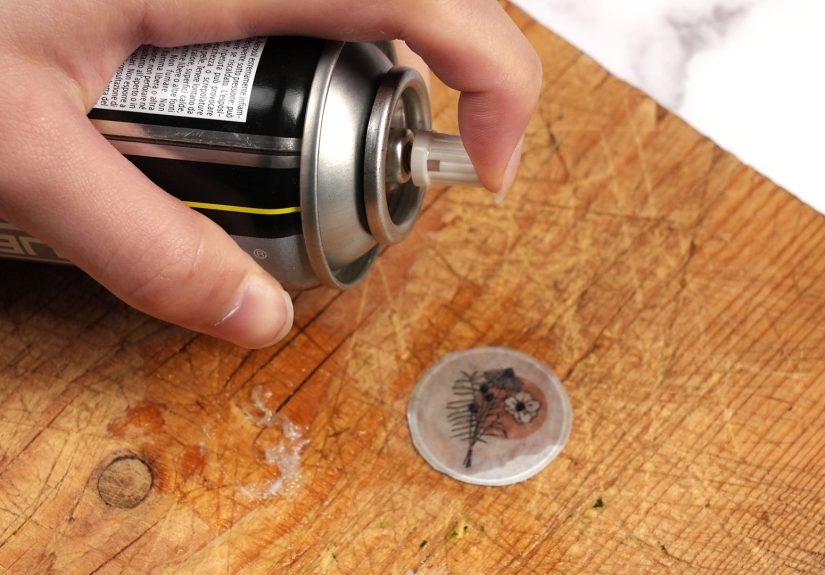
4. Use Cooking Oil for Sticky Residue
Cooking oil can soften adhesive by loosening the bond between the glue and the surface. Olive oil, vegetable oil, coconut oil, or canola oil may work. Apply a small amount to a cloth and dab it onto the sticker residue. Let it sit for 10 to 15 minutes, then rub gently.
Oil is useful for stubborn glue left behind after the paper part of the sticker has been removed. It works best on sealed wood because the finish helps prevent the oil from soaking into the grain.
Use caution on unfinished wood, light-colored wood, or porous surfaces. Oil may darken raw wood or leave a shadow. If you use oil on finished furniture, clean the area afterward with a mild soap solution and dry it well.
5. Make a Baking Soda and Oil Paste
For sticker residue that laughs at plain oil, mix baking soda with a small amount of cooking oil to make a soft paste. The oil helps loosen the adhesive, while baking soda adds gentle scrubbing power.
Use about one tablespoon of baking soda with enough oil to form a spreadable paste. Apply it to the sticky spot and let it sit for several minutes. Rub lightly with a soft cloth, moving with the wood grain. Wipe away the paste with a damp soapy cloth, then dry the area.
This method can be effective on sealed wood surfaces, but do not scrub aggressively. Baking soda is mild, but it is still slightly abrasive. On glossy or dark finishes, too much pressure may leave a dull patch. Think “gentle polish,” not “cleaning the deck of a pirate ship.”
6. Try Peanut Butter or Mayonnaise for a Household Hack
Peanut butter and mayonnaise sound like lunch, but they can also help loosen sticker glue because they contain oils. Spread a thin layer over the residue, wait 10 to 15 minutes, and then wipe it away with a soft cloth.
This trick is best for small sticky patches on sealed wood. Creamy peanut butter is easier to manage than crunchy, unless you want your table to smell like a sandwich and exfoliate itself at the same time.
After using food-based methods, clean the area thoroughly with mild soap and water. Oils can attract dust if left behind. Avoid this method on unfinished wood, porous wood, or any surface where staining would be a problem.
7. Rub It Away with a Rubber Eraser
A plain rubber eraser can work surprisingly well on sticker residue, especially on unfinished wood or small areas where liquid cleaners feel risky. Rub the eraser over the sticky patch using light pressure. The adhesive may ball up and lift away.
This method is slow but controlled, which makes it great for raw wood, craft wood, drawer interiors, and small labels. Brush away the eraser crumbs as you go so they do not grind back into the surface.
Choose a clean white eraser if possible. Colored erasers may leave marks on pale wood. Avoid pressing too hard on soft woods like pine, which can dent.
8. Use a Plastic Scraper or Old Credit Card
Sometimes the sticker needs a little mechanical encouragement. A plastic scraper, old credit card, or plastic putty knife can lift loosened sticker edges without scratching as easily as metal.
For best results, combine this method with heat. Warm the sticker with a hair dryer, then slide the plastic edge under one corner. Push slowly and keep the scraper flat against the surface. If you hit resistance, stop and apply more heat or a little mild cleaner.
Never dig into the wood. The goal is to slide under the adhesive, not excavate a tiny archaeological site. This method works well on finished wood furniture, shelves, wooden boxes, and cabinet doors.
9. Use a Commercial Adhesive Remover on Finished Wood
Commercial adhesive removers can be helpful when household methods fail. Many citrus-based products are designed to break down sticky residue from labels, tape, decals, and glue. Some are labeled safe for finished wood when used as directed.
Read the label carefully. Apply a small amount to an inconspicuous area first. If the finish mars, dulls, fades, or softens, do not continue. If the test area looks fine, apply the remover to the sticker residue, wait according to the product directions, wipe with a clean cloth, and then wash the area with mild soap and water.
Do not use adhesive remover on unfinished wood unless the label specifically says it is safe for that surface. Many products can soak in and stain raw wood. Also avoid using strong products near food-prep surfaces unless you can clean the area thoroughly afterward.
10. Lightly Sand Unfinished Wood as a Last Resort
If the sticker is on unfinished wood and the residue will not budge, light sanding may be the cleanest solution. Use fine-grit sandpaper, such as 220 grit, and sand gently with the grain. Remove only the sticky layer, not half the board.
After sanding, wipe away dust with a dry microfiber cloth. If the wood will be stained or sealed later, make sure the surface is smooth and residue-free before finishing.
This method is not recommended for finished furniture unless you plan to refinish the area. Sanding a sealed surface can remove the protective coating and create a visible patch. Use it for raw wood, craft projects, workbench surfaces, or pieces already headed for refinishing.
What Not to Use on Wood Sticker Residue
When sticker residue is being stubborn, it is tempting to grab the strongest thing under the sink. Resist. Wood can be surprisingly easy to damage.
Metal blades
Razor blades and metal scrapers can gouge wood and scratch finishes. They may work on glass, but wood is softer and less forgiving.
Too much water
Excess water can swell, warp, or stain wood. Use damp cloths, not puddles.
Acetone on finished wood
Acetone can dissolve or dull many finishes. It may be useful in certain woodworking situations, but for household furniture it is risky and should not be your first choice.
Rubbing alcohol on delicate finishes
Rubbing alcohol can remove some adhesives, but it can also damage shellac, dull finishes, or affect painted surfaces. If you use it at all, test first and use very little.
Magic erasers on glossy wood
Melamine sponges act like very fine abrasives. They may remove residue, but they can also dull a shiny finish. Use caution and avoid aggressive scrubbing.
How to Remove Sticker Residue from Different Wood Items
Wood furniture
Start with heat from a hair dryer and a plastic scraper. If residue remains, try a tiny amount of oil or a finished-wood-safe adhesive remover. Clean and dry the area afterward.
Hardwood floors
Use a hair dryer, plastic scraper, and a barely damp soapy cloth. Avoid soaking the floor. If using a commercial remover, confirm it is safe for your floor finish and wipe it completely clean.
Painted wood
Use mild soap, heat, or a gentle vinegar compress after testing. Avoid alcohol and acetone, which may affect paint.
Wooden toys
Use the mildest methods possible, such as heat, soap, or a rubber eraser. If the toy may go into a child’s mouth, avoid chemical residues and clean thoroughly.
Unfinished wood crafts
Try a rubber eraser, plastic scraper, or light sanding. Avoid oils and wet methods unless you are prepared for possible discoloration.
Step-by-Step Quick Method for Most Finished Wood
If you want a simple starter plan, use this sequence:
- Peel away as much of the sticker as possible by hand.
- Warm the sticker with a hair dryer for 20 to 30 seconds.
- Lift the edge with a plastic scraper or old credit card.
- Wipe remaining residue with a damp soapy cloth.
- If glue remains, apply a small amount of oil or adhesive remover after spot testing.
- Clean with mild soap and water.
- Dry immediately with a soft cloth.
This gentle progression prevents you from jumping straight to harsh products. Most sticker problems are solved before step five. The sticker may act tough, but deep down, it is usually just glue with commitment issues.
How to Prevent Sticker Residue on Wood in the Future
The easiest sticker residue to remove is the one that never gets stuck in the first place. If you are labeling wooden bins, shelves, or drawers, use removable labels designed for furniture or painter’s tape with a paper tag. For kids’ rooms, consider putting stickers on a removable board, magnet sheet, or framed poster instead of directly on furniture.
When buying new wooden items, remove price tags as soon as possible. The longer adhesive sits, the harder it can become. Heat, sunlight, dust, and time can turn a simple label into a crusty little problem with a retirement plan.
If you sell handmade wooden products, choose low-tack labels or attach tags with string instead of sticking labels directly to the wood. Your customers will appreciate not having to perform a mini rescue mission before using the item.
Real-Life Experience: What Actually Works Best
In real homes, sticker removal rarely happens under perfect conditions. You are not standing in a spotless workshop wearing safety goggles while a calm narrator explains the process. More likely, you are holding a hair dryer in one hand, a suspiciously sticky wooden box in the other, and wondering why a label the size of a postage stamp has chosen violence.
From practical experience, the hair dryer method is usually the best first move. It is clean, fast, and does not introduce moisture or oil right away. On a finished wooden desk, for example, warming the sticker for half a minute often lets you peel it off in one piece. The key is patience. If you pull too fast, the paper layer tears and leaves the adhesive behind. If you warm, lift, warm again, and peel slowly, you have a much better chance of success.
For sticky residue left after the paper is gone, a small amount of cooking oil can be surprisingly effective on sealed wood. The mistake many people make is using too much. A puddle of oil is not better than a dab. Apply a little to a cloth, rub the residue, wait a few minutes, and wipe. Then clean the surface with mild dish soap so the wood does not stay greasy. Otherwise, dust will move in like it signed a lease.
On unfinished wood, liquid methods are more nerve-racking. A rubber eraser is often the quiet hero here. It takes longer, but it gives you control. For craft wood, drawer interiors, or raw wooden crates, rubbing with a clean eraser can lift gummy bits without staining the grain. If the residue is old and hardened, very light sanding with fine-grit sandpaper may be the most practical solution. Just sand evenly and with the grain so you do not create a bright, obvious patch.
Commercial adhesive removers are useful, but they are not magic permission slips to skip caution. They work best on sealed surfaces and should always be tested first. The most common problem is not that the remover fails to dissolve the glue; it is that the user leaves it on too long or forgets to wash the area afterward. Follow the label, use a small amount, and clean the surface when finished.
One more lesson: sticker age matters. A fresh sticker often peels away with heat. A sticker that has spent three years on a sunny windowsill may need several rounds of softening, scraping, and residue treatment. Do not rush the process. Slow, gentle removal protects the wood better than one dramatic scrape.
The best overall strategy is simple: start dry, add heat, scrape with plastic, then use the mildest liquid that fits the finish. That order solves most problems while keeping the wood safe. Stickers may be stubborn, but wood is worth the patience.
Conclusion
Getting stickers off wood is all about matching the method to the surface. For finished wood, start with a hair dryer, a plastic scraper, and a soft cloth. For sticky residue, try mild soap, vinegar, oil, baking soda paste, or a finished-wood-safe adhesive remover after testing. For unfinished wood, avoid soaking or oily products and rely on dry methods like an eraser, gentle scraping, or light sanding.
The biggest mistake is going too harsh too soon. A metal blade, acetone, or heavy scrubbing might remove the sticker, but it can also remove your finish, your patience, and possibly your will to own furniture. Begin gently, work slowly, and always test first. With the right approach, your wood can go from sticky disaster to smooth, clean, and respectable again.