Table of Contents >> Show >> Hide
- Grout vs. caulk: know what you’re removing (and why it matters)
- Tools and supplies checklist
- Before you start: prep like a pro (and save your tile)
- How to remove old caulk step-by-step
- How to remove old grout step-by-step
- After removal: clean, inspect, and set yourself up for success
- Pro tips to avoid the most common (and annoying) mistakes
- When it’s time to call a pro
- Quick FAQ
- DIY experiences: what homeowners learn the hard way (so you don’t have to)
- Conclusion
- SEO tags (JSON)
Old grout and caulk have a special talent: they can take a perfectly decent bathroom and make it look like it’s auditioning for a “Before” photo. Cracked grout traps grime, caulk turns gummy or mold-stained, and suddenly every shower feels like it’s judging you.
The good news: removing the old stuff is absolutely doable for a careful DIYer. The better news: you don’t need to attack your tile with the rage of a thousand suns. With the right tools, a little patience, and a plan that doesn’t involve “just smear new caulk over it,” you can strip out old grout and caulking cleanlyand set yourself up for a regrout/recaulk job that actually lasts.
Grout vs. caulk: know what you’re removing (and why it matters)
Grout is the hard filler between tilesusually cement-based, sometimes epoxy-based. It’s durable and great for filling joints, but it’s not flexible.
Caulk is a flexible sealant used where movement is expectedinside corners, tub-to-tile seams, and other changes of plane (where one surface meets another at an angle).
Quick rule of thumb: If it’s a straight joint between tiles on the same flat plane, it’s usually grout. If it’s a corner, edge, or a seam where the tub meets tile, it’s usually caulk. Mixing them up is how you end up redoing the same “quick fix” every few months.
Tools and supplies checklist
For removing caulk
- Utility knife with fresh blades (dull blades are how you slip and invent new curse words)
- Caulk removal tool (plastic is safer on acrylic tubs and delicate finishes)
- Razor scraper (great on glass and glazed tile; not great on soft plastics)
- Chemical caulk remover/softener (especially helpful for silicone)
- Needle-nose pliers (optional, but satisfying when you can peel long strips)
For removing grout
- Manual grout saw or carbide grout rake (best for small jobs and tight areas)
- Oscillating multi-tool with a grout blade (fast, but demands focus)
- Rotary tool with a grout-removal bit (good for detail work; can be dusty)
For cleanup and surface prep
- Shop vacuum (ideally with a HEPA filter) and a narrow nozzle
- Spray bottle with water (for light misting to help control dust)
- Painter’s tape and plastic sheeting (protect nearby surfaces)
- Microfiber cloths, sponges, and a mild bathroom cleaner
- Isopropyl alcohol (for a final wipe-down before new caulk)
Safety gear (don’t skip this part)
- Safety glasses
- Cut-resistant or sturdy work gloves
- Hearing protection (for power tools)
- N95 mask or better (grout dust can contain silica)
Before you start: prep like a pro (and save your tile)
- Ventilate. Open a window and run the fan. If you use chemical removers or cleaners, fresh air matters.
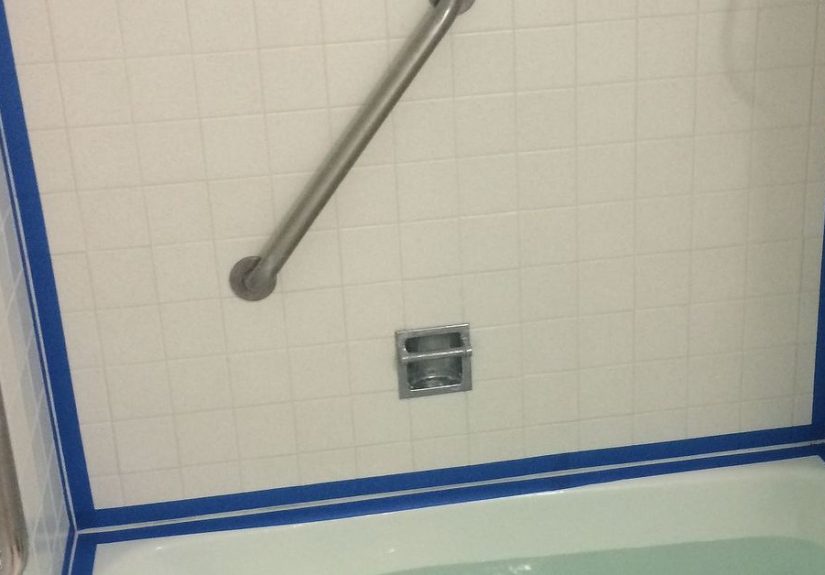
- Protect finishes. Tape off tub edges, fixtures, and anything you don’t want scratched.
- Clean first. Soap scum and oils make tools skid and hide what you’re doing.
- Pick a test zone. Start in a less noticeable spot to learn how your grout/caulk behaves.
How to remove old caulk step-by-step
1) Slice both edges of the bead
Run a sharp utility knife along both sides of the caulk bead, where it meets the tile and the tub (or the countertop, sink, etc.). Use light pressure and multiple passes. The goal is to cut the bondnot gouge the surface.
2) Lift and peel (when you can)
Use a caulk removal tool or razor scraper to lift an end. If you can grab it, peel slowly in long strips. If it breaks every inch, that’s normalkeep working a small section until you can lift more.
3) Soften stubborn silicone
If the caulk is silicone (common in showers), it can cling like it pays rent. Apply a chemical caulk remover per the label directions, wait the recommended time, then scrape again. Reapply if needed. This is the “let the product do the work” portion of the project.
4) Remove residue until it’s truly clean
Leftover residue is the #1 reason new caulk fails. Scrape, wipe, and repeat until the surface feels smooth and cleannot tacky, gummy, or “kind of fine if you squint.”
5) Final wipe and dry time
Wipe the joint with isopropyl alcohol to remove oils and remaining film. Let everything dry completely before applying new caulk. Moisture trapped under fresh caulk can lead to mildew and poor adhesion.
How to remove old grout step-by-step
Pick the right method for your tile and your patience level
Manual tools are slower but safer for beginners, tight areas, and fragile tile. Power tools are faster for larger areas, but they can chip tile edges quickly if you drift.
Step 1) Start shallow and stay centered
With a manual grout saw or carbide rake, pull the tool through the joint with steady pressure. Start with shallow passes to establish a groove, then deepen gradually.
With an oscillating tool, start at a medium speed, keep the blade centered in the joint, and let the tool do the work. Pressing harder doesn’t make you faster; it makes you more likely to damage tile.
Step 2) Remove enough depth for new grout to lock in
For a proper regrout, remove at least 1/8 inch of grout, and aim for half to two-thirds of the joint depth when possible. The more depth you remove (within reason), the better the new grout can mechanically bond.
Step 3) Vacuum constantly
Dust hides your progress and turns precision work into guesswork. Vacuum the joint every few minutes so you can see what you’re doing. Lightly misting the area can help keep dust down, but avoid soaking the joints.
Step 4) Work methodically to avoid tile damage
- Work in short sections (1–2 feet at a time).
- Keep tools aligned with the joint, not the tile edge.
- Switch to manual tools near mosaics, decorative edges, or softer stone.
Step 5) Special cases: sanded grout, unsanded grout, and epoxy grout
Unsanded grout (often used in narrow joints) typically removes a bit easier. Sanded grout can be tougher and more abrasive, so expect more time and more blades.
Epoxy grout is a different animal: durable, stain-resistant, and famously stubborn to remove. Small epoxy spot repairs may be possible with specialty epoxy grout removers and careful scraping, but large epoxy removal jobs can be time-consuming and risky for tile edges. If your whole shower is epoxy and you’re replacing most of it, consider calling a pro.
After removal: clean, inspect, and set yourself up for success
Clean out the joints
Vacuum again, then wipe with a damp sponge to pick up fine dust. Let the area dry thoroughly. Dry joints help new grout pack in consistently.
Inspect for problems you don’t want to seal in
- Loose tiles: If tiles wobble, grout won’t fix that. Address the underlying bond first.
- Recurring mildew: If mildew keeps returning at seams, fully removing and replacing caulk is usually the best long-term fix (along with better ventilation and drying habits).
- Water damage: Soft drywall, swollen trim, or a musty smell can mean moisture is getting behind the tile.
Pro tips to avoid the most common (and annoying) mistakes
Don’t grout changes of plane in wet areas
Corners and tub-to-tile seams move. Grout is rigid. That relationship ends in cracks. Use a bathroom-rated silicone or hybrid sealant where movement is expected.
Don’t “caulk over” old caulk
New caulk needs a clean surface to bond. Applying caulk over old, dirty, or moldy caulk is like putting a fresh sticker on a dusty windowlooks okay for a minute, then peels off when you least want it to.
Control dust the smart way
Grout dust can contain silica. Use vacuuming rather than sweeping, and consider a HEPA filter if you’re generating lots of fine dust with power tools.
If you’re cleaning mildew, don’t play chemist
Ventilate the room and never mix cleaners (especially bleach with ammonia or acids). When in doubt, clean, rinse, dry, and replace material that’s too far gone.
When it’s time to call a pro
- You have a large shower or whole-floor regrout and limited time
- The tile is rare, fragile, or expensive to replace
- You suspect water damage behind the tile
- You’re dealing with a full epoxy grout removal
Quick FAQ
Can I re-caulk without removing everything?
For a long-lasting job, remove as much old caulk as possibleideally all of it. Any leftover caulk and residue weakens adhesion and invites early failure.
How clean do grout lines need to be before regrouting?
They should be free of loose powder, dust, soap residue, and oily film. Vacuuming and a final wipe-down make a noticeable difference.
How long should I wait before applying new grout or caulk?
Make sure everything is dry. After regrouting, follow the grout manufacturer’s cure guidance before heavy water exposure. For silicone caulk, many products become water-resistant relatively quickly, but full cure commonly takes about a day.
DIY experiences: what homeowners learn the hard way (so you don’t have to)
There’s a reason “remove old grout and caulk” shows up on so many weekend to-do lists… and then somehow survives to see the next weekend. The work isn’t complicated, but it is fiddly. And the learning curve is real. Here are the most common “I wish I knew that before” moments DIYers run into, along with the fixes that keep the project from turning into a trilogy.
1) Silicone doesn’t come off in one heroic pull. People imagine peeling old caulk like a sticker. In reality, silicone often tears into confetti, especially if it’s been there for years or has mildew damage. The upgrade isn’t brute forceit’s a fresh blade, a corner-shaped removal tool, and a chemical softener left on long enough to break the bond. Once you can lift a clean edge, long strips suddenly become possible, and the job feels less like scraping gum off a shoe.
2) “Just one more pass” is how tiles get chipped. With an oscillating tool, the first few minutes can feel like magicuntil the blade drifts and taps the tile edge. The people who finish with intact tile tend to work in short, boring sections: they remove a little, vacuum, check the line, then continue. It’s not glamorous, but it’s effective. If you’re tired, stop. Most tile damage happens in the last 10% of patience.
3) Dust control is a bigger deal than you think. Even a small grout removal project can produce a fine powder that travels. DIYers who have the cleanest post-project cleanup usually do three things: close the bathroom door, run ventilation, and vacuum constantly instead of sweeping. A light mist can help keep dust down, but soaking the joints turns powder into paste and slows everything down. The sweet spot is “damp air,” not “mini flood.”
4) Corners are not “regular grout lines.” A classic DIY mistake is grouting inside corners because it matches the rest of the wallthen watching it crack later. Once someone redoes a corner twice, they usually become a movement-joint believer for life. The lesson: treat changes of plane (corners, wall-to-floor, tub-to-tile) as a different system. Remove the old material fully, clean thoroughly, let it dry, then use a bathroom-rated flexible sealant.
5) Prep feels optional until it saves you. Tape looks fussyuntil you want crisp caulk lines. Cleaning feels like procrastinationuntil new caulk won’t stick. Dry time feels dramaticuntil moisture trapped underneath leads to mildew. The smoothest projects are the ones where removal and prep get the time they deserve. The payoff is huge: the new grout packs tighter, the new caulk bonds better, and you’re not redoing the same seam every season.
6) Buy extra blades. Seriously. A sharp blade is safer and cleaner than a dull one. Many DIYers start with one utility blade and end up hacking with something that’s basically a butter knife. Spare blades, plus a small container for used ones, keep the job safer and faster.
The big mindset shift: treat removal as its own project, not a quick pre-step. If you slow down now, you speed up laterbecause you’re not coming back to fix peeling caulk, crumbling grout, or the “mystery stain” that was actually residue you sealed in.
Conclusion
Getting rid of old grout and caulking isn’t glamorous, but it’s one of those satisfying home-maintenance wins that pays you back every time you look at the shower. Remove caulk fully, clean until nothing slippery or gummy remains, and take grout out deep enough that new grout can grab. Work slowly, control dust, and use flexible sealant where movement happens. Your tile will look betterand you’ll stop fighting the same cracked corner joint on repeat.