Table of Contents >> Show >> Hide
- What Is Pyometra (and why it’s a true emergency)?
- 10 Steps to Diagnose and Treat Pyometra in Cats
- Step 1: Confirm the risk profile (aka: “Is pyometra even on the menu?”)
- Step 2: Spot early warning signs (especially the subtle ones)
- Step 3: Treat this like an emergency (because it is)
- Step 4: Provide a “mini timeline” to your vet (it actually helps diagnosis)
- Step 5: Expect a physical exam (and don’t be surprised by some awkward questions)
- Step 6: Run baseline lab work (CBC, chemistry, +/- urinalysis)
- Step 7: Confirm the diagnosis with imaging (ultrasound is often the MVP)
- Step 8: Stabilize first (fluids, antibiotics, pain control, anti-nausea)
- Step 9: Proceed with definitive treatment (most commonly emergency spay surgery)
- Step 10: Nail the aftercare (and prevent a repeat)
- Common Questions Owners Ask (and vets answer a lot)
- Real-World Experiences (What Owners and Vet Teams Commonly Report)
- Conclusion
Quick safety note: Pyometra is a life-threatening uterine infection in intact (unspayed) female cats. If you suspect it, don’t “watch and wait”call an emergency vet. This article is educational, not a substitute for in-person veterinary care.
Pyometra is one of those conditions that proves cats are brilliant at two things: sleeping in sunbeams and hiding serious illness like it’s a competitive sport. Your cat may look “a little off” until suddenly she’s very off. The good news? With fast treatment, many cats recover well. The tricky part is recognizing the problem early and getting the right diagnostics and treatment quickly.
This guide synthesizes information from widely used veterinary references and hospital education resources (including major veterinary manuals, veterinary networks, university sources, and large clinic systems) and rewrites it in a practical, owner-friendly waywith just enough humor to keep you reading without turning an emergency into a comedy sketch.
What Is Pyometra (and why it’s a true emergency)?
Pyometra is a bacterial infection of the uterus where pus accumulates inside. Hormonal changes after a heat cycle (especially progesterone influence) can make the uterine lining thicker and more “welcoming” to bacteria. Once infection takes hold, toxins and bacteria can affect the whole body, leading to dehydration, sepsis, shock, and even death if untreated.
There are two common “types” you’ll hear about:
- Open pyometra: the cervix is open, so discharge can drain out. This can look scary, but the “open door” sometimes makes it easier to notice sooner.
- Closed pyometra: the cervix is closed, so pus is trapped inside. This often becomes more severe fasterand is easier to miss because there may be no discharge.
Also, cats are fastidious groomers. Even with an open pyometra, a queen may clean away discharge before you notice. In other words: the absence of “gross evidence” is not evidence of absence.
10 Steps to Diagnose and Treat Pyometra in Cats
Step 1: Confirm the risk profile (aka: “Is pyometra even on the menu?”)
Pyometra is primarily a risk for intact female cats (not spayed). Risk tends to increase with age and repeated heat cycles, but it can occur in younger cats tooespecially if hormones are involved.
Common risk factors include:
- Not being spayed
- Older age and multiple heat cycles
- Recent heat cycle (often within weeks)
- Exposure to reproductive hormones (some progesterone-based or combined hormone medications)
- History of uterine disease
Practical tip: If your cat is unspayed and acting ill, keep pyometra on the short listright next to “she ate something weird” and “cats are chaos in a fur coat.”
Step 2: Spot early warning signs (especially the subtle ones)
Pyometra symptoms can be vague at first. Watch for:
- Lethargy, hiding, “not herself” behavior
- Decreased appetite or refusing favorite treats (yes, even the sacred crunchy ones)
- Vomiting or diarrhea
- Increased thirst and urination
- Fever (or sometimes low body temperature in advanced illness)
- Abdominal discomfort or swelling
- Vaginal discharge (bloody, creamy, pus-like)may be missed due to grooming
Example scenario: Your 6-year-old unspayed cat has been drinking more, skipping meals, and sleeping in a closet instead of her usual “supervising you from the couch” post. You notice a faint odor near her bedding, but no obvious discharge. That combinationespecially in an intact femalewarrants urgent evaluation.
Step 3: Treat this like an emergency (because it is)
If pyometra is possible, don’t schedule a “whenever” appointment. Call your veterinarian or an emergency clinic now, especially if your cat has vomiting, weakness, dehydration, collapse, or abdominal pain.
While you’re arranging care:
- Keep your cat calm and warm; minimize stress and handling
- Use a carrier lined with a towel (and bring an extra towel just in case)
- Do not give leftover antibiotics or human meds
- If your cat seems very ill, go straight to emergencydon’t “wait for morning”
Step 4: Provide a “mini timeline” to your vet (it actually helps diagnosis)
Veterinary teams diagnose faster when they have context. Useful info includes:
- Spay status (and if intact, any history of breeding)
- Recent heat behavior (calling, restlessness, rolling, increased affection, yowling)
- Any medications, especially reproductive hormones
- When symptoms started and how they progressed
- Changes in drinking/urination, appetite, vomiting, stool
- Any discharge or unusual odor noted
Small but mighty detail: “She was in heat about three weeks ago” can be a diagnostic compass arrow.
Step 5: Expect a physical exam (and don’t be surprised by some awkward questions)
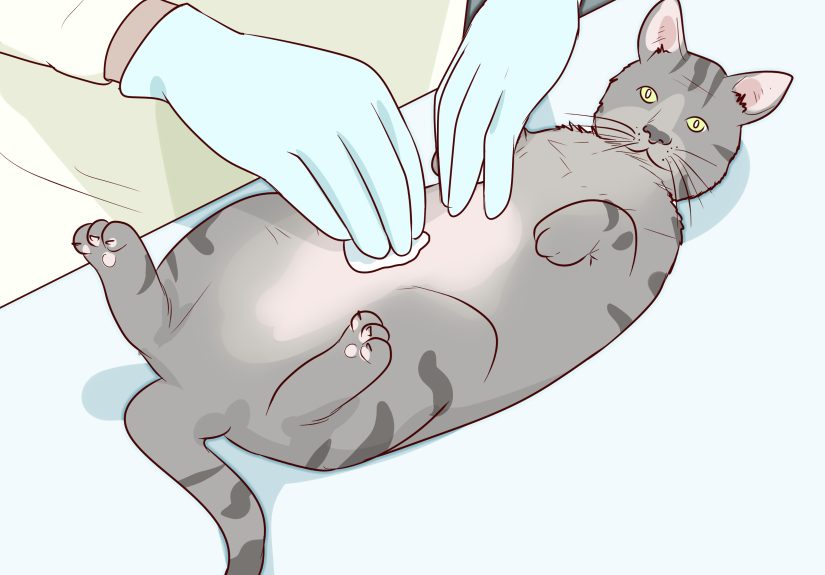
Your vet will assess hydration, temperature, heart rate, mucous membrane color (gums), abdominal pain, and overall stability. They may also check for vulvar discharge or evidence of grooming around the rear end.
Depending on your cat’s condition, the clinic may prioritize stabilization first (IV fluids, oxygen, pain control) before extensive testing. That’s not “skipping steps”it’s emergency medicine.
Step 6: Run baseline lab work (CBC, chemistry, +/- urinalysis)
Lab tests help confirm infection, assess organ function, and guide safe anesthesia and treatment. Typical tests include:
- CBC (complete blood count): looks for elevated white blood cells (infection/inflammation), anemia, and other changes
- Blood chemistry: evaluates kidneys, liver, electrolytes, glucose, hydration status
- Urinalysis: helps interpret increased drinking/urination and kidney involvement, and rules out other issues
Pyometra can stress the kidneys and cause dehydration, so these results shape the planespecially fluids, antibiotics, and anesthesia risk.
Step 7: Confirm the diagnosis with imaging (ultrasound is often the MVP)
Imaging helps distinguish pyometra from pregnancy, intestinal issues, tumors, or other causes of a sick cat with a painful belly.
- Ultrasound: often the most useful tool to identify an enlarged, fluid-filled uterus and assess uterine wall changes
- X-rays: can show an enlarged uterus in some cases, especially when distended, but may be less definitive than ultrasound
Owner-friendly translation: Ultrasound is like turning on the lights in a cluttered closet. Suddenly you can see what’s actually in thereand whether it’s “uterus full of fluid” or “something else entirely.”
Step 8: Stabilize first (fluids, antibiotics, pain control, anti-nausea)
Even though surgery is often the definitive treatment, many cats need stabilization before anesthesia. A typical stabilization plan may include:
- IV fluids to correct dehydration and support blood pressure
- Broad-spectrum antibiotics to reduce bacterial load and sepsis risk
- Pain control (because yes, this can be painfuleven if your cat is stoic)
- Anti-nausea medications if vomiting is present
- Temperature support if feverish or low-temperature
This step is where the veterinary team is essentially doing “system reboot” so your cat can safely get through the definitive fix.
Step 9: Proceed with definitive treatment (most commonly emergency spay surgery)
Ovariohysterectomy (spay surgery)removing the ovaries and infected uterusis the most common and most definitive treatment for pyometra.
What makes pyometra surgery different from a routine spay?
- The uterus can be enlarged, fragile, and at risk of leaking infected material
- There may be systemic illness (dehydration, electrolyte imbalances, sepsis)
- Monitoring and postoperative care may be more intensive
What about “medical treatment only”? In some breeding animals, veterinarians may discuss medical management (using specific reproductive medications plus antibiotics) in carefully selected cases. In cats, this approach is typically less common and carries riskstreatment failure, recurrence, and serious complications. For most pet cats, surgery is the most reliable, lifesaving option.
Decision-making tip: If you’re hearing words like “closed pyometra,” “septic,” “unstable,” or “rupture risk,” this is not the moment to bargain with biology.
Step 10: Nail the aftercare (and prevent a repeat)
After surgery, recovery often involves:
- Continuing medications as prescribed (pain meds, sometimes antibiotics)
- Keeping the incision clean and dry; checking it daily for swelling, redness, discharge, or gaping
- Preventing licking (yes, the cone is annoyingso is reopening an incision)
- Restricting jumping/running until cleared by the vet
- Recheck appointments to ensure healing and stable lab values (if needed)
Prevention, plainly: Spaying prevents pyometra because there’s no uterus to become infected. If your cat is currently intact and healthy, spaying is the best long-term “never want to deal with this” strategy.
Common Questions Owners Ask (and vets answer a lot)
“Can I diagnose pyometra at home?”
You can recognize warning signs and risk factors, but you cannot confirm pyometra without veterinary diagnostics (exam, lab work, imaging). Home diagnosis delays careand delays can be deadly.
“If there’s no discharge, does that mean it’s not pyometra?”
No. Closed pyometra may have no visible discharge. Cats also groom away discharge. You’re looking for the whole pattern: intact female + systemic illness signs.
“How fast does pyometra get serious?”
It can worsen over days and sometimes faster. That’s why veterinarians treat suspected pyometra as urgent.
“What’s the prognosis?”
With prompt veterinary careespecially timely stabilization and surgerymany cats recover well. Prognosis worsens with delayed treatment, severe dehydration, kidney involvement, or sepsis.
Real-World Experiences (What Owners and Vet Teams Commonly Report)
(This section is based on common patterns described in veterinary practice and owner educationshared here as realistic examples, not personal anecdotes.)
1) “She wasn’t screaming in pain… she was just quieter.” One of the most common themes owners describe is how subtle the first signs can be. A cat who normally patrols the house like a tiny security guard suddenly becomes a “closet resident.” Owners often assume stress, a hairball, or picky eatingespecially if the cat is still drinking water and can be coaxed into nibbling. In hindsight, they connect the dots: a recent heat cycle, a slightly bloated belly that was easy to miss under fluff, and a slow drift into lethargy that felt more like moodiness than illness. Cats don’t always give you dramatic symptoms; they give you absencesless appetite, less play, less curiosity, less “cat stuff.”
2) “I didn’t see discharge… until the vet pointed it out.” Even in open pyometra, discharge can be hard to detect because cats groom constantly. Some owners only notice a faint odor on bedding or a small stain on a towel. Others see nothing at home, but the vet finds evidence during the exam. This leads to a common lesson: don’t use discharge as the sole deciding factor. If your unspayed cat is ill, the smartest move is evaluationnot a detective stakeout with a magnifying glass.
3) The ER “whirlwind” can feel intensebut it’s purposeful. Owners often describe emergency visits as fast-paced: the team takes the cat to triage, starts an IV catheter, runs bloodwork, and recommends imaging and stabilization quickly. That can feel overwhelming, especially if you came in expecting “maybe some anti-nausea meds.” But this speed is the point. Pyometra is one of those diagnoses where minutes and hours matter because the infection can affect blood pressure, kidneys, and overall organ function. Many owners later say the same thing: “Once they explained why they were moving so fast, I was grateful they didn’t treat it casually.”
4) Surgery is scaryuntil it becomes obviously necessary. Another repeated experience is the emotional pivot: owners start with “Is surgery really necessary?” and end with “Please do whatever she needs.” When imaging confirms an enlarged, infected uterus, and lab work shows dehydration or infection markers, the picture becomes clearer. Vets often explain that pyometra surgery isn’t “optional prevention” like a routine spay; it’s removing the source of a systemic infection. Owners who’ve been through it commonly say the same thing afterward: “I wish I’d spayed her earlier. I didn’t realize this was a risk.”
5) The aftercare reality check: cats heal fast… and act like nothing happened. Many cats start acting brighter soon after surgerysometimes within a daybecause the infected uterus is gone and supportive care helps stabilize them. Owners often interpret that as a sign the cat is “fully healed,” while the incision is still in the early stages of recovery. This is why cones, activity restriction, and daily incision checks matter. A cat who feels better will absolutely attempt parkour off the couch like she’s auditioning for an action movie. The best aftercare stories usually include a plan: a quiet recovery room, a litter box with easy access, controlled feeding, and a “cone compliance strategy” (which may involve treats, soft collars recommended by the vet, and the owner practicing deep breathing).
6) The biggest takeaway owners share: The moment you suspect something serious, go in. People don’t regret being “overcautious” with an intact female cat who’s suddenly lethargic and vomiting. They regret waitingespecially when the cat was trying her best to act normal. If you’re reading this and thinking, “Some of these signs sound familiar,” let that be your cue to call your veterinarian today.
Conclusion
Pyometra in cats is a true veterinary emergencybut it’s also a condition where decisive action can be lifesaving. The “10-step” mindset is simple: recognize risk, notice early signs, get urgent veterinary evaluation, confirm with exam + labs + imaging, stabilize, and proceed with definitive treatment (most often emergency spay surgery), followed by careful aftercare and prevention.
If you want the lowest-stress ending to the pyometra story, it’s this: spay before pyometra ever gets a chance to RSVP.