Table of Contents >> Show >> Hide
- Why Cleaning a Central Air Conditioner Matters
- Tools and Supplies You’ll Need
- How to Clean a Central Air Conditioner: 12 Steps
- 1. Turn Off the Thermostat
- 2. Shut Off Power to the Outdoor Unit
- 3. Clear Debris Around the Condenser
- 4. Remove the Top Grille or Access Panel Carefully
- 5. Vacuum Loose Dirt and Leaves Inside the Unit
- 6. Brush the Condenser Fins Gently
- 7. Rinse the Condenser Coil With a Garden Hose
- 8. Apply AC Coil Cleaner if the Coils Are Grimy
- 9. Replace or Clean the Air Filter
- 10. Inspect the Indoor Evaporator Coil Area
- 11. Clear the Condensate Drain Line
- 12. Reassemble the Unit and Test Cooling
- How Often Should You Clean a Central Air Conditioner?
- Common Mistakes to Avoid
- When to Call an HVAC Professional
- Extra Tips for Better Central AC Performance
- Real-World Experiences: What Homeowners Learn After Cleaning Their Central AC
- Conclusion
- SEO Tags
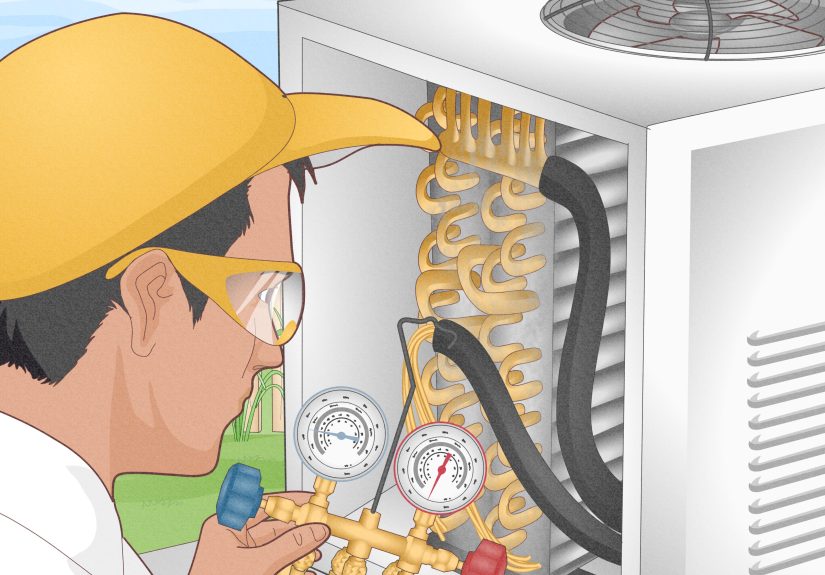
A central air conditioner works hard all summer, quietly hauling heat out of your home like a tiny weather superhero with a fan blade. But when dirt, leaves, grass clippings, dust, and pet hair start collecting around the system, that superhero starts breathing through a straw. The result? Weak airflow, higher electric bills, uneven cooling, musty smells, and a unit that may give up on the hottest day of the yearbecause appliances apparently enjoy dramatic timing.
The good news is that learning how to clean a central air conditioner is not as intimidating as it sounds. You do not need to be an HVAC technician to handle basic central AC maintenance, replace or clean a filter, clear leaves around the outdoor condenser, rinse dirty coils, or check the condensate drain. You do, however, need to respect electricity, refrigerant lines, delicate coil fins, and your own common sense. A little caution here goes a long way.
This step-by-step guide explains how to clean a central air conditioner safely, what tools to use, what mistakes to avoid, and when to call a professional. Think of it as a spa day for your ACminus cucumber water, plus a garden hose.
Why Cleaning a Central Air Conditioner Matters
Your central AC system depends on airflow and heat transfer. The indoor evaporator coil absorbs heat from your home’s air, while the outdoor condenser coil releases that heat outside. When either coil gets coated with dirt, it becomes harder for the system to move heat efficiently. A dirty air filter can also restrict airflow, forcing the blower motor to work harder and increasing strain on the entire system.
Routine air conditioner cleaning can help improve cooling performance, reduce energy waste, prevent water leaks from clogged drain lines, and extend the life of the equipment. It can also help you spot problems early, such as bent fins, loose insulation, ice buildup, unusual noises, or blocked airflow around the condenser unit.
Most homeowners can handle light cleaning once or twice a year, especially before cooling season begins. More complex taskschecking refrigerant, testing electrical components, diagnosing leaks, or deep-cleaning the indoor coilbelong to a licensed HVAC technician.
Tools and Supplies You’ll Need
- Work gloves and safety glasses
- Screwdriver or nut driver
- Garden hose with a gentle spray setting
- Soft brush or coil brush
- Shop vacuum with brush attachment
- Fin comb, if fins are lightly bent
- Replacement air filter or washable filter cleaner
- Non-corrosive foaming AC coil cleaner, if needed
- Rags or microfiber cloths
- Small bucket or trash bag for debris
- Wet/dry vacuum for condensate drain cleaning
Avoid pressure washers, harsh household chemicals, bleach on coils, sharp tools, and stiff wire brushes. Central AC fins bend easily, and once they are mashed flat, airflow suffers. Treat the coils like they are fragile, expensive aluminum lasagna.
How to Clean a Central Air Conditioner: 12 Steps
1. Turn Off the Thermostat
Start by switching your thermostat to “off.” This prevents the air conditioner from turning on while you are cleaning. Do not rely only on the thermostat, though. It is the first safety step, not the whole safety plan.
If your thermostat has batteries, this is also a good time to check them. A thermostat with weak batteries can cause confusing cooling problems that look like AC trouble but are really just a tiny power problem with a dramatic personality.
2. Shut Off Power to the Outdoor Unit
Find the outdoor disconnect box near the condenser unit and shut off power according to the instructions on the box. For extra safety, turn off the air conditioner circuit at the main electrical panel. If you are unsure which breaker controls the system, stop and call a professional.
Never clean the condenser while it is running. The fan blades, electrical components, and moving parts are not interested in negotiating with your fingers.
3. Clear Debris Around the Condenser
The outdoor condenser needs open space to breathe. Remove leaves, twigs, weeds, grass clippings, seed pods, and any mystery objects that somehow gathered around the unit. Trim plants and shrubs so there is at least two feet of clearance around the condenser whenever possible.
Also check the top of the unit. Leaves and sticks can fall through the fan grille and collect inside the cabinet. If debris sits at the bottom, it can hold moisture, encourage corrosion, and reduce airflow.
4. Remove the Top Grille or Access Panel Carefully
Using a screwdriver or nut driver, remove the screws holding the fan grille or access panel in place. On many units, the fan assembly remains attached by electrical wires, so do not yank it away. Lift it gently and set it aside if the wiring allows, or prop it securely without stretching wires.
If anything looks damaged, burned, corroded, or loose, stop cleaning and call an HVAC technician. DIY cleaning is for dirt, not electrical archaeology.
5. Vacuum Loose Dirt and Leaves Inside the Unit
Use a shop vacuum to remove loose leaves, dirt, and debris from the bottom of the condenser cabinet. Work slowly around the coils and avoid touching wires or copper refrigerant lines. If debris is packed into corners, remove it by hand while wearing gloves.
This step helps prevent old leaves from turning into a soggy compost project inside your air conditioner. Your condenser is not a garden bed, no matter how committed the leaves seem.
6. Brush the Condenser Fins Gently
The condenser coil is surrounded by thin metal fins that help transfer heat. Use a soft brush to loosen dirt from the outside surface. Brush in the same direction as the fins rather than across them. If some fins are lightly bent, use a fin comb made for HVAC coils to straighten them carefully.
Do not use a screwdriver, knife, or metal scraper. Bent fins restrict airflow, and damaged coils can become expensive quickly. Gentle cleaning is the name of the game.
7. Rinse the Condenser Coil With a Garden Hose
Use a garden hose on a low-pressure setting to rinse the condenser coil. Many technicians prefer rinsing from the inside out when the cabinet design allows, because it pushes dirt back out the way it entered. If you can only rinse from the outside, use a gentle spray and take your time.
Never use a pressure washer. High-pressure water can flatten fins, damage coils, force water into electrical areas, and turn a simple Saturday chore into a very expensive Monday phone call.
8. Apply AC Coil Cleaner if the Coils Are Grimy
If the condenser coil is coated with greasy dirt or stubborn grime, use a non-corrosive foaming coil cleaner labeled safe for air conditioner coils. Follow the product instructions exactly. Usually, you spray the cleaner evenly, allow it to foam for several minutes, and then rinse gently with water.
Do not mix cleaners, use oven cleaner, or improvise with harsh chemicals. AC coils are not cookie sheets. Manufacturer-approved or HVAC-safe products are the smarter choice.
9. Replace or Clean the Air Filter
The air filter is one of the most important parts of central air conditioner maintenance. A clogged filter restricts airflow, reduces efficiency, and can contribute to frozen coils. Locate the filter in the return air grille or near the indoor air handler. Check the size printed on the old filter before replacing it.
Disposable filters should be replaced, not washed. Washable filters can be cleaned with water, dried completely, and reinstalled. During heavy cooling season, check the filter monthly. Homes with pets, dust, allergies, wildfire smoke, or heavy AC use may need more frequent changes.
10. Inspect the Indoor Evaporator Coil Area
The indoor evaporator coil is usually located inside the air handler or above the furnace. If it is easy to access, you can inspect it with the power off. Light dust may be removed with a soft brush or vacuum attachment, but avoid spraying water unless you know the cabinet, drain pan, insulation, and nearby components can handle it.
If the evaporator coil is heavily dirty, oily, moldy, iced over, or difficult to reach, call a professional. Indoor coil cleaning can affect drainage, insulation, electrical parts, and indoor air quality. This is one area where bravery should not outrank training.
11. Clear the Condensate Drain Line
Your central AC removes humidity from indoor air, and that moisture drains away through a condensate line. When algae, dust, or sludge clogs the line, water can back up into the drain pan and leak around the air handler. Look for the PVC drain line near the indoor unit.
If your system has an accessible drain line outlet, you may be able to use a wet/dry vacuum outside to pull out clogs. Some homeowners also flush the line with warm water or a manufacturer-approved drain treatment. Avoid pouring random chemicals into the system. If the drain pan is rusty, overflowing, or repeatedly clogged, schedule service.
12. Reassemble the Unit and Test Cooling
Once the condenser coil is clean and the area is clear, replace the access panel or top grille. Make sure all screws are secure and no tools are left inside the cabinet. Restore power at the disconnect and breaker, then turn the thermostat back to “cool.”
Let the system run for 10 to 15 minutes. Check for steady airflow, normal sounds, and cool air from the vents. Outside, the fan should spin smoothly, and warm air should blow out of the condenser. If you hear grinding, buzzing, rattling, or notice weak airflow, ice, water leaks, or no cooling, turn the system off and call an HVAC professional.
How Often Should You Clean a Central Air Conditioner?
Most central air conditioners benefit from a homeowner cleaning at least once a year, ideally in spring before hot weather arrives. The air filter should be checked monthly during cooling season and replaced or cleaned as needed. The outdoor condenser should be kept clear of debris year-round.
You may need more frequent cleaning if your condenser sits near cottonwood trees, dusty roads, lawn clippings, dryer vents, mulch beds, or heavy landscaping. If your AC runs constantly during long summer heat waves, inspect it more often. The unit does not need to look showroom-new, but it should not look like it has been living in a leaf tornado.
Common Mistakes to Avoid
Using Too Much Water Pressure
A strong blast from a pressure washer can bend fins and damage coils. A gentle garden hose is enough for routine cleaning.
Forgetting to Shut Off Power
Always turn off the thermostat and disconnect power before opening the condenser cabinet or touching the unit.
Ignoring the Air Filter
Many cooling problems begin with a dirty filter. If you only clean one thing regularly, make it the filter.
Cleaning Refrigerant Lines Aggressively
The copper refrigerant lines are essential to cooling. Do not bend, pull, scrub hard, or disconnect them.
Skipping Professional Maintenance Forever
DIY cleaning helps, but it does not replace a professional tune-up. A technician can check refrigerant charge, electrical connections, capacitors, blower performance, thermostat calibration, and hidden problems.
When to Call an HVAC Professional
Call a licensed HVAC technician if the air conditioner is not cooling after cleaning, the evaporator coil is frozen, the drain pan keeps overflowing, the system trips breakers, you hear electrical buzzing, or you suspect a refrigerant leak. Also call if the indoor coil is difficult to access, the condenser fins are badly crushed, or mold appears inside the air handler.
Refrigerant is not a DIY item. If your system is low, the issue is usually a leak that needs proper diagnosis and repair. Simply adding refrigerant without fixing the leak is like refilling a tire with a nail still in it: temporarily satisfying, ultimately silly.
Extra Tips for Better Central AC Performance
- Keep supply and return vents open and unblocked.
- Use curtains or blinds during peak afternoon sun.
- Seal obvious air leaks around doors and windows.
- Make sure the outdoor unit is level and stable.
- Do not store patio furniture, toys, or garden tools against the condenser.
- Schedule professional maintenance before the cooling season.
- Use the correct filter size and avoid overly restrictive filters unless your system can handle them.
Real-World Experiences: What Homeowners Learn After Cleaning Their Central AC
One of the biggest surprises homeowners experience after cleaning a central air conditioner is how much debris hides in plain sight. From the outside, a condenser may look “fine,” but once the top grille is removed, the bottom of the cabinet can reveal leaves, seed pods, dryer lint, and grass clippings packed together like a tiny outdoor lasagna. Clearing that mess often improves airflow immediately.
Another common experience is discovering that the air filter was overduesometimes very overdue. A clean filter can make the system sound smoother and improve airflow from the vents. Many people assume their AC is losing power when the real problem is simply a filter that looks like it has been collecting evidence since last summer. Checking it monthly is not glamorous, but it is one of the cheapest ways to protect your system.
Homeowners also learn that gentle cleaning works better than aggressive cleaning. The first instinct may be to blast the condenser with the strongest hose setting available. That feels productive for about three seconds, until you realize the fins are delicate. A slow rinse, soft brush, and patience are far safer. Cleaning an AC is not a battle; it is more like grooming a nervous metal porcupine.
People who maintain their outdoor unit regularly often notice fewer emergency service calls. That does not mean cleaning prevents every breakdown, but it reduces unnecessary strain. A condenser surrounded by weeds and coated in dirt must work harder to release heat. During a heat wave, that extra strain can push an already tired system over the edge. A clear two-foot space around the unit is boring advice, but boring advice often saves money.
Another lesson is that water leaks are easier to prevent than repair. A clogged condensate drain can cause ceiling stains, wet floors, musty odors, or shutoff switch problems. Homeowners who check the drain line before summer are less likely to discover a puddle at 11 p.m. when every HVAC company in town is already booked.
Finally, the most useful experience is learning where DIY ends. Cleaning debris, replacing filters, rinsing coils, and checking drains are reasonable homeowner tasks. Testing electrical parts, handling refrigerant, repairing leaks, or disassembling sealed components are professional jobs. The smartest homeowners are not the ones who do everything themselves; they are the ones who know which tasks save money and which mistakes create invoices large enough to need their own zip code.
Conclusion
Cleaning a central air conditioner is one of the most practical home maintenance tasks you can do before summer. With the power off, a few basic tools, and a gentle approach, you can clear debris, rinse condenser coils, replace the air filter, inspect the drain line, and help your system cool more efficiently. The process is not complicated, but it does require patience and respect for delicate parts.
For best results, clean the outdoor unit annually, check the filter monthly, keep the area around the condenser clear, and schedule professional maintenance at least once a year. Your reward is better airflow, more reliable cooling, and the sweet satisfaction of knowing your AC is not secretly wearing a sweater made of dirt.
Note: This guide is intended for routine homeowner cleaning and maintenance. If you see electrical damage, ice buildup, refrigerant leaks, mold inside the system, repeated water leaks, or major performance problems, stop and contact a licensed HVAC professional.