Table of Contents >> Show >> Hide
- What Is Hermit Crab Molting?
- Common Signs Your Hermit Crab Is About to Molt
- The Ideal Tank Setup for Molting Hermit Crabs
- What to Do When Your Hermit Crab Goes Underground
- Should You Isolate a Molting Hermit Crab?
- Why You Should Leave the Shed Exoskeleton
- After the Molt: Caring for a Newly Emerged Hermit Crab
- Common Molting Mistakes to Avoid
- How Long Does Hermit Crab Molting Take?
- Creating a Molt-Safe Routine
- Extra Experience-Based Tips for Caring for Molting Hermit Crabs
- Conclusion
Hermit crabs are tiny drama kings in borrowed houses. One day they are climbing, digging, dragging food into suspicious corners, and rearranging shells like they run a boutique hotel. The next day, one disappears underground for weeks, leaving you staring at the tank like a detective in a nature documentary. Before panic sets in, take a breath: your hermit crab may be molting.
Learning how to care for molting hermit crabs is one of the most important parts of responsible hermit crab ownership. Molting is not a weird hobby, a nap, or a crabby vacation. It is the biological process that allows a hermit crab to grow by shedding its old exoskeleton and forming a new one. During this time, the crab is soft, fragile, and vulnerable. In other words, this is not the moment for “just checking.” A molting crab needs privacy, stable conditions, and a tank setup that lets nature do its quiet little magic trick.
This guide explains the signs of molting, how to prepare the habitat, what to do when your hermit crab disappears, when to intervene, and how to support your crab after it reappears looking shiny, suspicious, and possibly offended.
What Is Hermit Crab Molting?
Molting is the process of shedding the old exoskeleton so the hermit crab can grow. Unlike mammals, hermit crabs do not have soft skin that stretches as they get bigger. Their outer body covering is rigid, so they must periodically replace it. Before a molt, the crab stores nutrients, water, and energy. Then it usually buries itself deep in the substrate, sheds the old exoskeleton, rests while its new body hardens, and eventually returns to the surface.
Depending on the crab’s size, age, health, and environment, molting may last from a couple of weeks to several months. Small hermit crabs often molt faster. Large crabs can stay buried long enough to make you wonder if they have started paying rent underground. The key rule is simple: if the crab is buried, leave it alone.
Common Signs Your Hermit Crab Is About to Molt
Hermit crabs do not send calendar invites titled “Molting Soon, Please Respect My Boundaries.” Instead, they show physical and behavioral clues. Not every crab displays every sign, but several clues together often point toward a molt.
Increased Digging
A hermit crab preparing to molt may dig repeatedly, test different areas of the tank, or disappear under decorations. This is normal. The crab is looking for a safe underground chamber where the substrate is moist enough to hold its shape.
Reduced Activity
A crab that usually climbs like a tiny mountain goat may suddenly become slow, shy, or less interested in exploring. Reduced activity before molting is common because the crab is conserving energy for a demanding process.
Extra Eating and Drinking
Some hermit crabs eat and drink more before molting. They are building nutrient reserves, especially calcium and protein, which help support the new exoskeleton. You may notice your crab spending more time near food dishes or water pools before vanishing underground.
Dull Color or Cloudy Eyes
A pre-molt crab may look dull, dusty, or less vibrant. The eyes may appear slightly cloudy. Legs and claws can look pale or ashy. This does not automatically mean trouble, but paired with digging and hiding, it can indicate a molt is coming.
A Gel Limb Bud
If a hermit crab has lost a leg or claw in the past, it may develop a small, pale, gel-like limb bud before molting. After a successful molt, the regenerated limb may appear smaller at first and grow stronger over future molts.
The Ideal Tank Setup for Molting Hermit Crabs
The best time to care for a molting hermit crab is before the molt begins. Once a crab is underground, you should not renovate the tank, dig around, or start a grand interior design project. A safe crabitat should always be molt-ready.
Provide Deep, Diggable Substrate
Substrate is the foundation of safe molting. Land hermit crabs need enough depth to dig stable tunnels and molt chambers. A good rule is to provide at least 6 inches of substrate or three times the height of your largest crab, whichever is deeper. For larger crabs, deeper is better.
A popular substrate mix is play sand combined with coconut fiber, often around a 5:1 sand-to-coconut-fiber ratio. The texture should be moist enough to hold a tunnel, similar to sandcastle sand, but not wet, muddy, or dripping. If it collapses instantly, it is too dry. If it squishes like swamp soup, it is too wet. Your goal is “beach sand that takes itself seriously.”
Maintain Proper Humidity
Humidity is not optional for land hermit crabs. They breathe through modified gills, so dry air can stress them and interfere with normal behavior. For most pet land hermit crabs, humidity should generally stay around 70% to 90%, with many keepers aiming for a stable range near 75% to 85%.
Use a reliable hygrometer placed inside the tank, not a guess based on how foggy the glass looks. A sealed or mostly sealed lid helps hold humidity. Pools of dechlorinated fresh water and marine-grade salt water also help maintain humidity while giving crabs access to the water they need.
Keep Temperature Stable
Most land hermit crabs thrive in warm tropical conditions. A stable temperature around 75°F to 85°F is commonly recommended. Temperature swings can stress hermit crabs, slow digestion, and make molting riskier. Use a thermometer and safe heating methods that warm the air and environment, not just one patch of substrate.
Avoid placing the tank near windows, air conditioners, heaters, or direct sunlight. Hermit crabs are not houseplants, and they do not enjoy surprise weather.
Offer Both Fresh and Salt Water
Hermit crabs need access to both dechlorinated fresh water and properly mixed salt water. The dishes should be deep enough for the crab to soak if needed, but they must also include safe ways to climb in and out, such as stones, mesh, or ramps. A crab should never be trapped in a water dish like it accidentally booked a bad swimming lesson.
Feed a Nutrient-Rich Diet
Before and after molting, nutrition matters. Offer a varied diet with calcium, protein, healthy fats, fruits, vegetables, leaf litter, seaweed, worm castings, and other safe natural foods. Calcium sources may include cuttlebone, crushed eggshell, oyster shell, or other crab-safe mineral options. Protein can come from safe dried shrimp, mealworms, fish, egg, or unseasoned meats.
Avoid relying only on brightly colored commercial pellets. Many are too limited, and some contain unnecessary additives. A hermit crab’s diet should look more like a tiny forest buffet than a vending machine snack.
What to Do When Your Hermit Crab Goes Underground
When a hermit crab buries itself, the most important thing you can do is nothing. This is emotionally difficult because humans love “checking.” Unfortunately, digging up a molting crab can injure it, collapse its molt chamber, interrupt the process, and sometimes cause fatal stress.
Do Not Dig
Do not dig up a buried hermit crab unless there is a true emergency, such as flooding, infestation, or a tank condition that makes survival impossible. A buried crab may be molting, destressing, or simply enjoying crab privacy. Either way, digging is risky.
Keep Tank Conditions Stable
Continue maintaining proper humidity and temperature. Refill water dishes, replace food, and clean the surface gently. Avoid deep substrate stirring, heavy decoration movement, or anything that could collapse underground tunnels.
Do Not Assume the Worst
A molting hermit crab may remain underground much longer than expected. Large crabs especially can take months. As long as the tank does not smell foul and conditions are stable, patience is usually the best care.
Should You Isolate a Molting Hermit Crab?
In most cases, a crab that is already buried should not be moved. The main tank is usually the best place to molt if it has deep substrate, correct humidity, and stable temperature. However, surface molts are different.
What Is a Surface Molt?
A surface molt happens when a hermit crab molts above ground instead of safely underground. This can occur because of stress, poor substrate, illness, lack of space, or simply bad timing. A surface-molting crab is extremely vulnerable because its new exoskeleton is soft and tank mates may bother it or try to eat the shed exoskeleton.
How to Handle a Surface Molt
If a hermit crab is surface molting, do not pick it up with your fingers, poke it, bathe it, or remove the shed exoskeleton. The goal is to protect the crab while disturbing it as little as possible.
If possible, place a clean, ventilated isolation container over the crab inside the main tank. This keeps humidity and temperature stable while preventing other crabs from reaching the molter. Include the shed exoskeleton with the crab because it contains minerals the crab needs. A clean plastic container with air holes can work as a temporary barrier if it is secure and cannot collapse onto the crab.
If the crab must be moved because it is in danger, use a clean spoon or similar tool to gently scoop the crab with some surrounding substrate. Move the crab and exoskeleton together into a protected container inside the same tank. The less handling, the better.
Why You Should Leave the Shed Exoskeleton
After molting, hermit crabs often eat their shed exoskeleton. This is normal, useful, and not a horror movie, even though it may look alarming at first. The old exoskeleton contains calcium and minerals that help the new exoskeleton harden. Removing it can deprive the crab of important nutrients.
Do not clean up the exoskeleton immediately. If you see papery, hollow-looking pieces, leave them unless you are completely certain they are old leftovers and the crab has finished with them. When in doubt, let the crab decide. Hermit crabs have been handling molts longer than we have had aquariums in living rooms.
After the Molt: Caring for a Newly Emerged Hermit Crab
When your hermit crab finally returns to the surface, it may look brighter, cleaner, and slightly larger. It may also act shy or tired. The new exoskeleton continues hardening after the crab emerges, so gentle care still matters.
Offer Calcium and Protein
Make sure calcium-rich and protein-rich foods are available. A newly molted crab has spent a huge amount of energy and may need to rebuild strength. Good options include cuttlebone, crushed eggshell, dried shrimp, mealworms, unsalted nuts, safe greens, and natural plant matter.
Provide Extra Shell Choices
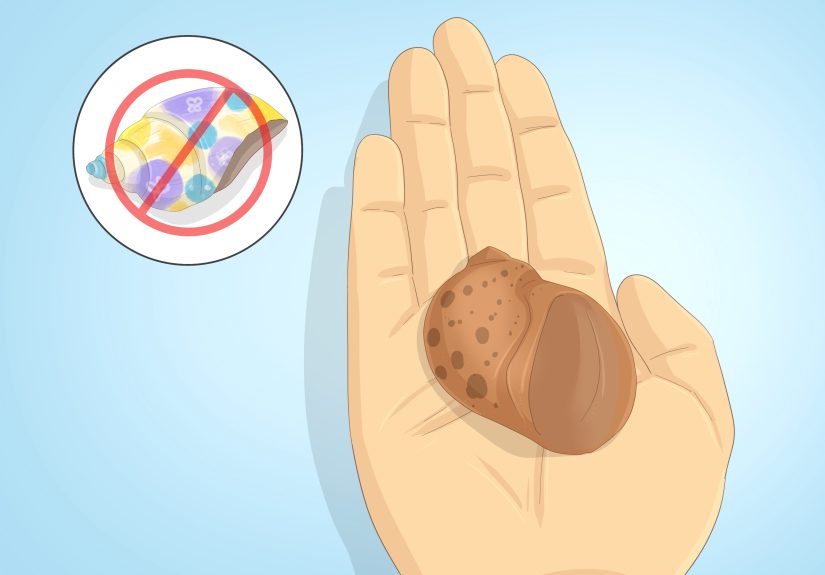
After molting, a hermit crab may need a larger shell. Offer multiple clean, appropriately sized natural shells with different openings. Never use painted shells. Paint can chip, trap the crab, or expose it to unsafe substances. Shell shopping should be luxurious, not toxic.
Watch Without Hovering
Observe your crab, but avoid unnecessary handling. A newly molted crab may still be delicate. Let it eat, drink, explore, and choose shells on its own schedule.
Common Molting Mistakes to Avoid
Digging Up a Missing Crab
This is the big one. Many new keepers worry when a crab disappears and start digging. Unfortunately, this can destroy the molt chamber and harm the crab. Unless there is a real emergency, leave buried crabs alone.
Using Shallow or Dry Substrate
Shallow substrate does not allow safe molting. Dry substrate collapses easily and may not support a proper molt chamber. Keep the substrate deep, packable, and moist without being waterlogged.
Removing the Exoskeleton
The shed exoskeleton is not trash. It is a mineral snack with a purpose. Leave it with the crab until the crab has finished eating it or clearly moved on.
Overhandling
Hermit crabs are fascinating, but they are not cuddly pets. Handling can stress them, especially around molting. Admire them like tiny armored roommates, not toys.
Ignoring Tank Mates
Tank mates may disturb a vulnerable surface molter. If a crab molts above ground, protect it quickly and gently. For buried molts, make sure the tank is large enough and has enough resources so other crabs are less likely to dig aggressively in the same area.
How Long Does Hermit Crab Molting Take?
Molting time varies widely. A small crab may return in a few weeks. A medium crab may take a month or more. A large crab may remain buried for several months. The process includes preparation, shedding, eating the exoskeleton, resting, hardening, and finally returning to the surface.
It is normal to feel impatient. It is also normal to question every tiny smell, sound, and grain of sand. Still, stable care is better than constant interference. If the tank smells strongly rotten or fishy, that may indicate a problem. But if there is no foul odor and conditions are good, waiting is usually the right move.
Creating a Molt-Safe Routine
A molt-safe routine makes life easier for both you and your crabs. Check temperature and humidity daily. Keep water dishes clean and full. Rotate fresh foods and remove spoiled food before it molds. Keep shell options available. Avoid rearranging the tank when a crab is missing. Most importantly, treat the substrate as sacred ground when someone is buried.
Think of molting like a private construction project. Your crab is underground rebuilding its entire outfit from scratch. It does not need a manager. It needs stable humidity, warmth, nutrients, and peace.
Extra Experience-Based Tips for Caring for Molting Hermit Crabs
Experienced hermit crab keepers often learn that molting care is less about dramatic rescue and more about quiet consistency. The hardest part is trusting the process. A crab disappears, the tank looks strangely empty, and suddenly you are negotiating with sand. “Are you alive under there?” you ask. The sand, being sand, offers no comfort.
One useful habit is keeping a simple crab journal. Write down when each crab was last seen, any pre-molt signs, food preferences, shell changes, and when it reappears. This helps you notice patterns. For example, one crab may always dig for a week before molting, while another may vanish overnight like a tiny magician with claws. Over time, you become less panicked because you know what is normal for each crab.
Another practical tip is to prepare the tank before you ever suspect a molt. Many molting problems happen because keepers wait until a crab is already buried to fix substrate, humidity, or heating. By then, major changes can be risky. Keep the substrate deep year-round. Keep gauges working. Keep extra shells available. A good hermit crab habitat should always be ready for someone to announce, without warning, “I am going underground for personal growth.”
Food variety also makes a noticeable difference. Before molts, some crabs become enthusiastic eaters. They may drag food into corners, guard favorite pieces, or act like they have discovered the buffet at a luxury resort. Offering calcium, protein, greens, leaves, and natural foods gives them the building blocks they need. A crab that eats well before a molt often has a better chance of coming through strong.
Surface molts are the moments when calm matters most. It is easy to panic when you see a soft crab above ground, especially if other crabs are nearby. The best response is gentle protection, not a full emergency circus. Cover or isolate the crab inside the main tank when possible, keep the exoskeleton with it, and avoid touching the crab directly. The goal is to create a tiny no-bother zone while keeping temperature and humidity stable.
Tank design can reduce stress too. Provide multiple hides, climbing areas, leaf litter, moss pits, and enough space so crabs are not constantly competing. Crowded crabs may dig into each other’s areas or fight over resources. Molting is already stressful enough; nobody needs a roommate with boundary issues.
Finally, remember that responsible hermit crab care requires patience. These animals are often sold as simple starter pets, but their needs are surprisingly complex. A healthy molt is one of the clearest signs that your habitat is working. When a crab reappears after weeks underground, fresh and bright in a chosen shell, it feels like a tiny victory parade. No confetti needed. Actually, please do not put confetti in the tank.
Conclusion
Caring for molting hermit crabs comes down to preparation, patience, and restraint. Provide deep, moist substrate, stable warmth, proper humidity, clean fresh and salt water, nutritious food, and safe shell choices. Once your crab buries itself, resist the urge to dig. If a surface molt happens, protect the crab gently and keep the shed exoskeleton nearby. After the molt, support recovery with calcium, protein, and peace.
Hermit crab molting may look mysterious, but it is a normal and essential part of growth. Your job is not to micromanage the molt. Your job is to create a safe environment where your crab can do what nature designed it to do. Give it the right conditions, a little privacy, and the dignity of not being excavated by a worried giant with a spoon.