Table of Contents >> Show >> Hide
- What a “Good Housewife” Actually Means Now
- 1. Run the Home on Routines, Not Daily Heroics
- 2. Treat Homemaking Like a Real JobBecause It Is One
- 3. Keep the House Clean Enough to Be Peaceful, Not Perfect
- 4. Learn to Cook Smarter, Not Harder
- 5. Be the CFO of the Household, Not Just the Shopper
- 6. Keep Communication Warm, Clear, and Adult
- 7. Do Not Carry the Entire Home Alone
- 8. Take Care of Yourself Like You MatterBecause You Do
- 9. Make the Home Feel Safe and Prepared
- The Real Secret: Choose Care Over Performance
- Experience-Based Lessons From Real Homes
- Conclusion
- SEO Tags
If the phrase good housewife makes you picture pearls, a casserole, and a woman somehow ironing with one hand while emotionally supporting everyone with the other, let’s update the image. A good housewife today is not a silent domestic robot with a vacuum attachment. She is a homemaker, household manager, schedule-juggler, budget-watcher, meal-planner, mood-reader, andon some Tuesdaysa finder of missing socks with FBI-level skill.
In other words, being a good housewife is not about performing perfection. It is about creating a home that feels stable, cared for, functional, and human. That means less “my baseboards sparkle at dawn” and more “people in this house know where the clean towels are, what’s for dinner, and who is picking up the dog food.”
If you have chosen this role full time or mostly full time, the goal is not to become a servant. The goal is to become excellent at home life without disappearing inside it. That balance matters. A well-run home supports the people who live in it, including you.
What a “Good Housewife” Actually Means Now
A good housewife is someone who helps her household run smoothly with care, consistency, and common sense. She creates routines instead of daily chaos. She manages the invisible work, but she does not have to carry every single task alone. She keeps the home reasonably clean, the pantry reasonably stocked, the family reasonably fed, and herself reasonably sane.
Notice the repeated word there: reasonably. That word will save your life.
Being good at homemaking does not mean your living room looks like a furniture catalog at all hours. It means your home works for real people with real schedules, real messes, and real moods. A healthy home is not spotless every minute. It is safe, organized enough to function, and warm enough to make people want to be there.
1. Run the Home on Routines, Not Daily Heroics
If every day feels like an emergency, the problem is probably not your effort. It is your system. Good homemakers lean hard on routines because routines reduce stress, lower decision fatigue, and make family life feel predictable.
Start with the big anchors of the day:
- morning reset
- meal times
- after-school or after-work transition
- evening tidy-up
- bedtime routine
These do not need to be fancy. A morning routine can be as simple as open curtains, start laundry, unload dishwasher, review the day. An evening routine might mean clearing counters, setting out clothes for tomorrow, checking the calendar, and doing one quick 10-minute pickup.
The magic of routines is that they make ordinary life feel less like improvisational theater. Children tend to do better with predictable structure, and adults do too, even if we pretend otherwise while drinking coffee like it is emotional armor.
Try This Simple Daily Framework
Morning: make beds, start one load of laundry, breakfast, quick kitchen wipe-down.
Midday: errands, meal prep, budget check, one focused cleaning task.
Late afternoon: reset main living area, prep dinner, check tomorrow’s schedule.
Evening: dishes, lunch prep, 10-minute tidy, shower, bedtime wind-down.
When a household follows rhythm instead of chaos, everything feels lighter.
2. Treat Homemaking Like a Real JobBecause It Is One
One reason many stay-at-home spouses feel overwhelmed is that homemaking is often treated like a vague cloud of chores instead of a serious role with actual categories of work. That is a mistake. A good housewife does not just “clean and cook.” She manages operations.
Break your responsibilities into departments:
- Food: meal planning, grocery lists, pantry rotation, leftovers
- Cleaning: daily upkeep, weekly cleaning, deeper seasonal tasks
- Laundry: washing, folding, putting away before Mount Fabric becomes a landmark
- Scheduling: appointments, school forms, activities, birthdays
- Budgeting: groceries, bills, subscriptions, savings
- Family support: emotional tone, routines, communication, problem-solving
Once you see the work clearly, you can manage it better. Use a planner, a wall calendar, a notes app, or an old-school notebook. It does not matter whether your system is digital, paper, or written on the back of an envelope with excellent intentions. What matters is that the mental load leaves your brain and lands somewhere visible.
Create a Weekly Home Rhythm
Many homemakers do well with themed days:
- Monday: laundry and linens
- Tuesday: bathrooms and restock supplies
- Wednesday: groceries and meal prep
- Thursday: paperwork, budget, calendar
- Friday: floors and fridge clean-out
- Weekend: family reset, outings, flexible catch-up
A weekly rhythm keeps the house from turning into a game of “Why is this happening to me?” every Friday night.
3. Keep the House Clean Enough to Be Peaceful, Not Perfect
A good housewife understands an important truth: cleanliness matters, but perfection is a trap. You do not need a museum. You need a home that feels healthy, comfortable, and manageable.
Focus first on the high-impact areas:
- kitchen counters and sink
- bathrooms
- floors in main traffic areas
- laundry control
- entryway clutter
If those areas are under control, the whole home feels more organized. Daily maintenance beats marathon cleaning every time. Wipe surfaces as you go. Put things away before they multiply. Clean the kitchen every evening, because waking up to a sink full of dishes is a rude way to begin a relationship with the day.
The 15-Minute Reset Rule
Set a timer for 15 minutes and clean what matters most. You would be amazed at what can happen in a focused quarter hour: dishes done, shoes corralled, counters wiped, toys tossed into baskets, mail sorted, and your blood pressure slightly less dramatic.
Also, do not confuse visible clutter with personal failure. Homes are lived in. The goal is maintenance, not a photo shoot.
4. Learn to Cook Smarter, Not Harder
Cooking is one of the most valuable homemaking skills because it touches health, budget, routine, and comfort all at once. But being a good housewife does not mean producing restaurant-level dinners every night. It means feeding your household well without making yourself miserable.
The smartest move is meal planning. When you know what you are making for the week, you save money, reduce last-minute stress, use groceries more efficiently, and avoid the dangerous 5:12 p.m. question: “Should we just order something?”
Build a Practical Meal System
Keep a master list of easy family favorites, then rotate them:
- taco night
- sheet-pan chicken and vegetables
- pasta with salad
- breakfast-for-dinner
- soup and sandwiches
- rice bowls or grain bowls
- leftovers night
Shop with a list. Check what you already have before buying more. Use frozen and canned produce when it saves money and time. Cook a little extra so tomorrow’s lunch is not a crisis. Keep simple backup meals on hand for exhausting days.
And remember this deeply comforting truth: “homemade” does not lose its dignity because you used a rotisserie chicken.
5. Be the CFO of the Household, Not Just the Shopper
A good housewife pays attention to money. You do not need a finance degree or a spreadsheet with seventeen color codes to do this well. You simply need awareness, planning, and follow-through.
Know these numbers:
- monthly grocery target
- household essentials budget
- recurring bills and subscriptions
- upcoming irregular expenses
- savings priorities
Household management becomes far easier when spending is intentional. That means meal planning before shopping, comparing unit prices when needed, resisting fake bargains, and stocking basics before the house runs out of everything at the exact same time. Because of course shampoo, dish soap, and toilet paper love to stage a group exit.
If you share finances with a spouse, communicate clearly. Hidden stress about money can poison the mood of a home faster than almost anything else. A weekly money check-in is less scary than a monthly panic session.
6. Keep Communication Warm, Clear, and Adult
A good housewife is not just managing tasks. She is helping shape the emotional climate of the home. That does not mean smiling through exhaustion like a sitcom mother from 1962. It means communicating with honesty, calm, and teamwork.
Talk often with your spouse or partner about:
- who is responsible for what
- what is working
- what feels unfair
- what needs to change this week
- what support each person needs
Have short family meetings if your household is busy. Go over schedules, meals, rides, chores, appointments, and any brewing problems before they become household theater. Clear communication saves resentment, and resentment is terrible wallpaper.
If you are raising children, keep expectations simple and consistent. They do better when they know what happens when, what is expected, and how they can help. Even small children can learn routines, responsibility, and basic participation.
7. Do Not Carry the Entire Home Alone
This section matters. A good housewife is not the same thing as an overfunctioning woman who quietly does everything until she becomes a walking stress response in leggings.
The invisible work of keeping a home going is real. Planning meals, remembering birthdays, noticing low detergent, scheduling appointments, rotating clothes, answering school emails, and tracking everyone’s needs takes mental energy. If you try to carry all of it indefinitely without support, burnout is not a possibility. It is basically a calendar invitation.
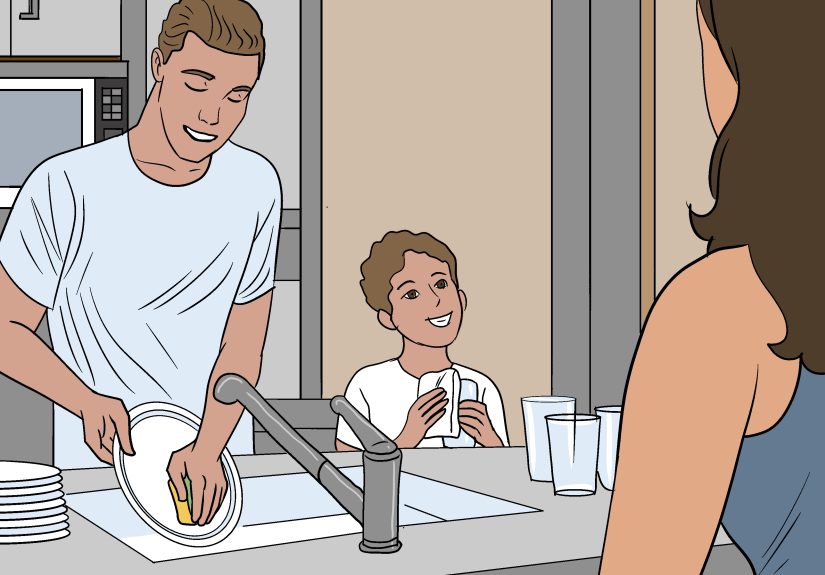
Ask for help. Delegate. Teach children to contribute in age-appropriate ways. Let your spouse own whole responsibilities, not just “help” when told. There is a big difference between assigning someone a task and making yourself the lifelong project manager of another adult.
What Shared Responsibility Can Look Like
- one adult handles bills and insurance paperwork
- one handles school transport or sports logistics
- kids clear dishes, sort laundry, feed pets, or tidy shared spaces
- everyone participates in a weekly house reset
A home runs better when everyone who lives in it acts like they live in it.
8. Take Care of Yourself Like You MatterBecause You Do
Homemaking can blur into caregiving, and caregiving can easily slide into exhaustion. Many women ignore their own sleep, health, hobbies, friendships, and peace because someone always needs something. But a drained homemaker is not a more loving homemaker. She is just tired.
Protect the basics:
- sleep
- regular meals
- movement
- medical appointments
- quiet time
- adult conversation
Self-care does not have to be glamorous. It can be a walk after dinner, tea in silence before the house wakes up, one uninterrupted shower, reading instead of doom-scrolling, or trading childcare with someone so you can breathe like a person again.
A good housewife does not prove love by running herself into the ground. She builds a home that includes her well-being too.
9. Make the Home Feel Safe and Prepared
Comfort matters, but safety matters too. Good homemaking includes practical readiness. Keep basic medications stocked, check pantry dates, know where important documents are, and have a simple emergency plan for storms, power outages, or evacuations. If you have children, they should know basic safety rules and who to contact in an emergency.
This may not sound glamorous, but nothing says “competent household management” like knowing where the flashlight is when the power goes out instead of holding your phone under your chin like a haunted librarian.
The Real Secret: Choose Care Over Performance
At the heart of all this, being a good housewife is less about image and more about atmosphere. Does your home feel cared for? Are people fed, supported, and guided? Is there a rhythm to the week? Are problems handled before they become disasters? Are you treating yourself as a member of the household, not just the unpaid staff?
The best homemakers are not usually the loudest or the flashiest. They are the women who create steadiness. They notice what needs doing, build workable systems, stay flexible when life gets messy, and understand that love often looks like practical things repeated consistently.
Clean towels. Cut fruit. A calm voice. A planned dinner. A stocked bathroom drawer. A shared calendar. A home that says, “You are safe here.” That is real skill. That is real work. And yes, that is what being a good housewife can look like.
Experience-Based Lessons From Real Homes
In real life, most women do not become good homemakers in one dramatic transformation involving labeled glass jars and miraculous inner peace. Usually, it happens the messy way: by trial and error. A woman starts out thinking she needs to do everything perfectly. Then she lives through enough chaotic mornings, mystery grocery bills, sticky floors, missed appointments, and “What’s for dinner?” interrogations to realize that perfection is useless but systems are gold.
Many women discover that the biggest breakthrough is not learning how to fold fitted sheetsbecause honestly, that remains suspiciousbut learning how to reduce friction in the home. They begin leaving tomorrow’s clothes out the night before. They keep a notepad for groceries. They stop making ten different dinners for ten different moods. They create one laundry day for towels, one for clothing, and one for bedding. Suddenly, life is not easier because the family became less demanding. It is easier because the house stopped running on memory and panic.
Another common lesson is that resentment grows fastest where expectations stay unspoken. Plenty of housewives have had the same awakening: if you never clearly say what you need, everyone around you may assume everything is fine. Then one day you are furious that nobody noticed the dishwasher needed unloading, the child needed new socks, the dog needed a vet appointment, and your soul needed a weekend. Clear requests are not selfish. They are efficient. In strong homes, communication gets better before attitudes do.
Experience also teaches that children usually rise more than adults expect. A child who can spill cereal can probably wipe a table. A teen who can make a 45-minute video about sneakers can probably take out the trash without entering a philosophical crisis. Women who build small chore habits into family life often say the same thing: the house becomes lighter, and the children become more capable. That is a win for everyone.
Seasonal change is another real-world teacher. Homemaking with a newborn is not the same as homemaking with toddlers, teenagers, aging parents, or a spouse working unpredictable hours. Experienced housewives learn to stop measuring themselves against a fantasy version of home life that belongs to another season. Some weeks are survival weeks. Some are beautifully productive. Wisdom is knowing the difference and adjusting without guilt.
And maybe the most honest lesson of all is this: the homes that feel best are not always the cleanest. They are the ones with a workable rhythm, enough food, decent communication, a little laughter, and a woman at the center who has not been erased by responsibility. The best housewives are rarely perfect. They are observant, adaptable, practical, warm, and increasingly unwilling to confuse burnout with virtue. That kind of experience does not look flashy online, but inside a real home, it is priceless.
Conclusion
So, how do you be a good housewife? Not by chasing a polished fantasy. You do it by building a home that works. Create routines. Plan meals. Manage money. Clean strategically. Communicate clearly. Teach everyone to contribute. Protect your own health. And remember that a peaceful home is made from repeated care, not dramatic effort.
A good housewife is not measured by perfection. She is measured by steadiness, thoughtfulness, and the ability to turn ordinary daily tasks into a home that feels functional, welcoming, and loved.