Table of Contents >> Show >> Hide
- Why This Chocolate Cake Recipe Works
- Ingredients You'll Need
- Equipment You'll Want on Hand
- Step-By-Step: How to Make Chocolate Cake
- Common Chocolate Cake Mistakes to Avoid
- Easy Variations
- How to Store Chocolate Cake
- Final Thoughts
- Kitchen Experiences: What Baking Chocolate Cake Actually Teaches You
- SEO Tags
Chocolate cake has a funny way of making people suddenly very available. Say, “I baked a chocolate cake,” and even the folks who were “too full for dessert” start drifting into the kitchen like cartoon characters floating toward pie on a windowsill. That is the power of a good chocolate cake: rich, soft, deeply chocolatey, and just dramatic enough to feel special without requiring pastry-school trauma.
If you have ever wondered how to make chocolate cake from scratch, the good news is this: it is not nearly as complicated as it sounds. You do not need a culinary degree, a vintage apron, or nerves of steel. You just need solid ingredients, a reliable method, and the willingness to trust a batter that looks thinner than you expected. This guide walks you through every step, from choosing cocoa powder to frosting the cooled layers like the capable dessert legend you are about to become.
This is a classic American-style chocolate layer cake with a moist crumb, bold cocoa flavor, and an easy chocolate frosting that spreads like a dream. It is the kind of cake that works for birthdays, potlucks, Sunday dinners, and those random evenings when life says, “You know what would help? Cake.”
Why This Chocolate Cake Recipe Works
A truly good homemade chocolate cake needs to hit a few non-negotiables. First, it should taste like chocolate, not vaguely brown vanilla. Second, it should stay moist for more than six minutes after slicing. Third, it should be simple enough that home bakers do not feel like they are defusing a bomb.
This version works because it balances the ingredients smartly. Unsweetened cocoa powder provides the core chocolate flavor. Buttermilk adds tenderness and a light tang that keeps the cake from tasting flat. Oil helps create a soft, moist crumb that stays pleasant even after the cake has cooled. Hot coffee deepens the cocoa flavor without making the cake taste like a latte in formalwear. And using both baking soda and baking powder gives the layers a dependable lift.
In other words, this cake is not trying to be fussy. It is trying to be delicious. That is a goal everyone can support.
Ingredients You'll Need
For the Chocolate Cake
- 2 cups all-purpose flour
- 1 3/4 cups granulated sugar
- 3/4 cup unsweetened natural cocoa powder
- 1 1/2 teaspoons baking powder
- 1 1/2 teaspoons baking soda
- 1 teaspoon fine salt
- 2 large eggs, room temperature
- 1 cup buttermilk, room temperature
- 1/2 cup neutral oil, such as canola or vegetable oil
- 2 teaspoons pure vanilla extract
- 1 cup hot brewed coffee or hot water
For the Chocolate Frosting
- 1 cup unsalted butter, softened
- 3/4 cup unsweetened cocoa powder
- 4 cups powdered sugar
- 1/4 teaspoon fine salt
- 2 teaspoons pure vanilla extract
- 1/3 to 1/2 cup heavy cream or whole milk, as needed
Optional Finishing Touches
- Chocolate curls
- Sprinkles
- Fresh berries
- A dusting of cocoa powder
- A pinch of flaky salt for grown-up drama
Ingredient tip: Bring the eggs and buttermilk to room temperature before mixing. Cold ingredients can make the batter less smooth and can affect how evenly the cake bakes. Also, if your cocoa powder looks lumpy, sift it or whisk it well with the dry ingredients. Cocoa has a talent for forming stubborn little clumps that refuse to blend politely.
Equipment You'll Want on Hand
- Two 9-inch round cake pans
- Parchment paper
- Large mixing bowls
- Whisk and rubber spatula
- Hand mixer or stand mixer for frosting
- Wire cooling racks
- Serrated knife for leveling, if needed
- Offset spatula for frosting, if you have one
No offset spatula? No problem. A butter knife or the back of a spoon can still get the job done. Perfection is optional. Cake is the main event.
Step-By-Step: How to Make Chocolate Cake
Step 1: Prep the pans and preheat the oven
Preheat your oven to 350°F. Grease two 9-inch round cake pans, line the bottoms with parchment paper, then lightly grease the parchment. If you want extra insurance against sticking, dust the pans with cocoa powder instead of flour. Cocoa keeps the outside of the cake looking chocolatey instead of leaving pale floury patches.
This step is not glamorous, but it matters. A chocolate cake that sticks to the pan becomes a trifle whether you planned one or not.
Step 2: Mix the dry ingredients
In a large bowl, whisk together the flour, sugar, cocoa powder, baking powder, baking soda, and salt. Whisking does more than combine the ingredients. It also breaks up clumps and helps distribute the leavening evenly, which gives you a more consistent rise.
If you are tempted to dump everything in and “let the mixer figure it out,” resist. Cake rewards modest effort up front.
Step 3: Mix the wet ingredients
In a separate bowl, whisk together the eggs, buttermilk, oil, and vanilla extract until smooth. The mixture should look glossy and unified. If the eggs are cold and the mixture seems a bit stiff, let it sit for a few minutes to warm slightly.
The oil in this recipe is one reason the cake stays moist and tender. Butter brings flavor, but oil is the undefeated champion of soft texture in many chocolate cakes. It is not flashy, but neither is the friend who helps you move, and both deserve respect.
Step 4: Combine wet and dry
Pour the wet ingredients into the dry ingredients and whisk until mostly combined. Do not beat the batter aggressively. You are not trying to train it for a marathon. You are simply mixing until the flour disappears.
A few small streaks at this stage are fine because you still have one more liquid addition coming. Overmixing can develop too much gluten and lead to a tougher cake, which is not the vibe we are chasing.
Step 5: Add the hot coffee
Slowly pour in the hot coffee or hot water while whisking gently. The batter will loosen considerably and may look surprisingly thin. That is normal. In fact, that thinner batter is one of the reasons chocolate cakes like this bake up moist and tender.
If you are using coffee, do not worry that the cake will scream “espresso.” Coffee mainly intensifies the chocolate flavor. It is the bass note, not the soloist.
Step 6: Divide and bake
Divide the batter evenly between the prepared pans. Tap each pan lightly on the counter to release any large air bubbles. Bake for 28 to 32 minutes, or until a toothpick inserted in the center comes out with a few moist crumbs but no wet batter.
Every oven has opinions, so start checking around the 28-minute mark. If one layer is done slightly earlier, pull it out and let the other finish. The tops should spring back lightly when touched.
Step 7: Cool the cake layers completely
Let the cakes cool in their pans for about 10 to 15 minutes. Then run a knife around the edges, turn them out onto wire racks, peel off the parchment, and let them cool completely.
This is the part where patience pays off. Warm cake and frosting are not friends. Frosting a warm layer leads to sliding, melting, and emotional weather you do not need. If you are short on time, you can chill the cooled layers briefly in the refrigerator before frosting.
Step 8: Make the chocolate frosting
Using a hand mixer or stand mixer, beat the softened butter until creamy. Add the cocoa powder and mix until combined. Add the powdered sugar gradually, then beat in the salt, vanilla, and enough cream or milk to make the frosting smooth and spreadable.
If the frosting seems too thick, add more cream a tablespoon at a time. If it seems too loose, add a little more powdered sugar. You are aiming for a texture that spreads easily but still holds swirls. Think “soft cloud,” not “wet cement.”
Step 9: Assemble the cake
Place one cake layer on a serving plate or cake stand. Add a generous scoop of frosting and spread it evenly over the top. Set the second layer on top and press very gently to secure it.
Apply a thin crumb coat over the top and sides. This first layer traps loose crumbs so your final coat looks smoother and cleaner. Chill the cake for 15 minutes, then finish frosting the cake with the remaining chocolate frosting.
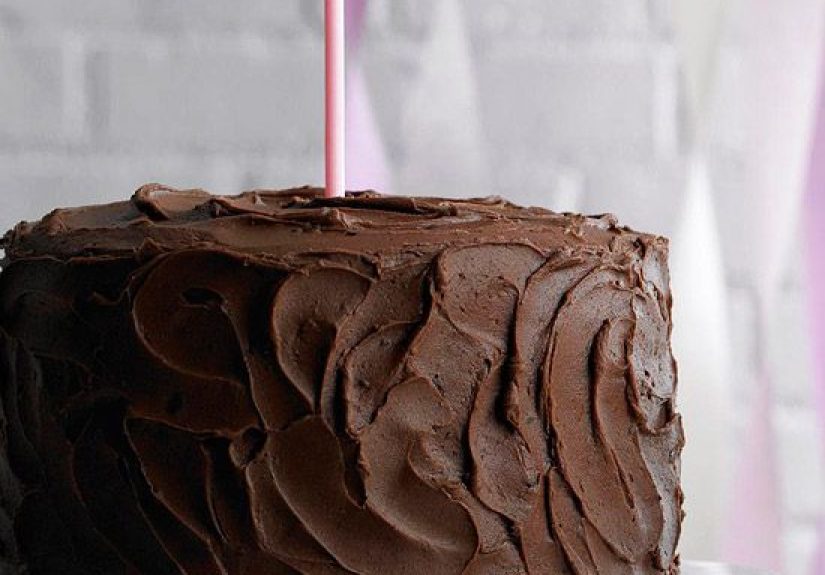
Decorate however you like. Leave it rustic with swirls, or make it fancy with chocolate shavings and berries. A homemade cake does not need to look bakery-perfect to taste magnificent.
Common Chocolate Cake Mistakes to Avoid
1. Overmixing the batter
Once the flour goes in, be gentle. Mix until combined and then stop. Overmixing can make the crumb tough and dense.
2. Using cold ingredients straight from the refrigerator
Room-temperature eggs and buttermilk blend more smoothly into the batter. This helps create a more even texture.
3. Skipping the parchment paper
Even well-greased pans can betray you. Parchment is cheap insurance and saves a lot of heartbreak.
4. Pulling the cake too early
A cake that looks done on top can still be underbaked in the center. Use the toothpick test and trust it more than your hopes.
5. Frosting warm layers
Yes, it smells amazing. No, it is not ready. Let the layers cool completely before frosting.
Easy Variations
Once you know the basic method, chocolate cake becomes wonderfully adaptable. Here are a few easy twists:
- Make it a sheet cake: Bake the batter in a 9×13-inch pan and frost it right in the pan for a casual, crowd-friendly dessert.
- Add espresso powder: A small amount deepens the chocolate flavor even more.
- Use ganache instead of buttercream: For a richer finish, top the cooled cake with chocolate ganache.
- Add a filling: Raspberry jam, chocolate mousse, or whipped peanut butter can turn a simple chocolate cake into a special-occasion centerpiece.
- Make cupcakes: This batter can also be portioned into cupcake tins; just reduce the bake time.
How to Store Chocolate Cake
If the cake is unfrosted, wrap the cooled layers tightly and keep them at room temperature for a short period or freeze them for later assembly. If the cake is fully frosted, cover it well and refrigerate it for longer freshness. Before serving, let it sit at room temperature for a bit so the crumb softens and the frosting becomes creamy again.
Chocolate cake often tastes even better the next day because the flavors settle in and deepen. In other words, leftover cake is not a compromise. It is a strategy.
Final Thoughts
So, how do you make chocolate cake? You start with a strong base of pantry ingredients, mix with intention, bake with a little patience, and frost with confidence. That is really it. Good chocolate cake is not about showing off. It is about balance: deep cocoa flavor, tender texture, enough sweetness to feel indulgent, and a method that works in a real home kitchen.
Once you make this cake a couple of times, it becomes the kind of recipe you can carry in your head. It turns into your birthday cake, your celebration cake, your “I need dessert at once” cake. And that is when you know you have found a keeper.
Kitchen Experiences: What Baking Chocolate Cake Actually Teaches You
The first real lesson chocolate cake teaches is that appearances can be misleading. Many home bakers panic when they add the hot coffee and the batter suddenly looks thin enough to write a strongly worded letter. But that loose batter is often exactly what creates a soft, moist cake. Baking has a funny habit of rewarding calm over panic. The moment you stop fighting the process and start trusting it, your cakes get better.
Another common experience is realizing that chocolate cake is weirdly forgiving in some ways and hilariously strict in others. You can decorate it casually, leave the frosting swirly, skip the fancy piping, and everyone will still cheer. But if you overbake it by five minutes, suddenly the cake turns from lush and tender into something that politely suggests a glass of milk. That contrast teaches attention. Small details matter.
Many bakers also discover that chocolate cake has a way of becoming their “signature” dessert almost by accident. You make it once for a birthday because the store-bought cake looked sad. Then someone asks for it again at a family dinner. Then a friend requests it for a celebration. Before long, people start introducing you as the person who makes that amazing chocolate cake, which is honestly not a bad reputation to have.
There is also the quiet satisfaction of learning your own preferences through repetition. Some people like a lighter, fluffier crumb. Others want a dark, almost fudgy texture. Some swear by buttercream, while others will gladly dive headfirst into ganache. The more often you bake chocolate cake, the more you understand your own style. You stop following recipes like rigid legal documents and start reading them like maps.
One especially relatable experience is discovering that frosting can humble you. The cake layers may come out beautifully, but suddenly you are standing there with a spatula, a rotating plate that is not rotating correctly, and frosting on one elbow for reasons no one can explain. This is normal. Every baker has had a moment where the cake looked “rustic” because the alternative word was “help.” The good news is that chocolate cake is generous. A swoopy finish can look intentional, charming, and delicious all at once.
Chocolate cake also teaches patience in the most delicious way possible. Waiting for layers to cool can feel unreasonable when the kitchen smells like a dream, but rushing the process almost always backfires. Over time, you learn that a little pause makes the whole experience better. The layers stack more cleanly. The frosting behaves. The slices look better. The payoff is worth it.
And finally, there is the social side of it. Chocolate cake rarely stays private. You bring it to a table, and people gather. Someone asks for the recipe. Someone else says it tastes like childhood. Another person claims they “just want a sliver” and somehow returns for a slice shaped like a minor real-estate acquisition. Chocolate cake is comforting that way. It invites conversation, celebration, and second helpings.
That may be the best experience of all. Baking chocolate cake is not only about making dessert. It is about creating a little event, even on an ordinary day. It turns ingredients from the pantry into something generous and memorable. And when a recipe can do that without demanding a reality-show level of stress, it deserves a permanent place in your kitchen.