Table of Contents >> Show >> Hide
- Why Chemotherapy Can Trigger Diarrhea (And Why It Matters)
- First Rule: Know When Diarrhea Is an “At-Home” Issue vs. an “Call Now” Issue
- A Step-by-Step Plan to Manage Diarrhea Around Chemotherapy
- Step 1: Start tracking (yes, really)
- Step 2: Hydrate like it’s your job
- Step 3: Use anti-diarrhea meds exactly the way your team instructed
- Step 4: Switch to a gut-friendly “calm down” menu
- Foods that are often easier during chemotherapy diarrhea
- Foods that often make diarrhea worse (at least temporarily)
- Step 5: Protect your skin (because pain is not a required side effect)
- Common “What If?” Scenarios During Chemo Diarrhea
- Smart Questions to Ask Your Oncology Team
- Prevention Moves (When You’re Not in the Middle of It)
- of Real-World Experience: What People Commonly Learn the Hard Way (So You Don’t Have To)
- Bottom Line
Not the most glamorous topic, but definitely one of the most important. If you’re dealing with diarrhea during chemotherapy, you’re not “being dramatic” and you’re not alone. Chemo can irritate the lining of your digestive tract, change your gut’s normal rhythm, and sometimes mess with the helpful bacteria that keep things… civilized. The result can be urgent, watery stools, cramping, and a whole lot of stress when you’re already juggling enough.
The good news: there are practical ways to manage chemotherapy-related diarrhea and protect your energy, hydration, and dignity. The even better news: you don’t have to figure it out by trial-and-error while sprinting to the bathroom.
Important note: This article is educational and not a substitute for your oncology team’s advice. With cancer treatment, diarrhea can turn serious faster than you’d expectso your care team should always be in the loop.
Why Chemotherapy Can Trigger Diarrhea (And Why It Matters)
Your digestive tract is lined with fast-growing cells. Chemotherapy targets fast-growing cells (that’s how it fights cancer), but it can also irritate the GI lining. When that lining is inflamed or damaged, your intestines may not absorb water well, and everything moves through faster. Some treatments also change bile acids, affect pancreatic enzymes, or alter the gut microbiomeeach one a recipe for “bathroom drama.”
Why you should take it seriously
- Dehydration: You lose fluid quickly and may feel weak, dizzy, or “foggy.”
- Electrolyte imbalance: Low sodium or potassium can make you feel awful and may be dangerous.
- Skin breakdown: Frequent wiping + acidic stool can cause painful irritation.
- Treatment interruptions: Severe diarrhea sometimes leads to dose delays or changes.
First Rule: Know When Diarrhea Is an “At-Home” Issue vs. an “Call Now” Issue
Some diarrhea can be managed at home with food, fluids, and the meds your oncology team recommends. But sometimes it’s a signal of infection, severe inflammation, or a reaction that needs urgent care.
Call your cancer care team right away if you have any of these
- Diarrhea that’s frequent or worsening over 24 hours (especially if meds aren’t helping)
- Fever (even a low-grade one can matter during chemo)
- Blood in stool, black/tarry stool, or severe rectal pain
- Signs of dehydration: dark urine, very little urine, dizziness, dry mouth, confusion
- Severe belly pain, a hard/swollen abdomen, or vomiting that prevents drinking
- New diarrhea if you’re on immunotherapy (it can be immune-related colitis and needs prompt evaluation)
If you’re unsure, call anyway. Your care team would rather answer a “maybe” than treat a preventable emergency later.
A Step-by-Step Plan to Manage Diarrhea Around Chemotherapy
Step 1: Start tracking (yes, really)
This is the least fun stepand one of the most helpful. For 24–48 hours, write down:
- How many loose stools you have (and when)
- Any triggers (certain foods, tube feeds, supplements, dairy, coffee)
- Other symptoms (cramps, fever, nausea, dizziness)
- What you took (anti-diarrhea meds, anti-nausea meds, antibiotics)
This gives your oncology team real data to adjust medications, hydration plans, or treatment timing.
Step 2: Hydrate like it’s your job
When diarrhea hits, your #1 mission is replacing what you’re losingfluids and electrolytes. Water helps, but if stools are frequent, you’ll often do better with drinks that replace salts and sugars too.
Better hydration options:
- Oral rehydration solutions (ORS) or electrolyte drinks (ask your team what they prefer)
- Broth, bouillon, or miso soup (salty can be helpful)
- Water + small salty snacks (if you can tolerate food)
- Weak tea or diluted juice if plain water feels impossible
How to drink when your stomach is cranky: Take small sips frequently instead of chugging a full glass. Think “steady drip,” not “hydration speedrun.”
Step 3: Use anti-diarrhea meds exactly the way your team instructed
For chemotherapy-induced diarrhea, clinicians often recommend medications such as loperamide or prescription options like diphenoxylate/atropine. The key is that dosing can vary based on your chemo regimen and your medical situationso use the plan your oncology team gave you.
Safety reminders:
- Don’t exceed package directions unless your clinician specifically told you to.
- Don’t “power through” severe diarrhea without callingespecially if you have fever, blood, or dehydration signs.
- If you’re also constipated at times, ask how to balance stool softeners/laxatives with anti-diarrheals. Don’t guess.
Step 4: Switch to a gut-friendly “calm down” menu
When your intestines are irritated, the goal is simple: slow things down, reduce irritation, and keep calories coming in (even if it’s a little at a time).
Foods that are often easier during chemotherapy diarrhea
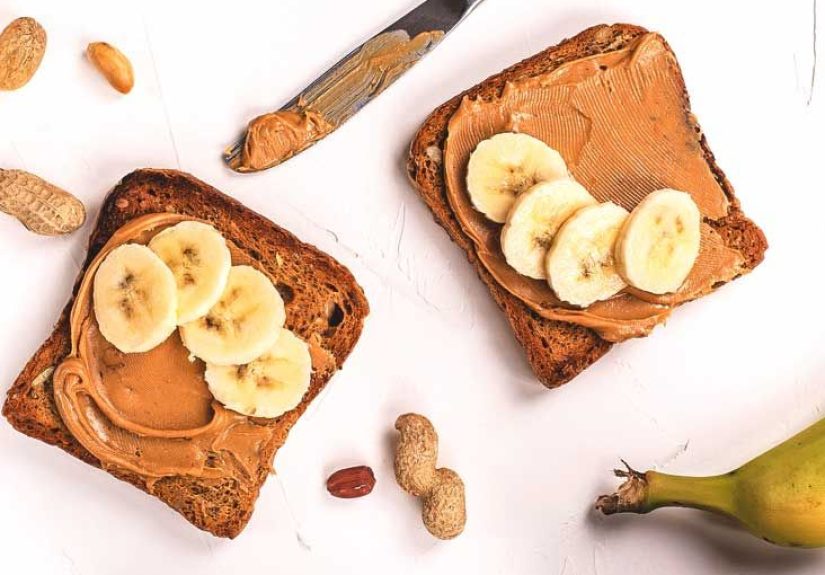
- Bananas
- White rice, pasta, noodles
- Toast, crackers, plain bagels
- Applesauce
- Potatoes (without skin), oatmeal or cream of wheat
- Eggs, lean chicken, smooth nut butter (if tolerated)
- Yogurt with live cultures only if your team says it’s safe (immune status matters)
Foods that often make diarrhea worse (at least temporarily)
- Greasy/fried foods
- Very spicy foods
- High-fiber foods (raw veggies, bran, large salads, beans) during active diarrhea
- Alcohol and lots of caffeine
- Dairy if you notice it triggers symptoms (temporary lactose intolerance can happen)
- Sugar alcohols (sorbitol/xylitol in “sugar-free” candy and gum)
Pro tip: “Healthy” can be a short-term negotiable. If your gut wants plain rice today, give it plain rice today. You can go back to kale when your intestines stop yelling.
Step 5: Protect your skin (because pain is not a required side effect)
Frequent stools can irritate the skin around the anus quickly. Prevention is much easier than treatment.
- Use soft toilet paper or unscented wipes (avoid alcohol/fragrance)
- Pat dry instead of rubbing
- Apply a barrier cream (zinc oxide or petroleum-based) after cleaning
- Consider a sitz bath (warm water soak) if your team approves
Common “What If?” Scenarios During Chemo Diarrhea
What if I’m also nauseated and can’t drink much?
This is one of the quickest paths to dehydration. Use tiny sips every few minutes, try cold fluids, popsicles, or ORS ice chips. If you still can’t keep fluids down, call your teamIV fluids may be needed.
What if I’m on antibiotics (or recently took them)?
Antibiotics can increase the risk of C. diff, an infection that can cause significant diarrhea. If diarrhea is new, severe, or especially smelly/watery after antibiotics, tell your oncology team promptly. You may need stool testing and specific treatment.
What if I’m receiving immunotherapy or a targeted therapy?
Diarrhea can be a sign of immune-related inflammation in the colon. Don’t try to “DIY” your way through itcall your team. Early treatment can prevent serious complications.
What if I have diarrhea every cycle at the same time?
That pattern is useful information. Tell your oncology nurse or doctor exactly when it starts after infusion and how long it lasts. They may adjust supportive meds, recommend preventive strategies, or tweak timing to keep you safer and more comfortable.
Smart Questions to Ask Your Oncology Team
- What’s my action plan at the first loose stool?
- Which anti-diarrhea medication should I useand when do I switch to a different one?
- At what point do you want a call: number of stools, hours, or symptoms?
- Should I avoid probiotics, dairy, or high-fiber foods during treatment?
- Do I need labs (electrolytes) if diarrhea lasts more than a day?
- Should we test for infection if diarrhea is severe or sudden?
Prevention Moves (When You’re Not in the Middle of It)
You can’t always prevent chemotherapy-induced diarrhea, but you can reduce risk and shorten episodes.
- Plan ahead: Keep ORS/electrolyte drinks, bland foods, barrier cream, and any prescribed meds at home before your infusion day.
- Review your meds: Some supplements, magnesium products, stool softeners, or laxatives can worsen diarrheaask what to pause.
- Eat gently around chemo days: Many people do better with smaller meals and lower-fat choices the day before and after treatment.
- Stay ahead of dehydration: Sip regularly even before symptoms start, especially if your regimen commonly causes diarrhea.
of Real-World Experience: What People Commonly Learn the Hard Way (So You Don’t Have To)
I don’t have personal experiences, but I can share patterns that patients and caregivers commonly describewhat tends to surprise them, what actually helps at 2 a.m., and what they wish they’d done earlier. Consider this the “been-there wisdom” section, minus the awkward oversharing.
1) “I thought I should wait and see.”
A lot of people assume diarrhea is just an annoying side effect and try to ride it out. The most common regret? Waiting too long to start the plan their care team gave them. Many patients report that when they treat diarrhea earlyat the first sign of loose stool, with the approved medication and hydration planthey avoid the spiral into dehydration and exhaustion. The takeaway: don’t be a hero. Be a planner.
2) “Hydration didn’t feel urgent… until it did.”
People often say the biggest “aha” moment was realizing how fast dehydration can hit during chemo. It’s not always dramatic at first; it can show up as fatigue that feels like chemo fatigue (so it’s easy to miss), plus headache, dizziness, and dark urine. Many caregivers describe using simple cues: a water bottle that must be refilled a certain number of times, phone reminders to sip every 10–15 minutes, and an electrolyte drink “quota” when stools increase. Small sips, often, tends to be the strategy that actually sticks.
3) “My ‘healthy’ diet backfired during the flare.”
Some patients keep eating high-fiber foods because they’re trying to “eat clean”salads, raw vegetables, whole grains, beans. Then diarrhea gets worse and they feel confused or guilty. A common learning: during active diarrhea, many people do better switching temporarily to bland, low-fiber foods until stools calm down. Once things stabilize, they gradually reintroduce fiber. It’s not giving up on nutrition; it’s choosing the right nutrition for the moment.
4) “Skin care was not optional.”
One of the most practical pieces of advice patients share is this: start barrier cream early, not after the skin already hurts. People describe keeping supplies within arm’s reachunscented wipes, soft tissue, barrier ointmentbecause walking across the house while urgently needing the bathroom is its own kind of misery. If irritation starts, many find gentle cleaning, patting dry, and reapplying barrier cream consistently can make a big difference in comfort.
5) “Calling the nurse line saved me days of suffering.”
A surprisingly common story is that one phone call changed everything: the care team adjusted meds, recommended labs, arranged fluids, or checked for infection. Patients often say they worried about being “a bother,” but later realized their oncology team expects these callsbecause diarrhea can be a safety issue, not just a nuisance. If you remember nothing else from this section, remember this: your care team would rather hear from you early.
Bottom Line
Managing diarrhea around chemotherapy is about acting early, hydrating smartly, eating gently, and using the medication plan your oncology team recommends. Diarrhea can feel embarrassing and disruptivebut it’s also a medical symptom that deserves quick attention. If it’s frequent, severe, or paired with fever, blood, intense pain, or dehydration, don’t wait. Call your care team and let them help you get ahead of it.