Table of Contents >> Show >> Hide
- What Is the Holmes Inset Medicine Cabinet?
- Why Recessed Medicine Cabinets Are Popular Again
- Holmes Inset Medicine Cabinet Materials and Finishes
- Sizes and Installation Planning
- Storage Capacity and Everyday Function
- Design Ideas for Different Bathroom Styles
- Pros and Cons of the Holmes Inset Medicine Cabinet
- Who Should Choose the Holmes Inset Medicine Cabinet?
- Buying and Planning Tips
- Care and Maintenance
- Real-Life Experience: Living With a Holmes Inset Medicine Cabinet
- Conclusion
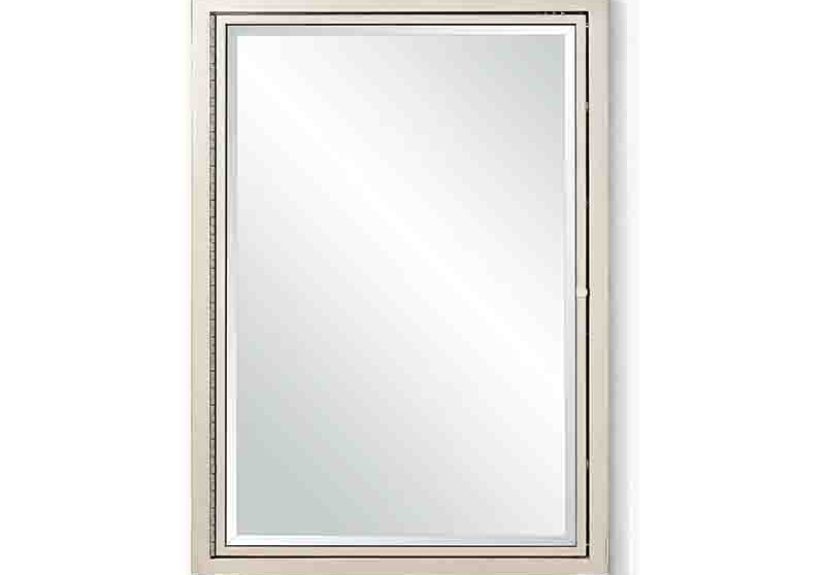
The Holmes Inset Medicine Cabinet is the bathroom upgrade for people who want storage without turning the wall above the sink into a bulky box. It is sleek, refined, and wonderfully practicalbasically the bathroom equivalent of wearing a tailored blazer with secret inside pockets. From the outside, it reads like an elegant framed mirror. Open the door, and suddenly there is room for skincare, grooming tools, toothpaste, cotton swabs, and the suspicious number of lip balms that seem to multiply when nobody is looking.
Designed as a recessed, or inset, medicine cabinet, the Holmes model is made to sit inside the wall cavity rather than protrude dramatically into the room. That built-in look is a major reason homeowners, designers, and remodelers keep coming back to recessed medicine cabinets. They save visual space, keep the vanity area cleaner, and offer everyday storage right where people actually need it: above the sink, not across the bathroom in a drawer you only open when you are already late.
What makes the Holmes Inset Medicine Cabinet stand out is its polished, high-end approach. It features a mirrored door framed in durable stainless steel, adjustable tempered-glass shelves, and hand-polished finishes that give it a crisp architectural presence. Available finish options such as black, brass, and nickel make it flexible enough for modern, transitional, and classic bathrooms. In short, it is not just a place to hide floss. It is a design decision.
What Is the Holmes Inset Medicine Cabinet?
The Holmes Inset Medicine Cabinet is a recessed bathroom storage cabinet with a mirrored front and a metal frame. “Inset” means the main box of the cabinet is installed into the wall, creating a cleaner and more integrated appearance than many surface-mounted cabinets. Instead of hanging like a shallow box on top of the wall, it nestles into the framing, leaving the mirror and frame as the visible design element.
This style works especially well in bathrooms where every inch counts. Powder rooms, narrow guest baths, and primary bathrooms with carefully planned vanities can all benefit from a medicine cabinet that does not jut forward. The result feels calmer and more custom, even when the rest of the room is doing normal bathroom things, like hosting half-used moisturizer bottles and one mystery comb from 2019.
Core Design Features
The Holmes cabinet focuses on three big design promises: elegant materials, flexible storage, and a streamlined inset profile. Its stainless steel frame gives the cabinet structure and durability, while the mirrored door keeps the look functional and familiar. Inside, adjustable tempered-glass shelves make it easier to customize the storage layout for tall bottles, small jars, shaving supplies, contact lens cases, or daily grooming items.
The design avoids the generic “builder-grade rectangle” problem that gives some medicine cabinets a bad reputation. Instead, the Holmes Inset Medicine Cabinet looks intentional. The framed mirror adds definition without becoming heavy, and the available finishes allow it to coordinate with faucets, lighting, cabinet hardware, towel bars, and other bathroom accessories.
Why Recessed Medicine Cabinets Are Popular Again
For years, some designers avoided medicine cabinets because many options looked plain, bulky, or overly utilitarian. The modern recessed medicine cabinet has changed that conversation. Today’s better models combine storage with strong design, letting homeowners keep bathroom counters clear while still enjoying a stylish mirror.
A recessed medicine cabinet is particularly helpful because it uses wall depth instead of room depth. In a small bathroom, even a few inches of projection can make the sink area feel crowded. A recessed cabinet keeps the silhouette tidy, which is one reason it works so well with floating vanities, narrow vanities, and bathrooms where the mirror is a focal point.
Inset vs. Surface-Mount: The Practical Difference
A surface-mounted medicine cabinet attaches directly to the wall. It is usually easier to install and replace because it does not require opening the wall. However, it projects outward, which can look less integrated in a carefully designed bathroom.
An inset medicine cabinet, like the Holmes, requires a framed opening inside the wall. That makes installation more involved, but the finished result looks smoother and more architectural. If you are already remodeling the bathroom, choosing a recessed cabinet during the planning stage is usually much easier than trying to add one after tile, lighting, and plumbing are finished.
Holmes Inset Medicine Cabinet Materials and Finishes
Material choice matters in a bathroom because moisture is always part of the story. Steam, splashes, cleaning products, and daily use can be rough on poorly made fixtures. The Holmes cabinet uses a stainless steel frame, a smart choice for a bathroom environment because stainless steel offers strength and a polished appearance.
The mirrored door keeps the cabinet useful for grooming, shaving, skincare, and quick “Do I have toothpaste on my shirt?” checks. Adjustable tempered-glass shelves add another premium touch. Tempered glass is commonly used in quality bathroom storage because it feels clean, resists staining, and visually disappears more than wood or plastic shelving.
Finish Options: Black, Brass, and Nickel
The finish you choose can change the entire mood of the bathroom. A black Holmes Inset Medicine Cabinet feels crisp, modern, and graphic. It pairs beautifully with white tile, stone countertops, matte black faucets, and warm wood vanities.
A brass finish brings warmth and a slightly vintage-luxe character. It can soften marble, brighten neutral tile, and give the vanity area a designer feel. Nickel, on the other hand, is the classic team player. It works with polished chrome, brushed nickel, gray stone, white oak, and many traditional bathroom palettes. If black is the dramatic friend and brass is the glamorous friend, nickel is the one who shows up on time and somehow matches everything.
Sizes and Installation Planning
The Holmes Inset Medicine Cabinet has been documented in small and large recessed box sizes. The small recessed portion is listed at approximately 17 1/4 inches wide, 23 5/8 inches high, and 3 7/8 inches deep. The large recessed portion is listed at approximately 22 7/8 inches wide, 32 3/4 inches high, and 3 7/8 inches deep. These measurements matter because recessed cabinets must fit into framed wall cavities, not just look good on a product page.
Before purchasing any inset medicine cabinet, measure the vanity width, the available wall height, the faucet clearance, and the distance to wall sconces or overhead lighting. A medicine cabinet should usually be the same width as the vanity or slightly narrower. It also needs enough clearance so the door can open comfortably without bumping into light fixtures, side walls, shelves, or decorative objects.
Professional Installation Is Strongly Recommended
Installing a recessed medicine cabinet is not the same as hanging a picture frame. The wall may contain studs, plumbing, electrical wiring, vent pipes, or blocking from previous construction. The Holmes installation guidance recommends professional installation and proper wall blocking. That is not a tiny detail. Blocking gives the cabinet the support it needs so the unit stays secure, level, and safe over time.
The cabinet is installed into pre-installed blocking in the wall cavity and secured with screws appropriate for the wall substrate. The door can also be oriented to open from the left or right by rotating the cabinet 180 degrees before installation. That reversible door feature is helpful because bathroom layouts vary. Sometimes the door should swing away from a side wall. Sometimes it should open toward the user’s dominant hand. Sometimes it just needs to avoid attacking the sconce like a tiny mirrored drawbridge.
Storage Capacity and Everyday Function
The Holmes Inset Medicine Cabinet is more than a pretty mirror. Its adjustable tempered-glass shelves allow users to create storage zones inside the cabinet. The larger model has been shown with four shelves, while the smaller version uses three. Adjustable shelving is important because bathroom products rarely come in cooperative sizes. A face serum may be two inches tall. A cleanser may be seven inches tall. A hairspray bottle may behave like it needs its own apartment.
With flexible shelf placement, the cabinet can hold daily essentials in a logical way. Keep oral care items on one shelf, skincare on another, shaving tools together, and small first-aid items in a separate container. The goal is not just to store more; it is to reduce visual clutter and make the morning routine smoother.
What to Store Inside
A Holmes cabinet is ideal for items used near the sink: toothbrushes, toothpaste, floss, razors, shaving cream, contact lens supplies, facial cleanser, sunscreen, moisturizer, tweezers, nail clippers, cotton rounds, and small grooming tools. For medications, follow the storage instructions on the label, since some products need cool, dry conditions and may not belong in a humid bathroom. If children visit or live in the home, keep potentially harmful items secured and out of reach.
To make the most of the space, use small clear bins or narrow trays inside the cabinet. Grouping items prevents tiny objects from sliding around and makes cleaning easier. A cabinet with glass shelves looks best when it is organized simply, not packed like a suitcase five minutes before a flight.
Design Ideas for Different Bathroom Styles
The Holmes Inset Medicine Cabinet can adapt to several bathroom looks because its shape is restrained and its finishes are versatile. In a modern bathroom, pair the black finish with large-format tile, a floating vanity, a wall-mounted faucet, and minimal sconces. The cabinet becomes a sharp frame that anchors the vanity wall.
In a traditional bathroom, nickel works beautifully with marble counters, polished fixtures, classic subway tile, and shaker-style cabinetry. The mirrored door keeps the room bright, while the frame adds just enough definition. For a warmer transitional space, brass can connect with aged brass lighting, creamy wall colors, natural stone, and wood tones.
Lighting Around the Cabinet
Lighting is one of the easiest ways to make a medicine cabinet look intentional. If there is room, install sconces on both sides of the mirror to reduce facial shadows. If side sconces are not practical, a linear fixture above the cabinet can work well. Just remember to measure carefully. The top of the cabinet needs breathing room, and the door should open without hitting nearby fixtures.
The finish of the light fixtures does not have to match perfectly, but it should look coordinated. Nickel with chrome is usually safe. Brass with warm bronze can be beautiful. Black can tie together darker hardware, window frames, or shower trim. The cabinet should feel like part of the design plan, not like it wandered in from another bathroom and got comfortable.
Pros and Cons of the Holmes Inset Medicine Cabinet
Pros
The biggest advantage is the built-in look. A recessed cabinet keeps the vanity area sleek while adding hidden storage. The stainless steel frame, mirror front, and adjustable glass shelves create a premium feel. Multiple finish options make it easier to coordinate with a range of bathroom styles. The reversible door orientation adds flexibility during installation.
Cons
The main drawback is installation complexity. Because the cabinet is recessed, the wall must be opened and properly framed. If there are pipes, wires, ducts, or load-bearing elements behind the wall, installation may become more expensive or require a different location. The Holmes cabinet also sits in the premium category, so it may not be the best fit for a quick budget refresh.
Who Should Choose the Holmes Inset Medicine Cabinet?
The Holmes Inset Medicine Cabinet is best for homeowners who want a high-end bathroom mirror with real storage behind it. It makes sense for full remodels, custom bathroom upgrades, and vanity areas where a polished look matters. It is especially appealing if you dislike countertop clutter but also dislike digging through drawers for small items every morning.
It may not be ideal for renters, ultra-fast makeovers, or bathrooms where the wall cannot be modified. If the wall behind the vanity contains complicated plumbing or wiring, a surface-mounted cabinet or decorative mirror with separate storage may be more practical.
Buying and Planning Tips
Before choosing the Holmes cabinet, confirm the exact product dimensions, finish availability, door swing plan, and installation requirements. Then measure the bathroom wall more than once. This is one of those projects where “close enough” is not your friend. A recessed cabinet needs accurate framing, level placement, and enough surrounding clearance.
Also consider the rest of the bathroom hardware. The cabinet finish should coordinate with faucets, towel bars, robe hooks, shower trim, and lighting. Matching every metal exactly is not always necessary, but the mix should feel intentional. A black cabinet with brass sconces can look sophisticated. A nickel cabinet with chrome fixtures can look seamless. A brass cabinet with cool stainless hardware may need other warm accents to feel balanced.
Care and Maintenance
To keep the Holmes Inset Medicine Cabinet looking sharp, clean the mirror with a soft cloth and a glass cleaner suitable for mirrors. Avoid spraying cleaner directly into the frame or hinges. Instead, spray the cloth first, then wipe. For the stainless steel frame, use gentle cleaning products and dry the surface after cleaning to reduce water spots.
Glass shelves should be removed carefully when deep cleaning. Wash them with mild soap and water, dry thoroughly, and reinstall them securely. Do not overload shelves beyond the manufacturer’s guidance. Even beautiful shelves have limits, and no one wants a dramatic midnight crash caused by a family-sized bottle of mouthwash.
Real-Life Experience: Living With a Holmes Inset Medicine Cabinet
The best thing about a cabinet like the Holmes is how quickly it changes the rhythm of a bathroom. Before installing a recessed medicine cabinet, the vanity often becomes a landing zone for everything: toothpaste, sunscreen, hair gel, moisturizer, a razor, three products nobody admits buying, and a tube of ointment that has somehow become part of the decor. After installing a well-planned inset cabinet, the counter suddenly looks calm. It is not magic, but it feels close.
In everyday use, the inset design is the feature people appreciate most. A surface-mounted cabinet can be perfectly useful, but in a tight bathroom it may feel like it is leaning into your personal space. A recessed cabinet stays visually quiet. You stand at the sink, open the mirrored door, grab what you need, and close it. The room still feels open. The mirror still feels like a mirror. The storage is there only when you need it.
The adjustable glass shelves also make a bigger difference than expected. At first, most people arrange them neatly and assume the layout is finished forever. Then real life arrives. A taller sunscreen bottle needs space. Someone buys an electric toothbrush. A new skincare routine appears with the confidence of a small army. Being able to move shelves means the cabinet can adapt without turning into a cluttered cave.
Another practical lesson is that installation planning matters as much as product choice. A Holmes Inset Medicine Cabinet looks simple once installed, but that simplicity depends on accurate wall prep. The opening must be framed correctly. The cabinet must sit level. The door swing should be planned before the unit is secured. If the cabinet opens toward the wrong side, you will notice it every morning, usually while holding a toothbrush and questioning your life decisions.
Lighting is another experience-based detail. A beautiful cabinet can look underwhelming if the lighting is poorly placed. Side sconces tend to make the vanity feel more finished and are useful for grooming. If the bathroom only allows overhead lighting, choose a fixture that spreads light evenly across the mirror. Harsh shadows can make even the nicest mirror feel like it belongs in an interrogation room.
From a style perspective, the Holmes cabinet works best when it is treated as part of a full vanity composition. The frame finish should relate to the faucet, hardware, or lights. The scale should match the vanity. The cabinet should not float awkwardly too high or crowd the faucet below. When all those details line up, the result feels custom, even if the bathroom is modest in size.
The daily payoff is simple: less clutter, better storage, and a bathroom that feels more grown-up. Not “museum bathroom” grown-up, where nobody is allowed to touch anything, but comfortable grown-upthe kind where your essentials are easy to find and the counter does not look like a pharmacy had a tiny yard sale. For homeowners who care about both function and design, that balance is exactly why the Holmes Inset Medicine Cabinet is worth serious consideration.
Conclusion
The Holmes Inset Medicine Cabinet is a smart choice for anyone who wants bathroom storage to look refined rather than purely practical. Its recessed profile saves space, its mirrored stainless steel design adds polish, and its adjustable tempered-glass shelves make daily organization easier. While installation requires planning and is best handled by a professional, the final result can elevate the entire vanity wall.
For a bathroom remodel, powder room refresh, or primary bath upgrade, this cabinet offers the rare combination of beauty and usefulness. It hides clutter, supports better routines, and brings a tailored finish to one of the hardest-working spots in the home. In other words, it does exactly what a great medicine cabinet should do: quietly make life easier while looking good enough to take credit for the whole room.