Table of Contents >> Show >> Hide
- First, the sodium “targets” (so you know what you’re aiming at)
- Why the salt shaker isn’t the main suspect
- 1) Build meals from low-sodium “basics” (then add flavor your way)
- 2) Become a Nutrition Facts Label “detective” (in under 30 seconds)
- 3) Hack flavor so you don’t miss the salt
- 4) Outsmart restaurant sodium (without becoming “that customer”)
- 5) Use a 7-day “step-down” plan (because willpower is not a meal plan)
- FAQ: quick answers people actually want
- Bottom line
- Real-World Experiences: What People Commonly Notice When They Cut Sodium (About )
If sodium had a PR team, it would be the kind that insists, “It’s not meit’s you.”
And honestly? Sodium isn’t pure evil. Your body needs some. The problem is the amount most Americans
end up eatingoften without realizing itbecause salt shows up like an uninvited guest in breads, sauces,
packaged snacks, deli meats, canned soups, and restaurant meals.
For heart health, the goal isn’t to eat bland “sad chicken and steamed broccoli forever.” It’s to make a few
smart, repeatable moves that lower sodium while keeping meals satisfying. This matters because too much sodium
can raise blood pressure, and high blood pressure is a major risk factor for heart disease and stroke.
First, the sodium “targets” (so you know what you’re aiming at)
Here’s the simple scoreboard most people use:
- General upper limit: Aim for less than 2,300 mg sodium/day (a common public-health target).
- Stronger heart-health goal: Many heart-focused guidelines encourage moving toward 1,500 mg/day, especially for people with high blood pressure.
You don’t have to hit perfection on Day 1. Even trimming your usual intake by a meaningful chunk can support
healthier blood pressure. Think progress, not punishment.
Why the salt shaker isn’t the main suspect
Most of the sodium people eat doesn’t come from sprinkling salt at the table. It comes from
packaged, prepared, and restaurant foods. That’s why the best strategy isn’t “never touch salt again.”
It’s learning where sodium hidesand swapping the biggest sources first.
Another helpful reality check: some foods don’t even taste “salty” but still contribute a lot of sodium
because you eat them often (hello, bread and sandwiches). Frequency matters.
1) Build meals from low-sodium “basics” (then add flavor your way)
The easiest way to lower sodium without feeling deprived is to start with foods that are naturally low in
sodiumand then season them yourself. When you control the flavor, you control the salt.
Easy swaps that don’t feel like swaps
- Fresh or frozen vegetables instead of canned veggies with added salt (or choose “no-salt-added”).
- Plain frozen veggies instead of “steam-in-bag with sauce” versions (sauces can be sneaky sodium bombs).
- Fresh poultry, fish, beans instead of deli meats and heavily seasoned/processed proteins most days.
- Plain rice, oats, quinoa, potatoes instead of boxed mixes that come with salty seasoning packets.
Use canned foods smartly (because real life)
Canned beans and vegetables can absolutely fit into a heart-healthy patternespecially when budgets and time
are tight. Two simple moves help:
- Buy “no-salt-added” when you can.
- Drain and rinse regular canned beans/veggies to wash away some surface sodium.
Try the “three-part plate” template
When dinner decisions feel chaotic, use this low-sodium structure:
- 1 protein: salmon, chicken, tofu, eggs, no-salt-added beans
- 2 plants: salad + roasted veggies, or stir-fry veggies + fruit
- 1 fiber base: brown rice, quinoa, oats, sweet potato
Then season with citrus, herbs, garlic, onion, spices, vinegar, and pepperso the flavor comes from
taste, not just salt.
2) Become a Nutrition Facts Label “detective” (in under 30 seconds)
The Nutrition Facts label is the closest thing we have to sodium superpowers. Your mission:
compare similar products and pick the lower-sodium option.
The three label checks that matter most
- Serving size: If you eat two servings, you’re eating twice the sodium listed.
- Sodium (mg) per serving: This is your direct number.
-
% Daily Value (%DV): A quick way to judge “low” vs “high.” As a rule of thumb:
5% DV or less is low, and 20% DV or more is high.
A real-world example (the “same food, different sodium” problem)
Picture two brands of chicken noodle soup. One has 690 mg sodium per serving; the other has 980 mg.
If you eat a big bowl that’s two servings, that difference becomes 580 mgbasically half a day’s sodium
target for some people, from one choice.
The point isn’t “never eat soup.” It’s “make the swap that costs you nothing but saves you a lot.”
Look for these phrases (they’re usually your friends)
- No salt added / Unsalted
- Low sodium (but still check the label)
- Reduced sodium (it’s lower than the original, not necessarily low)
3) Hack flavor so you don’t miss the salt
The fear with sodium reduction is always the same: “My food will taste like warm cardboard.”
Good news: flavor has a whole cast of characters besides salt.
Flavor boosters that pull serious weight
- Acid: lemon/lime juice, vinegar, pickled onions (watch brines), tomato
- Aromatics: garlic, onion, scallions, ginger
- Spices & herbs: black pepper, cumin, paprika, oregano, basil, rosemary
- Heat: chili flakes, jalapeño, cayenne (for the brave… or the congested)
Make a “no-salt seasoning” that actually tastes good
Mix: garlic powder + onion powder + smoked paprika + black pepper + dried oregano + a pinch of chili flakes.
Keep it in a jar. Put it on chicken, roasted veggies, eggs, and popcorn. (Yes, popcorn. You’re welcome.)
Quick caution about salt substitutes
Many salt substitutes use potassium chloride. Some peopleespecially those with kidney disease or who take
certain medicationsmay need to be careful with added potassium. If you’re unsure, ask your clinician or
pharmacist before going all-in on salt substitutes.
4) Outsmart restaurant sodium (without becoming “that customer”)
Restaurants are where sodium reduction goes to get ambushed. The fix isn’t to stop eating out forever.
It’s to use a few simple scripts that lower sodium while keeping life enjoyable.
Use these “magic phrases”
- “Sauce on the side, please.” (Sauces and dressings are common sodium hotspots.)
- “No added salt if possible.” (Many kitchens can accommodate this for grilled/steamed items.)
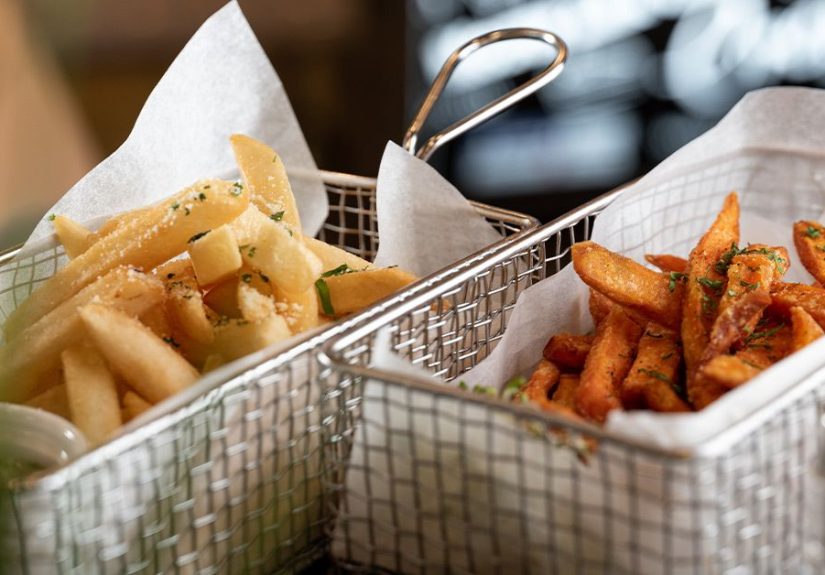
- “Can I get extra vegetables instead of fries?” (Lower sodium and higher potassium/fibernice combo.)
- “Half portion / box half now.” (Less food eaten = less sodium consumed. Math wins.)
Pick cooking methods that usually mean less sodium
Grilled, baked, roasted, steamed tends to beat breaded, fried, or “smothered” (where salty coatings and sauces pile up).
Watch the “extras”
Condiments, dips, seasoning blends, and cheesy toppings can quietly add a lot of sodium. If you love them,
keep thembut treat them like accessories, not the whole outfit.
5) Use a 7-day “step-down” plan (because willpower is not a meal plan)
The best sodium strategy is the one you can repeat. A step-down approach helps your taste preferences adjust
while you build habits that don’t feel like punishment.
A simple week you can actually follow
- Days 1–2: Don’t change everything. Pick one high-sodium item you eat often (like deli lunch meat or boxed noodles) and replace it with a lower-sodium option.
- Days 3–4: Cook one meal at home using low-sodium basics. Use herbs + citrus + aromatics for flavor.
- Day 5: Do one label comparison at the store and buy the lower-sodium version (bread, soup, cereal, canned beansanything).
- Day 6: Restaurant day: use “sauce on the side” + box half now.
- Day 7: Repeat the easiest win from the week. That’s your new default.
Why this works (a little heart-smart strategy)
It’s aligned with the bigger heart-health pattern seen in approaches like the DASH eating plan, which emphasizes
fruits, vegetables, whole grains, and lower sodiumoften around 2,300 mg/day, with additional blood pressure
benefit at 1,500 mg/day for some people.
FAQ: quick answers people actually want
Is sea salt “healthier” than table salt?
Sea salt, kosher salt, Himalayan pink saltthese are all still mostly sodium chloride.
The crystals look different, but sodium is sodium. The bigger difference is how much you sprinkle by volume,
not whether it has a trendy origin story.
Do I need to cut sodium if I already have heart disease?
Many people with heart disease, high blood pressure, or heart failure are advised to watch sodium closely,
but the right target can vary. If you have a specific diagnosis, follow your clinician’s guidance
especially if you also have kidney disease or take diuretics.
What’s the fastest “big win”?
Reduce restaurant/fast food frequency (or portion size) and swap a few packaged staples to lower-sodium
versions. Those changes often move the needle more than trying to “never salt your eggs again.”
Bottom line
Reducing sodium for heart health doesn’t require a dramatic personality change or a lifetime ban on flavor.
Start with the biggest sources (packaged and restaurant foods), use labels to make painless swaps, build meals
from low-sodium basics, and season like you mean it. If you do just a few of these consistently, you’ll likely
cut sodium meaningfullyand your heart will appreciate the quieter workload.
Real-World Experiences: What People Commonly Notice When They Cut Sodium (About )
People often assume reducing sodium will feel like a nonstop food funeral. What tends to happen in real life is
more interestingand honestly, more encouraging. One common experience is the “I didn’t realize that was salty”
moment. Someone decides to cut back and starts by avoiding the obvious stuff: chips, fries, fast food. Then they
look at their everyday staplesbread, cereal, sandwich turkey, jarred pasta sauceand realize the real sodium
story was hiding in plain sight. It’s rarely one “bad” food. It’s the repeat offenders you eat on autopilot.
Another pattern people report is that the first few grocery trips feel awkward, like learning a new language.
They’ll pick up a product they’ve bought for years, glance at sodium, and put it back down. Then they’ll compare
two brands and feel almost offended that the same food can vary so much. But once they find a handful of
lower-sodium favoritesone bread, one broth, one canned bean brand, one salad dressingthe decision fatigue drops
fast. The habit becomes: “buy my usual low-sodium options” instead of “do research every time.”
At home, a surprisingly common “aha” is how powerful acid and aromatics can be. People who think they’ll miss salt
discover that a squeeze of lemon on fish, a splash of vinegar on roasted vegetables, or garlic and onion in a pan
can make food taste vivid without much sodium. They also notice that restaurant meals start tasting aggressively
salty after a whilelike the food equivalent of someone shouting in your ear. That’s not a moral judgment; it’s
just your taste adjusting to less sodium day-to-day.
Social situations are where people get practical. Instead of announcing, “I’m on a low-sodium diet” (which can
invite unsolicited opinions), they use small, normal requests: sauce on the side, no added salt if possible, box
half now. People also learn the “condiment trap”that the meal was fine until the soy sauce, ranch, or seasoned
sprinkle turned it into a sodium tidal wave. A common workaround is choosing one “must-have” item and scaling back
the rest: yes to a little cheese, but dressing on the side; yes to salsa, but skip the salty chips; yes to a deli
sandwich, but not plus a salty soup.
The biggest experience-related takeaway is that successful sodium reduction usually looks boringin a good way.
It’s the same few habits repeated: a smarter grocery cart, a few go-to seasonings, and a couple restaurant scripts.
Over time, people stop feeling like they’re “trying” and start feeling like this is just how they eat nowstill
enjoyable, just quieter on the sodium.