Table of Contents >> Show >> Hide
- What Exactly Is the Hasami 11 3/4" Porcelain Bowl?
- Key Specs at a Glance
- Design Story: Minimal Form, Deep Heritage
- Size & Capacity: Why 11 3/4" Hits the Sweet Spot
- Everyday Performance: Built for Real Kitchens
- Colorways & Styling Ideas
- Use Cases: How People Actually Use the Big Hasami Bowl
- Buying Tips: Getting the Right Piece (and a Cohesive Set)
- Care & Maintenance: Keep It Beautiful
- FAQ
- Why This Bowl Wins the Long Game
- Conclusion
- Real-World Experiences: Living With the Hasami 11 3/4" Bowl
Short version: a minimalist showstopper from Japan that stacks neatly, serves generously, and looks impossibly calm while doing it. If your table could choose its own bowl, it would probably whisper, “Hasami, please.”
What Exactly Is the Hasami 11 3/4″ Porcelain Bowl?
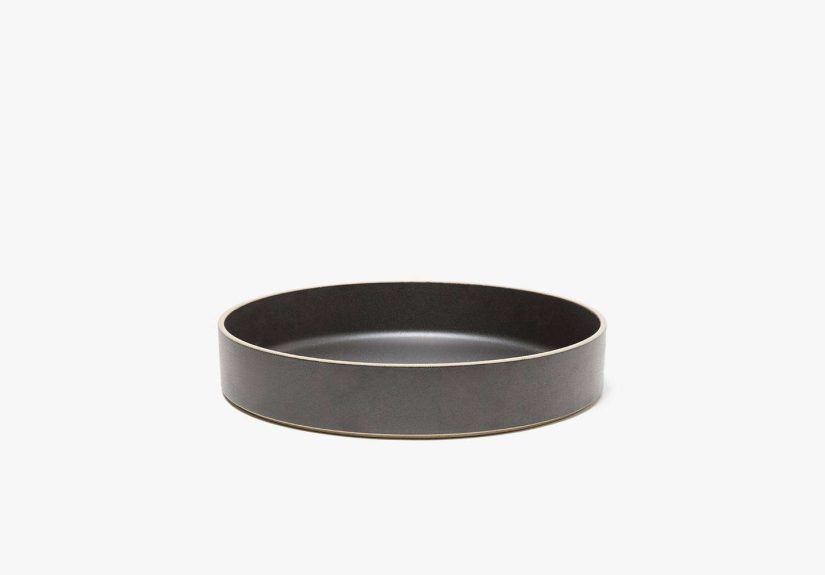
The 11 3/4–inch Hasami bowl is the largest serving bowl in the brand’s modular systemdesigned for family-style salads, noodle feasts, fruit displays, and “I made too much pasta” nights. It’s part of a collection conceived with a modern, stackable logic so pieces nest and store beautifully. In hand, it feels substantial yet refined, with a matte, tactile finish that plays well with both rustic wood and sleek stone countertops.
Key Specs at a Glance
- Diameter: 11.75 inches (≈ 29.8 cm)
- Height: ~2.25 inches (for large, wide bowl format)
- Material: “Semi-porcelain” blend of porcelain and clay
- Finish options: Natural (unglazed), Black (matte), Gloss Gray (glazed), plus seasonal/collection grays
- Origin: Hasami, Nagasaki Prefecture, Japan
- Care: Dishwasher- and microwave-safe; avoid oven and open flame
- Design intent: Modular, stackable system; some lids double as plates/trays
Design Story: Minimal Form, Deep Heritage
From a historic pottery town
“Hasami” isn’t just a brand nameit’s a place. The town of Hasami, in Nagasaki Prefecture, has been producing porcelain for centuries. That heritage informs the bowl’s quiet confidence: it’s contemporary tableware grounded in a long tradition of everyday usability.
The modular mindset
Hasami pieces are intentionally dimensioned so bowls, plates, and mugs stack into clean columns. The 11 3/4–inch size fits at the top of that columnthe big sibling that anchors your set. You’ll immediately notice how easily it packs into a cabinet: the flat base and vertical walls reduce “wobbly stack” syndrome. The system even includes wood lids and plate-lids that function as serving trays, coasters, or covers. Translation: one bowl, many roles.
“Semi-porcelain” feel you can see
Hasami’s signature is a semi-porcelain bodya blend that’s denser and sharper than earthenware but warmer and more organic than ultra-glassy porcelain. In natural or matte black finishes, the surface has a soft, stone-like character. In gloss gray, light skates across a quietly reflective glaze that still reads “understated” rather than “flashy.”
Size & Capacity: Why 11 3/4″ Hits the Sweet Spot
If you host oftenor if you just love a dramatic, generous bowlthe 11 3/4″ diameter earns its keep. It’s roomy enough for a proper dinner salad for 4–6, a heaping pile of roasted vegetables, or a mountain of noodles. The relatively low profile (around 2.25″ high) keeps the look horizontal and elegant on the table, so the bowl never feels bulky even when it’s full.
Practical note for storage minimalists: this size stacks cleanly with other Hasami large bowls and plate-lids, so you can build a column of “party-ready” serveware that occupies surprisingly little shelf space.
Everyday Performance: Built for Real Kitchens
Dishwasher- and microwave-safe
Weeknight life matters. The Hasami 11 3/4″ bowl is happy to go into the dishwasher and microwave, which means warm-up leftovers, quick prep, and zero fussy cleanup. If you love the natural or matte black finish, know that the surface may develop subtle character over time (like a favorite stoneware mug)that’s normal and part of the charm.
What to avoid
- Oven baking or broiling
- Open-flame cooking (stovetop burners, grills, direct heat)
- Metal scouring pads or abrasive powders that can scratch the surface
Surface and stain notes
Because of the semi-porcelain blend and matte finishes, very faint utensil marks can appear with heavy use. Most lift with a gentle scrub using a soft sponge and a non-abrasive cleaner. Dry thoroughly before stacking to keep that uniform, gallery-perfect look.
Colorways & Styling Ideas
Natural (unglazed)
A sandy, organic tone with a velvety touch. Pair it with linen napkins, raw-edge cutting boards, fresh herbs, and anything emerald green. It’s the “low-key chef” aesthetic in bowl form.
Black (matte)
Sleek and moody. Charred broccolini, bright citrus, or a ruby beet salad pop dramatically against the matte black. It also photographs beautifullyfood bloggers’ secret weapon.
Gloss Gray
Soft, architectural, and light-friendly. The glossy glaze keeps things modern while playing nicely with stainless steel, nickel, or chrome fixtures. Minimalist kitchens love this one.
Use Cases: How People Actually Use the Big Hasami Bowl
- Family salads: Toss greens and grains right in the bowl; the wide floor gives room to dress without flinging arugula across the room.
- Noodle night: Ramen for two, soba for three, or a shareable udonheavy enough to feel steady, shallow enough to serve gracefully.
- Roast-veggie platters: Brussels, squash, carrotspile them high, drizzle with tahini, cue compliments.
- Fruit centerpiece: The 11 3/4″ diameter turns market fruit into an instant still life on your island or dining table.
- Party service: Chips and salsa (with a plate-lid as a tray for sides), popcorn for movie night, or “build-your-own” taco toppings.
Buying Tips: Getting the Right Piece (and a Cohesive Set)
- Match the finish: Hasami’s natural, black, and gray can mix, but sets look ultra-clean when you commit to one finish for the big pieces.
- Consider the plate-lid: For maximum modularity, pair the 11 3/4″ bowl with a same-diameter plate-lid. It stacks as a cover in storage, then moonlights as a serving tray.
- Plan the column: Think in vertical stacks: mugs/6″ bowls up top, 8.5–10″ plates in the middle, 11.75″ big bowls at the base. You’ll use them more when they’re stored intelligently.
- Know your menu: If you cook lots of noodles and salads, the 11 3/4″ is a hero. If you mostly plate individually, you might add one large bowl for hosting and lean on 7–10″ sizes for daily meals.
Care & Maintenance: Keep It Beautiful
- Rinse soon after highly pigmented sauces (curry, tomato) to minimize temporary surface tint on matte finishes.
- Use a non-abrasive sponge and mild dish soap; skip scouring powders.
- Avoid thermal shock (don’t move the bowl straight from fridge to microwave with a dense, super-hot filling).
- Let the bowl dry fully before stacking to preserve the finish’s uniformity.
FAQ
Is the Hasami 11 3/4″ bowl oven-safe?
Nostick to serving, prepping, and microwaving. Oven and direct flame are not recommended.
Will it chip easily?
The semi-porcelain body is sturdy for daily use. Like any ceramic, it can chip if knocked against stone or metal. Sensible handling goes a long way.
Does it stain?
Not in ordinary use. Matte surfaces can develop minor utensil traces; gentle cleaning usually removes them.
Is 11 3/4″ too big for everyday?
As a personal bowl, yes. As a serveware staple, it’s perfect. Many owners keep one “big Hasami” for sharing dishes and a few smaller bowls for daily meals.
Why This Bowl Wins the Long Game
Beyond its looks, the genius of the Hasami system is its practicality. The 11 3/4″ size does the heavy lifting at gatherings, the finishes suit almost any kitchen, and the modular dimensions mean your collection won’t sprawl. Buy once, use foreverthat’s the vibe.
Conclusion
Bottom line: If you need one handsome, hard-working serving bowl that makes your table look curated (without trying too hard), the Hasami 11 3/4″ Porcelain Bowl is an easy, durable, and delightful choice.
sapo: Meet the Hasami 11 3/4″ Porcelain Bowlthe oversized, stackable superstar of Japan’s famed modular tableware. With a semi-porcelain body, matte or gloss finishes, and a design that plays well with everything from salads to soba, this bowl is as practical as it is photogenic. Learn the specs, care tips, colorways, and smart ways to build a cohesive Hasami setthen see how real cooks put the big bowl to work at home.
Real-World Experiences: Living With the Hasami 11 3/4″ Bowl
When you bring home the big Hasami bowl, you learn two things fast: it’s deceptively light for its size, and it quietly makes everything you serve look styled. My first run was a family-size chopped saladromaine, farro, roasted corn, and feta. The wide floor gave me room to dress and toss without flinging ingredients overboard (a personal victory). The matte black finish made the greens pop so much that guests assumed I’d plated it just for photos.
Next test: noodle night. I laid udon in a shallow coil, ladled broth around the edges, and let the toppingssoft-boiled eggs, scallions, norisit slightly elevated. Because the bowl is wide and low, steam dissipated evenly and the presentation stayed intentional instead of “soup blob.” Serving felt restaurant-adjacent in the best way.
Cleanup has been drama-free. Into the dishwasher it goes, no special treatment, and the finish remains consistent. On matte surfaces, I’ve seen the occasional faint utensil trace after a very enthusiastic toss with metal tongs. A quick pass with a soft sponge and dish soap took care of it. For peace of mind, I usually use wood or silicone utensils when tossing in the bowl.
Storage is where Hasami converts skeptics. I keep two 11 3/4″ bowls stacked, topped with a plate-lid that doubles as a tray for cheeses or as a cover for proofing dough. That single column takes less space than the random assortment of serveware it replaced, and the cabinet finally looks like a Pinterest board without me buying a single organizer.
Entertaining wise, the bowl earned a permanent role as centerpiece fruit bowl between gatherings. The natural finish especially has that “gallery object” energyfill with citrus in winter, stone fruit in summer, and it reads like intentional decor. If you cook globally, the bowl keeps up: bibimbap spread, taco bar toppings, cold soba with dipping sauce on the plate-lidthe modularity invites you to remix.
Durability check after months: edges still crisp, no glaze crazing, no stains. I do avoid thermal jumps (fridge-cold to piping-hot) and never put it in the oven. Those two small habits keep ceramics happy for years. The only “gotcha” to flag: if your countertops are very hard (quartz, stone), set the bowl down gentlyany ceramic can chip if it meets a sharp edge with momentum. That’s just kitchen physics.
Would I recommend it? Absolutely, especially if you like the idea of buying a few great pieces and using them across scenarios. The 11 3/4″ Hasami bowl is one of those objects that unclutters your cabinets, levels up your plating, and survives the reality of weeknight life. The fact that it looks museum-calm while handling a mountain of pasta? That’s the magic trick.