Table of Contents >> Show >> Hide
- What the Video Actually Shows
- Why This Viral Guinea Pig Video Still Works
- What Guinea Pig Behavior Tells Us About the Scene
- Why the Bridge Is More Than a Gimmick
- The Animal Welfare Question Viewers Should Always Ask
- Why Japan Makes the Perfect Setting for This Story
- Why People Relate to It So Fast
- Related Experiences: Why This Video Feels So Weirdly Familiar
- Conclusion
Imagine the drama of rush hour traffic, but remove the honking, the coffee spills, and the guy who somehow stops dead in the middle of the walkway. Now replace all of that with a fluffy parade of guinea pigs crossing a tiny bridge in Japan. That is the magic behind “Guinea Pig Road In Japan During Rush Hour (VIDEO)”, a viral clip that has delighted animal lovers for years and continues to charm people who never knew they needed a rodent version of a commuter line in their lives.
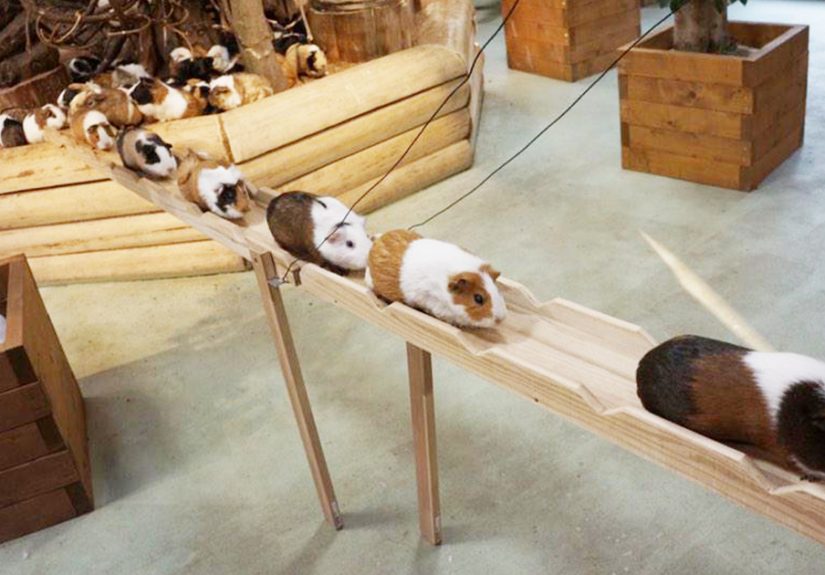
Despite the headline, this is not a literal road scene with guinea pigs dodging scooters in downtown Tokyo. The famous video shows guinea pigs at Nagasaki Bio Park in Japan crossing a narrow wooden suspension bridge that staff set up between spaces. The result looks hilariously organized, oddly peaceful, and just chaotic enough to feel familiar to anyone who has ever shuffled through a crowded train station with a vague sense of purpose.
But the real appeal of the video is not just that it is cute. It also opens the door to bigger questions about guinea pig behavior, animal enrichment, public fascination with adorable routines, and why the internet will always stop what it is doing for a tiny creature acting like a tiny employee with somewhere to be.
What the Video Actually Shows
The clip that inspired the headline centers on the now-famous guinea pig bridge at Nagasaki Bio Park. Zoo staff place a small bridge between areas so the guinea pigs can move from one enclosure to another in a neat little line. They do not sprint like marathon runners, and they do not behave like furry stunt performers. They mostly do what guinea pigs often do when they feel secure and know the routine: they follow, shuffle, pause, sniff, and keep moving.
That simple setup is what makes the moment so entertaining. The bridge is tiny. The traffic is fluffy. The whole thing looks like a commuter scene imagined by someone who had too much coffee and a deep love of small mammals. It is also a great reminder that viral animal videos are often funniest when they are built around ordinary behavior placed in an unexpectedly human-looking context.
Why people call it “rush hour”
The “rush hour” label works because the visual joke lands immediately. One guinea pig hesitates, another follows too closely, a few move with serious purpose, and suddenly the whole thing resembles a miniature workday migration. It is the same reason people love videos of ducks crossing a sidewalk like they own the block or cats sitting in a perfect line as if they are waiting for customer service to open. Animals doing animal things can look suspiciously like people doing people things, and that tiny overlap is comedy gold.
Why This Viral Guinea Pig Video Still Works
Internet trends come and go faster than a missed subway connection, yet this video has real staying power. Part of that is timing. The original clip arrived during the golden era of short, shareable animal content, when a few seconds of perfect cuteness could circle the internet at impressive speed. But timing alone is not enough. Plenty of clips go viral for a weekend and vanish into the digital attic.
This one lasted because it has layers. First, it is visually funny. Second, it is unexpectedly tidy. Third, it invites viewers to project a story onto the scene. We do not just see guinea pigs. We see “tiny office workers,” “furry commuters,” or “the calmest traffic jam on Earth.” The human brain loves patterns, and it especially loves patterns that feel relatable.
There is also something soothing about the order of the scene. In a world where real rush hour often feels like an extreme sport disguised as transportation, watching a line of guinea pigs move across a bridge with quiet determination feels almost therapeutic. Nobody is cutting the line. Nobody is rage-texting. Nobody is pretending they saw the email when they absolutely did not.
What Guinea Pig Behavior Tells Us About the Scene
The video is delightful, but it is even more interesting when you understand a little about how guinea pigs behave. These animals are not just random puffballs with excellent branding. They are social, sensitive, routine-loving creatures that tend to do best in stable environments.
Guinea pigs are social animals
One reason the bridge scene looks so smooth is that guinea pigs are social animals. They are often more comfortable around other guinea pigs than alone, and they tend to thrive with companionship. That group dynamic helps explain why a line can form so naturally. One animal moves, another follows, and suddenly the whole procession feels coordinated without looking forced.
This social nature is one reason guinea pigs are often happier when housed with compatible companions. In the right environment, they build routines together, respond to each other’s movements, and can appear surprisingly synchronized. That does not mean they are military-grade organizers. It just means they are wired for social living, which makes their tiny bridge commute look a lot more logical than it might seem at first glance.
They are prey animals, not chaos goblins
Guinea pigs are also prey animals, which matters a lot when interpreting cute videos. Prey animals are often alert, cautious, and comforted by predictability. They usually prefer situations where they can understand the route, stay near companions, and avoid sudden surprises. A familiar bridge between known spaces can fit neatly into that kind of routine.
That is why the best read of the video is not “Look at these daredevils.” It is more like, “Look at these small creatures confidently following a familiar path.” The adorable part is the visuals. The meaningful part is the routine.
Routine can make animals look wonderfully efficient
If you have ever fed pets at the exact same time every day, you already know what routine can do. Animals learn patterns fast when those patterns are safe and rewarding. Guinea pigs are no different. A bridge that regularly leads from one area to another can become part of an expected daily flow. In other words, what looks like a comedy sketch may actually be a well-practiced transition.
Why the Bridge Is More Than a Gimmick
It would be easy to dismiss the whole thing as a cute trick made for cameras, but that misses the smarter part of the setup. Moving animals between spaces in a calm, organized way can be part of good exhibit management. When done properly, it can offer exercise, stimulation, and a predictable transition instead of a stressful scramble.
For guinea pigs, enrichment matters. Safe pathways, hideouts, gentle handling, and familiar environments can all help support better welfare. The bridge scene works because it looks less like a circus act and more like a tiny bit of environmental design with accidental comedy built in. The animals are not performing for applause. They are moving through a space that clearly makes sense to them.
That distinction matters, especially in an era when viewers are increasingly aware that not every “cute animal moment” is automatically a good one. The best viral clips are the ones where the animals appear comfortable, capable, and engaged in behavior that fits who they are.
The Animal Welfare Question Viewers Should Always Ask
Cute videos deserve cute reactions, but they also deserve thoughtful viewing. Whenever an animal clip takes off online, it is worth asking one simple question: does this look like behavior the animal can do comfortably and safely?
In the case of the guinea pig bridge, several things make the scene feel more reassuring than alarming. The route is short. The crossing appears controlled. The guinea pigs are moving in a way that looks voluntary and familiar rather than panicked. That does not mean every copycat version would be safe. It just means context matters.
Responsible animal care is not about making pets do amusing things for content. It is about creating environments where their natural behaviors can show up on their own. That is a huge difference. One creates a good clip because the setup respects the animal. The other creates a bad clip because the animal is being pushed into a human joke.
If you are a pet owner, do not recreate this blindly
Here is the practical takeaway: a viral zoo setup is not automatically a DIY project. Guinea pigs are small, delicate animals. They can be injured by falls, unstable surfaces, unsafe heights, or stressful handling. If you want to enrich a pet guinea pig’s life at home, think safer and simpler: roomy floor time, tunnels, hide houses, chew-safe items, and predictable routines beat a dramatic miniature suspension bridge built from craft-store ambition.
Also important: guinea pigs need proper nutrition, including steady access to hay and a reliable source of vitamin C. In other words, if your piggy’s life has a bridge but not good husbandry, the bridge is not the part you should be proud of.
Why Japan Makes the Perfect Setting for This Story
The video’s setting matters, too. The phrase “rush hour in Japan” adds instant imagery because Japan is globally associated with efficient transit, orderly public movement, and iconic scenes of crowd flow. Pair that idea with a line of guinea pigs on a bridge, and the contrast practically writes the joke for you.
It is not making fun of Japan so much as borrowing a familiar cultural image: movement with structure. That comparison turns an animal crossing into a tiny narrative with a beginning, middle, and end. The guinea pigs are not just crossing. They are “commuting.” They are not just cute. They are “busy.” Suddenly, viewers are not only watching animals; they are watching a parody of adult life starring creatures shaped like decorative loaves.
That playful framing is a big reason the headline has survived. It turns a brief video into a memorable concept. And memorable concepts are what the internet runs on.
Why People Relate to It So Fast
The biggest secret behind the popularity of Guinea Pig Road In Japan During Rush Hour is not the bridge. It is recognition. We recognize ourselves in the scene. We know what it feels like to move with a crowd, follow the person in front of us, pause for no obvious reason, and continue onward with the confidence of someone who is mostly guessing.
That is why the clip feels funny even if you know nothing about guinea pigs. It captures one of the strangest truths about human life: under the right circumstances, we are all just trying to get from one enclosure to the next without causing a scene.
And frankly, the guinea pigs are doing it better.
Related Experiences: Why This Video Feels So Weirdly Familiar
There is a reason this video hits people with instant recognition. Most of us have lived some version of the guinea pig bridge experience, just with worse lighting and less charm. Maybe it was the morning train platform where everyone formed an unspoken line and then collectively forgot how walking works. Maybe it was an airport jet bridge, where human beings with advanced degrees and noise-canceling headphones suddenly moved at the speed of sleepy toast. Maybe it was the hallway between classes, the entrance to a concert, or the line for coffee that looked short until you realized the person ordering in front of you had apparently never heard of menus.
The genius of the guinea pig video is that it translates all of that into something soft and funny. The movement is the same, but the mood is completely different. Instead of stress, you get delight. Instead of impatience, you get tiny paws. Instead of hearing somebody sigh dramatically because the line is slow, you get silence and fluff. It is rush hour with all the misery edited out.
For pet owners, the video also feels familiar in a more personal way. Anyone who has lived with guinea pigs knows they can be both adorably hesitant and surprisingly determined. They will freeze at the entrance to a tunnel as if it leads to another dimension, then five seconds later stampede toward the sound of vegetables like they are late for a shareholder meeting. Watching a whole group of them move with shared purpose taps into that same daily comedy. They are timid until they are not. They are cautious until lettuce enters the chat.
Even people who have never owned guinea pigs can relate to the social rhythm of the clip. One animal goes, another follows, a third seems unsure, and then the whole flow finds its groove. That is basically every crowded sidewalk, museum staircase, escalator exit, and grocery store aisle before a holiday weekend. The difference is that the guinea pigs somehow make the behavior look cooperative instead of mildly tragic.
There is also a weird comfort in seeing order emerge without anyone barking instructions. Nobody is holding a sign. Nobody is yelling, “Keep it moving!” Nobody is trying to merge aggressively. The line forms because the animals understand the moment, or at least understand enough of it to keep going. For humans, that feels almost aspirational. We see these tiny animals crossing a bridge and think, wow, what if society worked like that for even ten minutes?
Visitors to animal parks probably feel this most strongly in person. A scene that sounds like a gimmick online becomes something else when you are standing nearby and watching it unfold in real time. You notice the pauses, the pacing, the tiny negotiations of space, the almost comical seriousness on each little face. It stops being just a viral video and becomes a shared experience: a crowd of humans watching a crowd of guinea pigs and somehow learning something about both species.
That may be the most charming part of all. The video is funny because it looks like us, but it is lovable because it is still unmistakably them. No costumes, no tricks, no elaborate storyline. Just guinea pigs crossing a bridge and accidentally holding up a mirror to everyday life. And somehow, against all odds, that tiny commute feels more peaceful, more organized, and a lot more emotionally stable than most Monday mornings.
Conclusion
“Guinea Pig Road In Japan During Rush Hour (VIDEO)” works on every level that a great viral animal story should. It is instantly funny, visually memorable, and rooted in behavior that makes sense once you look past the joke. The clip is not just about cute guinea pigs in a line. It is about routine, enrichment, social behavior, and the irresistible human urge to narrate tiny animals as if they have meetings at 9:00.
Most of all, it proves that the internet does not always need louder, bigger, or stranger content. Sometimes all it takes is a small bridge, a calm procession of furry commuters, and the universal realization that even a guinea pig traffic jam is somehow more organized than the average weekday.