Table of Contents >> Show >> Hide
- First: Are You Actually Bruisedor Just Sore?
- Why Legs Bruise After Workouts: The Usual Suspects
- 1) Direct impact (a.k.a. “I don’t remember hitting that”)
- 2) Equipment contact and technique quirks
- 3) High-volume eccentric training (micro-damage meets tiny vessels)
- 4) Friction, pressure, and “helpful” tools that are not always helpful
- 5) Long walks or endurance sessions in heat (the “Disney rash” look-alike)
- When Bruising After Exercise Might Signal Something Else
- At-Home Remedies That Actually Help
- How to Prevent Bruised Legs Next Time
- When to Call a Clinician (Don’t “Tough It Out” Through These)
- Conclusion
- Experiences: What People Commonly Notice (and Learn)
You crushed leg day. You hydrated. You stretched (kind of). You even made a smoothie that tasted like spinach-flavored regret. And thensurpriseyour thighs look like they lost a paintball fight.
Bruised legs after exercise are often harmless: bumped equipment, a sneaky barbell tap, or tiny blood vessels that got a little too enthusiastic. But sometimes bruising is your body’s way of waving a tiny red flag (or, in this case, a purple one). This guide breaks down what’s normal, what’s not, and what you can do to heal faster and prevent repeat episodeswithout wrapping your legs in bubble wrap.
First: Are You Actually Bruisedor Just Sore?
DOMS (delayed onset muscle soreness): the “I can’t sit” phase
Delayed onset muscle soreness (DOMS) is the deep ache you feel hours after a tough workoutusually peaking about 24–72 hours later. It’s especially common after a new routine or lots of eccentric work (when a muscle lengthens under tension, like the lowering phase of a squat). DOMS can feel dramatic, but it doesn’t usually cause visible discoloration by itself.
A real bruise (contusion): the color-changing badge of impact
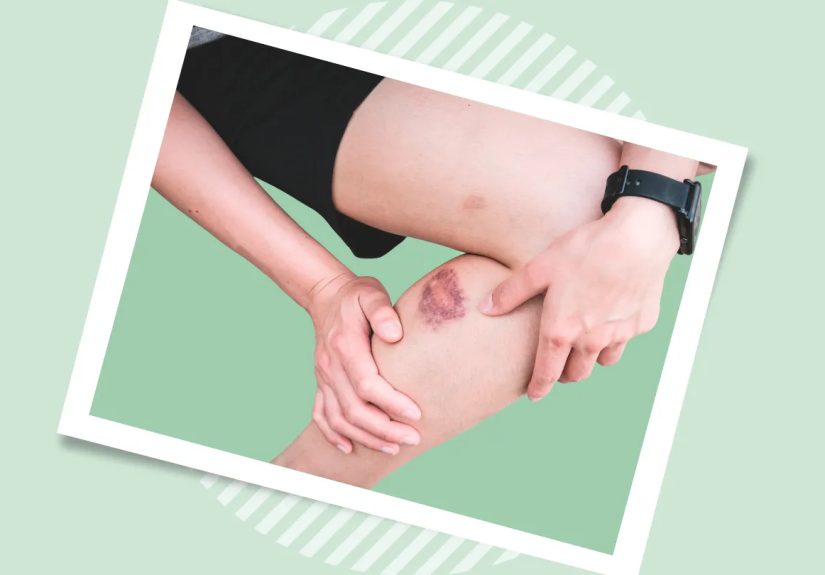
A bruise happens when small blood vessels break under the skin and blood leaks into nearby tissue. That’s why bruises change colors as they healoften going from red/purple to green/yellow before fading out. Most simple bruises improve over 1–2 weeks, though deeper ones can linger longer.
Pinpoint dots or a blotchy rash: not always “bruising”
Sometimes people say “bruises,” but they’re seeing petechiae (tiny pinpoint spots) or an exercise-triggered rash on the lower legs after long walks or workouts in heat (often nicknamed “Disney rash”). These can look purple-red and alarming, but they’re not the same as a classic contusion. The difference matters because the causesand the best remediescan be totally different.
Why Legs Bruise After Workouts: The Usual Suspects
1) Direct impact (a.k.a. “I don’t remember hitting that”)
Legs collect bruises because they’re on the front lines: bumping a bench, clipping a plyo box, missing a step, or getting tagged by a dumbbell that swung a little too freely. You might not notice the bump in the momentespecially if adrenaline is doing its job.
Common examples: box jumps (shin kisses), hiking trails (rock taps), contact sports, or a squat rack that “appears” to move when you turn around.
2) Equipment contact and technique quirks
Some movements practically come with optional bruising: deadlifts scraping shins, cleans and snatches landing on the thighs, leg press sled handles bumping knees, or resistance bands snapping back like they’re mad at you personally.
If bruises show up in the same spot after the same exercise, it’s often technique, bar path, or setup heightnot a mysterious medical plot twist.
3) High-volume eccentric training (micro-damage meets tiny vessels)
Heavy negatives, high-rep lunges, downhill running, and “slow on the way down” workouts create more muscle micro-injury than many other styles. That’s a normal part of adaptation. In some people, especially with intense or unaccustomed training, the stress can also irritate small blood vessels enough to contribute to visible discolorationparticularly if there’s also friction or minor impact involved.
4) Friction, pressure, and “helpful” tools that are not always helpful
Foam rolling, massage guns, deep tissue work, and aggressive stretching can be greatuntil they’re not. If you go hard enough to make yourself wince, you can create bruising simply from pressure on superficial vessels. Compression sleeves that are too tight, knee wraps, or straps can do the same.
5) Long walks or endurance sessions in heat (the “Disney rash” look-alike)
After prolonged walking/runningespecially in warm weathersome people develop a purple-red rash on the lower legs (often above sock lines). It can burn or itch and looks scary, but it’s typically self-limited. If what you have is more blotchy rash than a single bruise, this might be the explanation.
When Bruising After Exercise Might Signal Something Else
Most workout bruises are mechanicalimpact, friction, pressure. But if you’re bruising more easily than usual, bruises are large, frequent, show up without a clear cause, or you also have unusual bleeding, it’s worth taking a closer look.
Medications and common culprits
Some medications can make bruising more likely by affecting clotting or vessel fragility. The big ones include: blood thinners (anticoagulants), antiplatelet medications, and sometimes frequent use of NSAIDs. Steroids can also thin skin over time, making bruises more noticeable.
If you recently started a medication (or changed the dose) and suddenly bruise more, that timeline matters. Don’t stop prescribed meds on your ownbring it up with your clinician so you can weigh risks and options.
Nutrient gaps and recovery basics
Severe deficiencies (like vitamin C) can affect blood vessel integrity, and vitamin K plays a role in clotting. Most people get enough through diet, but restrictive eating, malabsorption issues, or long-term poor intake can shift the odds. If bruising is new, frequent, or paired with fatigue and other symptoms, nutrition can be one piece of the puzzle.
Low platelets or bleeding disorders
Conditions that affect platelets or clotting factors can lead to easy bruising and sometimes petechiae (pinpoint spots). These are not the most common explanation for a few workout bruisesbut they are important to rule out if bruising is unexplained, persistent, or paired with other bleeding symptoms (nosebleeds, gum bleeding, very heavy periods, blood in urine/stool, etc.).
A classic example is von Willebrand disease (an inherited bleeding disorder). Many people have mild forms and only notice issues with bruising or bleeding in certain situations.
Fragile vessels: “normal variation” can be a thing
Some people are simply easier “bruisers.” There are benign patterns described in medical references where blood tests are normal, there’s no serious bleeding risk, and bruises tend to show up on thighs/arms after minor bumps. Age, sun damage, and thinner skin can also make bruises more visible.
Red-flag conditions: when it’s not just a bruise
Two workout-related problems deserve extra respect:
- Rhabdomyolysis (“rhabdo”): severe muscle breakdown that can happen after extreme or unaccustomed exertion (sometimes with heat stress or dehydration). Think: intense muscle pain/swelling/weakness that feels out of proportion, dark urine, and feeling very unwell.
- Compartment syndrome (rare, urgent): severe pain (often escalating), tightness, numbness/tingling, weakness, and pain that doesn’t match the visible bruise. This is an emergency.
At-Home Remedies That Actually Help
The first 24–48 hours: calm the area down (RICE)
For a straightforward contusion, the classic early approach is RICE: Rest, Ice, Compression, Elevation. The goal is to reduce bleeding into tissue, swelling, and painespecially right after the injury.
- Rest: Take pressure off the area. You don’t have to become one with the couch, but avoid re-smacking the same spot.
- Ice: Use a cold pack wrapped in cloth (not directly on skin). Short sessions are better than marathon icing.
- Compression: A light wrap can limit swelling (snug, not tourniquet).
- Elevation: When possible, elevate above heart level to help reduce pooling.
After the “fresh bruise” window: gentle movement beats aggressive heroics
Once the area is less tender (often after the first couple of days), gentle range-of-motion and light activity can help you stay mobile. Easy walking, relaxed cycling, or a low-intensity session can support circulation without turning your bruise into a sequel.
Pain relief: choose wisely
If you need a pain reliever, many clinicians suggest acetaminophen as a first option for a bruise because it doesn’t affect platelets the way aspirin can. If you use NSAIDs, keep it short-term unless your clinician says otherwiseespecially if you’re already prone to bruising.
What to avoid (unless you enjoy slower healing)
- Deep massage on a fresh bruise: If it hurts, your tissues are telling you “no.”
- Heat immediately after injury: Early heat can increase bleeding and swelling in the first phase.
- “Push through” severe pain: Bruises should gradually improve, not intensify into misery.
How to Prevent Bruised Legs Next Time
Fix the pattern, not just the color palette
If bruises consistently show up after a specific exercise, treat it like a coaching clue: check your setup, bar path, stance, and equipment height. Small tweaks (or a quick form check video) can save you weeks of “why am I purple?”
Use the right gear
- Long socks or shin guards for deadlifts, rope climbs, or hiking.
- Knee sleeves if you bump equipment during lunges or step-ups.
- Padding (bar pad or towel) if a movement consistently irritates your hips/thighsjust ensure it doesn’t change mechanics unsafely.
Progress gradually (your tissues like an onboarding process)
Big jumps in volume or intensityespecially eccentric-heavy workraise the odds of DOMS and tissue irritation. A smarter ramp-up (more sets over weeks, not overnight) usually means fewer surprise bruises and better long-term progress.
Recovery basics that actually move the needle
Sleep, hydration, and adequate protein/carbs support training adaptation. You don’t need a “recovery crystal,” but you do need enough fuel and rest for your body to rebuild what you just asked it to break down (a little).
When to Call a Clinician (Don’t “Tough It Out” Through These)
Consider medical advice if you notice any of the following:
- Bruises that appear without any clear injury or start happening frequently.
- A bruise that’s unusually large, very painful, or keeps returning in the same spot.
- Bruising along with nosebleeds, gum bleeding, heavy periods, or bleeding that’s hard to stop.
- Pinpoint spots (petechiae) plus other symptoms, or rapid spreading.
- Signs of possible rhabdo: severe muscle pain/swelling/weakness and dark urine or feeling very ill.
- Any bruise that looks infected (increasing redness, warmth, pus, fever) or a leg that’s swelling dramatically.
Conclusion
Bruised legs after exercise are usually a normal, annoyingly colorful side effect of being activeespecially when you’re lifting, sprinting, hiking, or trying a new movement that involves gravity and pride. Most bruises heal with time, smart early care (RICE), and a little detective work about what caused the impact or pressure.
The key is pattern recognition: a bruise after a known bump is one thing; frequent unexplained bruisingor bruising with other bleeding symptomsis another. If your body is sending bigger signals (severe swelling, escalating pain, dark urine, or bruises that keep appearing without reason), don’t self-diagnose your way into trouble. Get checked. The goal of fitness is strengthnot becoming a human mood ring.
Experiences: What People Commonly Notice (and Learn)
To make this practical, here are a few “you’re not the only one” experiences people commonly report when bruised legs show up after workouts. These aren’t personal stories or medical diagnosesthink of them as patterns that pop up again and again in gyms, running paths, and living rooms everywhere.
The “mystery thigh bruise” after strength training
A very common scenario: someone starts heavier squats, lunges, or step-ups, feels great during the workout, and then notices a bruise on the outer thigh the next day. The assumption is often “my muscles are bruising from soreness.” But when they replay the session mentally, they remember the dumbbell that bumped their leg during walking lunges, the bench corner they grazed while reracking, or the barbell that tapped the thigh on a rushed set. The lesson: if the bruise is localized and repeats in the same place, it’s usually contacta setup issue, not a medical mystery.
The “deadlift shins” initiation ritual
Many lifters collect shin bruises when learning deadlifts or Romanian deadlifts. The bar tracks close to the legs by design, but if it drifts forward, it can scrape. People often fix it with a combination of long socks, better lat engagement, and practicing bar path with lighter weight. The fun part is that the bruises often disappear at the exact same time their technique improvesalmost like your shins are rewarding good form with fewer purple souvenirs.
The “foam roller went to therapy and chose violence” moment
Foam rolling can feel productive, so people sometimes treat it like a sport: more pressure, more pain, more “release.” Then they see blotchy bruises along the quads or IT band area and assume something is wrong with their blood. In reality, it’s often just too much pressure on superficial tissue. A good rule of thumb: discomfort is okay; sharp pain and holding your breath like you’re defusing a bomb is not. Switching to gentler pressure and shorter sessions usually solves the problem fast.
The “long walk + heat = lower-leg rash” surprise
Another frequent report: after a long walk, theme park day, or summer run, people notice a purple-red rash above their socks. It can sting or itch and looks like bruisingbut it’s more like a rash pattern than a single impact bruise. People often find it improves with rest, cooling down, hydration, and avoiding prolonged heat exposure on the next outing. The lesson here is visual: bruise = pooled blood in one spot; rash-like pattern = different mechanism.
The “why am I bruising more than I used to?” checkpoint
Some exercisers notice a shift over time: bruises appear more easily, last longer, or show up from what used to be “no big deal.” Common real-world reasons include a new medication, more frequent NSAID use, changes in training volume, less sleep, or dieting that unintentionally cuts out key nutrients. The most helpful next step people report isn’t panicit’s tracking context: When did the bruising start? Is it linked to a specific workout? Are there other bleeding symptoms? Is there a new supplement or prescription? Bringing that timeline to a clinician (if needed) makes it far easier to get a clear answer.
Bottom line: most workout bruises have a simple explanation once you match the bruise location to what your legs experienced. And if the bruising pattern doesn’t make senseor comes with other warning signsthat’s not “being dramatic.” That’s being smart.