Table of Contents >> Show >> Hide
- What Is a Giant Basin Recycled Tread Pot?
- Why a Recycled Tire Planter Makes Sense
- What Makes a Giant Basin Planter So Useful?
- How to Plant a Giant Basin Recycled Tread Pot the Right Way
- Best Planting Ideas for This Recycled Tread Pot
- How the Material Changes Maintenance
- Who Should Buy a Giant Basin Recycled Tread Pot?
- Real-World Experiences With a Giant Basin Recycled Tread Pot
- Final Thoughts
If ordinary planters feel a little too polite for your patio, the Giant Basin Recycled Tread Pot brings a much moodier energy. It is the kind of container that looks like it has stories to tell. Maybe it once lived a fast life on four wheels. Now it is ready to hold lavender, fountain grass, trailing ivy, or a dramatic summer annual mix on your porch like it owns the place.
That is the charm of a recycled tread pot. It turns a tough, industrial material into something unexpectedly stylish and useful. Instead of pretending to be delicate garden décor, it leans fully into its rugged character. The result is a recycled tire planter that feels modern, sustainable, and just a little rebellious. In a market crowded with predictable clay, resin, and faux-stone containers, that makes it memorable right away.
But good looks are not enough. A large planter also has to function well, support healthy roots, handle weather, and make container gardening easier instead of turning it into a daily soap opera starring wilted basil. That is where the idea behind the Giant Basin Recycled Tread Pot gets especially interesting.
What Is a Giant Basin Recycled Tread Pot?
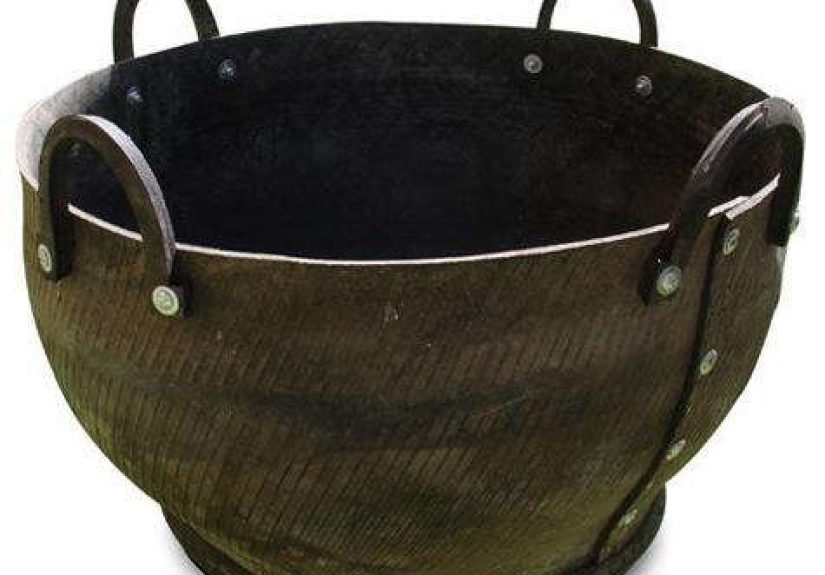
The Giant Basin Recycled Tread Pot is associated with the Re:Tread line, a collection of containers made from discarded tire rubber. The concept is simple but clever: take used tire material, remove the parts that do not belong in a planter, then shape the remaining rubber into a basin-style vessel with visible seams, reinforced joints, and a distinct industrial look. In other words, this is not your grandma’s terracotta pot unless your grandma is unusually cool.
The “giant basin” part matters, too. Basin planters are wide, low, and visually grounded. That shape makes them useful for layered plantings, mixed seasonal displays, herbs, shallow-rooted ornamentals, and statement arrangements that need horizontal presence more than towering height. A big basin creates a generous planting surface, which gives you more room to build a container design that looks lush instead of cramped.
As a giant basin planter, this style also works beautifully in modern outdoor spaces. It can soften hardscape, break up long patios, and add visual texture beside wood decking, stone pavers, brick walls, or black metal railings. You are not just buying a pot. You are buying attitude with drainage requirements.
Why a Recycled Tire Planter Makes Sense
There is a practical sustainability story behind the appeal. Scrap tires have long been a disposal challenge in the United States, which is why products that reuse tire-derived materials continue to attract attention. A planter made from recycled tread does not solve the entire waste stream problem all by itself, of course. It is a flowerpot, not a superhero. But it does represent a smart example of repurposing a difficult material into a long-lasting home and garden product.
That said, eco claims should never get a free pass just because the word “recycled” appears in large friendly letters. Smart shoppers know to look for specific information: what material was reused, how it was processed, and whether the product’s construction sounds credible. The appeal of the Giant Basin Recycled Tread Pot is that the concept is concrete and understandable. You are not buying vague green vibes. You are buying a container made from reclaimed tire material, shaped into something functional and distinctive.
For homeowners trying to make better purchasing decisions, that matters. A sustainable planter should be more than marketing confetti. It should offer durability, reuse a meaningful material stream, and remain useful for years instead of becoming next season’s cracked regret by the garden hose.
What Makes a Giant Basin Planter So Useful?
Large containers have a few built-in advantages. First, they hold more growing media, which gives roots more room and generally helps the container retain moisture longer than tiny pots. That can make plant care more forgiving, especially for gardeners who sometimes forget to water until the leaves look like they are writing a complaint letter.
Second, a broad basin is easier to style. You can create layered planting combinations with a focal plant, rounded fillers, and trailing spillers. Garden designers love this general formula because it creates movement, fullness, and balance. In a big recycled tread pot, that design approach feels especially natural because the wide opening gives each plant enough room to read clearly.
Third, the shape itself is flexible. A tall narrow container often forces you into vertical plant choices. A basin gives you more freedom. You can plant it densely for drama, sparsely for a sculptural look, or seasonally for year-round swaps. Spring bulbs, summer annuals, fall texture, evergreen winter structure, edible herbs, pollinator mixes, or even a minimalist succulent arrangement can all work in the right setting.
How to Plant a Giant Basin Recycled Tread Pot the Right Way
A cool planter does not cancel out container gardening basics. If you want your plants to thrive, start with drainage. A large decorative container needs a way for excess water to escape. Without that, roots sit in soggy media, air circulation drops, and plant health slides downhill fast. The Giant Basin Recycled Tread Pot may look tough enough to survive anything, but your rosemary still would prefer not to live in a swamp.
1. Check drainage before adding anything
If the container includes proper drainage, great. If not, use an inner nursery pot or liner with drainage, or modify the setup so water can escape. This is one of the least glamorous but most important steps. Healthy roots are the whole game.
2. Use potting mix, not garden soil
A high-quality potting mix is designed to hold moisture while still draining well. Yard soil is usually too dense for containers, especially in a large basin where compaction can become a bigger issue over time. Look for a lightweight mix with ingredients that support aeration and moisture balance.
3. Match plant choices to the container’s scale
A giant planter deserves plants that can stand up to it visually. Tiny annuals can get swallowed unless you group them generously. Good candidates include ornamental grasses, coleus, sweet potato vine, calibrachoa, petunias, lavender, dwarf shrubs, thyme, sage, and compact edible varieties. In shade, ferns, heuchera, begonias, and trailing ivy can create a lush look with less fuss.
4. Group plants with similar needs
Do not make one side of the pot a cactus convention and the other a moisture-loving fern retreat. A mixed container works best when plants share similar light and watering needs. Your arrangement will look better and require less guesswork to maintain.
5. Leave room at the top
Do not fill the container all the way to the rim with potting mix. Leave a bit of space so water can settle in rather than running straight over the sides and onto your shoes. Your plants deserve hydration. Your sandals deserve peace.
Best Planting Ideas for This Recycled Tread Pot
The wide, grounded shape of a recycled tread pot opens the door to several strong design directions.
Modern industrial mix
Pair the black or charcoal look of tread-based material with silver foliage, architectural grasses, dark coleus, and a trailing chartreuse vine. This creates a high-contrast container that feels contemporary without trying too hard.
Pollinator-friendly patio display
Use lantana, salvia, verbena, and trailing calibrachoa in a sunny location. The result is lively, colorful, and helpful for visiting pollinators. It is also a nice way to soften the pot’s industrial personality with more movement and bloom.
Herb garden with edge
A giant basin is excellent for herbs if you have enough sun and reliable drainage. Thyme, oregano, sage, parsley, and chives can all share a broad container nicely. Just keep the watering and soil needs aligned, and avoid using questionable reused containers for edibles unless you are confident the material and previous use are safe.
Seasonal front porch statement
In spring, fill it with tulips, violas, and trailing bacopa. In summer, switch to canna, coleus, and sweet potato vine. In fall, go with ornamental kale, grasses, and deep-toned mums. In winter, use evergreen cuttings, pinecones, and branches for a sculptural cold-weather display.
How the Material Changes Maintenance
Container material affects upkeep more than many people realize. Porous pots like unglazed clay lose water faster, while less porous containers usually hold moisture longer. That can be an advantage in hot weather, especially in a large-format planter. A Giant Basin Recycled Tread Pot may therefore feel more forgiving than thirsty clay pots in sunny spaces, provided drainage is handled properly.
Large containers can also reduce the frantic watering cycle that comes with undersized pots. Bigger planters hold more media, and more media generally means more moisture retention. That does not make them maintenance-free, but it does make them friendlier for busy households, renters, beginners, and anyone who has ever whispered “please survive until I get home” to a container tomato.
Still, do not confuse “less fussy” with “no care required.” Container plants need regular feeding, especially during active growth, because frequent watering washes nutrients through the pot over time. Even a stylish recycled rubber basin cannot magically turn hungry petunias into self-sustaining wilderness creatures.
Who Should Buy a Giant Basin Recycled Tread Pot?
This planter style makes the most sense for people who want at least one of three things: a more sustainable material story, a bold industrial design statement, or a large-format container that can handle expressive mixed planting. It is especially appealing for urban patios, contemporary porches, loft-style outdoor spaces, and gardens that need a visual break from ceramic sameness.
It is also a good pick for gardeners who like repurposed materials but do not want their space to look overly crafty. There is a big difference between “creative reuse” and “my porch now resembles a confused garage sale.” A well-designed tread pot lands on the stylish side of that line.
On the other hand, if your taste runs heavily toward cottage garden softness, pale limestone finishes, or classic European urns, this may not be your forever planter. It has presence. It has texture. It has opinions. That is part of the deal.
Real-World Experiences With a Giant Basin Recycled Tread Pot
In real outdoor use, the experience of living with a Giant Basin Recycled Tread Pot is usually less about novelty and more about balance. At first, the material gets all the attention. People notice the rugged texture, the visible seams, the upcycled story, and the fact that it looks more like a design object than a standard garden-center pot. But after the first impression settles, what matters most is how easy it is to build a good-looking container around it.
That is where a large basin really shines. Gardeners often find that broad containers are less frustrating than small decorative pots because there is simply more room to work. You can arrange plants, step back, adjust spacing, and create a composition that feels intentional instead of jammed together. A giant basin lets you think like a designer for a moment. You stop asking, “Can I fit this plant in here?” and start asking, “What story do I want this planter to tell?” That is a much more fun question.
Another common experience is that the pot changes the mood of the whole space faster than expected. Put a recycled tread basin near a front door, beside a bench, or at the corner of a patio, and it immediately acts like visual punctuation. It anchors the area. Even before plants fill in, the container gives the space structure. Once the planting matures, the contrast between soft foliage and recycled rubber becomes the whole point. The tough container makes delicate leaves look even more graceful, and the plants make the industrial material feel warmer and more inviting.
Maintenance-wise, people usually appreciate the scale. A larger container tends to feel more stable, both visually and practically. Plants are less likely to dry out at record speed than they would in smaller pots, and the broader top opening makes watering, deadheading, and seasonal replanting easier. If you have ever tried to refresh a cramped little pot while kneeling in the sun and dropping potting mix on your feet, a giant basin can feel wonderfully civilized.
There are a few realities, of course. A big planted container is not something you casually move around with one hand while holding iced coffee in the other. Once filled, it becomes part of the landscape. That is not necessarily a drawback, but it does mean placement matters. Most gardeners end up treating a basin like this as an anchor piece rather than a wandering accessory.
The planting experience also tends to improve over time. The first season is about figuring out what works in your light, your climate, and your watering rhythm. By the second season, many gardeners get bolder. They use more dramatic foliage, stronger color contrast, or a thriller-filler-spiller arrangement with better proportions. In that sense, a Giant Basin Recycled Tread Pot is not just a container. It becomes a creative platform. You learn its scale, its look, and its personality, and then you start designing with more confidence.
That may be the best thing about it. The pot does not merely hold plants. It invites experimentation. It rewards contrast. It makes sustainable design feel less preachy and more livable. And when the planting is really working, it has that rare quality every good garden object should have: it makes visitors ask where you found it, then makes them look slightly disappointed in their own perfectly nice but painfully ordinary planter at home.
Final Thoughts
The Giant Basin Recycled Tread Pot stands out because it combines strong design, useful scale, and a legitimate recycled-material story. It is not a background piece. It is a container with character, and that character works best when you lean into it with smart planting, proper drainage, and a little design confidence.
If you want a planter that feels modern, substantial, and more interesting than another faux-stone tub, this one has real appeal. It proves that sustainable garden design does not have to be rustic, flimsy, or visually apologetic. Sometimes the best eco-friendly object in the yard is also the one with the most swagger.