Table of Contents >> Show >> Hide
- Why Stool Color Can Be So Misleading
- Foods That Can Make Stool Look Red
- Foods and Substances That Can Make Stool Look Black
- When It’s Probably Food and When It Might Be Blood
- Common Medical Causes of Real Blood in Stool
- Red Flags You Should Not Ignore
- What Doctors May Ask You
- How to Handle the Situation at Home First
- Prevention Tips That Actually Help
- The Bottom Line
- What This Often Feels Like in Real Life
Note: This article is for general education only and is not a diagnosis. If you have heavy bleeding, black tarry stools, dizziness, fainting, severe stomach pain, weakness, or shortness of breath, seek urgent medical care right away.
You glance into the toilet, see a suspicious red streak or a dark, almost-black stool, and suddenly your peaceful day turns into a full-body panic broadcast. Fair enough. Anything that looks like blood in your stool tends to shoot straight to the top of the “things I did not need today” list.
But here’s the twist: not every alarming color change is actual bleeding. Some foods, drinks, dyes, and even common medicines can turn stool red, dark brown, or black enough to fool just about anyone. At the same time, real blood in stool can be caused by problems ranging from hemorrhoids and anal fissures to ulcers, inflammatory bowel disease, diverticular bleeding, infections, and colorectal cancer. In other words, sometimes it’s the beet salad. Sometimes it’s not.
This guide breaks down the foods that can cause stool to look bloody, the difference between food-related color changes and true bleeding, when you should call a doctor, and how to think about the situation without launching directly into internet doom mode.
Why Stool Color Can Be So Misleading
Stool color reflects a messy collaboration between bile, digestion speed, what you ate, what you drank, and any supplements or medications you took. That is why stool can range from light brown to dark brown, green, yellowish, red, or nearly black.
When actual bleeding happens, the color may offer clues. Bright red blood often points to bleeding lower in the digestive tract, such as the rectum or anus. Dark red or maroon stool can suggest bleeding higher up in the colon. Black, tarry stool may mean bleeding from the stomach or upper small intestine, because the blood has been digested on the way down. The tricky part is that certain foods and medicines can imitate those same shades.
So yes, your bathroom detective work has limits. Stool color is a clue, not a final answer.
Foods That Can Make Stool Look Red
Beets
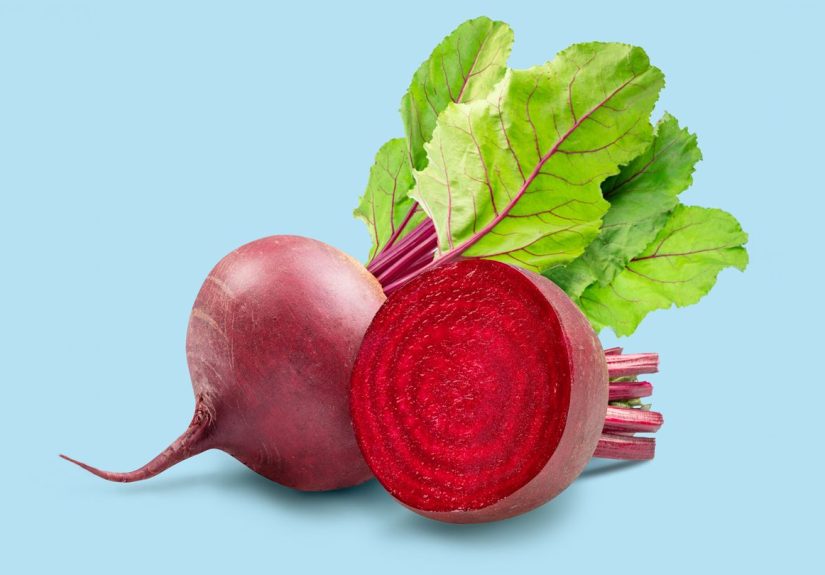
Beets are the classic fake-out artists of the produce aisle. They can tint stool pinkish, red, or burgundy, especially if you ate a generous serving of roasted beets, drank beet juice, or had them in a smoothie. For some people, the color change is dramatic enough to trigger immediate panic. That reaction is understandable, but beets are one of the best-known harmless causes of red-looking stool.
Cranberries and Cranberry Drinks
Cranberries and intensely colored cranberry beverages can sometimes deepen stool color or give it a reddish cast. This is more likely when the product contains concentrated color, added dyes, or was consumed in a large amount.
Tomatoes and Tomato-Based Foods
Tomato juice, tomato soup, pasta sauce, and other heavily tomato-based meals can occasionally contribute to a red tint, particularly when the stool is loose or passes quickly. A giant bowl of spicy red sauce the night before can absolutely become part of the next morning’s mystery.
Red Gelatin, Sports Drinks, Frosting, and Foods With Red Dye
Artificial coloring can be surprisingly convincing. Red drink powders, popsicles, candy, red velvet desserts, brightly frosted cupcakes, and foods made with strong red dye can turn stool red enough to make it look like blood at first glance. The brighter and more heavily dyed the food, the more dramatic the effect may be.
Some Fruits With Strong Pigment
Certain deeply colored fruits may also influence stool color, especially when eaten in large portions. If you had a high-pigment smoothie bowl, fruit juice, or a snack spree that looked like a rainbow exploded in your kitchen, color changes may follow.
Foods and Substances That Can Make Stool Look Black
Black Licorice
Black licorice has been fooling people for years. It can darken stool significantly, especially when eaten in large amounts. If you recently attacked a bag of it like it owed you money, it deserves a place on the suspect list.
Blueberries
Blueberries are healthy, delicious, and occasionally responsible for stool that looks much darker than usual. Large servings, blueberry-heavy smoothies, or concentrated products can shift stool toward dark brown or nearly black.
Dark Leafy Greens
Some dark greens can change stool color in ways that look unusual. They are more likely to push stool toward dark green or very dark brown than true black, but in certain lighting, your toilet inspection may become less science and more courtroom drama.
Blood Sausage or Very Dark Foods
Less common but still relevant: extremely dark foods, including blood sausage, may contribute to stool that looks darker than expected. This is not a common everyday cause for most Americans, but it is a documented one.
Iron Supplements
Iron deserves special mention. It is not a food, but many people take it regularly, and it can turn stool dark greenish-black or black. That means a new iron supplement can create a scary surprise if no one warned you. If you started iron recently and your stool darkened soon afterward, that is a useful clue. Still, if the stool is tarry, sticky, or accompanied by weakness or pain, do not assume it is only the supplement.
Bismuth Medications
Products containing bismuth subsalicylate, such as certain upset-stomach medicines, can also turn stool black. This effect is common and usually harmless. But because black stool can also signal upper GI bleeding, context matters.
When It’s Probably Food and When It Might Be Blood
If the color change appeared soon after a vividly colored meal, you feel completely fine otherwise, and the unusual color goes away after a bowel movement or two, food is a strong possibility. The same goes for new iron supplements or bismuth medications.
On the other hand, actual blood is more concerning when the color change keeps happening, seems unrelated to what you ate, comes with pain, diarrhea, constipation, fatigue, weight loss, dizziness, or a general sense that something is not right. Bright red blood on toilet paper can happen with hemorrhoids or an anal fissure, but it still should not be brushed off forever. Black, sticky, tarry stool is particularly concerning and should be taken seriously.
A useful question is this: Did I recently eat or take something known to change stool color? If the answer is yes, that may explain it. If the answer is no, or you are unsure, it is smart to follow up with a healthcare professional.
Common Medical Causes of Real Blood in Stool
Hemorrhoids
Hemorrhoids are among the most common causes of bright red blood, especially on toilet paper or the outside of stool. They often flare up with constipation, straining, long periods of sitting, or pregnancy. They can be annoying, common, and still worth discussing if the bleeding keeps happening.
Anal Fissures
An anal fissure is a small tear in the lining of the anus, often linked to constipation and hard stools. It can cause bright red bleeding and pain during or after a bowel movement. This is one of those conditions that can sound minor on paper and feel extremely not minor in real life.
Diverticular Bleeding
Bleeding from diverticula in the colon can cause bright red or maroon stool. It may occur suddenly and can be significant. That is not a “let’s wait three weeks and see” situation.
Ulcers, Gastritis, and Other Upper GI Problems
Bleeding from the stomach or upper small intestine can turn stool black and tarry. This may happen with ulcers, severe gastritis, or other upper GI issues. Sometimes people also feel weak, lightheaded, or short of breath.
Inflammatory Bowel Disease
Conditions such as ulcerative colitis and Crohn’s disease can cause blood in stool, often along with diarrhea, urgency, abdominal pain, and fatigue. If bleeding appears with ongoing bowel symptoms, that deserves medical evaluation.
Infections and Food Poisoning
Some infections can cause bloody diarrhea, sometimes after contaminated food. When blood appears with fever, severe cramps, dehydration, or persistent diarrhea, a doctor should be involved.
Colorectal Cancer or Polyps
Not every case of blood in stool means cancer, and most do not. But blood in stool can be a symptom of colorectal cancer or bleeding polyps, especially when it keeps recurring or is paired with changes in bowel habits, abdominal pain, unexplained fatigue, or unintentional weight loss. This is exactly why recurring bleeding should never be self-diagnosed as “probably just something I ate” for months on end.
Red Flags You Should Not Ignore
- Black, tarry, sticky stools
- Large amounts of red or maroon blood
- Dizziness, fainting, weakness, or shortness of breath
- Bleeding with severe abdominal pain
- Blood in stool that keeps returning
- Blood with fever or persistent diarrhea
- Unexplained weight loss or fatigue
- A major change in bowel habits that lasts more than a few days
If any of these are happening, do not wait around for your digestive tract to “clarify the situation.” Get medical advice promptly.
What Doctors May Ask You
If you contact a healthcare provider, they will likely ask what the stool looked like, when it started, whether you had pain, constipation, diarrhea, or dizziness, and what you recently ate or took. This is where remembering last night’s beet salad, red sports drink, or iron tablet suddenly becomes surprisingly valuable.
They may also ask whether the blood was mixed into the stool, on the surface, or only on toilet paper. In some cases, stool testing, blood work, or a procedure such as a colonoscopy may be needed to find the cause.
How to Handle the Situation at Home First
Start with a calm review of the previous 24 to 48 hours. Did you eat beets, tomato-heavy foods, cranberries, black licorice, blueberries, or heavily dyed desserts or drinks? Did you begin iron or take a bismuth medicine? Are you dealing with constipation or straining?
If the stool color change is mild, you feel well, and there is a clear food or medication explanation, you can watch for improvement over the next day or so. But if the color persists, worsens, or comes with any red-flag symptoms, stop guessing and seek care.
Prevention Tips That Actually Help
You cannot prevent every cause of blood in stool, but you can lower your odds of some common ones. Staying hydrated, eating enough fiber, and avoiding chronic straining can help reduce constipation-related problems such as hemorrhoids and fissures. Paying attention to how supplements affect you can also spare you unnecessary panic. And if you are due for colorectal cancer screening, that is not paperwork for Future You. That is a real health move for Present You.
The Bottom Line
Foods can absolutely make stool look red or black. Beets, cranberries, tomatoes, red dye, blueberries, black licorice, and certain supplements or medications are common culprits. Sometimes the explanation is harmless and sitting right there on your dinner plate. But stool that looks bloody should never be dismissed automatically, especially if it is black and tarry, keeps recurring, or comes with pain, weakness, dizziness, diarrhea, or weight loss.
The smartest rule is simple: if you know you ate a likely color-changing food and the problem passes quickly, food may be the answer. If you are not sure, if it keeps happening, or if you have any concerning symptoms, get checked. Your digestive system is allowed to be dramatic once in a while. You just do not want to ignore it when the drama is actually a warning.
What This Often Feels Like in Real Life
One of the most common experiences around this topic is sheer panic followed by a weirdly specific food memory. Someone sees red in the toilet, their brain jumps straight to the worst possible conclusion, and then ten minutes later they remember they ate beet salad, drank a red sports drink, and finished the evening with a slice of red velvet cake. Suddenly the mystery becomes much less sinister. It is not that the fear was silly. It is that stool color can be wildly convincing.
Another common scenario happens with iron supplements. A person starts taking iron for low iron levels, pregnancy, or general deficiency, and then notices dark stool for the first time. Nobody enjoys discovering a medication side effect by surprise in the bathroom. The reaction is usually some version of, “Well, that was a terrible way to learn this.” When people know in advance that iron can darken stool, it reduces a lot of unnecessary stress.
Then there are the people who assume a color change must be food, only to realize it keeps happening. Maybe they notice bright red blood on toilet paper every few days and figure it is just irritation. Sometimes it is hemorrhoids or a fissure from constipation, and treating the constipation helps. But sometimes repeated bleeding is the clue that gets someone to finally make an appointment they have been avoiding for months. That visit can matter a lot.
Some people also describe the awkward uncertainty of trying to “investigate” the problem at home. Was the stool actually red, or did the bathroom lighting make everything look more dramatic? Was it dark brown, or truly black? Was that tomato skin, or something else? It turns out many people have the same confused internal monologue. The truth is, not every case can be solved by visual inspection alone.
Parents sometimes notice color changes after kids eat brightly dyed treats, fruit snacks, or colored frostings and immediately worry. Adults do this too, to be fair. A holiday cupcake can create a next-day bathroom plot twist that nobody saw coming. Most of the time, once the color fades and the person feels fine, the mystery ends there. But if there is pain, ongoing diarrhea, lethargy, or repeated bleeding, that is when it stops being a funny story and becomes a reason to call a doctor.
There is also a quiet emotional side to this topic. People often feel embarrassed talking about stool, rectal bleeding, constipation, or hemorrhoids. That embarrassment delays care more often than it should. But doctors hear about this every day. To them, “I noticed blood in my stool” is useful information, not shocking gossip. If something seems off, saying it out loud is better than silently hoping it goes away.
The most practical takeaway from all these real-life experiences is this: context matters. What you ate matters. What medicines you took matters. How many times it happened matters. Whether you also have pain, weakness, dizziness, fever, diarrhea, or weight loss matters. A one-time color change after a vivid meal is very different from recurring bleeding with symptoms. Learning that difference can spare you panic in one situation and prompt you to seek care in another. That is a pretty valuable skill for something nobody enjoys thinking about until they suddenly have to.