Table of Contents >> Show >> Hide
- Why Flying With a Toddler Feels Different
- Book the Flight Like a Parent, Not a Dreamer
- Pick Seats Strategically
- Decide Whether to Bring a Car Seat
- Pack the Toddler Carry-On Like a Tiny Emergency Kit
- Use Snacks as a Travel Strategy
- Prepare for TSA Security Before You Reach the Line
- Let Your Toddler Move Before Boarding
- Boarding: Early or Late?
- Manage Ear Pressure During Takeoff and Landing
- Entertainment That Actually Works
- Handle Diapers, Potty Training, and Tiny Bathrooms
- Keep Expectations Realistic
- What to Do When Things Go Wrong
- After Landing: Do Not Rush the Reset
- Real-World Experiences: What Flying With a Toddler Actually Teaches You
- Conclusion
Flying with a toddler is not exactly a peaceful spa weekend with complimentary cucumber water. It is more like entering a small airborne obstacle course with snacks, stickers, diapers, tiny shoes, emotional surprises, and one very determined human who believes the seat belt sign is a personal insult. Still, here is the good news: flying with toddlers can be much easier when you prepare for the real trip, not the fantasy version where everyone naps sweetly and eats the airplane pretzels without launching them into row 14.
The best flying with toddler tips are practical, simple, and built around three truths. Toddlers need movement, predictability, and snacks. Lots of snacks. They also need comfort during pressure changes, smart entertainment, and parents who understand that a difficult moment on a plane is not a parenting failure. It is Tuesday at 30,000 feet.
This guide covers how to book smarter flights, pack the right carry-on, handle TSA screening, choose seats, manage ear pressure, keep your toddler entertained, and survive delays without turning into a human granola bar. Whether this is your first family flight or your tenth, these toddler airplane tips can help make the journey calmer, safer, and far less chaotic.
Why Flying With a Toddler Feels Different
Babies are portable but unpredictable. Older kids can understand instructions, bargain for screen time, and occasionally be bribed with a window seat. Toddlers live in the tricky middle. They want independence but still need help. They have big feelings and very small patience batteries. They may love airplanes from the terminal window, then deeply object to sitting inside one.
That is why flying with a toddler is less about one magical hack and more about managing transitions. The airport has many of them: car to curb, curb to check-in, check-in to security, security to gate, gate to boarding, boarding to taxiing, taxiing to takeoff. Every transition is a chance for your toddler to ask, “But why?” with their whole body.
The solution is to plan the journey in small stages. Give your toddler something to do during each part. A snack at the gate, a small toy after boarding, a drink during takeoff, a quiet activity during cruising, and another drink or chewy snack during descent can turn a long travel day into manageable chapters.
Book the Flight Like a Parent, Not a Dreamer
Choose Flight Times Around Your Toddler’s Real Rhythm
Some parents swear by early morning flights because airports are often calmer and delays may be less likely to pile up. Others prefer nap-time flights because a sleeping toddler is the closest thing to first class that most parents will experience. The best choice depends on your child. If your toddler naps well anywhere, a midday flight may work beautifully. If your toddler becomes a tiny thunderstorm when overtired, avoid flights that require waking them at 3:30 a.m. unless absolutely necessary.
For long flights, overnight travel can help, but only if your child can sleep in unfamiliar places. Bring the sleep cues they know: pajamas, a small blanket, a lovey, a bedtime book, or white noise through kid-safe headphones. The goal is to make the airplane seat feel less like a mystery chair and more like a temporary sleep cave.
Pay Attention to Layovers
A nonstop flight sounds ideal, and often it is. But if the flight is very long, a well-timed layover can help your toddler run, stretch, eat, and reset. The key phrase is “well-timed.” A 35-minute connection with a stroller, car seat, diaper bag, and toddler is not a layover. It is a competitive sport.
For family travel, choose connections with enough time to use the bathroom, refill water bottles, change diapers, and walk to the next gate without sprinting. Toddlers do not care that your boarding group is called. They care that their sock feels “spicy.” Build in space for the sock crisis.
Pick Seats Strategically
Family seating can vary by airline, fare type, aircraft, and seat availability, so choose seats as early as possible. Keep everyone on the same reservation, check seat assignments after booking, and check again before departure. Aircraft changes can reshuffle seating, and the last thing you want is discovering at the gate that your toddler is assigned to row 8 while you are in row 22.
Window seats can be helpful if you are using an FAA-approved car seat, because they usually keep the car seat from blocking another passenger’s exit path. A window also gives toddlers something interesting to watch. Aisle seats offer easier bathroom access, but they can be risky for little arms and legs when carts roll by. For many families, one adult on the aisle and the toddler by the window works well.
Decide Whether to Bring a Car Seat
One of the most important flying with toddler tips is to think seriously about child restraint. A toddler is safest in an approved child restraint system or other approved device. A familiar car seat can also help a toddler understand the rule: “This is your travel seat. We buckle in here.” That familiarity can make the flight feel more normal.
Before bringing a car seat onboard, check that it is approved for aircraft use. Look for the label that says it is certified for use in motor vehicles and aircraft. Also check the car seat manual and your airline’s policy. Not every car seat fits easily in every airplane seat, and booster seats without a harness are not used during taxi, takeoff, and landing.
If your toddler has their own ticket, a lightweight travel car seat may be worth the effort. If you choose not to bring one, practice seat belt rules before the trip. Use simple language: “Buckle stays on when the sign is on.” Repeat it often. Toddlers love repetition, except when adults need them to repeat where they put the boarding pass.
Pack the Toddler Carry-On Like a Tiny Emergency Kit
The perfect toddler carry-on is not the biggest bag. It is the bag you can actually find things in while crouched in an airplane aisle with seventeen people waiting behind you. Use small pouches by category: diapers and wipes, snacks, toys, medicine, clothes, and cleanup supplies.
What to Pack
- Diapers or pull-ups, plus more than you think you need
- Wipes, hand sanitizer, and a few disinfecting wipes
- Two toddler outfits and one shirt for the adult
- Plastic bags for dirty clothes, diapers, or mystery messes
- Favorite snacks in small portions
- An empty water bottle or spill-proof cup to fill after security
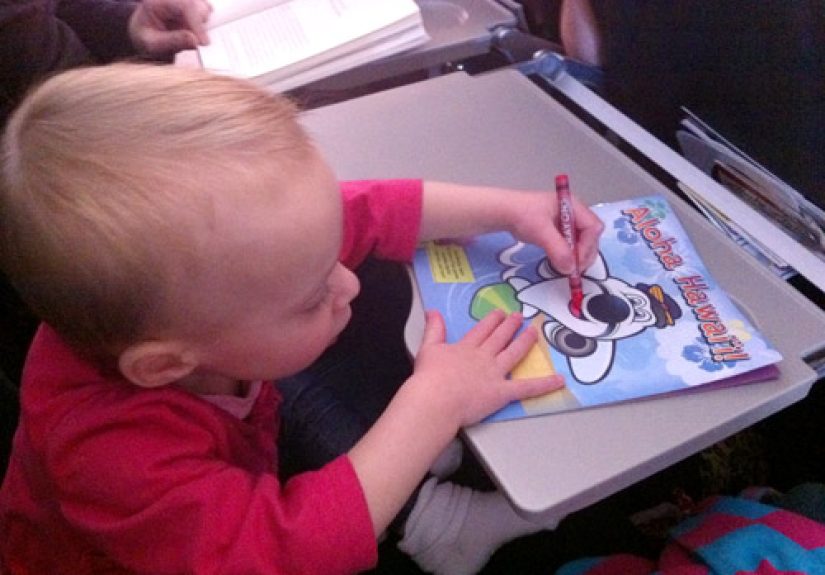
- Small toys, sticker books, coloring supplies, and soft books
- Kid-safe headphones and downloaded shows or games
- Any needed medications in original packaging when possible
- A comfort item, such as a lovey or small blanket
Pack by access priority. The items you need at security should be easy to remove. The items you need during takeoff should be under the seat, not trapped in the overhead bin behind someone’s winter coat and a guitar case.
Use Snacks as a Travel Strategy
Snacks are not just food on a toddler flight. They are entertainment, comfort, distraction, and sometimes diplomacy. Choose snacks that take time to eat and do not create a confetti explosion. Think crackers, cut fruit, cheese sticks, pouches, dry cereal, mini sandwiches, or soft bars. Avoid bringing only sugary treats unless you enjoy watching a toddler try to climb the tray table like a ladder.
Pack snacks in small containers instead of one large bag. This gives you more “reveals” during the flight and prevents total snack loss if something spills. Save a favorite snack for descent, when ear pressure and tiredness often collide.
Prepare for TSA Security Before You Reach the Line
Security is where good organization pays off. Formula, breast milk, toddler drinks, and baby or toddler food are allowed in carry-on bags in quantities greater than the standard liquid limit, but they must be screened. Tell the officer at the start of screening if you are carrying these items. Keep them together and easy to remove.
Strollers and car seats may need to go through X-ray screening or be inspected separately. Children generally stay with their parent or guardian during screening, and young children may have modified screening procedures. The smoother you make this step, the less likely your toddler is to decide the gray plastic bin is their new home.
Let Your Toddler Move Before Boarding
Before boarding, resist the urge to keep your toddler seated quietly at the gate for an hour. They are about to sit for a long time. Let them walk, climb safely, stretch, and explore with supervision. Some airports have play areas; if yours does, use it like it owes you money.
A moving toddler before the flight is often a calmer toddler during the flight. Play “find the blue suitcase,” walk laps around the gate area, or do silly stretches. The goal is not to exhaust them into instant sleep, although that would be lovely. The goal is to reduce the trapped energy that can appear five minutes after takeoff.
Boarding: Early or Late?
Pre-boarding can be helpful if you need time to install a car seat, organize bags, wipe down surfaces, or settle a cautious toddler. However, boarding early also means your child sits on the plane longer before takeoff. If you are traveling with two adults, consider sending one adult ahead with the bags and car seat while the other lets the toddler move until closer to final boarding.
If you are traveling solo, pre-boarding may be your best friend. Give yourself time, accept help when appropriate, and do not rush. A calm setup can make the first hour of the flight much easier.
Manage Ear Pressure During Takeoff and Landing
Ear discomfort is one of the biggest reasons toddlers cry on airplanes, especially during descent. Pressure changes can make little ears hurt, and toddlers may not know how to explain what they feel. Encourage swallowing during takeoff and landing. A bottle, nursing, pacifier, sippy cup, straw cup, pouch, or chewy snack can help.
For older toddlers, try games that encourage swallowing or gentle mouth movement. Ask them to drink “like a dinosaur,” blow bubbles through a straw into a cup before the flight, or practice big yawns. Avoid giving decongestants or sedating medicines just to make flying easier unless your pediatrician specifically recommends it. A medication surprise at cruising altitude is not the kind of plot twist anyone needs.
Entertainment That Actually Works
The best toddler airplane activities are quiet, compact, and fresh enough to feel exciting. You do not need an entire toy store. You need variety and pacing. Bring out one item at a time instead of handing over the whole entertainment bag immediately.
Good Airplane Activities for Toddlers
- Reusable sticker books
- Water-reveal coloring books
- Small board books
- Window clings
- Soft animal toys
- Magnetic drawing boards
- Painters tape for harmless sticking and peeling
- Downloaded videos, music, or toddler games
Screen time rules can be flexible on travel days. A flight is not the moment to prove your family’s media philosophy to row 19. Download everything before you leave home, test the headphones, and make sure your device works offline. Airplane Wi-Fi is not where toddler patience goes to thrive.
Handle Diapers, Potty Training, and Tiny Bathrooms
If your toddler is newly potty trained, consider using pull-ups during the flight, even if you do not use them at home. Travel days involve seat belt signs, long taxi times, lines, and sudden announcements that the bathroom is unavailable. A pull-up can prevent an accident from becoming the main character of your trip.
Change diapers right before boarding. Pack a mini changing kit with one diaper or pull-up, wipes, and a disposable pad so you do not have to bring the entire diaper bag into the airplane bathroom. If your plane has a changing table, wonderful. If not, ask a flight attendant for the best option.
Keep Expectations Realistic
A successful flight with a toddler does not mean your child is silent the entire time. It means you kept them safe, met their needs, and arrived with most of your belongings and dignity intact. Toddlers cry. They spill. They ask loud questions. They may announce that someone nearby has “big shoes.” This is normal.
Most passengers understand more than you think. Many have children, grandchildren, nieces, nephews, or memories of being the tired parent on the plane. Focus on your child, not the imaginary review panel in your head. A calm parent helps a toddler regulate. A parent who is silently melting into the carpet can still recover, preferably with crackers.
What to Do When Things Go Wrong
Delays happen. Cancellations happen. The favorite cup gets dropped under the seat at the exact moment the seat belt sign turns on. Have a backup plan for the most common problems. Pack extra snacks, extra diapers, extra clothes, and an extra dose of patience. Save one surprise activity for delays or the last part of the flight.
If your toddler has a meltdown, lower the stimulation. Use a calm voice, offer water, hold them if possible, and reduce choices. Instead of asking, “What do you want?” try, “Do you want crackers or your book?” Too many choices can make an overwhelmed toddler more upset.
After Landing: Do Not Rush the Reset
Once the plane lands, everyone stands up as if the aisle has magical teleportation powers. Stay seated if you can. Let the rush pass, gather your bags carefully, check the seat pocket, and look under the seat. Toddlers are experts at hiding socks, toy cars, and half-eaten crackers in places aviation engineers never intended.
After leaving the plane, plan a reset stop. Use the bathroom, change diapers, refill water, and let your toddler walk before baggage claim or the next connection. This small pause can prevent a post-flight meltdown when everyone is tired and moving too fast.
Real-World Experiences: What Flying With a Toddler Actually Teaches You
The biggest lesson from flying with a toddler is that preparation matters, but flexibility matters more. You can pack the perfect carry-on, choose the ideal flight time, and download every episode of your child’s favorite show, only for your toddler to become deeply fascinated by the safety card and ignore everything else. That is not failure. That is toddler travel.
Many parents discover that the airport is harder than the airplane. At the airport, toddlers are overstimulated by lights, lines, rolling bags, escalators, announcements, and strangers moving in every direction. One helpful experience-based tip is to narrate what is happening in simple language: “First we give our bag to the airport helper. Then we walk through security. Then we find our gate. Then we eat a snack.” Toddlers feel calmer when the day has a story.
Another real-world trick is to create small jobs. Let your toddler carry a tiny backpack with one toy and one snack. Ask them to help spot the gate number or hold the boarding pass while you are sitting down. Obviously, do not give them anything irreplaceable unless you enjoy crawling under airport chairs. But small responsibilities can make toddlers feel included instead of dragged along.
Parents also learn that “new” beats “expensive.” A roll of stickers, a tiny notebook, or a strip of painters tape can outperform a pricey toy because novelty is powerful. Wrap a few small activities in tissue paper and let your toddler open one every hour. The wrapping becomes part of the activity, and you get a few precious minutes of focused attention.
Food timing matters too. Do not use every snack before boarding. Keep a few high-value options for takeoff, descent, and the final stretch when everyone is tired. A toddler who refuses lunch at home may suddenly accept crackers shaped like animals because airplanes are strange little restaurants in the sky.
One surprisingly useful experience is making peace with imperfection. Your toddler may cry during landing. They may kick the seat once before you catch it. They may need three bathroom attempts and produce zero results. Stay kind, apologize when needed, redirect quickly, and move on. Most people are not expecting a toddler to behave like a tiny business traveler with noise-canceling headphones and a quarterly report.
Flying with a toddler can even create sweet memories. The first time your child sees clouds from above, waves at a pilot, or whispers “we are in the sky” can make the hard parts feel worth it. The trip may not be quiet, but it can still be wonderful. Pack wisely, stay calm, laugh when you can, and remember: every flight ends eventually. Even the one where the applesauce pouch explodes.
Conclusion
Flying with a toddler is a mix of planning, patience, and accepting that your child may treat the tray table like a stage. The best toddler travel tips focus on safety, comfort, and smart pacing. Book flights with your child’s rhythm in mind, choose seats early, consider an approved car seat, pack organized essentials, prepare for ear pressure, and bring entertainment in small waves.
Most importantly, give yourself grace. A toddler having a hard moment on a plane is not a sign that you did anything wrong. It is simply a small person doing their best in a loud, crowded, unfamiliar place. With the right preparation, your family flight can be smoother, safer, and maybe even fun. At minimum, it will give you a story. Possibly several.